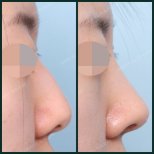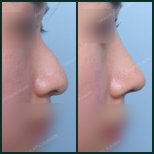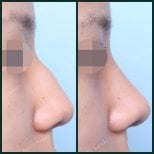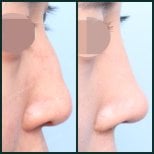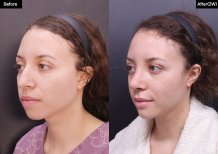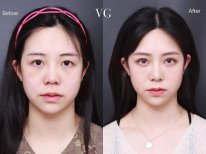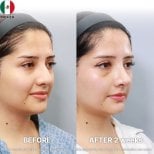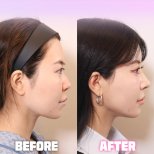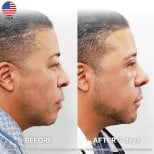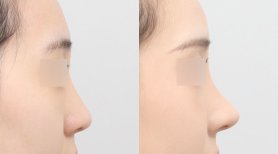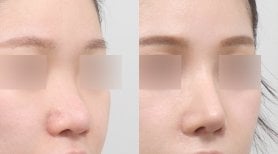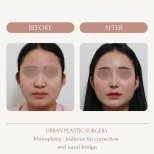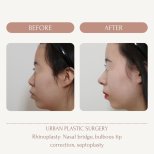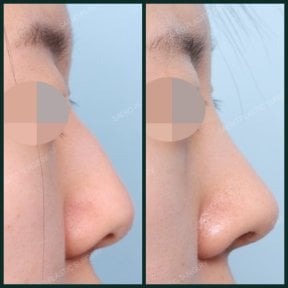
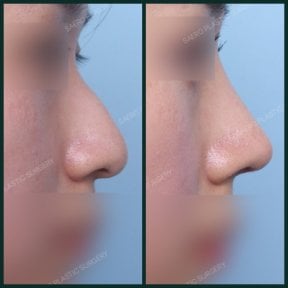
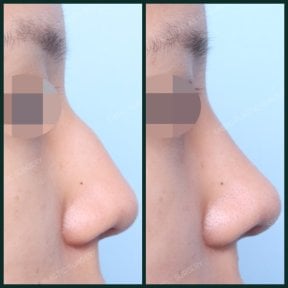
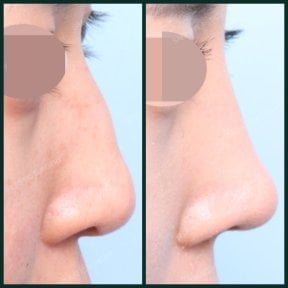
Rhinoplasty in the Republic of Korea typically costs from AUD $8,389 to AUD $9,228. The final price depends on the surgical technique, the surgeon’s experience, and whether revisions are required. Patients from Australia save around 55% compared to local prices, which average AUD $19,574. Many Korean packages include 3D CT scans, preoperative tests, and postoperative care kits.
Bookimed Expert Insight: High-tier clinics in Seoul provide exceptional value by bundling 3D facial scans and CT imaging into their standard pricing. For example, VG Plastic Surgery includes these diagnostic tools in packages starting around A$7,000. This precision often reduces the need for costly future revisions. Additionally, many clinics such as INIQUE are led by surgeons with international training, including at the Royal Australasian College of Surgeons.
| Republic of Korea | Thailand | Turkey | |
| Rhinoplasty (nose job) | from AUD $8,330 | from AUD $2,517 | from AUD $4,875 |
| Wide Nose Rhinoplasty | from AUD $4,195 | from AUD $3,356 | from AUD $3,915 |
| Ultrasonic rhinoplasty | from AUD $6,711 | from AUD $3,495 | from AUD $4,013 |
| Tip rhinoplasty | from AUD $5,033 | from AUD $1,479 | from AUD $1,258 |
| Revision rhinoplasty | from AUD $3,020 | from AUD $3,593 | from AUD $6,489 |
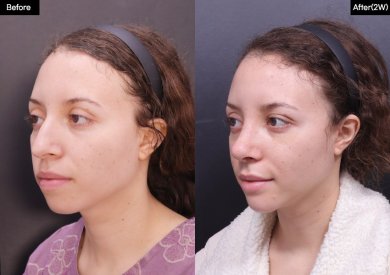

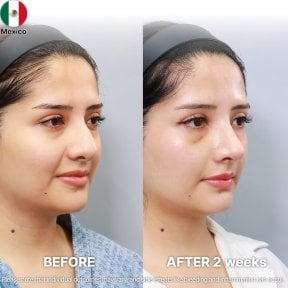

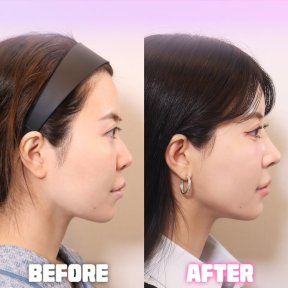
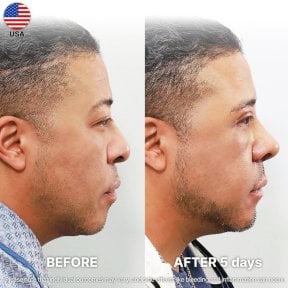

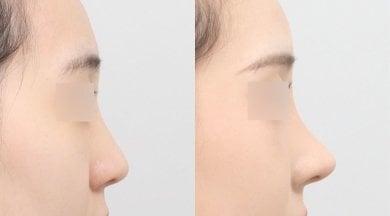
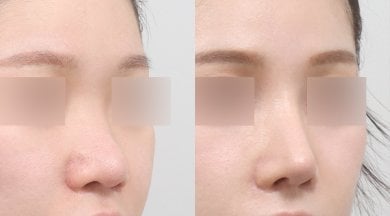
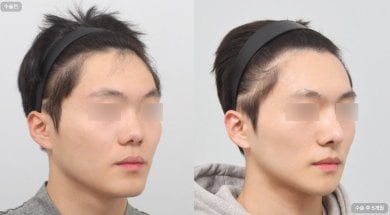
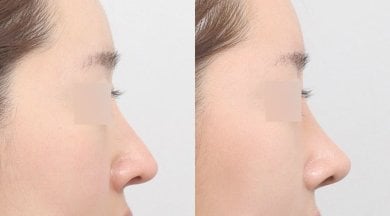
Professor Park Young Kyu has performed over 1,100 successful surgical treatments and leads several research societies dedicated to advanced rhinoplasty at SAERO Plastic Surgery.
Professor Yong Woo Kim achieved the highest score on the Korean Society of Plastic and Reconstructive Surgeons residency exam – marking him as a top-tier surgical talent.
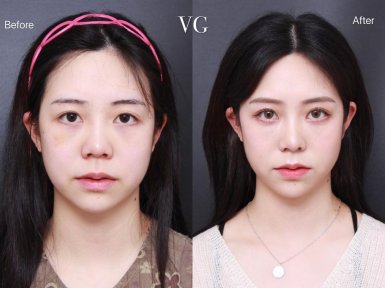
Recognised as one of Korea's 100 Good Doctors, Dr Im Young Min specializes in primary and revision rhinoplasty at VG Plastic Surgery in Seoul.
Dr Park Sangwook is a dedicated rhinoplasty specialist and the Director of VG Plastic Surgery Clinic in Seoul.
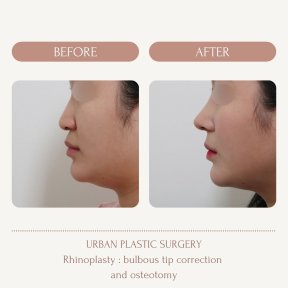
When considering Rhinoplasty (nose job), it’s important to understand the different techniques and which is best suited for you. Here’s a concise comparison of popular options:
Revision rhinoplasty is a surgical procedure to correct or enhance the results of a previous nose surgery.
This procedure focuses on reshaping the nasal tip for improved aesthetics or function.
Closed rhinoplasty is a nasal surgery technique where incisions are made inside the nostrils, leaving no visible scars.
A surgical procedure allowing complete access to nasal structures for reshaping.
Utilizes ultrasonic technology to reshape the nose with precision and minimal trauma.
Non-surgical rhinoplasty is widely available in South Korea. Clinics in Seoul offer liquid rhinoplasty. They use fillers like Restalyne Lyft and HIKO thread lifting. These refine the nose bridge and tip. These procedures are fast, non-invasive alternatives to traditional surgery, providing immediate but temporary results.
Bookimed Expert Insight: Many patients use non-surgical fillers as a test drive before committing to permanent surgery. Filler costs in Seoul can be a fraction of the $14,000 Australian average for surgery. Still, always confirm the brand. Leading centres like AB Plastic Surgery or VG Plastic Surgery specialise in complex structural work. Consider them if the non-surgical preview meets expectations.
Patient Consensus: Patients in South Korea appreciate how filler acts as a low-risk trial. It lets them test their desired look. Local doctors are often described as honest and caring. They focus on natural results rather than overtreatment.
The K-pop nose or Korean rhinoplasty style focuses on a delicate, straight-half sock profile called Jik-Banbeoseon. This aesthetic features a straight nasal bridge with a subtly upturned tip to create facial harmony. Surgeons often use rib cartilage or 3D custom-made implants for structural stability.
Bookimed Expert Insight: While a high bridge is popular, the most requested Korean style currently is the Jik-Banbeoseon. It balances a straight masculine bridge with a feminine upturned tip. This sophisticated look requires precise osteotomy and tip refinement. That's why clinics like AB Plastic Surgery keep over 30 specialists on staff to handle such detailed work.
Patient Consensus: The Jik-Banbeoseon style creates a refined look that appears elegant across various facial types in the Republic of Korea. Patients suggest showing idol photos during consultations. They also advise checking before-and-after portfolios to make sure the final bridge shape matches the desired K-pop aesthetic.
Open rhinoplasty in Korea uses a small incision across the columella. This gives surgeons full visibility for complex tip reshaping or revision surgery. Closed rhinoplasty hides all incisions inside the nostrils. This makes it ideal for straightforward bridge height adjustments, with no external scarring and faster initial recovery.
Bookimed Expert Insight: While patients often request the "scarless" closed method, 24,000-patient centres like AB Plastic Surgery often recommend open techniques. This is especially the case when rib cartilage grafts are used. This approach provides structural stability. It is vital for the refined, long-term results sought by many Australians travelling to Seoul.
Patient Consensus: Patients report the tiny open rhinoplasty scar fades almost completely within months. They appreciate that Korean doctors give honest advice during the initial 3D CT scan consultation. This helps them choose the technique that best achieves their aesthetic goals.
Korean clinics typically use local anaesthesia with intravenous sedation. This is known as sleep sedation for standard rhinoplasty. General anaesthesia is reserved for complex bone reduction or rib cartilage grafting. Surgeons monitor sedation levels. However, many clinics also employ dedicated anaesthetists for complex cases.
Bookimed Expert Insight: Sleep sedation is the standard for most nose surgeries in Seoul. However, patients often choose clinics like AB Plastic Surgery for their high ratio of dedicated anaesthetists. This provides an extra layer of safety. It reassures patients who feel uneasy about a surgeon managing both sedation and the operation.
Patient Consensus: Most patients found the sleep sedation very effective. They woke up feeling well-rested, without the grogginess of general anaesthesia. Walking around and drinking sports drinks helped them metabolise the medications faster. This was during their recovery in Korea.
Most clinics in South Korea require a minimum stay of 14 days following rhinoplasty. Stitches and splints typically come out between day 7 and 10. Staying 2 to 3 weeks ensures the surgeon completes all crucial follow-up care. This care is needed before the long flight back to Australia.
Bookimed Expert Insight: Data shows a high concentration of experienced specialists in Seoul. Surgeons like Dr. Haewon Yang at INIQUÉ Plastic Surgery have performed 10,000+ procedures. Some surgeons hold Australian-specific credentials. For example, training at the Royal Australasian College of Surgeons simplifies post-travel communication for AU patients.
Patient Consensus: Expect the first week to be rest-heavy with minimal activity. Patients suggest staying 3 weeks to allow swelling to settle before flying home. Bringing a humidifier helps with mouth-breathing during the initial recovery days in Seoul.
South Korea offers two primary non-surgical nose job options: liquid rhinoplasty using dermal fillers and nose thread lifting. These procedures refine the bridge and tip without incisions. Clinics in Seoul specialise in these lunchtime treatments, providing immediate results with minimal downtime for aesthetic enhancement.
Bookimed Expert Insight: While fillers are often marketed as temporary, Bookimed data shows otherwise. Some Korean fillers maintain shape for over 2 years. Patients frequently use these A$550–A$1,600 treatments as a trial run. They do so before committing to permanent surgical rhinoplasty. This strategy helps verify if the desired aesthetic change suits the face’s overall harmony.
Patient Consensus: Patients in the Republic of Korea appreciate these quick options. They use them to test new looks before surgery. They highlight the honesty of doctors who advise when structural changes require surgical intervention instead.
Patients should wait 6 to 12 months after primary surgery before revision rhinoplasty in Korea. This period allows scar tissue to mature and nasal anatomy to stabilise. Emergency revisions for infections or implant issues may proceed sooner.
Bookimed Expert Insight: Revision rhinoplasty in Seoul often uses rib cartilage instead of synthetic implants for structural stability. Dr Jooyoun Kim at AB Plastic Surgery has performed over 6,000 procedures and frequently uses these techniques. This approach reduces long-term risks for patients seeking permanent corrections after primary surgery.
Patient Consensus: Booking consultations early in the trip helps secure surgery dates. It also maximises recovery time. Most patients recommend staying in Korea for 2 to 3 weeks before flying home.
Dissolving hyaluronic acid filler before rhinoplasty in Korea is highly recommended but not strictly mandatory. Surgeons prefer a clean nasal structure for precise 3D custom-made planning. Specialists can manually remove filler during surgery. However, most clinics advise dissolving it 4 weeks prior. This avoids intraoperative complexity and additional extraction fees.
Bookimed Expert Insight: Korean clinics, such as VG Plastic Surgery and AB Plastic Surgery, use 3D CT scans for surgical planning. Data shows that even small amounts of residual filler can skew these digital measurements. This skew can be 1–2mm. For patients seeking 3D custom-made implants, dissolving filler is vital. This is true at clinics like Returning Plastic Surgery. This allows the implant to fit the bone perfectly.
Patient Consensus: Korean clinics provide professional care and honest advice regarding filler migration. Patients have found that dissolving filler beforehand leads to better long-term results. It also leads to a smoother recovery process.