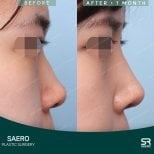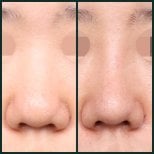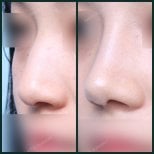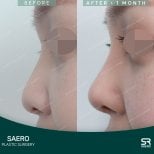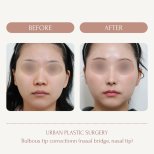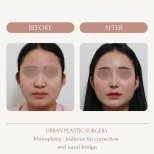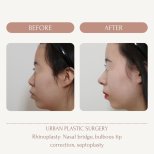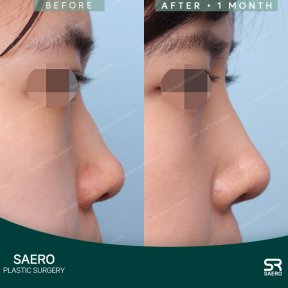
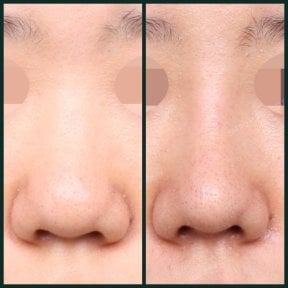
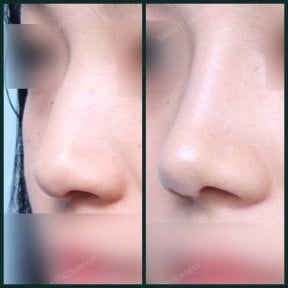
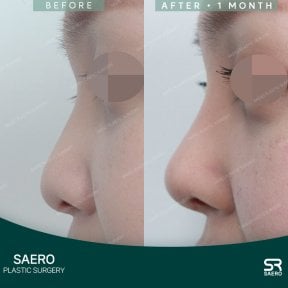
Bulbous nose rhinoplasty in the Republic of Korea typically costs between AUD $3,216 and AUD $5,173. Prices depend on surgical technique, cartilage source, and whether the procedure is a primary or revision surgery. Australians save approximately 78% compared to local private costs of AUD $18,875. Packages generally include 3D CT scans, blood tests, and surgeon consultations.
Bookimed Expert Insight: Choosing a specialist in Seoul often yields better value than focusing on the lowest price. For instance, URBAN Plastic Surgery offers packages around A$2,700 including 3D CT scans. Specialists like Dr Choi Eun Kyu bring 20+ years of experience to these procedures. Higher-tier centers like JK Plastic Surgery Center report 100% success rates, showing that precision justifies the investment.
| Republic of Korea | Thailand | Turkey | |
| Bulbous Nose Rhinoplasty | from AUD $3,279 | from AUD $3,216 | from AUD $3,915 |
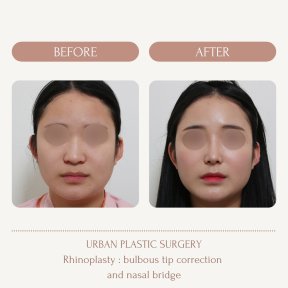
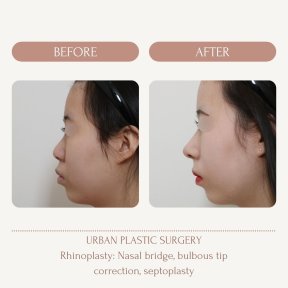
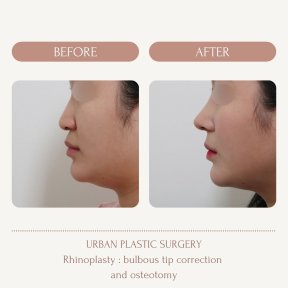
Dr Park Sangwook leads VG Plastic Surgery with extensive training from Seoul St Mary’s Hospital – one of the most prestigious medical centres in Korea.
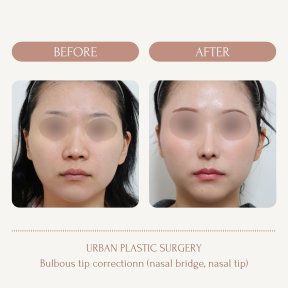
Professor Choi Eun Kyu has performed thousands of facial plastic surgeries at Urban Plastic Surgery and serves as an acting professor at Hanyang University.
Dr. Koh Eunseok is an otolaryngologist (ENT) who specializes in rhinoplasty and functional rhinoplasty. He graduated from Yonsei University College of Medicine.
He is a member of the Korean Medical Association, the Korean Society of Otorhinolaryngology–Head and Neck Surgery, the Korean Rhinologic Society, and the Korean Academy of Facial Plastic and Reconstructive Surgery. He is also a member of the American Academy of Facial Plastic and Reconstructive Surgery (AAFPRS).
Professor Kim Young Eun is the former Chairman of the Korean Society of Plastic and Reconstructive Surgeons, leading the standard for aesthetic outcomes in Seoul.
The Republic of Korea is a premier destination for bulbous nose rhinoplasty. Specialists focus on structural refinement over simple tissue reduction. This approach uses autologous cartilage to define thick-skinned nasal tips, achieving natural results. Surgeons in Seoul-based clinics perform thousands of these complex procedures annually with high precision.
Bookimed Expert Insight: Many think bulbous nose surgery is just about removing fat. However, Bookimed data shows the best Korean outcomes involve building up the bridge. Specialists like Dr Kang Moon Seok at Wonjin Plastic Surgery often use rib cartilage. This creates the necessary projection that makes a wide tip appear naturally refined.
Patient Consensus: Patients in the Republic of Korea appreciate surgeons who focus on natural-looking tip refinement. They prefer this over dramatic changes. They value the detailed consultations and 3D imaging. Using their own cartilage helps maintain long-term stability.
A bulbous nose has a rounded nasal tip caused by thick skin or wide cartilage. In Korea, surgeons refine this appearance using tip reduction, cartilage grafting, and fat removal. Specialists focus on narrowing the tip and increasing definition to create a sharper nasal structure.
Bookimed Expert Insight: Korean clinics often combine tip correction with bridge augmentation for better harmony. Over 30 specialists at AB Plastic Surgery use double the industry average of anaesthetists for safety. This level of oversight is rare in smaller clinics. It provides extra security for international patients.
Patient Consensus: Patients mention the swelling subsides quickly after the first week. Many are surprised by the detailed care. They find that English-speaking staff in Seoul makes the process seamless.
Bulbous nose rhinoplasty in the Republic of Korea is manageable. Surgeons perform the procedure under general anaesthesia or conscious sedation, so patients feel no pain. Most patients experience pressure, congestion, and throbbing rather than sharp pain. Discomfort peaks during the first 3–5 days after surgery.
Bookimed Expert Insight: Seoul clinics maintain high safety standards by employing more anaesthetists than the industry average. AB Plastic Surgery maintains a specialist ratio double the standard, while JK Plastic Surgery uses German-sourced equipment. This focus on monitoring significantly reduces post-operative nausea. It also prevents pain spikes during the wake-up phase.
Patient Consensus: Throat dryness and rib graft soreness often feel more noticeable than the nose itself. Patients find that keeping up with painkillers and using a humidifier helps. This makes the first week in Korea much easier.
Asian bulbous nose rhinoplasty in Korea requires managing thicker skin and weaker cartilage. Surgeons thin the skin envelope by excising subcutaneous tissue. They use autologous rib or septal cartilage for structural support. These specific techniques keep the refined nasal tip stable and visible through heavier soft tissue.
Bookimed Expert Insight: Many clinics offer bulbous nose correction from $2,300. However, the most successful Korean outcomes for Australian patients often involve rib cartilage. This provides the necessary “push” against thick Asian nasal skin that ear cartilage typically cannot maintain over time.
Patient Consensus: Patients mention that swelling in Korea lasts much longer with thick skin, sometimes up to 18 months. They suggest focusing on structural support rather than aggressive reduction. This helps achieve a natural look and clear breathing.
The main difference is incision site and surgical visibility. This applies to open versus closed rhinoplasty for bulbous nose correction in Korea. Open rhinoplasty uses a small columellar incision for full structural access. Closed rhinoplasty uses internal incisions to avoid visible external scarring.
Bookimed Expert Insight: Many patients request closed rhinoplasty to avoid scars. Korean specialists, however, often recommend the open method for bulbous tips. Dr. Park Young Kyu at SAERO Plastic Surgery is a notable example. This approach is necessary to remove thick subcutaneous fatty tissue. This tissue is common in bulbous cases and internal incisions cannot effectively reach it.
Patient Consensus: Open surgery provides the structural support needed for a defined tip, Korean patients find. Swelling may last slightly longer. They suggest choosing the method based on the correction needed. The nose may require significant tissue reduction or just minor cartilage trimming.