Medically reviewed by
Ergin Er
Lower eyelid blepharoplasty in the Republic of Korea typically costs from AUD $2,100 to AUD $3,800. The final price depends on the specific technique used, such as fat repositioning or skin tightening, and the clinic location in Seoul. Standard packages often include post-operative care and medications.
Bookimed Expert Insight: Paying for experience yields measurable results in Seoul. HERSHE Plastic Surgery Korea reports a 94.3% success rate for blepharoplasty. Their packages start around A$2,562 and feature specialists like Dr. Kim Joo Bong, who has 30+ years of experience. High-volume centres like JK Plastic Surgery Center have performed over 85,000 procedures, offering a level of surgical refinedness that justifies premium pricing for Australian patients.
| Republic of Korea | Thailand | Turkey | |
|---|---|---|---|
| Lower Eyelid Blepharoplasty | from AUD $2,100 | from AUD $1,100 | from AUD $980 |
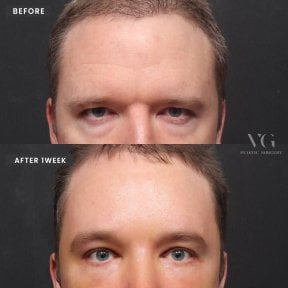




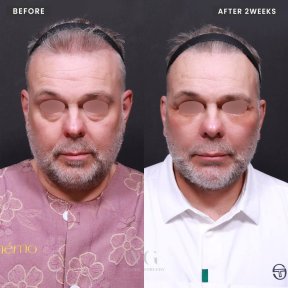
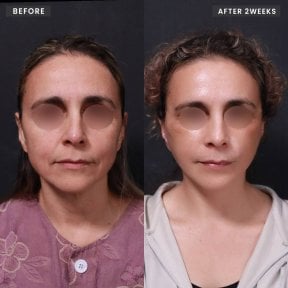

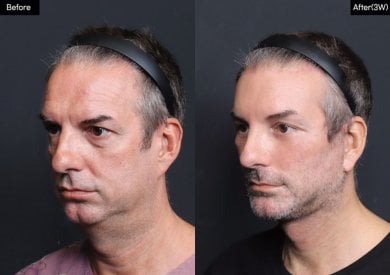


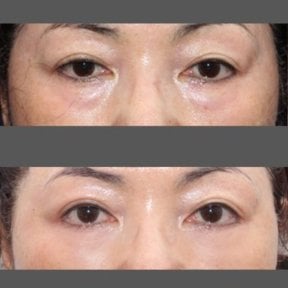
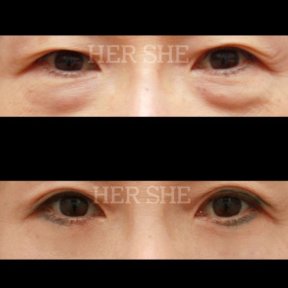
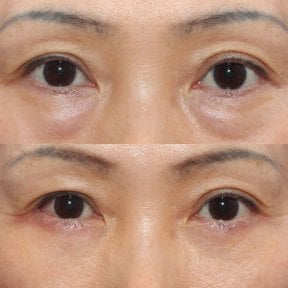


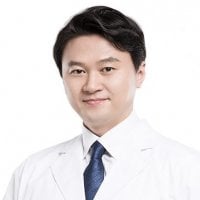
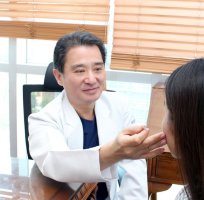
Dr. Park is a board-certified plastic surgeon specializing in lower eyelid blepharoplasty, recognized for his precision and academic excellence.

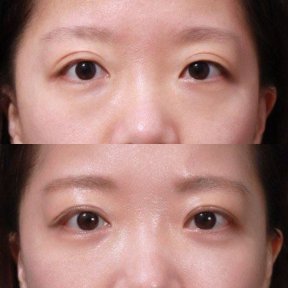
Dr. Kim achieved the highest score on the residency exam by the Korean Society of Plastic and Reconstructive Surgeons, specializing in lower eyelid blepharoplasty.

Dr. Im Young Min is a board-certified plastic surgeon specializing in facial procedures, with a Ph.D. in Plastic Surgery from The Catholic University of Korea.
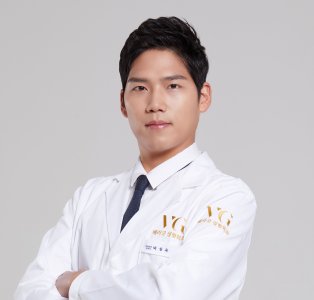
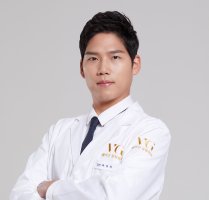
Dr. Park Sangwook is a board-certified plastic surgeon and the Director of VG Plastic Surgery in Seoul. He completed his residency at Seoul St. Mary’s Hospital. He specializes in rhinoplasty and facial contouring. The doctor previously served as a Director at DA Plastic Surgery Clinic.


 Anna Leonova

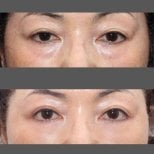
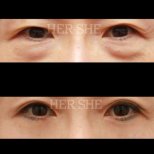
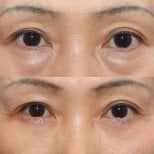
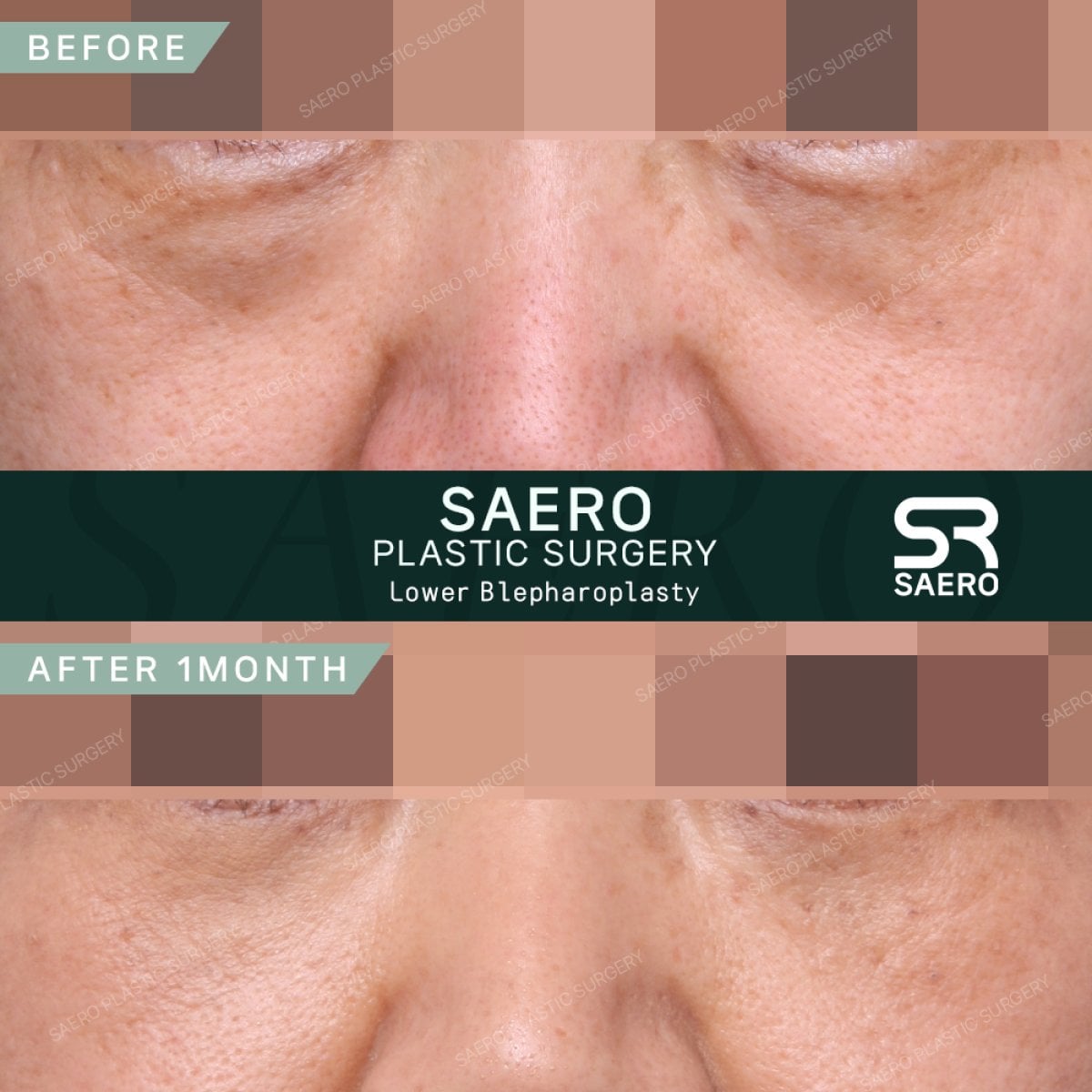
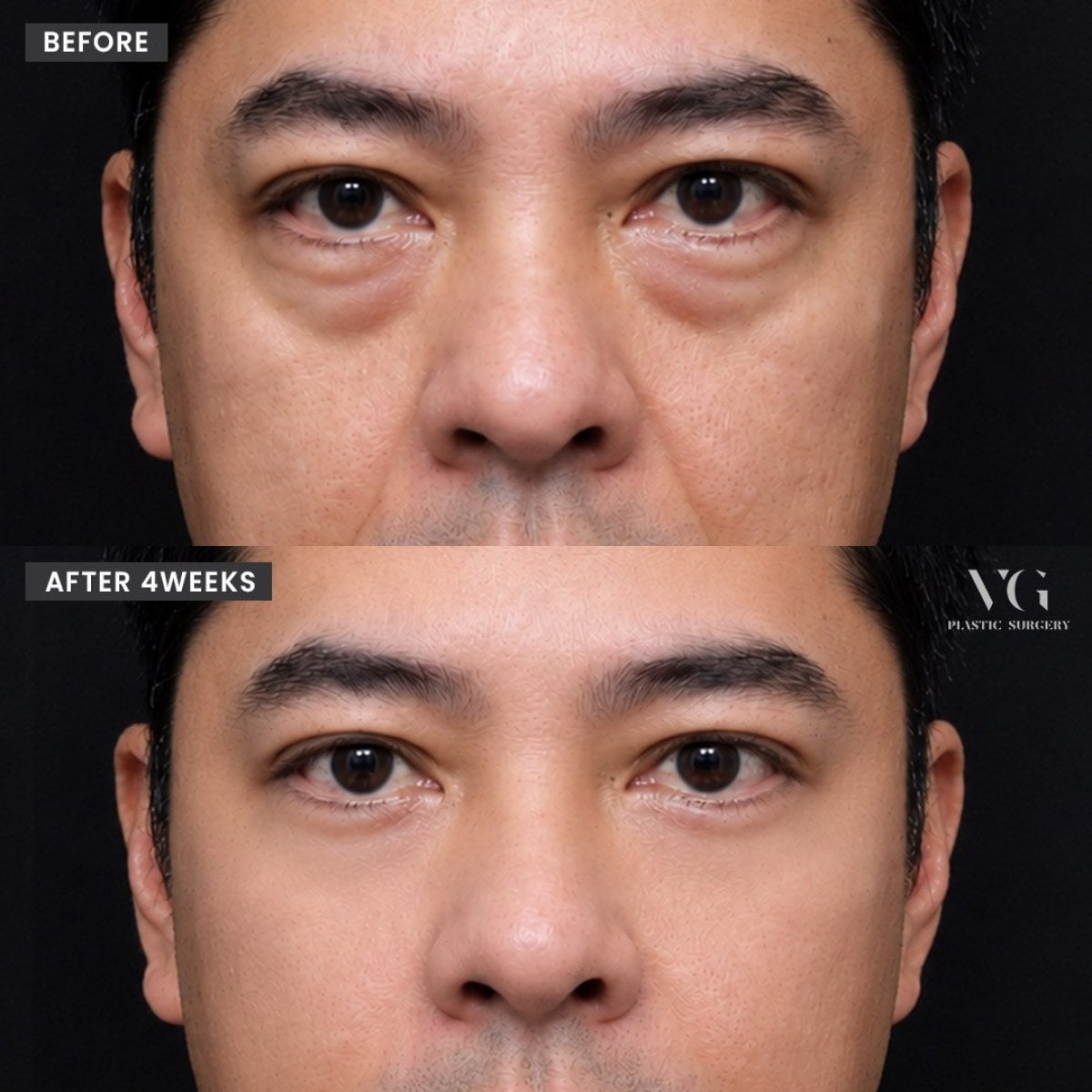
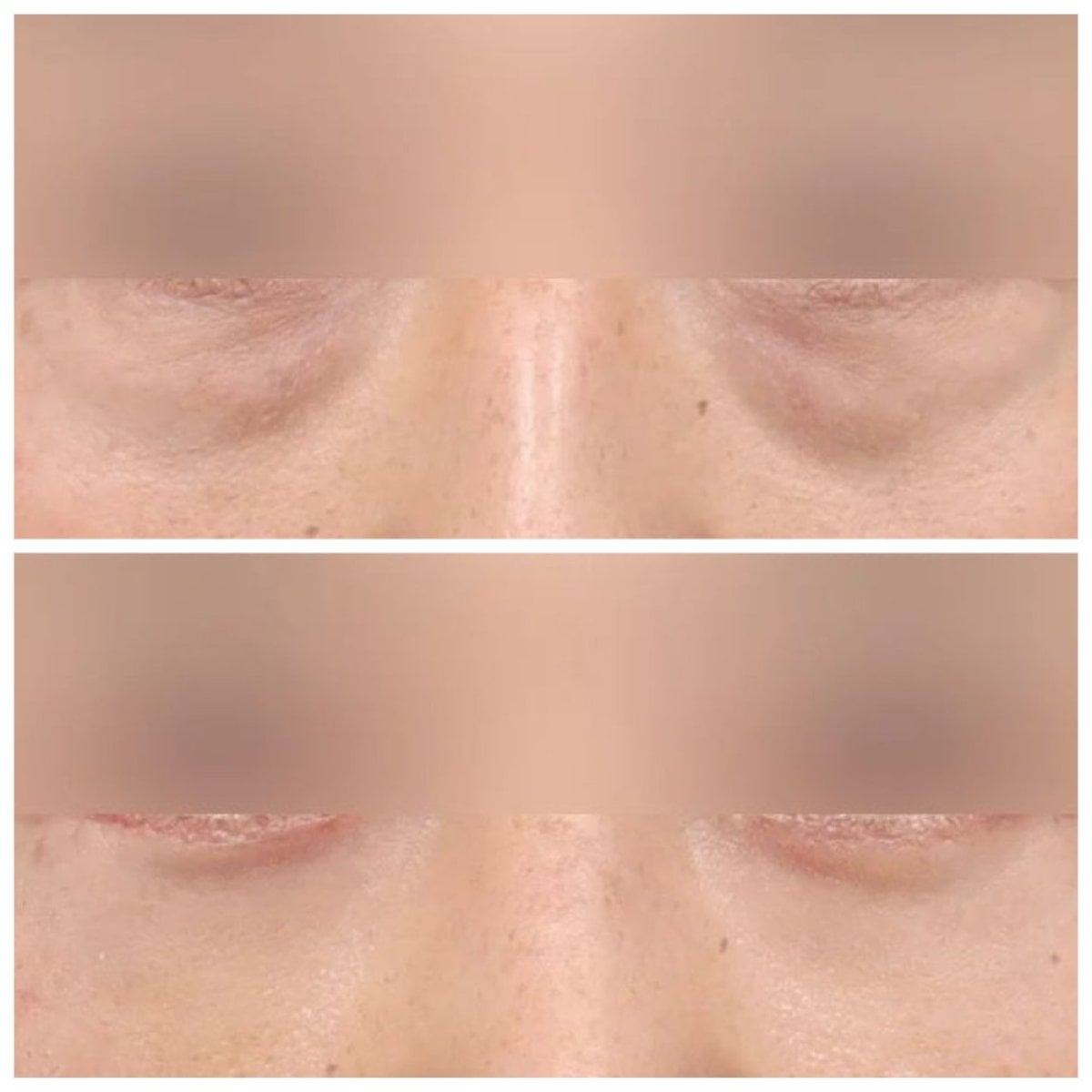
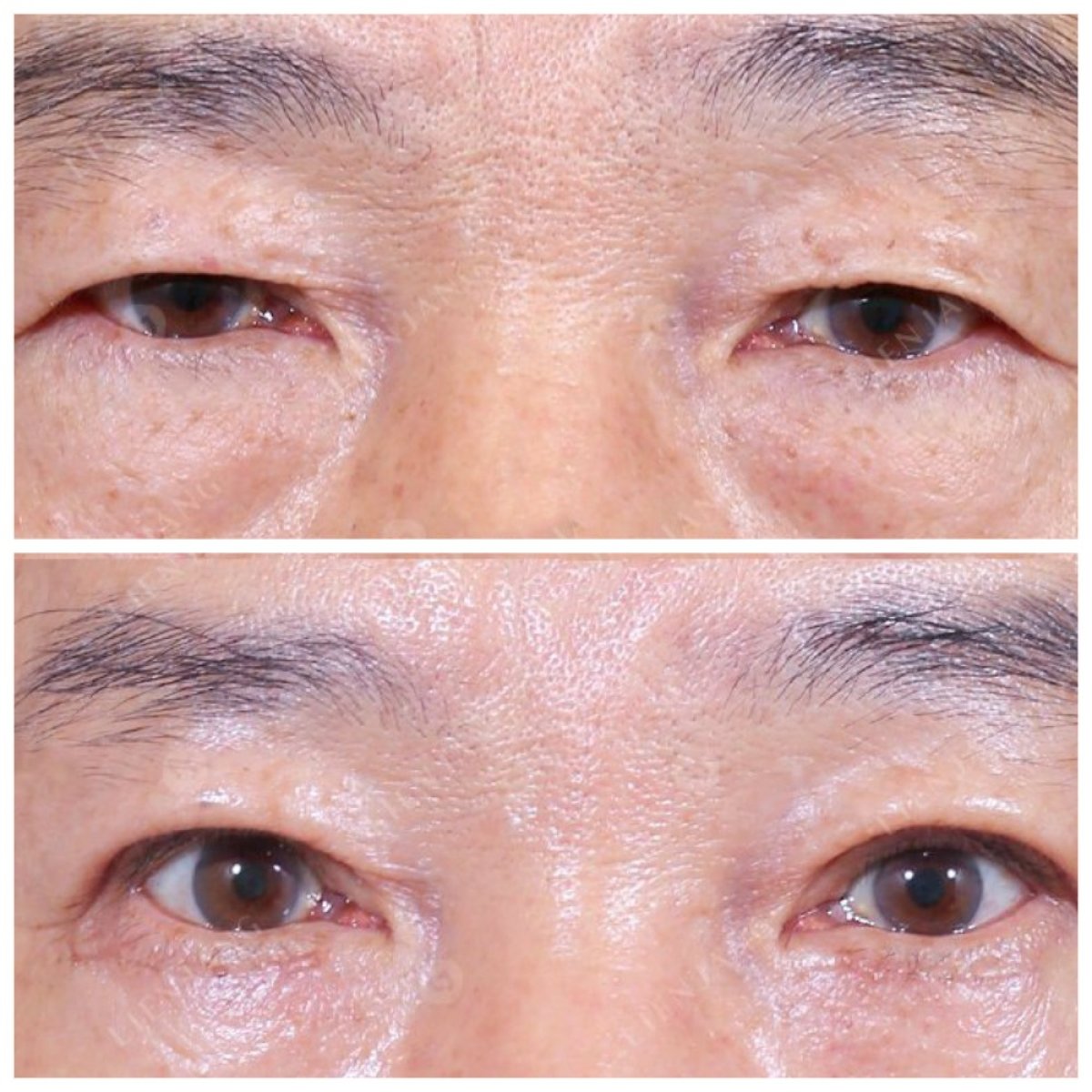
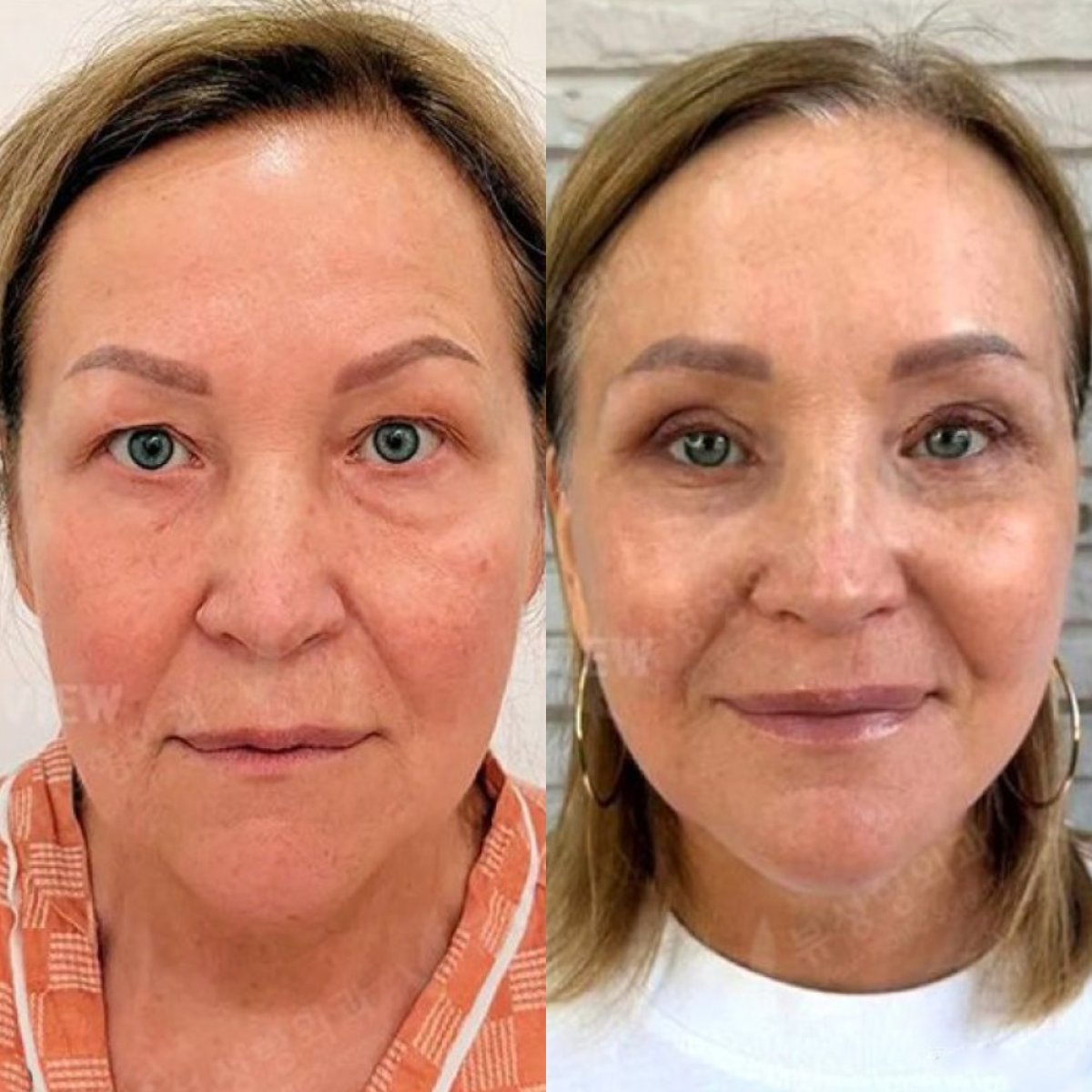
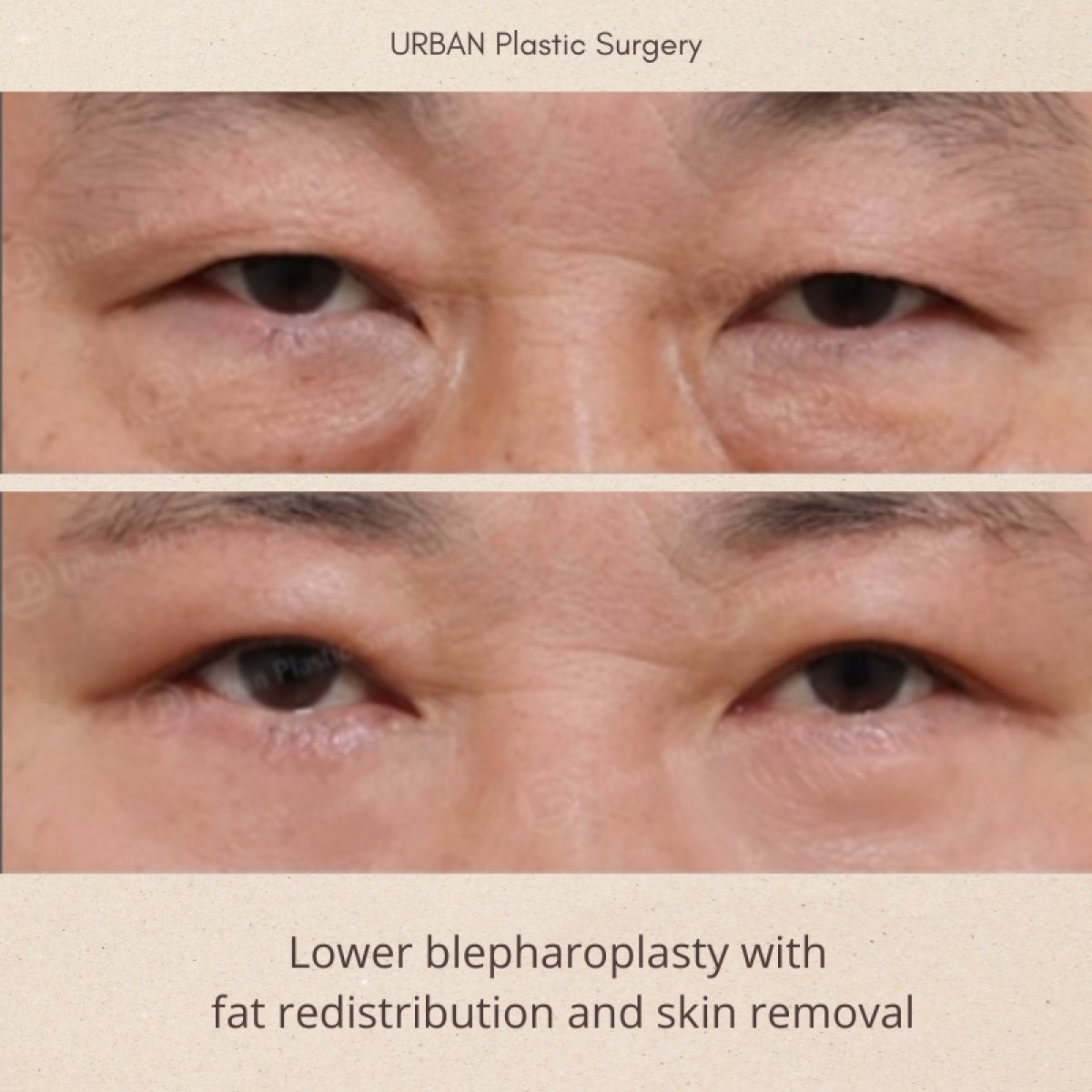
Lower eyelid blepharoplasty in South Korea repositions fat through internal incisions to smooth the under-eye area and eliminate bags. Specialists often use the transconjunctival approach. This places incisions inside the eyelid to avoid external scarring. It gives a refreshed, natural appearance without visible marks.
Bookimed Expert Insight: Clinics like HERSHE Plastic Surgery maintain specialised eye-rejuvenation units where surgeons like Dr Kim Joo Bong have focused on this single area for 30+ years. This hyper-specialisation is why Seoul clinics report success rates as high as 94.3% for blepharoplasty procedures.
Patient Consensus: South Korean surgeons prefer the internal fat repositioning method to create a smooth transition between the eyelid and cheek. Plan to stay in Seoul for all follow-up care. Local laws restrict remote video consultations once you return to Australia.
Lower eyelid blepharoplasty surgery in Korea is a specialist anti-ageing procedure. It focuses on fat repositioning and midface harmony. The surgery is performed under IV sedation and takes about one hour. Surgeons address eye bags and tear troughs. They do this through either an internal transconjunctival incision or an external lash-line approach.
Bookimed Expert Insight: Korea’s eye surgery specialists often achieve high success rates. They do this by focusing exclusively on oculoplastic procedures. For example, Dr Kim Joo Bong at HERSHE Plastic Surgery has 30+ years of experience. This contributes to the clinic’s reported 94.3% success rate for blepharoplasty. Choosing a specialist-led clinic over a generalist centre provides more refined fat survival. It also provides natural-looking results.
Patient Consensus: Patients find the Republic of Korea ideal for achieving a refreshed look. They get this without heavy scarring. They often recommend resting for 2–3 days initially. Eye ointment and swelling can temporarily limit vision for sightseeing.
Ideal candidates for lower eyelid blepharoplasty in South Korea include those with prominent eye bags. Hollow tear troughs or sagging under-eye skin are also common. Specialists in Seoul often recommend this procedure for those seeking structural rejuvenation. It particularly suits patients with good skin elasticity needing fat repositioning to smooth the midface.
Bookimed Expert Insight: Bookimed data shows specialists like Dr. Kim Joo Bong at HERSHE Plastic Surgery Korea bring over 30 years of experience to these procedures. Clinics like AB Plastic Surgery maintain a high specialist-to-patient ratio. This means each patient receives individual attention. This depth of expertise often results in reported success rates exceeding 94% for eye rejuvenation.
Patient Consensus: Patients in South Korea value surgeons who focus on midface harmony rather than just removing fat. Many highlight that bringing reference images helps overcome cultural beauty differences. This helps results look natural and refreshed.
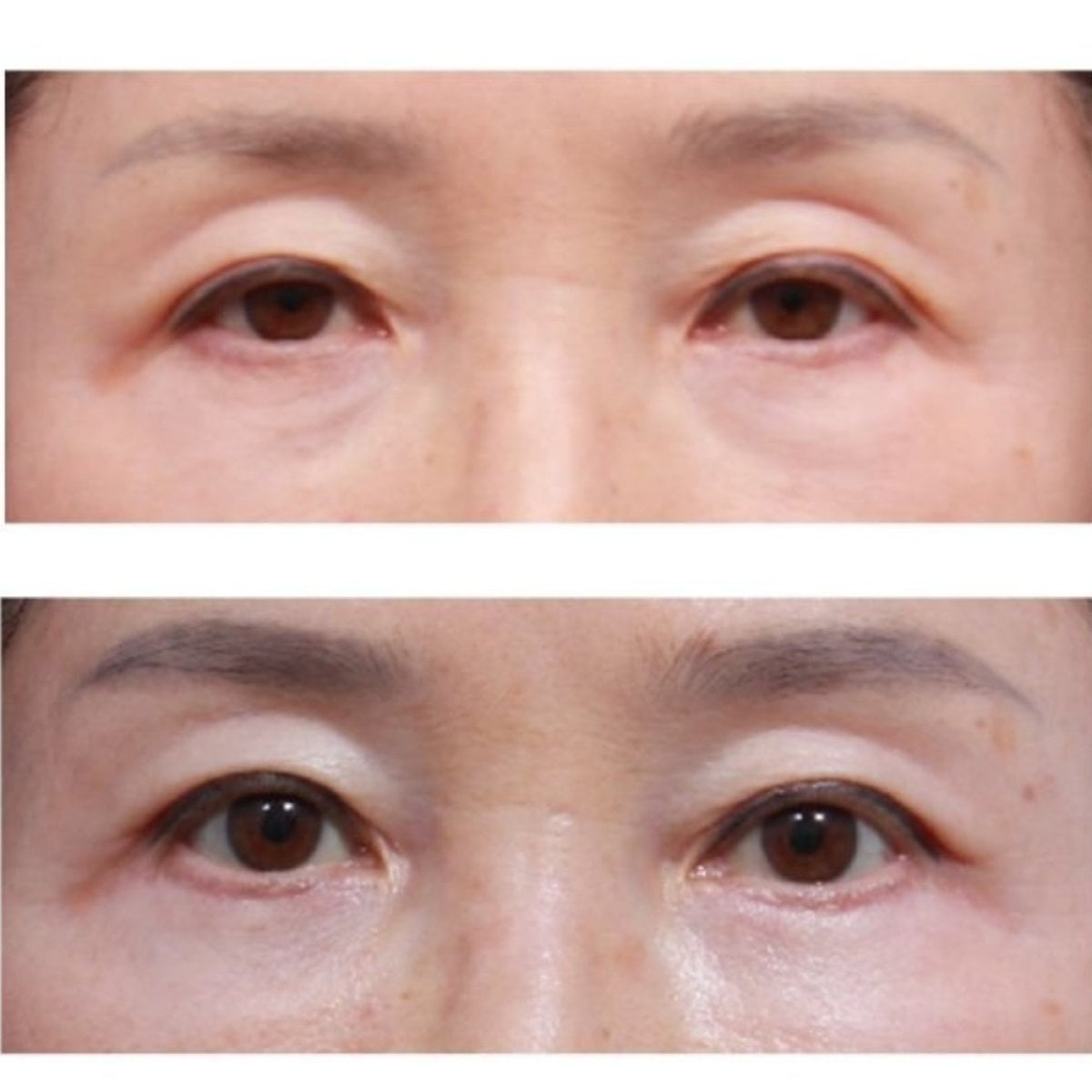
Lower eyelid blepharoplasty in South Korea is frequently combined with other facial surgeries. The aim is to improve facial harmony. Surgeons often perform fat repositioning, fat grafting, or upper eyelid surgery simultaneously. Top Seoul clinics like AB Plastic Surgery and VG Plastic Surgery offer these combinations. They address under-eye hollows and eyelid sagging in one session.
Bookimed Expert Insight: Many Seoul centres like AB Plastic Surgery house 30+ specialists for full-face transformations. However, some elite surgeons focus exclusively on eyes. For example, Dr Kim Joo Bong at HERSHE Plastic Surgery has focused on eye rejuvenation for 30+ years. Choosing a specialist-only clinic is ideal for precision. Multi-specialty hospitals are better for combining blepharoplasty with rhinoplasty or facelifts.
Patient Consensus: Australian patients found that combining lower blepharoplasty with fat repositioning in Seoul achieved incredibly natural results. The outcomes compared favourably to local options. Many noted that these combined procedures cost between A$1,500 and A$2,200. This is significantly more affordable than Australian quotes for single surgeries.
Korea specialises in lower eyelid blepharoplasty with fat repositioning. This technique eliminates under-eye bags through internal incisions. Techniques at Seoul clinics achieve natural results with high success rates and minimal external scarring. Leading clinics include HERSHE Plastic Surgery Korea and JK Plastic Surgery Center.
Bookimed Expert Insight: Korean clinics provide a level of specialisation rarely seen elsewhere. Specialists like Dr Yong Woo Kim at Returning Plastic Surgery focus heavily on oculoplastics. This concentration allows surgeons to perform thousands of eye-specific cases. This results in incredibly high success rates—94.3% at top-tier Seoul facilities.
Patient Consensus: Patients from Australia frequently choose Korea for fat repositioning and transfer techniques. These create a seamless, youthful transition between the eye and cheek. Results look natural within two weeks. The presence of English-speaking translators makes the surgical journey through Seoul effortless.
Consulting for lower eyelid blepharoplasty in Korea requires asking about fat repositioning techniques, surgeon credentials, and "ghost doctor" prevention. Patients should confirm if the surgeon prioritises transconjunctival or subciliary approaches.
Bookimed Expert Insight: Many Seoul clinics like Hivom offer zero-day hospital stays. Others like HERSHE require a 6-day local hotel stay for monitoring. Dr Kim Joo Bong at HERSHE maintains a 94.3% success rate for blepharoplasty. This suggests that longer post-op observation correlates with high-quality outcomes for international patients.
Patient Consensus: Patients in Korea recommend letting surgeons choose the technique based on anatomy. They advise against following trends. They highlight the importance of viewing photos of other international patients. This helps set realistic expectations for the final look.
Surgeons in Korea frequently combine lower and upper eyelid surgery to achieve a balanced, rejuvenated look. They routinely perform these procedures together, often called dual blepharoplasty, to address sagging lids and under-eye bags. One session under local anaesthesia with sedation is typical.
Bookimed Expert Insight: Specialists in Seoul often recommend fat repositioning during lower blepharoplasty rather than simple removal. This preserves volume and prevents a hollow look. Clinics like AB Plastic Surgery maintain a higher-than-average ratio of anaesthetists. This is vital for safety during combined surgical sessions.
Patient Consensus: Patients in the Republic of Korea appreciate that surgeons often bundle ptosis correction with eyelid surgery for more functional results. Combining these procedures makes the trip cost-effective. It also delivers a consistent aesthetic outcome across the entire eye area.