Upper eyelid surgery in the Republic of Korea typically costs between AUD $2,600 and AUD $3,300. Final prices depend on the chosen technique (incisional vs non-incisional), surgeon seniority in districts like Gangnam, and any combined corrections. Patients from Australia save approximately 70% compared to local prices, where the procedure average is AUD $9,900. Inclusions often cover consultations, anaesthetic fees, post-operative medications, and follow-up stitch removal.
Bookimed Expert Insight: While many clinics offer lower entry prices, premium hubs like JK Plastic Surgery Center focus on high-volume success with over 85,000 procedures performed. Australian patients often find better value in bundles at specialised centres. For example, Hivom Plastic Surgery Clinic offers packages starting around A$1,200. These standard deals often include multiple eye-related procedures, providing a more balanced facial result for a single price.
| Republic of Korea | Thailand | Turkey | |
| Upper Eyelid Surgery | from AUD $2,600 | from AUD $1,300 | from AUD $1,900 |
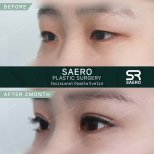
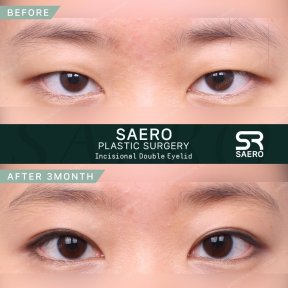
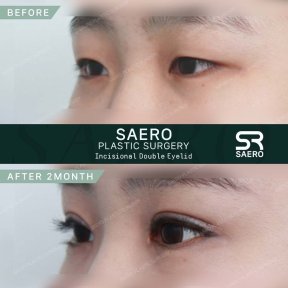
Professor Park Young Kyu is a highly regarded plastic surgeon who has performed over 1,100 successful procedures at SAERO Plastic Surgery in Seoul.
Dr Yong Woo Kim achieved the highest score on the Korean Society of Plastic and Reconstructive Surgeons residency exam and has performed over 900 treatments.
Dr. Im Young Min is the board-certified chief physician at VG Plastic Surgery in Seoul. He specializes in facial and body procedures, with a focus on natural, balanced outcomes. Dr. Im has appeared on the TV show Dream Come True.
Dr. Yang Jong Phil is a board-certified plastic surgeon at VG Plastic Surgery in Seoul. He specializes in facial bone contouring, rhinoplasty, and blepharoplasty. He completed a clinical fellowship at the University of Chicago Medical Center. Dr. Yang is an active member of the American Society for Aesthetic Plastic Surgery (ASAPS).
Upper eyelid surgery in Korea involves standard surgical risks including asymmetry, dry eyes, and infection. Patients face specific regional concerns like ghost doctors and over-correction, which can result in a sunken appearance. Choosing board-certified surgeons in clinics with university-grade safety systems significantly reduces these potential complications.
Bookimed Expert Insight: While many Gangnam clinics operate at high volumes, top-tier centres like AB Plastic Surgery maintain an anaesthesiology specialist ratio double the industry average. This focus on safety infrastructure, alongside 24-hour CCTV in operating theatres, is the most reliable way to avoid the unethical ghost doctor practices sometimes reported in smaller facilities.
Patient Consensus: Expect temporary blindness from swelling and tearing for several days. Explicitly tell the surgeon not to remove too much fat to avoid a sunken, aged look in the Republic of Korea.
Choosing an upper eyelid surgery clinic in Korea requires prioritising board-certified specialists. They should have high procedural volumes in Seoul districts like Gangnam.
Patients should verify membership in the Korean Society of Plastic and Reconstructive Surgeons (KSPRS). They should also confirm the surgeon performs 900+ eyelid procedures annually.
Bookimed Expert Insight: While large hospitals serve high volumes, smaller boutique clinics often provide superior safety. They achieve this through “one-doctor” systems. Data shows centres like SAERO or Returning Plastic Surgery prevent “ghost surgeons”. They do this by having a single lead specialist manage every case from consultation through to theatre.
Patient Consensus: Patients in Seoul recommend bringing reference photos to bridge cultural beauty standards. They also advise booking consultations four months early. They found that smaller, specialised clinics often offer more personalised care. Patients also feel less pressure there than at large celebrity-focused hospitals.
Good candidates for upper eyelid surgery in Korea include adults with sagging skin, heavy fat deposits, or hooded eyelids. These conditions can create a tired appearance or obstructed vision. The procedure is also ideal for younger patients seeking double eyelid creation. It suits those needing ptosis correction to fix weak eye muscles.
Bookimed Expert Insight: Korean specialists frequently recommend a ptosis lift alongside standard skin removal. This gives a more natural look. Without addressing muscle weakness, patients often experience a heavy "sticker" eyelid appearance. Board-certified surgeons like Dr. Park Young Kyu at SAERO Plastic Surgery even include hyperbaric oxygen therapy. This accelerates recovery for international patients.
Patient Consensus: Eyelid surgery in Korea effectively addresses tired-looking eyes caused by fat or skin folds. Patients suggest defining aesthetic goals clearly during consultations. They also recommend allowing 3–4 months for results to look fully natural.
Upper eyelid surgery results in Korea generally last between 5 and 10 years for suture methods. Incisional techniques, however, are often considered permanent. The surgery removes excess tissue. However, natural aging continues to affect skin laxity and fat distribution over decades. Final results typically stabilise within 3 to 6 months.
Bookimed Expert Insight: Data from centres like HERSHE Plastic Surgery reveals a 94.3% success rate for eyelid procedures. Many seek the non-incisional method for fast recovery. However, surgeons like Dr Park Young Kyu often recommend the incisional approach for patients with thicker eyelids. This helps prevent the results from fading or loosening within the first 24 months.
Patient Consensus: Patients in Korea report that initial swelling hides the true shape. However, the crease looks completely natural after 6 months. Most feel the result is stable and integrated into their features by one year.
Natural results for upper eyelid surgery in the Republic of Korea are achievable through specialised tailoring to individual eye anatomy. Korean surgeons prioritise subtle, refreshed appearances. They use non-incisional natural adhesion or precise incisional methods to create balanced creases. These creases avoid a surgical look while correcting droopy tissues.
Bookimed Expert Insight: Many international patients, including Australians, choose Seoul clinics like HERSHE for their reported 94.3% success rates. The most natural outcomes appear when patients allow surgeons to choose the technique. Surgeons base this choice on eyelid tension, not on patients requesting specific incisional types.
Patient Consensus: Eyes typically look natural after 1 month, though final settling takes 3 months in Korea. Results feel balanced and refreshed without looking like a different person.
Traditional upper blepharoplasty removes excess skin, fat, and muscle to correct drooping or hooded lids. Korean double eyelid surgery specifically creates a supratarsal crease in eyelids that lack one, widening the eye. Both procedures are available at Seoul clinics from $1,800 to $2,300.
Bookimed Expert Insight: Price data reveals that incisional eyelid correction in Seoul often costs the same as non-incisional methods. The cost is roughly A$3,100. Non-incisional techniques leave no visible scar and offer quicker recovery. Therefore, they are becoming the standard for patients with thinner eyelid skin.
Patient Consensus: Eyelid surgery results take 3–6 months to stabilise fully in Republic of Korea. Most patients can navigate the city safely after 2–3 days of downtime. This is possible once initial swelling subsides.