How Much Does Lower Eyelid Blepharoplasty Cost in Thailand in AUD?
Lower eyelid blepharoplasty in Thailand typically costs from AUD $1,400 / ฿34,000 to AUD $2,600 / ฿61,200. Final costs depend on the surgical technique, such as scarless transconjunctival approaches or fat repositioning. Patients travelling from Australia, where this procedure costs AUD $8,900 / ฿210,800 on average, can expect savings of approximately 77%. Packages often include surgeon fees, local anaesthesia, post-operative medications, and clinic transfers in hubs like Bangkok.
Technique used: Advanced scarless or fat repositioning methods typically add 15–20% to the base price.
Anaesthesia type: Choosing general anaesthesia instead of local anaesthesia increases the facility fee significantly.
Clinic accreditation: JCI-accredited hospitals in Bangkok often charge 15–20% more than smaller boutique clinics.
Combined procedures: Combining upper and lower eyelid surgery typically results in a lower total package price.
Bookimed Expert Insight: Paying for a premium package in Thailand often yields higher value than choosing basic options. Packages at clinics like Asia Cosmetic Hospital often include 6-month follow-up care and specialist consultations for roughly A$2,000. For complex cases, choosing experienced surgeons like Dr Phatcharasak Kraisornphongsakul, who has performed over 20,000 procedures, provides additional peace of mind for Australian patients seeking professional results.
Data verified by Bookimed as of October 2026, based on patient requests and official quotes from 204 clinics worldwide. Median costs are based on real invoices (2025–2026) and updated monthly. Actual prices may vary.
Best Lower Eyelid Blepharoplasty Clinics in Thailand for Australians: 6 Verified Options and AUD Prices
A Fox Eye Lift is a cosmetic surgery that subtly elevates the outer corners of the eyes, creating an almond-shaped appearance, with minimal recovery time required.
Reshaping of the outer corners of the eyes to achieve an almond-like appearance, enhancing eye symmetry and aesthetic appeal, with minimal recovery time.
This cosmetic procedure reshapes the eyes to achieve a more elongated, almond-like appearance by adjusting eyelid positioning, enhancing facial harmony and symmetry.
How to find best offer with Bookimed?
Discover options on the website: deals, clinics, and doctors.
Select your favourites.
Share photos or describe your issue.
Send a request.
Receive free offers for your needs with prices and details.
Compare and finalise your choice.
Book your clinic visit.
Pay at the clinic. Bookimed fees are $0 for you.
From start to finish, the Bookimed coordinator keeps you safe and comfortable during your medical journey.
100% free, non-binding assessment of your case after photos download.
Instant FREE personalised offers to make the right choice.
Expert guidance in choosing the perfect Plastic Surgery doctor and clinic.
Special packages and exclusive prices for our patients.
24/7 Bookimed guidance at no cost, guaranteed.
Hassle-free translation of your medical documents for clinics.
Multilingual staff — no language barrier with Bookimed coordinator.
Bookimed ensures transparent and secure payments. Patients pay at the clinic with no additional fees.
Dr. Thanakom Laisakul is a plastic surgeon at Asia Cosmetic Hospital in Bangkok. He is a member of the International Society of Aesthetic Plastic Surgery (ISAPS). He specializes in breast aesthetics, body contouring, and facial rejuvenation. Dr. Laisakul trained at Mahidol University and held a leadership role at Trang Hospital.
Holds board certifications in both plastic and general surgery from the Thai Medical Council.
Completed surgical training and fellowships across the USA, South Korea, Australia, and Singapore.
Treats patients at JCI-accredited Asia Cosmetic Hospital, which has a 0% complication rate.
Performs Vaser liposuction, mommy makeovers, and complex breast implant revisions.
28 years of experience • 15000+ treatments performed
Dr Tanongsak Panyawirunroj is a specialist plastic surgeon who honed his skills through elite international fellowships in Taiwan, South Korea, and Canada. He currently leads aesthetic procedures at Asia Cosmetic Hospital in Bangkok.
Completed a dedicated fellowship in craniofacial and cosmetic surgery at Chang Gung Memorial Hospital
Earned a certificate in paediatric plastic surgery from IWK Children's Hospital in Canada
Recognised as an official representative of the Korean Society of Plastic Surgeons
Holds diplomas in both general surgery and plastic surgery from Siriraj Hospital Medical College
Specialises in facial rejuvenation including meticulous blepharoplasty and rhinoplasty techniques
Dr Saran Wannachamras performs oculoplastic procedures at Wansiri Hospital with a focus on reconstructive and aesthetic outcomes. He holds advanced surgical credentials from Chulalongkorn University and specialised training from the United States.
Member of the Society of Plastic Aesthetic Surgeons of Thailand
Fellowship trained in plastic surgery at the Eastern Virginia Medical School, USA
Full member of the Royal College of Surgeons of Thailand in cosmetic surgery
Registered with the International College of Surgeons for plastic and reconstructive work
Member of the Oriental Society of Aesthetic Plastic Surgery
Video Stories from Bookimed Patients
Karen
I traveled from Chile to Korea for plastic surgery and I'm already in love with my new look.
Procedure: Facelift
Véronique
If you're considering a change, definitely look into Bookimed. They made the whole process a breeze.
Procedure: Blepharoplasty (Eyelid correction)
Reviews about Bookimed: Discover Patients' Insights
Was everything I expected. I’m very happy with the results and the DR who performed my op. Nurses were helpful and friendly. Big thank you to Tatiana who helped me co ordinate from Australia, and Mia from ID clinic who was also very helpful. Thanks Team would definitely recommend.
Surgery outcome and chosen Doctor
Mariefran Lozada • Lower Eyelid Blepharoplasty
United States of America
27 Feb 2026
Verified review.
Overall experience was positive
Overall experience was positive. Staff were friendly. Questions were answered timely. Transportation was provided to/ from airport and all medical appointments. Doctor is highly trained and answered all my questions.
Clinic was clean. Service c was exceptional
About Bookimed service
Winnington was my consultant. He answered all my questions and was understanding of my concerns. He coordinated and communicated well my pre_op and all my treatment plan between me and the clinic. Overall, was a positive experience.
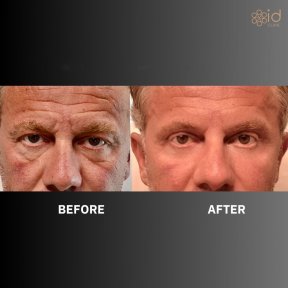
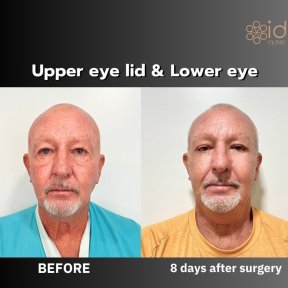
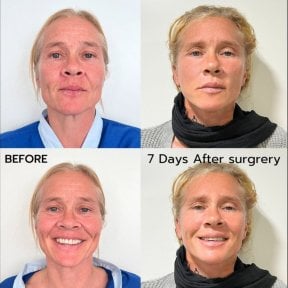
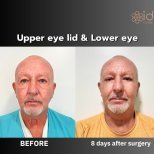
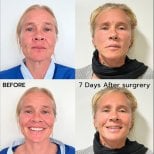
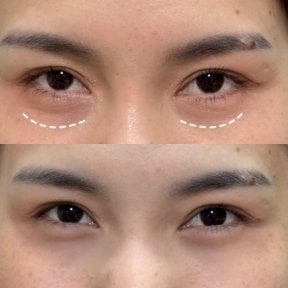
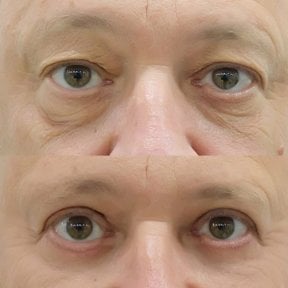
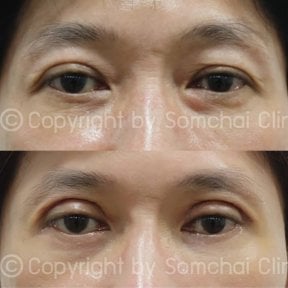
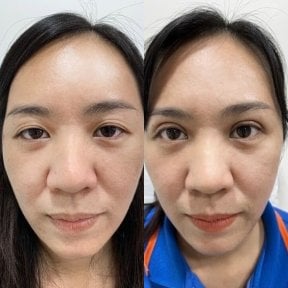
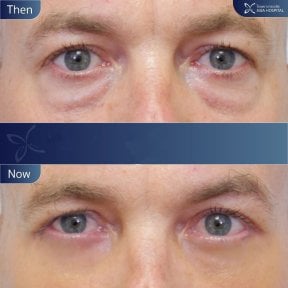
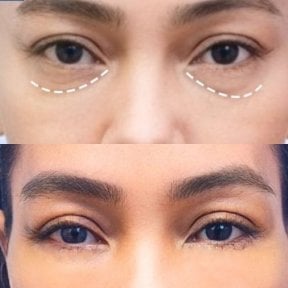
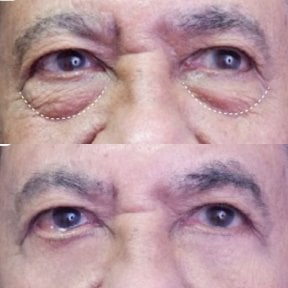
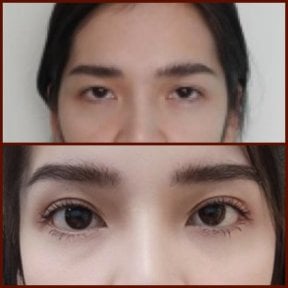
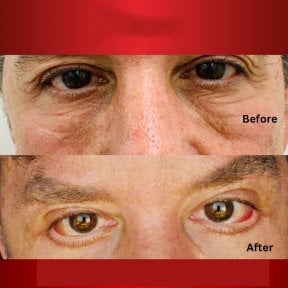
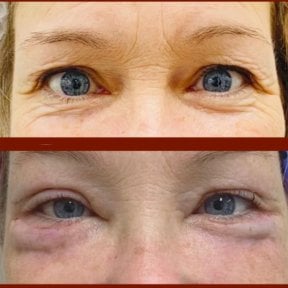
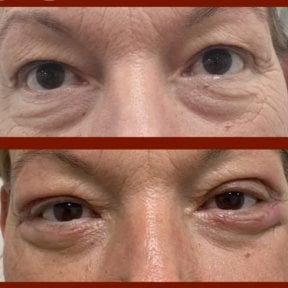
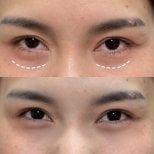
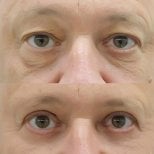
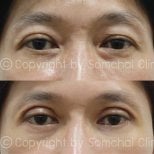
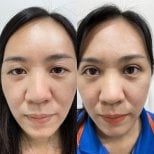
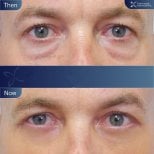
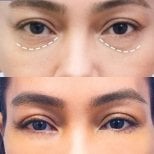
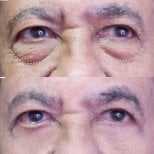
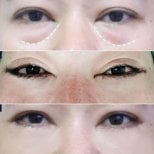
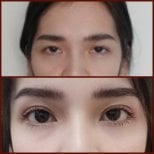
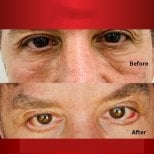
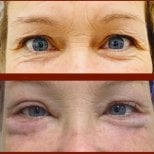
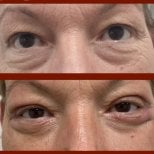
Lower Eyelid Blepharoplasty: Before & after photos
A certified medical writer with 10+ years of experience, developed Bookimed’s trusted content, backed by a Master’s in Philology and medical expert interviews worldwide.
General practitioner. Winner of 4 scientific awards. Served in Western Asia. Former Team Leader of a medical team supporting Arabic-speaking patients. Now responsible for data processing and medical content accuracy.
This page may feature information relating to various medical conditions, treatments, and healthcare services available in different countries. Please be advised that the content is provided for informational purposes only and should not be construed as medical advice or guidance. Please consult with your doctor or a qualified medical professional before starting or changing medical treatment.
FAQ about Lower Eyelid Blepharoplasty in Thailand
These FAQs come from real patients seeking medical assistance through Bookimed. Answers are given by experienced medical coordinators and trusted clinic representatives.
Is it safe to have lower eyelid blepharoplasty surgery in Thailand?
Lower eyelid blepharoplasty surgery in Thailand is safe when performed by surgeons certified by the Royal College of Surgeons of Thailand. Leading Bangkok facilities, such as Asia Cosmetic Hospital and Bumrungrad International Hospital, maintain JCI accreditation. They use sterile theatres with HEPA filtration.
Experienced specialists: Dr Phatcharasak Kraisornphongsakul at ID Clinic Bangkok has performed 20,000+ procedures.
Rigorous credentials: Dr Tanongsak Panyawirunroj at Asia Cosmetic Hospital holds multiple international surgical diplomas.
Clinical technology: Hospitals like Lelux use HEPA air filtration and specialised plastic surgery instruments.
Patient volume: Major Bangkok centres serve over 1,000 international plastic surgery patients annually.
Bookimed Expert Insight: Thai clinics often provide higher safety margins by using full surgical teams for eyelid procedures. Asia Cosmetic Hospital reports a 0% complication rate. Dr Warangkana Chaivong at Wansiri Hospital holds specific Korean oculoplastic certificates for complex eye bag removal.
Patient Consensus: Patients from Australia report that the surgical results met or exceeded expectations. They found the inclusion of airport transfers and post-operative medications provided a smooth recovery in Thailand.
What are the potential risks or complications of lower eyelid blepharoplasty in Thailand?
Lower lid blepharoplasty in Thailand involves standard surgical risks like ectropion. This happens when the lid sags away from the eye. Other risks include potential vision issues from internal pressure. Choosing JCI-accredited facilities helps manage these concerns through rigorous safety protocols. Examples include Asia Cosmetic Hospital or Yanhee International Hospital.
Lid malposition: Drooping or pulling down of the lower lid if skin excision is excessive.
Vision changes: Rare bleeding behind the eye may cause pressure or temporary double vision.
Asymmetric healing: One eye may recover faster or look slightly different than the other.
Hollow appearance: Over-removal of fat pockets can result in a sunken, aged look.
Dry eye: Temporary irritation occurs if the lid does not close perfectly during recovery.
Bookimed Expert Insight: Thailand’s high-volume centres often report zero-complication records for eyelid surgery. This is due to extensive surgeon experience. Dr Phatcharasak Kraisornphongsakul at ID Clinic has performed 20,000+ procedures. Such repetitive precision significantly lowers the risk of common errors like over-correction.
Patient Consensus: Patients from Australia appreciate the clear communication and friendly nursing staff. These teams help manage post-operative swelling and care. Reliable airport and clinic transfers in Thailand make attending essential follow-up appointments much easier.
How do I choose the best clinic and surgeon for lower eyelid blepharoplasty in Thailand?
To choose the best provider in Thailand, patients must verify surgical experience and international accreditations like JCI and ISO. Leading Bangkok clinics serve over 450,000 patients annually. They use specialised surgeons like Dr Phatcharasak Kraisornphongsakul, who has performed over 20,000 procedures at ID Clinic.
Surgeon credentials: Verify board certification and specific training. Look for courses like Australian-based facial anatomy training.
Clinical standards: Prioritise facilities with JCI accreditation and HEPA-filtered operating theatres for safety.
Specific expertise: Choose surgeons with 15,000+ personal operations to manage complex lower eyelid anatomy.
Patient support: Look for packages including transfers and English-speaking coordinators for easier travel logistics.
Bookimed Expert Insight: Many clinics offer scarless techniques. However, Australians often find the best value by combining upper and lower blepharoplasty. DGB Clinic serves around 1,000 international patients annually. Their combined packages often include general anaesthesia and post-op meds. This reduces the need for multiple recovery periods.
Patient Consensus: Patients from Australia highly value clinics that provide dedicated coordinators and airport transfers. They report satisfaction when surgeons are well trained and staff assist with every appointment in Thailand.
Who is a suitable candidate for a lower eyelid lift in Thailand?
Suitable candidates for a lower eyelid lift in Thailand are healthy adults with eye bags, loose skin, or puffiness. These issues must persist despite sleep or skincare. Ideal patients seek to fix structural issues like lid laxity. They often choose specialised techniques like scarless transconjunctival or fat-repositioning surgery.
Physical profile: Best for individuals with visible eye bags, hollow tear troughs, or saggy skin.
Structural issues: Surgery targets protruding fat pads and lid laxity rather than general dark circles.
Health requirements: Patients must be in good health with stable blood pressure and no chronic dry eyes.
Lifestyle commitment: Candidates must avoid alcohol and smoking for two weeks before and after the procedure.
Bookimed Expert Insight: Thai clinics offer specialised options like the transconjunctival approach. This method removes fat through the inner eyelid to avoid external scars. Surgeons like Dr Phatcharasak Kraisornphongsakul at ID Clinic Bangkok have performed 20,000+ procedures. This depth of experience reduces the risk of asymmetry or over-correction.
Patient Consensus: Patients in Thailand appreciate how surgeons address fat prolapse while coordinating seamless airport transfers. Many describe the experience as professional. Staff provide timely answers and helpful support throughout the initial seven-day recovery period.
What is the difference between transconjunctival and traditional lower eyelid blepharoplasty techniques in Thailand?
In Thailand, transconjunctival blepharoplasty involves an incision inside the lower lid. This removes fat without visible scarring. The traditional transcutaneous technique uses an external incision below the lash line. This addresses both bulging fat and sagging skin. Choice depends on skin elasticity and surgical goals.
Incision location: Transconjunctival incisions are hidden inside the lid; traditional incisions sit externally.
Clinical suitability: Transconjunctival suits younger patients with bags; traditional addresses excess skin laxity.
Scarring profile: Thai specialists label the transconjunctival approach as a scarless technique.
Support structures: Interior incisions preserve the orbicularis muscle. This reduces risks of eyelid drooping.
Bookimed Expert Insight: Costs for both range from $1,000 to $1,800. However, surgeon experience varies significantly. Senior surgeons like Dr Phatcharasak Kraisornphongsakul at ID Clinic have performed 20,000+ procedures. Patients should prioritise high-volume doctors even for the simpler scarless technique.
Patient Consensus: Younger patients in Thailand report high satisfaction with the scarless interior approach. Those with loose skin recommend the traditional method for more complete rejuvenation. Australian patients often find inclusive clinic transfers make the recovery process much smoother.
How long do I need to stay in Thailand after lower eyelid blepharoplasty?
Patients should plan to stay in Thailand for 7 to 10 days after lower eyelid blepharoplasty. This period allows surgeons to remove sutures and monitor initial healing. It also lets swelling settle before the return flight. Most JCI-accredited Bangkok clinics provide travel clearance during a final 10-day check-up.
Suture removal: Surgeons typically remove stitches between day 7 and day 10 post-surgery.
Hospital stay: Most patients require no hospital stay or a single overnight observation.
Initial recovery: Visible bruising and swelling usually peak within the first 3 to 10 days.
Travel clearance: International patients receive medical clearance to fly after their final face-to-face review.
Bookimed Expert Insight: While basic recovery takes 7 days, clinics like DGB Clinic recommend a 7-day hotel stay. Surgeons like Dr Phatcharasak Kraisornphongsakul have performed 20,000+ procedures. They use scarless techniques that can help reduce visible downtime during this stay.
Patient Consensus: Planning 10 to 14 days in Thailand allows bruising to settle comfortably before flying. Patients often find dry eyes and swelling more significant than pain during the first week.
What is the recovery time for lower eyelid blepharoplasty in Thailand?
Recovery for lower eyelid blepharoplasty in Thailand takes 7–10 days. Most patients return to light activities after this period. Swelling and bruising typically subside within 2–3 weeks. Full tissue settling and final results often take 3–6 months. Specialist clinics in Bangkok provide post-operative care monitoring.
Social downtime: Swelling and bruising generally peak around day 3 and fade by day 14.
Suture removal: Surgeons usually remove stitches 5–7 days after the procedure for proper healing.
Activity limits: Avoid strenuous exercise and heavy lifting for at least 3 weeks after surgery.
Travel window: Clinics recommend staying in Thailand for 7–10 days before flying home to Australia.
Bookimed Expert Insight: Bookimed data shows high-volume surgeons like Dr Phatcharasak Kraisornphongsakul have performed 20,000+ operations. This level of experience often leads to more efficient surgery and refined techniques. Some Bangkok clinics even offer scarless or scar-hiding methods to reduce visible recovery signs.
Patient Consensus: Patients in Thailand recommend allowing 1–2 weeks for swelling to settle before flying or sightseeing. Many found that booking extra buffer days and arranging telehealth follow-ups helped them feel more confident.