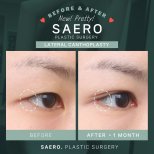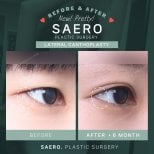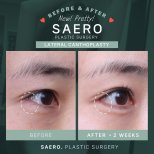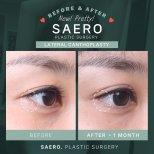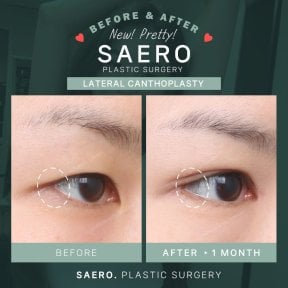
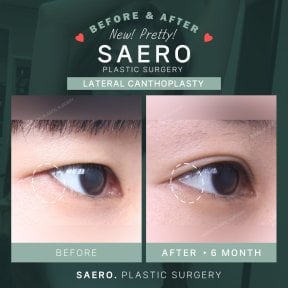
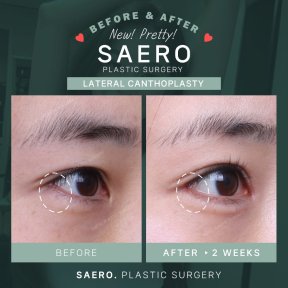
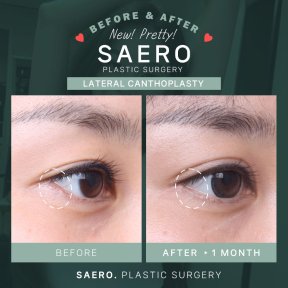
Cat Eye Surgery (Canthoplasty) in the Republic of Korea typically costs from AUD $3,700. Prices correlate with the surgical technique used, the complexity of revisions, and the clinic location. Patients save around 54% compared to the average Australian cost of AUD $8,200. Quotes usually cover sedation anaesthesia, pre-operative exams, and initial deswelling treatments.
Bookimed Expert Insight: Choosing a Seoul clinic often provides access to surgeons with extremely high patient volumes. Dr. Yong Woo Kim at Returning Plastic Surgery has performed over 1,000 procedures and holds ASPS membership. For those seeking complex repairs, specialists like Dr. Seung-hyung Noh at Seoul Miz Hospital focus specifically on revision cases. This deep specialisation helps Australians achieve precise results while saving significantly on private fees.
| Republic of Korea | Thailand | Turkey | |
| Cat Eye Surgery (Canthoplasty) | from AUD $3,700 | from AUD $2,700 | from AUD $2,300 |
Dr. Park Young Kyu is a plastic surgeon at SAERO Plastic Surgery in Seoul. He graduated summa cum laude from Hallym University. Dr. Park earned the Top Medical Resident award from the Korean Society of Plastic Surgeons. He currently serves as an adjunct professor at Gangnam Sacred Heart Hospital.
Dr Yong Woo Kim earned the highest score on the Korean Society of Plastic and Reconstructive Surgeons residency exam – marking him as a top-tier specialist in his field.
Dr. Yang Jong Phil is a board-certified plastic surgeon at VG Plastic Surgery in Seoul. He specializes in facial bone contouring, rhinoplasty, and blepharoplasty. He completed a clinical fellowship at the University of Chicago Medical Center. Dr. Yang is an active member of the American Society for Aesthetic Plastic Surgery (ASAPS).
Dr. Jun Young Kim is a board-certified plastic surgeon and the Medical Director of WillBe Plastic Surgery Clinic. He earned his MD at Yonsei University College of Medicine. He completed his plastic surgery residency at Yonsei Medical Center. He holds medical licenses in the United States and Vietnam. He has worked at leading clinics in Korea.
He completed advanced plastic and reconstructive fellowships at the University of Tokyo Hospital and the University of Chicago Hospital. There, he refined his skills in complex aesthetic and reconstructive procedures.
Dr. Kim has published in the Journal of Craniofacial Surgery. His work includes a study on revision medial epicanthoplasty using autologous tissue grafts and a report on secondary cleft nasal deformity correction with bioabsorbable mesh.
Cat eye surgery in South Korea carries risks including eyelid malposition, chronic dry eye, and visible scarring. Expert surgeons like Dr. Yong Woo Kim perform 1,000+ procedures. However, over-tightening the canthal tendon can lead to incomplete eye closure or permanent asymmetry between the eyes.
Bookimed Expert Insight: Expert clinics like SAERO Plastic Surgery bundle hyperbaric oxygen therapy into their packages. This combats the common risk of prolonged swelling. This technology accelerates tissue healing. It is vital for Australian patients who must fly home shortly after their procedure. High-volume centres like AB Plastic Surgery maintain a double-average anaesthesiologist ratio. This significantly reduces the risks of general anaesthesia.
Patient Consensus: Patients in Korea find recovery manageable by sleeping upright. They appreciate how surgeon care ensures eyes match perfectly. They recommend confirming pupil measurements beforehand to avoid night vision issues. They also plan for potential dry eye support after returning home.
Lateral canthoplasty in South Korea rarely causes permanent scarring or reattachment. This is the case when performed by experienced specialists. Modern techniques, such as periosteum fixation, secure the eyelid corner to the bone membrane. This prevents the tissues from shifting or growing back together during the natural healing process.
Bookimed Expert Insight: Patients often mistake temporary redness or raised tissue at 3 weeks for permanent scarring. Data from Seoul clinics shows that surgeons use specific wound-care protocols. Dr Park Young Kyu is one such surgeon. These inclusions significantly reduce the 6-month inflammatory phase common in standard eyelid surgeries.
Patient Consensus: Patients in Korea report manageable recovery, with swelling and redness that eventually fade. While sleeping upright is a common challenge, the final results usually match goals perfectly.
Most patients return to daily activities 5–7 days after canthoplasty in South Korea, following stitch removal. Initial bruising and swelling subside within 2 weeks. Achieving a natural look takes 1–3 months. Final tissue settling and scar fading may continue for up to 1 year.
Bookimed Expert Insight: While many assume a 1-week stay is enough, the most successful recoveries in Seoul involved staying 10+ days. This extra time allows surgeons like Dr Park Young Kyu to monitor the delicate eye corners closely. It also means any initial tearing or dryness is managed before the long-haul flight back to Australia.
Patient Consensus: Expect a fast return to light activity but prepare for blurry vision or sensitivity during the first 24 hours. Patients found that sleeping upright for several days helped manage swelling. Red incision marks took several months to blend perfectly with the skin.
Leading Seoul clinics such as SAERO Plastic Surgery, Returning Plastic Surgery, and AB Plastic Surgery specialise in cat eye surgery. These Gangnam-based centres use lateral canthoplasty and canthopexy to create a lifted almond shape. They often treat hundreds of international patients annually with English-speaking support.
Bookimed Expert Insight: While many clinics offer lateral canthoplasty, the best results come from surgeons who perform 1,000+ eye procedures. Dr Yong Woo Kim at Returning Plastic Surgery has reached this milestone. His experience is vital for achieving symmetry. It also keeps scars virtually invisible within the eye's natural folds.
Patient Consensus: Patients in Seoul report that sleeping upright is the most difficult part of recovery. They found that results look remarkably balanced and matched their goals. They noted this when choosing clinics with English-language aftercare.
The main difference lies in the intensity of modification. Canthoplasty surgically cuts and reconstructs the lateral canthal tendon. This gives dramatic reshaping. Canthopexy, on the other hand, uses sutures to reinforce and tighten existing structures. It does not lift or reattach the ligament. Seoul specialists use canthoplasty for a permanent Cat Eye tilt.
Bookimed Expert Insight: Many seekers focus on a single procedure. However, Bookimed data shows specialists like Dr. Seung-il Chung often use lowering lateral canthoplasty. This specific variation prioritises a softer, balanced eye shape rather than a pure upward tilt. For a true cat eye transformation, Korean surgeons frequently combine canthoplasty with other procedures. These include ptosis correction or brow lifts.
Patient Consensus: Patients in the Republic of Korea report manageable recovery times when using hyperbaric care. They suggest asking surgeons about their goals. Patients should ask if the surgeon intends to raise, shorten, or reshape corners. This is more specific than just making eyes bigger. Sleeping upright is the main post-op challenge. However, the results match their goals for symmetry.
Surgeons in Korea frequently combine canthoplasty with other procedures. This achieves a balanced almond or feline eye shape. Common pairings include double eyelid surgery, epicanthoplasty, and ptosis correction. These combinations often provide more dramatic results and are more cost-effective than performing surgeries separately.
Bookimed Expert Insight: Combining eye surgeries is efficient. However, sequencing is vital for those also wanting a nose job. Specialists like Dr Seung-il Chung at Retmus Plastic Surgery suggest performing eye procedures first. Swelling from a rhinoplasty can temporarily distort eye anatomy, making precise canthoplasty adjustments difficult to judge.
Patient Consensus: Many find South Korea ideal for combining lateral canthoplasty with ptosis correction. Patients report manageable recovery when sleeping upright, though results can take months to settle fully.