67 Best Injuries of bones and joints Treatment Clinics in Turkey — AUD Prices

Medically reviewed by
Kayhan Turan
How it works
What's the Cost of Injuries of bones and joints Diagnosis and Treatment in Turkey?
Injuries of bones and joints treatment cost in Turkey typically ranges from AUD $6,800 to AUD $14,900 for a shoulder replacement. Costs depend on the severity of the trauma, the use of robotic-assisted technology, and the clinic chosen. Patients generally save around 60–70% compared to private healthcare costs in Australia. Istanbul, Bursa, and Antalya are the leading cities for advanced orthopaedic care and trauma recovery.
Typical Injuries of Bones and Joints Treatment Costs in Turkey
- Consultation with an orthopedist: AUD $120 – AUD $390
- Extended analysis of blood: AUD $110 – AUD $740
- Shoulder replacement: AUD $6,800 – AUD $14,900
- Knee arthroscopy: AUD $2,700 – AUD $10,400
- Stem cell therapy for arthritis: AUD $5,300 – AUD $10,300
- Revision knee arthroplasty: AUD $9,100 – AUD $21,900
- Revision hip arthroplasty: AUD $15,100 – AUD $21,900
- Bone deformity correction surgery: AUD $9,100 – AUD $18,400
- Stem cell therapy for knees: AUD $5,300 – AUD $9,800
- ECG: AUD $33 – AUD $83
Bookimed Expert Insight: For complex reconstructions, Turan Turan Health Group is a standout for robotic-assisted surgery. They have performed over 3,500 robotic procedures, which helps improve accuracy during joint replacements. Patients needing non-surgical options can find regenerative treatments like stem cell therapy at specialist centres in Izmir. Clinics like Hisar Hospital include airport transfers and interpreters, making the process easier for international patients.
Best Injuries of bones and joints Treatment Centres in Turkey for Australians: 67 Verified Options and AUD Prices


Hisar Hospital Intercontinental
Yusuf Bayram



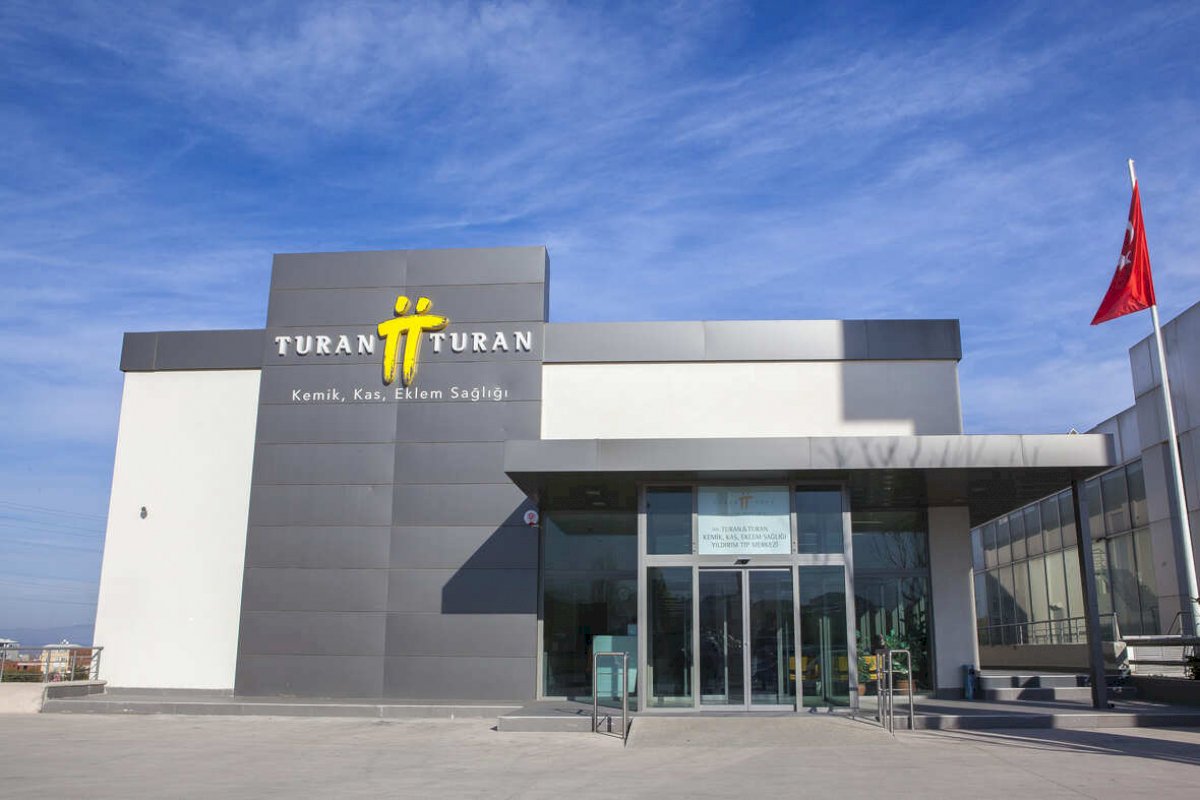
Turan Turan Health Group
Kayhan Turan


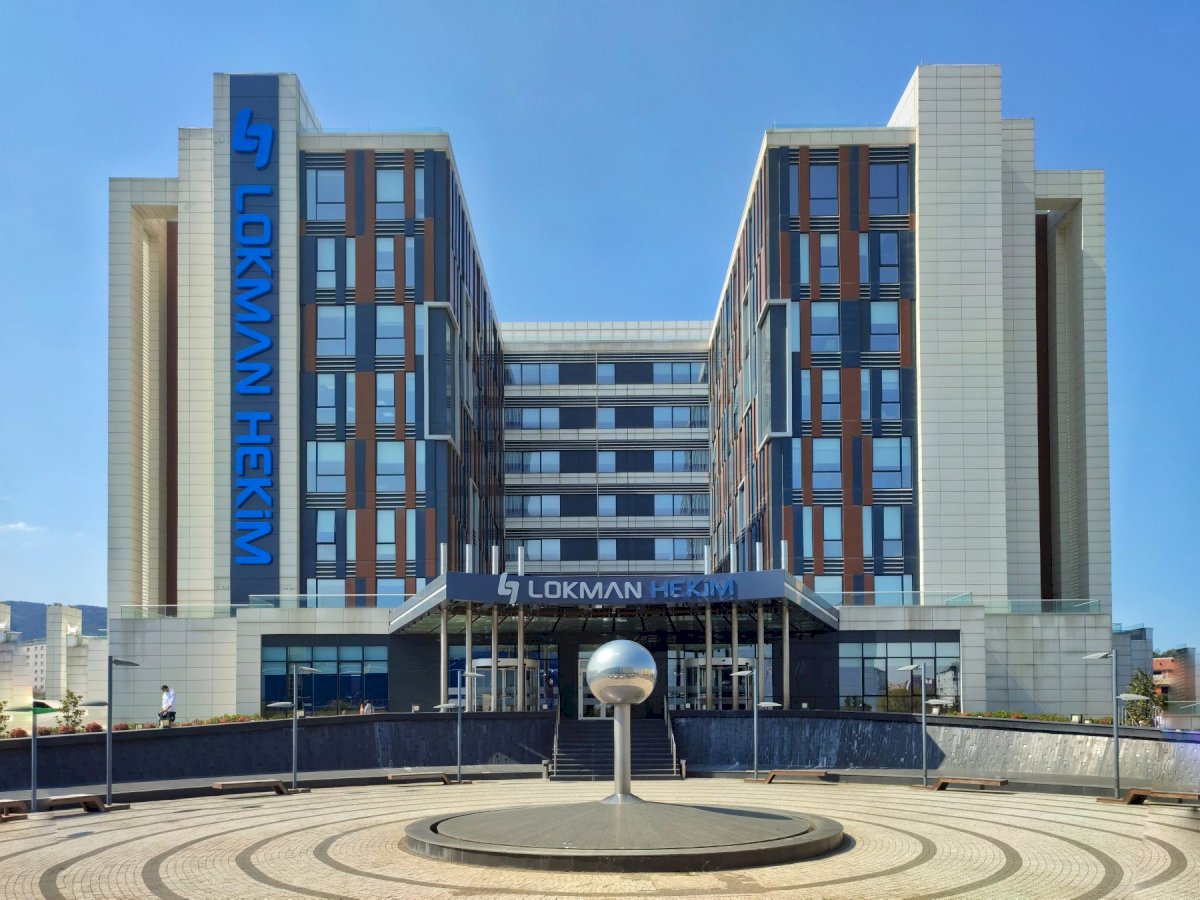
Lokman Hekim Istanbul Hospital
Yigit Erdag
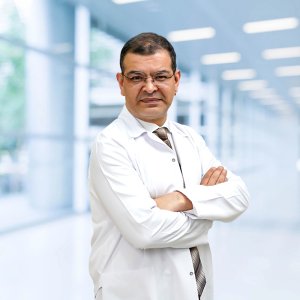



Memorial Bahçelievler Hospital
Ufuk Ozkaya




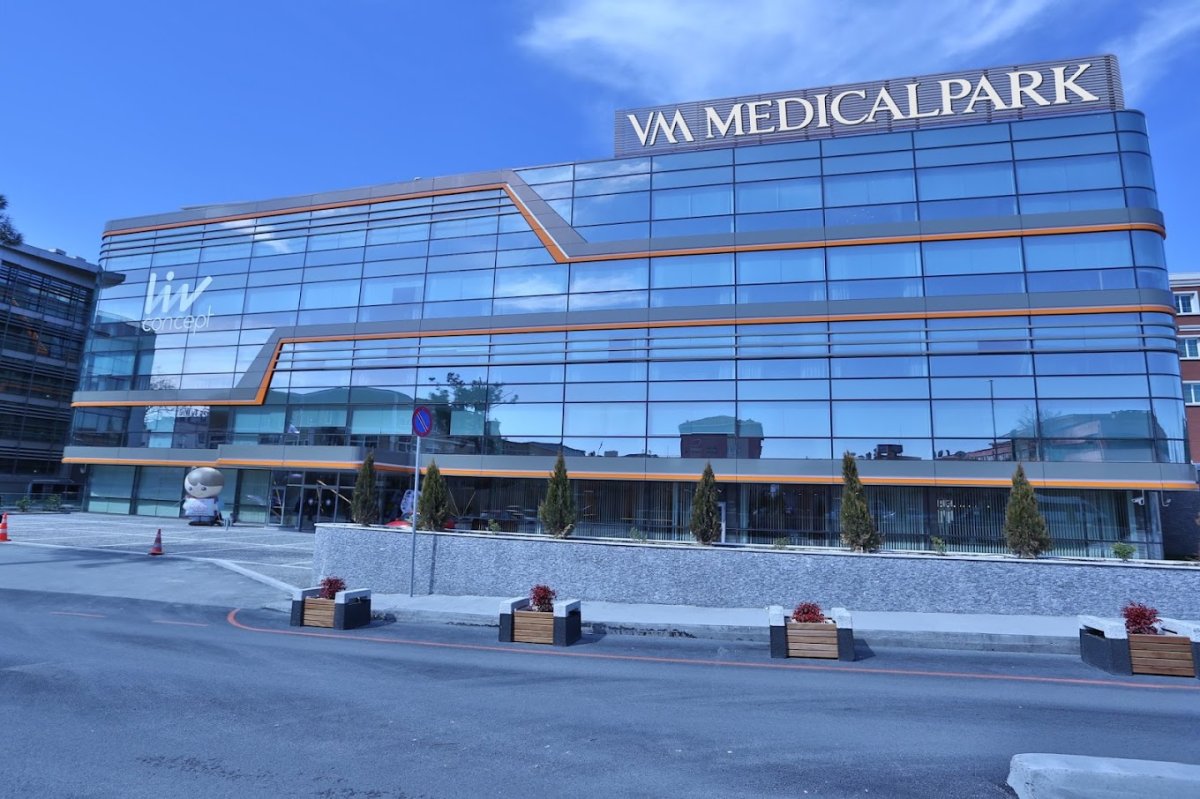
VM Medical Park Florya Hospital
Sami Sokucu


Medical Park Antalya Hospital Complex
Bahtiyar Demiralp

Get a Medical Assessment for Injuries of bones and joints Treatment in Turkey: consult with 107 experienced doctors for Australian patients now
View all Doctors
Murat Yaman
Dr. Murat Yaman is a plastic and reconstructive surgeon at Lokman Hekim Istanbul Hospital. He has performed over 1,500 rhinoplasties and 1,500 breast enlargements. Dr. Yaman also completed 500 facelifts and 1,000 liposuction procedures using VASER technology. He works at a JCI-accredited facility that treats 10,000+ patients annually.
- Specializes in tummy tucks, body contouring, and facial feminization surgery.
- Treats 500–600 patients each year for cosmetic and reconstructive needs.
- Member of the Turkish Society of Reconstructive, Aesthetic, and Plastic Surgery.
- Member of the Association of Emergency Hand and Microsurgery.

Olcay Guler
Dr. Olcay Guler is an orthopedics and traumatology specialist at Memorial Şişli Hospital in Istanbul. He manages complex bone and joint conditions within a JCI-accredited facility. Dr. Guler previously held academic roles at Altınbaş University and Medipol University. He treats patients at one of Turkey’s most active private medical centers.
- Practices at Memorial Şişli, the first hospital in Turkey to earn JCI accreditation.
- Served as a specialist at Bahçelievler Medical Park and Medipol University.
- Treats a wide variety of orthopedic injuries and musculoskeletal disorders.
- Works in a facility that hosts patients from over 160 countries annually.

Turkan Tunerir
Kayhan Turan
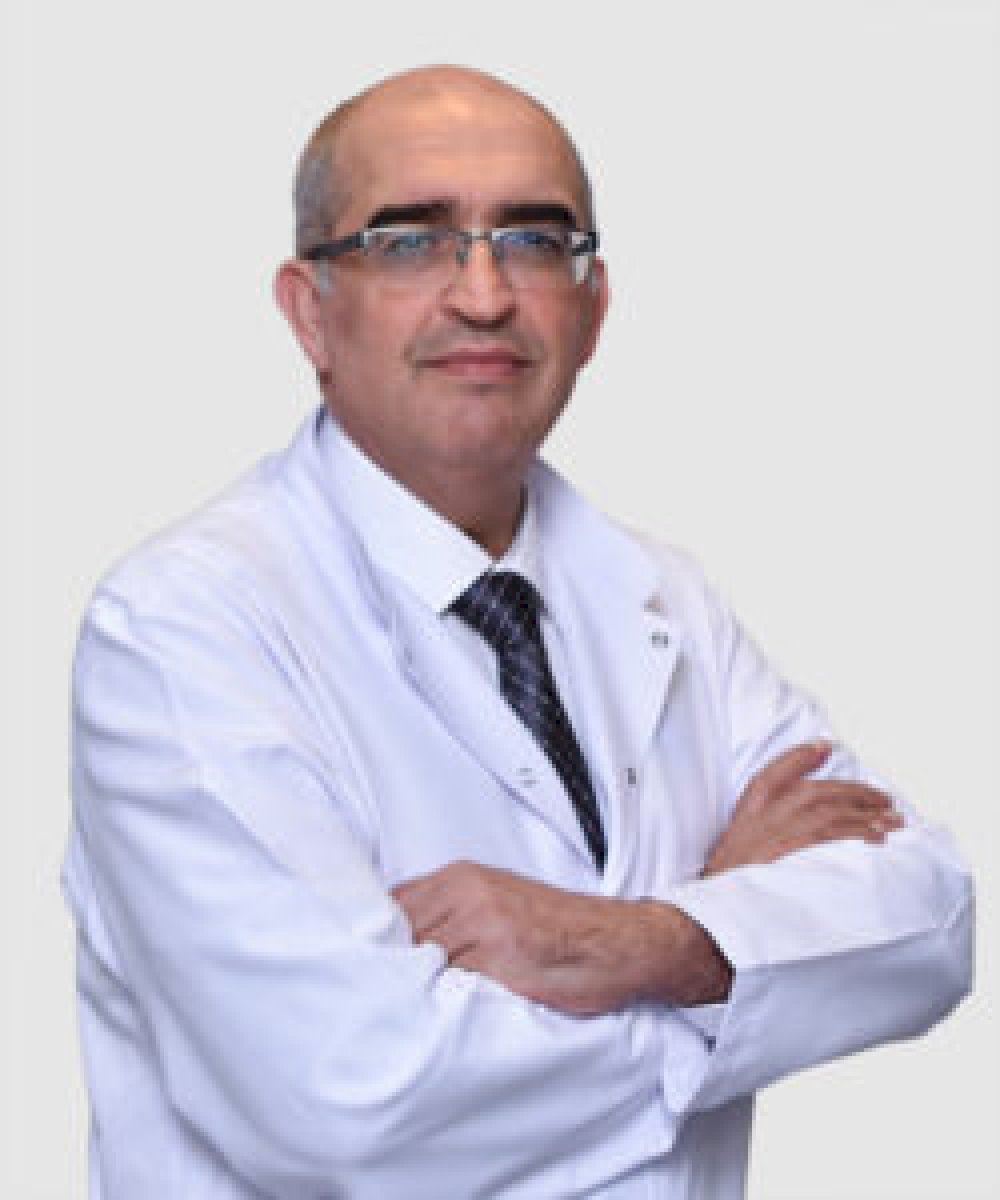
Dr. Kayhan Turan brings specialized orthopedic expertise from training at Northwestern University and Uludağ University.
- Member of the American Association of Orthopaedic Surgeons
- Specializes in arthroscopy and joint reconstruction techniques
- Affiliated with prestigious international orthopedic societies
- Extensive training in both Turkish and U.S. medical systems
Share this content
Video Stories from Bookimed Patients
 Anna Leonova
Expert Overview about Injuries of bones and joints Treatment in Turkey
How can I verify the quality of clinics for bone and joint treatment in Turkey?
Verify clinic quality by confirming Joint Commission International (JCI) accreditation. You should also check surgeon credentials through the Turkish Orthopedics and Traumatology Training Council. Seek facilities using robotic systems like Stryker Mako. Always request written post-operative care plans and implant details before scheduling surgery.
- International accreditation: Leading centres like Memorial Şişli and Anadolu Medical Center hold JCI and ISO certifications.
- Surgeon certifications: Check that surgeons are board-certified by TOTEK and hold international fellowships or memberships.
- Robotic technology: Professional clinics like Turan Turan Health Group specialise in robotic-assisted joint replacement systems.
- Established volume: Top hospitals serve over 250,000 patients annually. This demonstrates significant experience with complex cases.
Bookimed Expert Insight: Turkish orthopaedic centres like Anadolu Medical Center maintain formal affiliations with global institutions like Johns Hopkins Hospital. This link helps to follow American safety standards. Patients should look for these specific international partnerships. They often indicate high clinical governance and specialised training for the surgical team.
Patient Consensus: Patients in Turkey suggest getting full surgeon names and specific implant brands early. They note that having operative notes and discharge summaries ready is vital for follow-up support in Australia.
Why should I choose Turkey for orthopaedic treatment?
Turkey offers specialised orthopaedic care through JCI-accredited centres and surgeons. These specialists perform over 3,000 robotic procedures. Patients access techniques like MAKO robotic-assisted surgery and stem cell therapy. Specialists are trained at leading institutions. Integrated packages often include surgery, rehabilitation, and VIP logistics.
- Robotic precision: Centres like Turan Turan Health Group use MAKO robotic systems for joint replacements.
- Specialist expertise: Dr Kayhan Turan has completed over 3,500 robotic-assisted surgeries for joints.
- International standards: Memorial Şişli Hospital was Turkey's first hospital to earn JCI quality accreditation.
- Specialised biologics: Clinics provide stem cell injections for arthritis and joint injury recovery.
- Academic excellence: Anadolu Medical Center maintains a clinical affiliation with Johns Hopkins Hospital.
Bookimed Expert Insight: Many Australian patients focus on joint replacements. However, Turkey's real advantage lies in complex revision surgeries. Centres like Turan Turan Health Group specialise in Stryker MAKO robotic revisions. This technology helps correct previous implant issues with high accuracy. This care is often difficult to access quickly at home.
Patient Consensus: Patients travel to Turkey primarily for affordable care. They emphasise choosing surgeons based on specific accreditation. Having a clear rehabilitation plan helps recovery. Patients also suggest coordinating with an Australian GP before departure for better results.
Are there language barriers for Australians seeking orthopaedic treatment in Turkey?
Australian patients encounter minimal language barriers in Turkey. Major orthopaedic centres specialise in international care. Leading hospitals provide dedicated English-speaking coordinators and interpreters. Many surgeons, such as Dr Mehmet Taskoparan or Dr Fahrettin Atalmış, are fluent in English for clear communication.
- Personal coordinators: Anadolu Medical Center provides dedicated coordinators and interpreters for international patients.
- Language assistance: Most orthopaedic packages include formal language assistance and translation services.
- English-fluent specialists: Surgeons often hold international memberships, like Dr Kayhan Turan in the AANA.
- Medical documentation: JCI-accredited clinics, such as Memorial Şişli, maintain high standards for English documentation.
Bookimed Expert Insight: Language support extends beyond the operating theatre. Packages at Istinye University Medical Park include language assistance, full board and transfers. This gives patients support during 24-hour nursing care and meals. Choosing these bundles prevents communication gaps with support staff who might not be fluent.
Patient Consensus: Patients highlight that while surgeons speak perfect English, logistical staff might be less fluent. Requesting written English discharge instructions makes aftercare and physiotherapy plans clear after leaving Turkey.
What happens if I need long-term rehabilitation after orthopaedic treatment in Turkey?
Turkish orthopaedic centres provide structured recovery plans that transition from in-patient care to home-based programmes. Patients typically undergo 1–4 weeks of intensive rehabilitation in Turkey before returning to Australia. Specialists coordinate with local physiotherapists so support continues after travel.
- In-patient care: Intensive daily sessions prevent stiffness and manage pain effectively.
- Post-op support: Specialised centres like OrtoCare Clinic provide manual therapies and medical pilates.
- Clinical 24-hour nursing: Packages often include round-the-clock nursing for immediate post-surgical safety.
- Documentation: Surgeons provide detailed rehab reports for Australian GPs and local therapists.
Bookimed Expert Insight: Orthopaedic packages in Turkey vary significantly in their rehabilitation inclusions. For instance, OrtoCare Clinic bundles post-operative manual therapies directly into their A$24,200 premium packages. Conversely, specialised hubs like Turan Turan Health Group focus heavily on robotic systems. These may require separate accommodation for long-term recovery. Australian patients should check if 'hospitalisation' includes active physiotherapy or just basic recovery monitoring.
Patient Consensus: Patients find it helpful that many Turkish clinics provide language assistance and dedicated coordinators during the initial recovery phase.
What orthopaedic procedures are commonly performed in Turkey?
Turkish medical centres perform comprehensive orthopaedic procedures. These include robotic-assisted joint replacements, arthroscopic sports medicine, and stem cell therapies. Leading JCI-accredited hospitals use systems like Stryker MAKO for knee, hip, and shoulder conditions. They treat over 68,250 international patients annually.
- Joint replacements: Surgeons perform total and partial knee, hip, and shoulder arthroplasty using Zimmer Biomet implants.
- Arthroscopic surgery: Minimally invasive techniques address ACL reconstruction, meniscus repairs, and rotator cuff injuries with autografting.
- Biologic treatments: Stem cell therapy for arthritis and joint pain facilitates non-surgical recovery pathways.
- Spine surgery: Specialists provide endoscopic and percutaneous procedures for spinal fractures, scoliosis, and kyphosis management.
Bookimed Expert Insight: Turkish orthopaedic care stands out because of the high concentration of robotic expertise. Clinics like Turan Turan Health Group performed the nation's first robotic joint replacements. They now serve 18,000 patients annually. Australian patients benefit from surgeons like Dr Murat Kezer, who holds specific MAKO certification. This helps ensure precise implant positioning, which typically extends the lifespan of the prosthesis.
Patient Consensus: Patients often note the efficiency of all-inclusive arrangements in Turkey. VIP transfers and hospital stays are organised seamlessly. Those visiting centres like Memorial Şişli or Anadolu Medical Center appreciate the clear communication. This is provided by on-site interpreters and international departments.
How long do I need to stay in Turkey for orthopaedic surgery?
Orthopaedic surgery in Turkey generally requires a stay of 7 to 21 days. Minimally invasive arthroscopy often allows for a 7-day trip. Major procedures like shoulder replacements usually require 2 weeks or more. This allows for safe wound healing before flying home to Australia.
- Hospitalisation period: Major surgeries require 4–5 days in hospital for monitoring and pain management.
- Hotel recovery: Patients typically spend 5–12 more days in a hotel for follow-up checks.
- Arthroscopy timelines: Simple knee procedures may only require 1–3 days in a Turkish hospital.
- Suture removal: Specialists usually schedule staple or stitch removal 10–14 days after surgery.
Bookimed Expert Insight: Basic packages focus on hospital time. However, premium orthopaedic plans in Turkey often include 5-star hotel stays. For example, OrtoCare Clinic bundles 5 nights in a hotel with 2 hospital days. This structured recovery is vital. Surgeons like Dr Kayhan Turan, who has performed 3,500+ robotic procedures, emphasise early supervised mobilisation.
Patient Consensus: Patients note it is important to ask the surgical team for exact suture removal dates. They advise planning for surgeon-specific timing rather than a fixed stay in Turkey.
Will orthopaedic surgeons and staff in Turkey speak English?
Leading Turkish orthopaedic surgeons and staff at private centres speak fluent English. Many specialists hold international fellowships from American or European institutions. Private hospitals provide dedicated coordinators and interpreters to assist Australian patients throughout their treatment and recovery.
- Clinical training: Doctors such as Dr Kayhan Turan completed externships at Northwestern University in Chicago.
- Board certification: Specialists like Assoc. Prof. Dr Erkam Komurcu hold TOTEK board certification.
- Language assistance: Packages at Istinye University Hospital include dedicated language assistance for international patients.
- Patient coordination: Anadolu Medical Center provides personal coordinators and interpreters for clear medical communication.
Bookimed Expert Insight: Turkish clinics catering to Australians prioritise English at the coordinator level. While surgeons often have 20+ years of experience and international training, bedside staff fluency varies. Choosing a centre like Anadolu Medical Center, which is affiliated with Johns Hopkins Hospital, provides US-standard communication and personal interpreters.
Patient Consensus: Patients note that surgeons in Turkey communicate clearly regarding diagnosis and procedures. They recommend having follow-up instructions in writing. This is helpful as English support may be more limited after discharge.
How soon can I schedule orthopaedic treatment in Turkey?
Orthopaedic treatment in Turkey can typically be scheduled within a few weeks. Major centres often arrange appointments almost immediately after medical reports are approved. Turkish hospitals serve over 65,000 international patients annually. They provide rapid access to joint and spine surgeries.
- Booking timeframe: Appointments often available within 1 to 2 weeks after initial review.
- Hospital stay: Patients usually remain in the ward for 1 to 5 days.
- Clinical capacity: Large institutions like Medipol Mega serve 1,000,000 patients every year.
- Process efficiency: Online medical reviews allow for fast treatment plans and travel bookings.
Bookimed Expert Insight: Turkish specialists provide a significant clinical experience advantage for complex cases. Dr Kayhan Turan at Turan Turan Health Group has performed over 3,500 robotic surgeries. High-volume centres handle up to 18,000 patients annually. This massive case volume allows doctors to refine techniques across rare and standard injuries alike.