 Vega Relief : Stem Cell Therapy for Early Stages of Knee Pain (Both Side)
Advertiser Disclosure
Last updated: 21/11/2026
9 Best Stem cell therapy for arthritis Clinics in Thailand — AUD Prices
Want to explore more options? You can also browse all 9 clinics below.
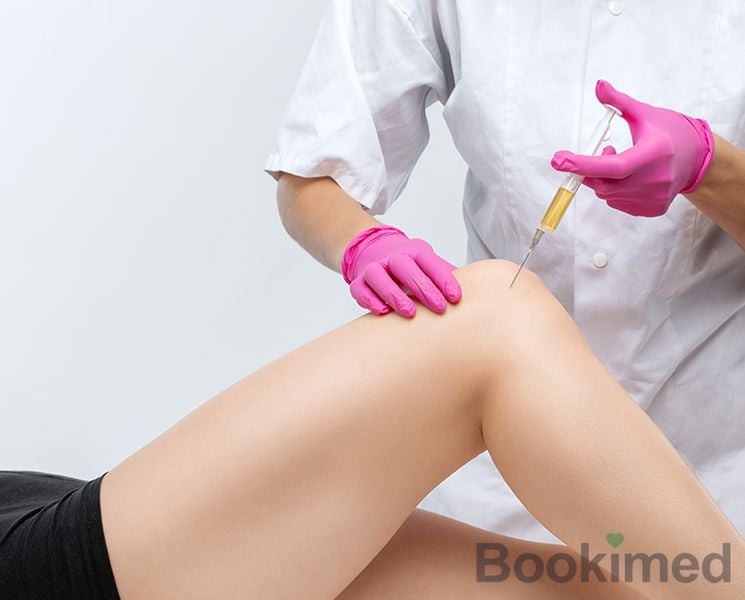
85 %
patient recommendation
1 K+
patients
Meet the experts behind this page

Medically reviewed by
Fahad Mawlood
Authored by Anna Leonova
Head of Content Marketing Team
How it works
We've transformed the clinic search process, making it simple, fast, and personal.
Answer a few questionsTake a short quiz to share your Stem cell therapy for arthritis goals.
Get personalised offers3 clinics, handpicked based on your answers, provide tailored treatment plans and quotes.
Choose the best optionCompare offers and choose the clinic that suits you best.
You can also browse all 9 clinics below.
1M+ patient inquiries
32+ countries
3,323 partner clinics
13,325 certified doctors
How Much Does Stem cell therapy for arthritis Cost in Thailand in AUD?
Stem cell therapy for arthritis in Thailand typically costs from AUD $3,800 / ฿85,000 to AUD $12,100 / ฿272,000. The final investment depends on the cell concentration, the joint being treated, and the specific laboratory processing required. Packages often include specialist consultations and airport transfers in Bangkok and Phuket.
- Single knee injection: AUD $3,800 / ฿85,000 to AUD $12,100 / ฿272,000 for localized joint treatment.
- Dual knee protocol: typically reduces the cost per joint compared to single treatments.
- Systemic IV therapy: often runs 15–20% higher than local injections for rheumatoid conditions.
- Donor cell surcharge: using umbilical cord cells typically adds a premium over autologous cells.
Bookimed Expert Insight: Thai clinics provide exceptional value through high-level medical training and international oversight. Some specialists, like Dr Thongchai Theerajumyaporn, hold certifications from Australian institutions like SureCell Melbourne. This provides a familiar standard of care for patients. Premium facilities like Bumrungrad International are JCI accredited and offer packages for early-stage knee pain starting around A$4,600.
Data verified by Bookimed as of November 2026, based on patient requests and official quotes from 92 clinics worldwide. Median costs are based on real invoices (2025–2026) and updated monthly. Actual prices may vary.
Stem cell therapy for arthritis Packages in Thailand — November 2026 (AUD Pricing for Australians)
Procedure type
Vega Relief : Stem Cell Therapy for Early Stages of Knee Pain (Both Side)Best Stem cell therapy for arthritis Clinics in Thailand for Australians: 9 Verified Options and AUD Prices
ID Clinic Bangkok
Thailand, Bangkok
Dr Theeracha Wuttiphan
26 years of experience

Clinic is certified : 


Panacee Hospital Rama 2 - Integrative Chronic Disease & Regenerative Center
Thailand, Bangkok
Clinic is certified : 










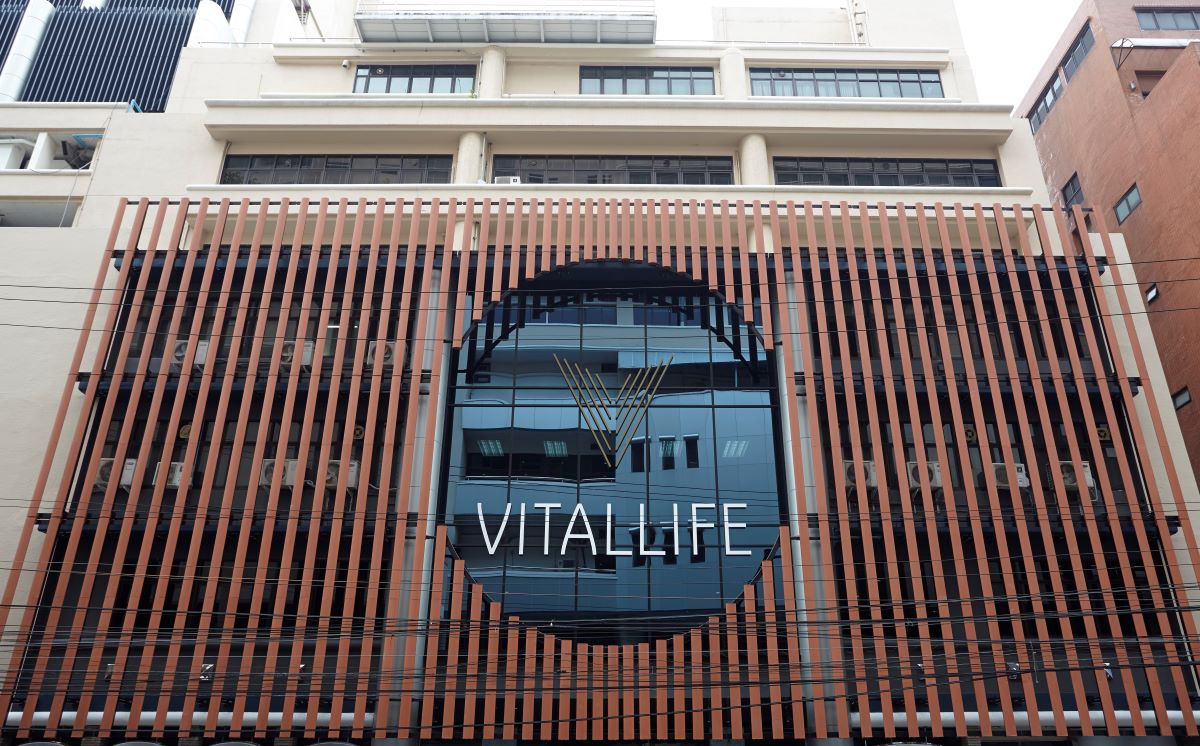
VitalLife Scientific Wellness Center
Thailand, Bangkok


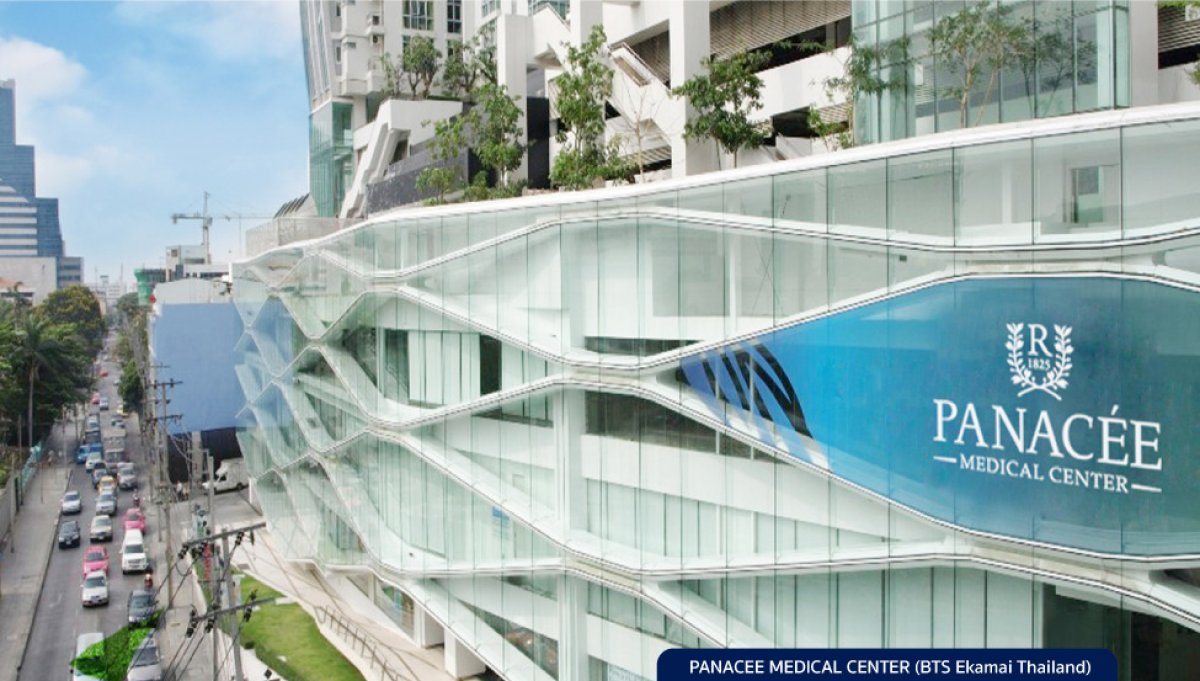
Panacee Medical Center – Stem Cell & Cell Therapy Center
Thailand, Bangkok
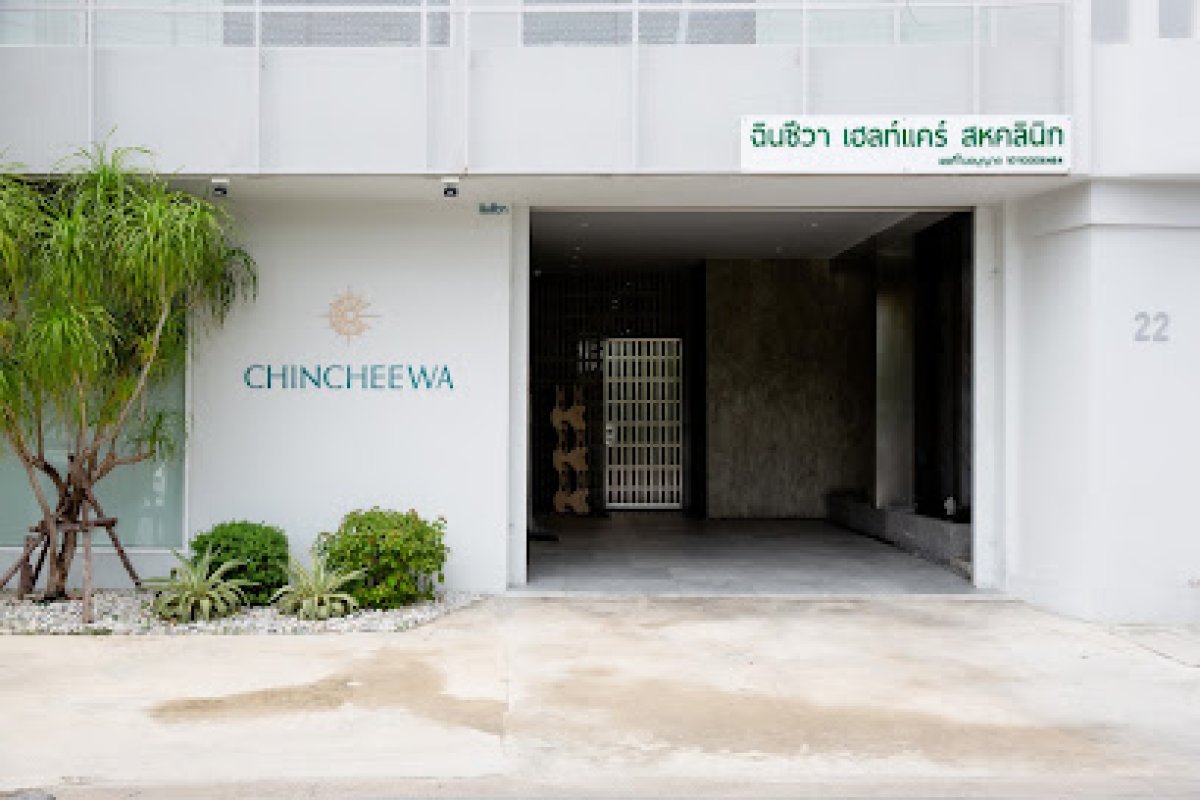
Chincheewa Healthcare Clinic
Thailand, Bangkok
Stem cell therapy for arthritis Overview in Thailand
Takeaways
Related procedures & Costs
How it works
Benefits
Payment
patients recommend -
85%
Surgery Time - 3 hours
Stay in the country - 7 days
Rehabilitation - 14 days
Anaesthesia - Local anaesthesia
Verified patient reviews - 10
Bookimed fees - $0
Types of Stem cell therapy for arthritis
- Stem Cell Therapy - from AUD $1,510This therapy is a treatment using body cells to repair damaged tissues. It"s efficient, safe, and versatile.
- Stem cell therapy for arthritis - from AUD $3,776This therapy uses one"s cells to repair damaged joints, reducing pain and inflammation associated with arthritis.
- Stem cell therapy for autism - from AUD $5,739This therapy utilizes body"s own cells to repair autism-related brain damage, offering improved social behavior.
- Stem cell therapy for cerebral palsy - from AUD $7,552This therapy uses regenerative cells to treat brain damage and improve motor functions in people with cerebral palsy.
- Stem cell therapy for Parkinson's disease - from AUD $7,552This therapy uses body-maintained cells to slow Parkinson"s disease progression, enhancing brain function and activity.
- Diabetes mellitus treatment with stem cells - from AUD $14,651This therapy uses stem cells to repair damaged pancreatic cells, potentially managing diabetes symptoms.
- Stem cell therapy for knees - from AUD $2,266This therapy draws on self-healing potential, injecting harvested cells into knee joints to repair damaged cartilage.
- Umbilical cord stem cell therapy - from AUD $1,510This therapy uses newborn"s saved cord blood to treat serious diseases, offering a versatile and safe remedy.
- Stem Cell Hair Transplant - from AUD $2,870This treatment involves extracting stem cells from the patient"s own body to stimulate new hair growth, offering a natural-looking solution with minimal recovery time.
How to find best solution with Bookimed?
Check available options for your case on the website.
Request a free consultation with documents assessment.
Download your medical records and describe your needs.
Receive customised free treatment plans with prices and details.
Compare them and finalise your choice.
Agree the date for your upcoming clinic visit.
Arrive and pay at the clinic. Bookimed fees are $0 for you.
From start to finish, the Bookimed coordinator keeps you safe and comfortable during your medical journey.
100% free, non-binding assessment of your medical records
Instant FREE personalised treatment plans to make the right choice
Expert guidance in choosing the perfect Stem Cells doctor and clinic.
Special packages and exclusive prices for our patients.
24/7 Bookimed guidance at no cost, guaranteed.
Hassle-free translation of your medical documents for clinics.
Bookimed's multilingual team ensures comfortable communication.
Bookimed ensures transparent and secure payments. Patients pay at the clinic with no additional fees.
Available Payment Methods:
How to Secure an Appointment:
1. Documents: Passport and ticket copies.
or
2. Deposit:
- Bookimed deposit: $200 or €200.
- Clinic deposit: Pay a set percentage in advance.
For more information, see our Payment Policy
Our Trusted Doctors for Australian Patients
View all Doctors
verified
Dr Phatcharasak Kraisornphongsakul Md
34 years of experience • 20000+ treatments performed
verified
Dr Theeracha Wuttiphan
26 years of experience
Dr. Theeracha Wuttiphan is an orthopedic surgeon at ID Clinic Bangkok. He specializes in arthroscopic knee surgery, spine surgery, and joint replacements. Dr. Wuttiphan is a pioneer in using stem cell therapy for arthritis and chronic joint pain. He treats complex conditions like scoliosis, hip fractures, and ankylosing spondylitis.
- Performs knee and hip replacements and arthroscopic meniscus repair.
- Provides stem cell injections for arthritis, back pain, and knee pain.
- Served as a spine surgeon at Rajavithi Hospital and Poulo Memorial Hospital.
- Practices at ID Clinic, which maintains a 95% success rate for stem cell treatments.
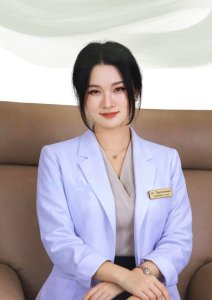
verified
Bee Thamonwan Trongpanyachot
9 years of experience • 10000+ treatments performed
Dr. Bee Thamonwan is an aesthetic and regenerative medicine specialist at Plenary Wellness in Phuket. She focus on natural rejuvenation using stem cells and collagen-boosting biostimulators. Dr. Thamonwan earned her medical degree from the Medical University of Lublin in Poland. She speaks Thai, English, and Chinese fluently.
- Performs advanced stem cell therapy to regenerate skin and support anti-aging from within.
- Specializes in Sculptra and biostimulator injectables for gradual, natural facial volume renewal.
- Provides PRP hair therapy and mesotherapy microinjections for restorative scalp health.
- Collaborates with Prince of Songkla University on wellness research and innovation.

verified
Chollawat Thongthaisin
7 years of experience
Board-certified in Regenerative Medicine, Dr. Thongthaisin leads stem cell treatments at Vega Clinic, part of Thailand's largest private hospital group.
- Trained at Thammasat Hospital in radiology – understands joint imaging
- Currently serves as lead doctor at Vega Stem Cell
- Specializes in anti-aging and regenerative therapies
- Works within BDMS network – Thailand's leading hospital group
Video Stories from Bookimed Patients
Andre
Bookimed helped me compare clinic offers, and while the experience wasn’t painless, it was great overall.
Procedure: Stem Cell Therapy
Reviews about Bookimed: Discover Patients' Insights
All reviewsRalph Cochran • Stem Cell Therapy
United States of America
28 Mar 2026
The team followed through on every detail discussed
Sitting in the consultation room while the surgeon explained the precise use of 50-100 million umbilical cord stem cells gave me a clear sense of the technical path ahead. Fifteen days after the treatment, I am already noticing some improvement in my overall physical state. The application was smooth, and I experienced no injection site reactions or inflammatory flare-ups afterward. Recovery is just beginning. Every interaction with the clinic staff was handled with professional efficiency, ensuring that the logistical side of the medical travel was as controlled as the procedure itself. It is important to stay patient during this early window while the body starts to respond to the cells. The team followed through on every detail discussed.
Anonymous • Stem Cell Therapy
16 Oct 2024
Things seem to go smoothly, no problems
Things seem to go smoothly, no problems, I'd like to be known in the reviews as gjj987,, because I am mostly private person
Can you put me down as gjj987 as I am a mostly private person, thank you
About Bookimed service
Well I won't know how successful the procedure has been until 1 year from now but here's hoping
Kjetil Oksavik • Stem Cell Therapy
Norway
13 Apr 2025
I had no measured effect from the treatment with stem cells. 60.0 mill. once.
About Bookimed service
I don not think that Bookimed is a guarantee of the quality of the clilic.
Doreen Foo • Stem Cell Therapy
Singapore
30 Dec 2024
It was a terrible experience which I never want to go through again. Upon arrival at the hospital, the consultant , Jeab who led me there was not present to receive me. Instead I was attended by the medical sstaff who flatly shot down the agreed quotations offered by Jeab and even said they do not need the VDO anymore so they could not offer me what Jeab did and I was told I had to pay 3 times the proce of what I was offered before. Consequent to the price dispute, there were lots of bleak moments between the consultant and the medical staff internally then I was made to wait for over two hours then they suddenly reversed to ask for VDO compromised on an agreed price. I repeated said no to revealing my face for the VDO and the secretary Kimmy assured me my face will not be shown on camera. Prior to seeing the doctor, I was told to made payment first. For every doctor consultation, I had to go to the cashier to complete the payment and I was seeing two different doctors meant I had to repeat same process twice touring the entire medical centre so many times. What was most stupid was that I was never informed that I had to pay out of pocket for the Covid-9 test which I deem really unfair when there was konsixh prior information and they just dumped all the hidden cost on me. I only did the arm Vader+body tite along with pick laser for vaginal and I was made to go from building to building spending 7 hours there the entire day is really uncalled for!!!
Share this content
Updated: 21/11/2026
Authored by
 Anna Leonova
Head of Content Marketing Team
A certified medical writer with 10+ years of experience, developed Bookimed’s trusted content, backed by a Master’s in Philology and medical expert interviews worldwide.
Reviewed by Bookimed Medical Advisor

Fahad Mawlood
Medical Editor & Data Scientist
General practitioner. Winner of 4 scientific awards. Served in Western Asia. Former Team Leader of a medical team supporting Arabic-speaking patients. Now responsible for data processing and medical content accuracy.
Fahad Mawlood LinkedinThis page may feature information relating to various medical conditions, treatments, and healthcare services available in different countries. Please be advised that the content is provided for informational purposes only and should not be construed as medical advice or guidance. Please consult with your doctor or a qualified medical professional before starting or changing medical treatment.
FAQ about Stem cell therapy for arthritis in Thailand
These FAQs come from real patients seeking medical assistance through Bookimed. Answers are given by experienced medical coordinators and trusted clinic representatives.
Is stem cell therapy for arthritis in Thailand legal and regulated?
Stem cell therapy for arthritis is legal and regulated in Thailand. A formal framework overseen by the Thai Food and Drug Administration (TFDA) and the Thai Medical Council governs the industry. A 2024 ministerial decree categorises cellular products as medicinal products. This requires clinics to meet strict Good Manufacturing Practice (GMP) and ISO standards for cell handling.
- Regulatory oversight: The Thai Medical Council and TFDA enforce clinical protocols and drug registration.
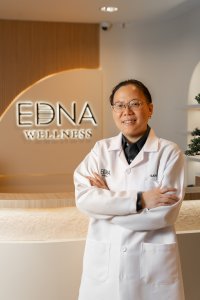
- Lab standards: Facilities like EDNA Wellness maintain ISO-certified laboratories for quality management of cellular products.
- Practitioner licensing: Specialists like Dr Chollawat Thongthaisin at Vega Clinic hold American Board certifications in regenerative medicine.
- Biotech safety: Frameworks limit cell passage to 4 cycles to prevent mutations and protect biological safety.
Bookimed Expert Insight: Many providers offer regenerative care. However, hospital-based centres like Bumrungrad International Hospital offer extra security through Joint Commission International (JCI) accreditation. For Australians, look for specialists like Dr Thongchai Theerajumyaporn at Intrarat Hospital or Dr Pichayanith Sroysuwan. Both completed clinical training in Perth or Melbourne. This shared educational background means they understand the medical expectations of Australian patients.
Patient Consensus: Patients suggest verifying whether treatment occurs in a licensed hospital or a clinic. Always request written documentation of the cell source and testing protocols before starting therapy in Thailand.
Are donor stem cells used for arthritis treatment in Thailand safe from communicable diseases?
Donor stem cells used at licensed Thai facilities are safe from communicable diseases. This is due to strict Advanced Therapy Medicinal Product (ATMP) regulations. Certified laboratories conduct intensive screening for HIV, Hepatitis B, Hepatitis C, and syphilis. Safety relies on choosing clinics that provide verified donor screening records and sterile lab certificates.
- Regulatory framework: The Thai Ministry of Health classifies stem cells as medicinal products requiring sterility validation.
- Infectious disease panels: Labs use molecular testing to eliminate tissues carrying viruses, bacteria, or toxins.
- Certified processing: The Demarest Clinic uses AABB-accredited processes for culturing and activating mesenchymal stem cells.
- Safety documentation: Patients should request a Certificate of Analysis (COA) to confirm batch-specific viral screening.
Bookimed Expert Insight: Australian patients find security at clinics like Intrarat Hospital. Specialists there, such as Dr Thongchai Theerajumyaporn, maintain Melbourne-based training in stem cell therapy. This connection to Australian clinical standards provides a familiar benchmark for safety protocols. It also helps bridge the gap between international regulations and local expectations.
Patient Consensus: Patients recommend asking for the exact source of donor cells. They also suggest requesting written proof of infectious disease screening. They advise confirming that the lab is accredited and always asking for batch traceability documents before starting treatment.
Can stem cell therapy in Thailand completely cure arthritis?
Stem cell therapy in Thailand cannot completely cure arthritis, as no permanent cure currently exists. It helps manage the condition by significantly reducing inflammation and pain. Patients typically experience improved joint mobility. This may delay or prevent the need for joint replacement surgery.
- Success rates: Clinics like EDNA Wellness report 70–85% success in reducing localised joint pain.
- Specialised protocols: Thailand offers culture-expanded mesenchymal stem cells often restricted or unavailable in Australia.
- Expert specialists: Dr Thongchai Theerajumyaporn at Intrarat Hospital completed stem cell training in Melbourne.
- Recognised facilities: Bumrungrad International Hospital holds JCI and Global Healthcare Accreditation for international safety.
Bookimed Expert Insight: Many centres focus on knee pain. However, the most experienced specialists often have Australian or American board certifications. Dr Pichayanith Sroysuwan at Harmony Life Center has performed over 63,000+ procedures. This massive clinical volume drives Thailand’s high success rates in regenerative medicine.
Patient Consensus: Most patients in Thailand find significant relief from pain and stiffness rather than a total cure. People suggest checking the cell source and laboratory certifications to expect realistic outcomes for specific arthritis types.
What is the reported success rate for treating knee arthritis with stem cells in Thailand?
Clinics in Thailand report clinical success rates between 70% and 85% for treating knee arthritis with stem cells. Success typically involves significant pain reduction and improved mobility. Results are most consistent in patients with mild-to-moderate degeneration. They are less consistent in severe bone-on-bone cases.
- Pain reduction: EDNA Wellness in Bangkok reports 70% to 80% knee pain relief.
- Clinical efficacy: Reported success rates reach 80% specifically for knee osteoarthritis patients.
- Procedure cost: Stem cell therapy costs from $2,500 to $8,000.
- Clinic standards: The Demarest Clinic uses AABB-certified processes for cell culturing and activation.
- Expert credentials: Specialist Dr Chollawat Thongthaisin holds American Board of Regenerative Medicine certification.
Bookimed Expert Insight: While many clinics claim high success, the Australian connection is strong. Dr Thongchai Theerajumyaporn at Intrarat Hospital completed specialised stem cell training in Melbourne. Choosing a surgeon with AU-based training can bridge the gap between Thai protocols and Australian medical expectations.
Patient Consensus: Patients in Thailand usually see better mobility and less swelling. They rarely see total arthritis reversal. Success feels like short-term relief, but results vary. This makes a solid local rehab plan essential.
What types of stem cells are used for arthritis treatment in Thailand?
Clinics in Thailand primarily use Mesenchymal Stem Cells (MSCs) for arthritis. These are often derived from umbilical cord tissue or the patient’s own fat and bone marrow. Treatments frequently combine injections with Platelet-Rich Plasma (PRP) to help repair cartilage and reduce inflammation.
- Umbilical cord MSCs: Ethically harvested cells from cord tissue, often laboratory-expanded for high potency.
- Adipose-derived cells: Harvested from the patient's own fat tissue through a minimally invasive process.
- Bone marrow concentrate: Extracted from the pelvic bone, containing native growth factors and signalling cells.
- Amniotic fluid therapy: Uses fluid-based products offered at specialised centres like The Demarest Clinic in Phuket.
Bookimed Expert Insight: Thai clinics often operate on-site laboratories with international certifications to monitor cell quality. At The Demarest Clinic, cell processing is certified by the American Association of Blood Banks (AABB). This laboratory oversight is why major centres like Bumrungrad International Hospital serve over 1,000,000 patients annually.
Patient Consensus: Patients value the range of options in Thailand, from donor-derived cord cells to their own fat-derived cells. They recommend confirming the specific cell count and source tissue in writing before starting treatment.
When can I expect to see results from stem cell therapy for arthritis in Thailand?
Most patients notice initial improvements in joint pain and mobility 3 to 6 months after stem cell therapy in Thailand. Early anti-inflammatory effects may occur within weeks. However, functional tissue repair continues for up to 24 months. This timeline depends on arthritis severity and the cell source used.
- Early relief: Anti-inflammatory effects often reduce pain within the first 2 weeks.
- Tissue repair phase: Regeneration activity typically peaks between 3 and 12 months post-injection.
- Maximum mobility: Significant functional gains and walking tolerance usually appear by month 6.
- Long-term activity: Stem cells continue repairing cartilage and slowing degradation for 1 to 2 years.
Bookimed Expert Insight: Thai clinics offer an advantage for Australians seeking faster functional recovery. Specialists like Dr Thongchai Theerajumyaporn at Intrarat Hospital trained in Melbourne-based protocols. This helps bridge the gap between overseas treatment and Australian rehabilitation standards. It also helps your post-procedure physio align with your treatment for better results.
Patient Consensus: Results are rarely immediate. It is best to track your walking tolerance and stiffness over several months. Combining the procedure with targeted rehabilitation and reduced joint load improves the final outcome in Thailand.
How long should I stay in Thailand for stem cell therapy and can I fly home immediately?
Most patients stay in Thailand for 3 to 14 days after stem cell therapy. Flying home immediately is not advised. Medical teams recommend waiting at least 24 to 72 hours after the injection. This allows them to monitor for reactions and reduces blood clot risks during travel.
- Joint injections: Minimal stays of 3–5 days cover the procedure and observation.
- Systemic protocols: Complex intravenous therapies usually require 7–14 days for monitoring.
- Fitness to fly: Doctors provide mandatory letters confirming biomarkers are stable for travel.
- Travel safety: Patients must wear compression socks and walk hourly during the flight.
Bookimed Expert Insight: Thai clinics offer an advantage for Australians because several leading specialists have ties to Australia. Dr Thongchai Theerajumyaporn at Intrarat Hospital completed stem cell training in Melbourne. Dr Pichayanith Sroysuwan at Harmony Life Center also trained in Perth. These doctors understand Australian medical standards. This makes the transition between overseas treatment and home-based follow-up much smoother.
Patient Consensus: Patients recommend arranging airport assistance for weight-bearing joint treatments. It is helpful to confirm overnight stay requirements before leaving. Patients should also request written protocols for preventing deep vein thrombosis before departure.