14 Best Injuries of bones and joints Treatment Clinics in Thailand — AUD Prices

Medically reviewed by
Kayhan Turan
How it works
What's the Cost of Injuries of bones and joints Diagnosis and Treatment in Thailand?
Injuries of bones and joints treatment cost in Thailand typically includes essential assessments such as a consultation with an orthopedist (traumatologist) ranging from AUD $150 / ฿3,400 to AUD $210 / ฿4,800. Key surgical options like knee arthroscopy cost between AUD $7,500 / ฿170,000 and AUD $8,300 / ฿187,000, while shoulder replacement runs from AUD $26,800 / ฿605,200 to AUD $27,800 / ฿625,600. Prices depend on injury severity and hospital tier. Australians usually save 50–80% compared to local private healthcare. Bangkok and Phuket are the primary hubs for these treatments.
Typical Injuries of Bones and Joints Treatment Costs in Thailand
- Consultation with an orthopedist (traumatologist): AUD $150 / ฿3,400 – AUD $210 / ฿4,800
- Extended analysis of blood: AUD $150 / ฿3,400 – AUD $530 / ฿11,900
- Coagulogram: AUD $45 / ฿1,000 – AUD $75 / ฿1,700
- Knee arthroscopy: AUD $7,500 / ฿170,000 – AUD $8,300 / ฿187,000
- Shoulder replacement: AUD $26,800 / ฿605,200 – AUD $27,800 / ฿625,600
- Stem cell therapy for arthritis: AUD $3,800 / ฿85,000 – AUD $12,100 / ฿272,000
- Revision knee arthroplasty: from AUD $41,500 / ฿935,000
- Revision hip arthroplasty: AUD $21,900 / ฿493,000 – AUD $36,200 / ฿816,000
- Bone deformity correction surgery: AUD $13,400 / ฿302,600 – AUD $17,300 / ฿391,000
- Stem cell therapy for knees: AUD $2,300 / ฿51,000 – AUD $5,000 / ฿112,200
Best Injuries of bones and joints Treatment Centres in Thailand for Australians: 14 Verified Options and AUD Prices

Intrarat Hospital
Dr Piya Assawaboonyadej


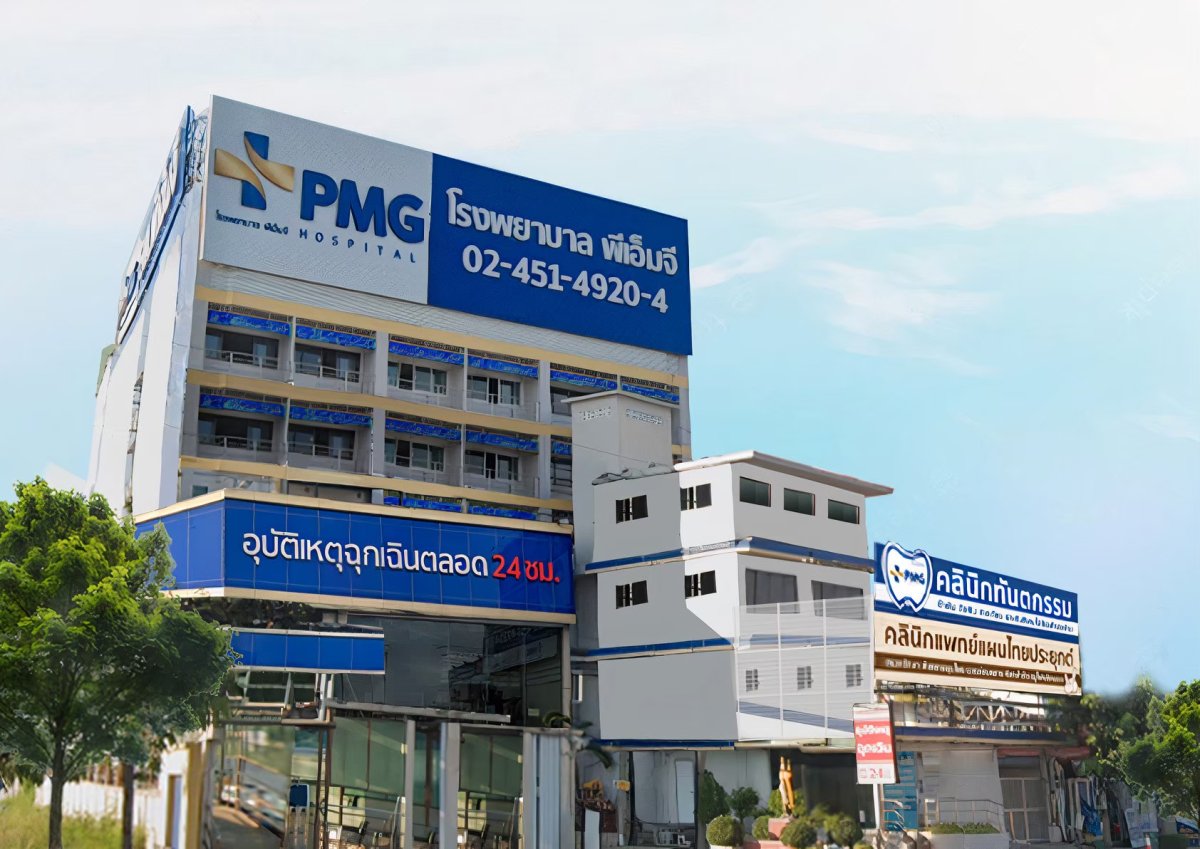
PMG Hospital
Ekkachai Tungkhawiwatchakun


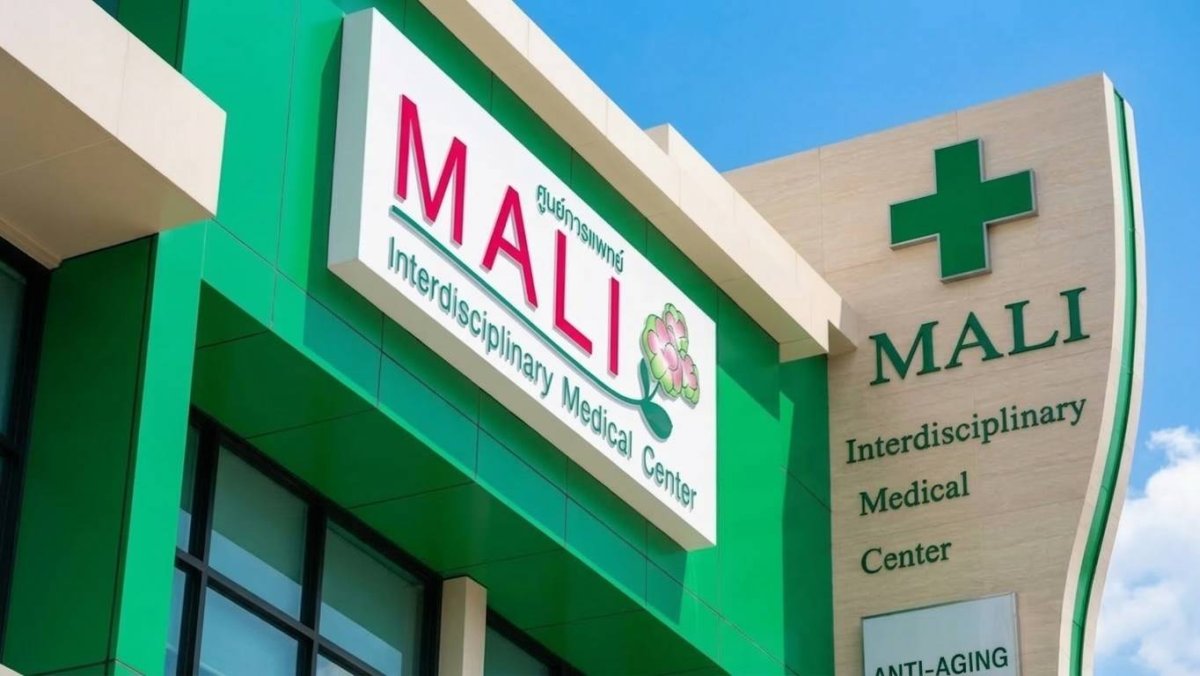
Mali Interdisciplinary Hospital
Thanaphat Pomyukon










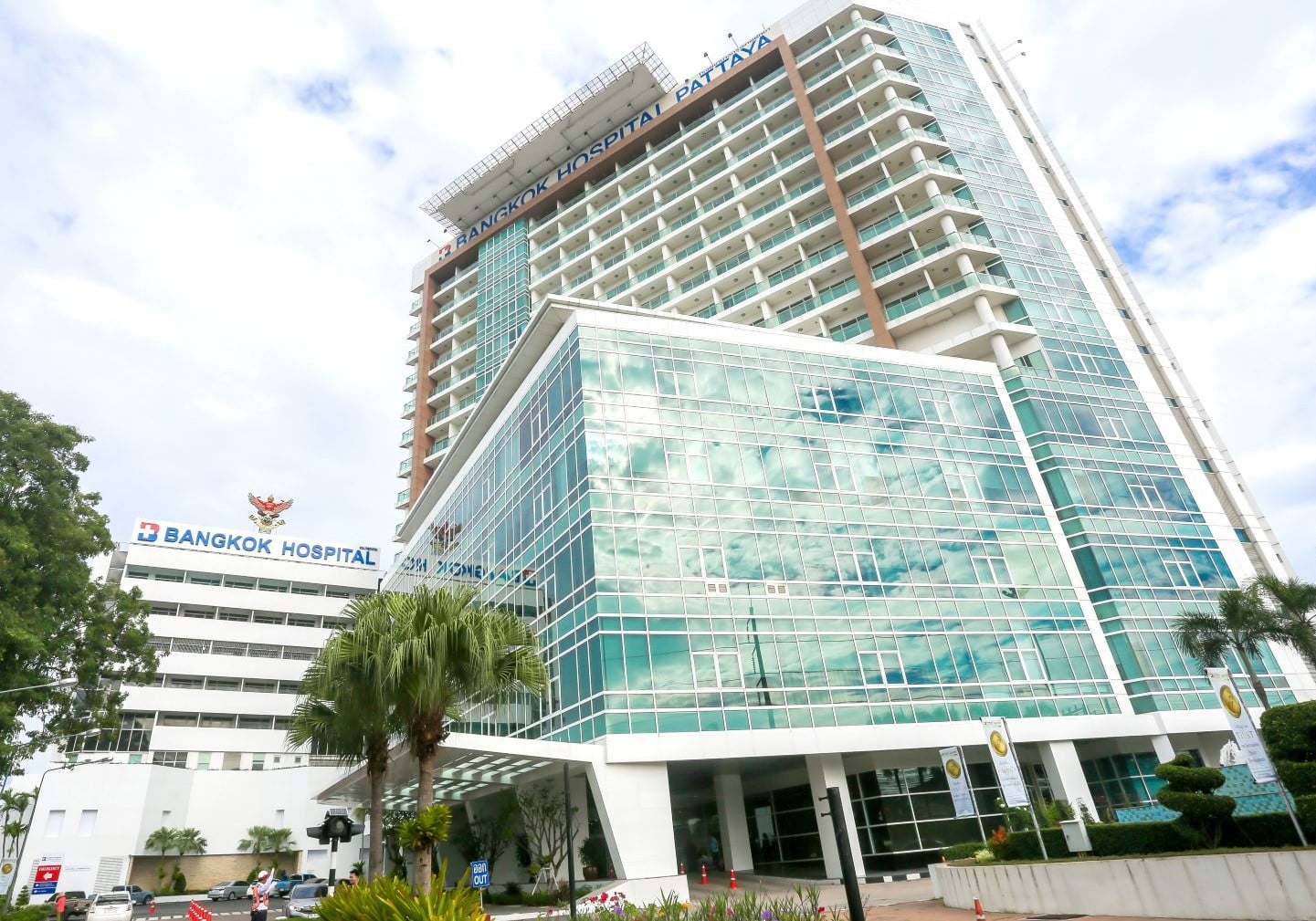
MedConsult Bangkok Medical Clinic





Get a Medical Assessment for Injuries of bones and joints Treatment in Thailand: consult with 20 experienced doctors for Australian patients now
View all DoctorsDr Piya Assawaboonyadej
1,100+ treatments performed – Dr Piya Assawaboonyadej specializes in bone and connective tissue tumors at Intrarat Hospital.
- 18 years of experience in orthopedic surgery
- Fellowship-trained in Orthopedic Oncology and Reconstruction at University of Iowa, USA
- Expert in musculoskeletal tumor surgery
- Member of the Royal College of Orthopaedic Surgeon of Thailand
- Authored publications on bone sarcoma and enchondroma treatments

Dr Theeracha Wuttiphan
Specializes in minimally invasive treatments for joint and spine injuries – Dr Theeracha Wuttiphan combines orthopedic surgery expertise with advanced stem cell therapy.
- Arthroscopic surgeon at Vimut Vipavadi Hospital
- Spine surgeon at Rajavithi and Poulo Memorial Hospitals
- Performs stem cell therapy for arthritis and joint pain
- Bachelor of Medicine from Perpetual Medical University

Chollawat Thongthaisin
Specialized in Regenerative Medicine – Dr. Thongthaisin combines radiology expertise with cutting-edge regenerative treatments at Vega Clinic.
- Board-certified in Regenerative Medicine by the American Board
- Residency in Radiology at Thammasat Hospital
- Lead Doctor at Vega Stem Cell, researching regenerative therapies
- Works at BDMS – Thailand's largest private hospital group

Pongsathorn Sitthisen
1,100+ hand and upper extremity treatments performed – Dr. Sitthisen specializes in surgical precision and functional outcomes at Menness Wellness Clinic.
- 13 years of experience in orthopedic surgery
- Board-certified with sub-specialty in Hand and Upper Extremity Surgery
- Trained at Ramathibodi Hospital and Chulalongkorn University
- Expert in tendon injuries, fractures, and nerve compression
Share this content
Video Stories from Bookimed Patients
 Anna Leonova
Expert Overview about Injuries of bones and joints Treatment in Thailand
How long is the recovery timeline for bone and joint surgery in Thailand?
Recovery after bone surgery in Thailand varies by procedure. Major joint replacements require 3–5 days in hospital. Full recovery takes 3–12 months. Smaller bone repairs often stabilise within 3–6 weeks. Orthopaedic centres such as KDMS and Bumrungrad International Hospital maintain JCI standards.
- Hospital stay: Major surgeries typically involve a stay of 3 to 5 nights.
- Initial rehabilitation: Most patients require 14 days of local recovery before flying home.
- Upper limb union: Bone healing for wrists or arms takes 6 to 10 weeks.
- Weight-bearing: Lower limb procedures usually require 8 to 12 weeks before full weight.
Bookimed Expert Insight: While many expect a quick return home, KDMS Specialized Orthopedic Hospital offers specialised care. They provide 24-hour nursing and VIP rooms for the first 5 days post-surgery. This early care is critical for complex unicompartmental knee arthroplasty using Stryker implants. Patients then transition to hotel-based recovery.
Patient Consensus: Recovery timelines in Thailand match standard medical expectations. Patients emphasise arranging home-country follow-up before departure. They also suggest allowing extra time before flying while using crutches.
Are Thai hospitals well-equipped for the treatment of bone and joint injuries?
Thai hospitals are well-equipped for bone and joint injuries. Facilities like KDMS Specialized Orthopedic Hospital and Bumrungrad International Hospital use robotic surgery technology. Specialists often hold fellowships from Germany or the USA. Major centres treat over 1,000,000 patients annually with high success rates.
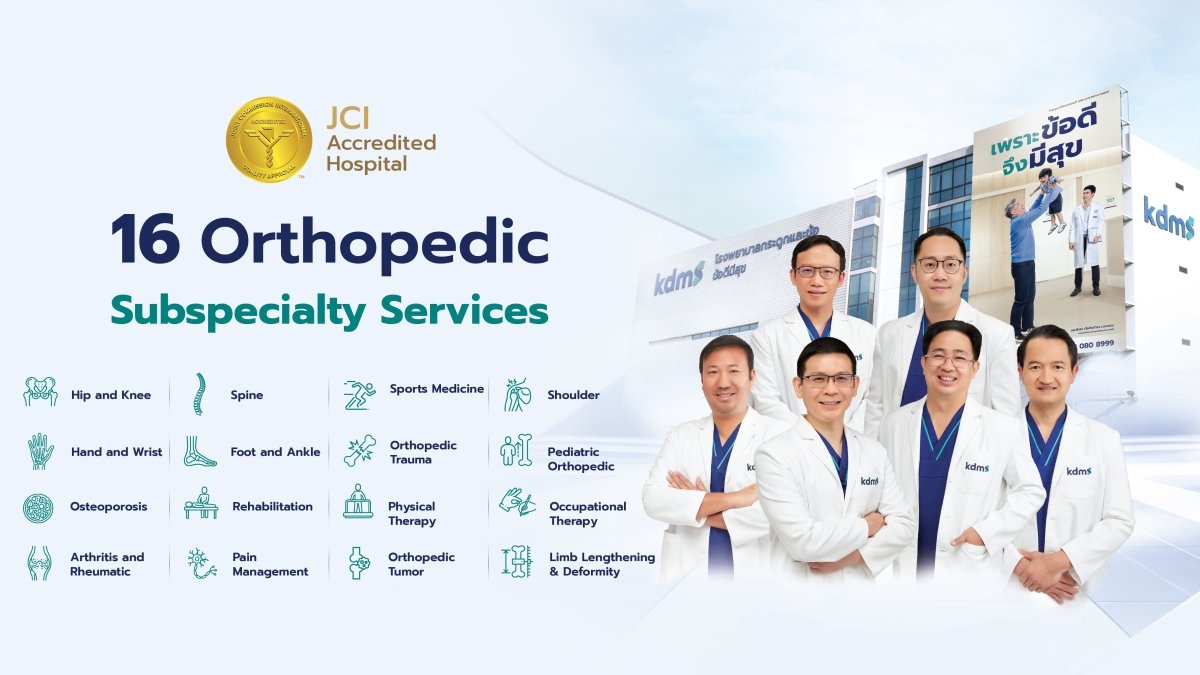
- Specialised infrastructure: KDMS is Thailand's first hospital dedicated exclusively to orthopaedic and musculoskeletal care.
- Modern techniques: Centres offer Stryker unicompartment knee arthroplasty, robotic-assisted replacements, and mesenchymal stem cell therapy.
- Expert qualifications: Surgeons like Dr Piya Assawaboonyadej completed clinical fellowships at the University of Iowa, USA.
- International standards: Leading facilities maintain JCI and Global Healthcare Accreditation for international patient safety.
Bookimed Expert Insight: Thailand has a clear split between high-volume hubs and niche orthopaedic boutiques. Bumrungrad handles massive international volumes. KDMS Specialized Orthopedic Hospital offers a one-stop service focused solely on bones and joints. Our data shows specialised clinics like Menness Wellness attract many Australians for limb surgeries.
Patient Consensus: Patients note that major city hospitals are better equipped than regional clinics for complex fractures. They suggest confirming that on-site MRI and English-speaking surgeons are available before booking emergency procedures.
Why would an Australian patient consider Thailand for the treatment of bone and joint injuries?
Australian patients choose Thailand for orthopaedic care to bypass long public wait times. They gain access to hospitals with international accreditation. Facilities like Bumrungrad International Hospital and KDMS Specialized Orthopedic Hospital provide robotic surgery and regenerative treatments. Clinics often bundle consultations with board-certified surgeons and luxury accommodation.
- Specialised infrastructure: KDMS is Thailand's first hospital dedicated exclusively to orthopaedic surgery.
- Technology: Surgeons use robotic assistant technology and Stryker implants for precise joint procedures.
- Expert credentials: Specialists like Dr Piya Assawaboonyadej hold clinical fellowships from American universities.
- Rapid access: Patients secure specialist reviews and diagnostics like MRI or CT scans immediately.
- Recovery support: Packages often include on-site rehabilitation, 24-hour nursing, and VIP hospital rooms.
Bookimed Expert Insight: Thailand has also become a major hub for non-surgical orthopaedic care. Clinics like ID Clinic Bangkok and EDNA Wellness handle many patients for mesenchymal stem cell therapy. A$300 joint injections or A$1,700 regenerative packages often include airport transfers and follow-up consultations. These options are accessible for Australians managing chronic joint pain without major surgery.
Patient Consensus: Patients value how Thai clinics manage all logistics, including airport pickups and hotel-style recovery. Many find it easier to get imaging in Bangkok than waiting months at home. They suggest confirming an Australian GP will handle long-term aftercare upon return.
When should an Australian patient seek specialised orthopaedic care in Thailand for a bone or joint injury?
Australian patients should seek orthopaedic care in Thailand when facing long elective surgery wait times. It is also a good option for regenerative treatments like mesenchymal stem cell therapy. Leading Bangkok hospitals provide rapid access to robotic-assisted joint replacements. These facilities also offer complex reconstructions for chronic pain or loss of mobility.
- Specialised clinics: KDMS Specialized Orthopedic Hospital focuses entirely on bone and joint disorders.
- Technology: Centres use robotic surgery assistants and Stryker implants for precise joint alignment.
- Regenerative options: Mesenchymal stem cell (MSC) therapy for knee arthritis costs approximately A$1,700 to A$12,400.
- Expert surgeons: Specialists such as Dr Theeracha Wuttiphan focus on arthroscopic and replacement surgeries.
Bookimed Expert Insight: Thailand is home to specialised facilities like KDMS. This was the country's first dedicated orthopaedic-only hospital. Focused centres offer streamlined care for complex joint reconstructions. Patients can find high-volume experts like Dr Phatcharasak Kraisornphongsakul. He has performed over 20,000 procedures. This level of repetition often leads to better surgical outcomes for difficult cases.
Patient Consensus: Patients note that seeking a second opinion abroad helps when local advice is to wait. They emphasise that surgery is fast. However, arranging rehabilitation in Australia before departing is essential for long-term recovery.
Will there be a language barrier for Australian patients receiving orthopaedic treatment in Thailand?
Australian patients experience minimal language barriers in Thailand's leading private orthopaedic centres. Most specialists hold international fellowships from the USA, Canada, or Germany. Hospitals like Bumrungrad International and KDMS provide English-speaking coordinators. They also provide medical documentation in English to support recovery.
- Specialist training: Surgeons like Dr Piya Assawaboonyadej completed clinical fellowships in the USA.
- Translation support: KDMS Specialized Orthopedic Hospital maintains a 5-star rating for translation services.
- Clinical communication: Dr Pradab Pradasuk provides orthopaedic consultations in fluent English and Thai.
- International focus: Bumrungrad International Hospital serves patients from 190 countries, including many Australians.
Bookimed Expert Insight: While major surgeons are fluent, communication gaps most often occur with ward staff. Patients should choose centres like KDMS or ID Clinic that bundle 24-hour nursing. These services help keep rehabilitation instructions and weight-bearing limits clear after returning to Australia.
Patient Consensus: Patients note that private Bangkok hospitals have proficient English-speaking staff. They recommend requesting written discharge instructions and rehab schedules in plain English to avoid confusion once home.
Is it possible to receive a second opinion regarding orthopaedic treatment in Thailand?
Australian patients can certainly receive second opinions for orthopaedic treatment in Thailand. Major hospitals facilitate remote reviews via telemedicine or in-person consultations. Specialists assess scans to confirm diagnoses or suggest alternatives like robotic surgery. This process typically takes only a few days.
- Specialist expertise: Specialists like Dr Piya Assawaboonyadej at Intrarat Hospital hold US-based clinical fellowships.
- Specialised technology: Facilities like KDMS Specialized Orthopedic Hospital use robotic surgery assistant technology.
- Comprehensive diagnostics: Clinics provide on-site MRI, CT, and X-ray services for thorough clinical reviews.
- International standards: Bumrungrad International Hospital holds JCI and Global Healthcare Accreditation for quality.
Bookimed Expert Insight: Many seek second opinions for surgery. However, Thailand's data shows a strong trend toward non-surgical alternatives. Specialists like Dr Apisit Rattanatanasarn at EDNA Wellness often propose mesenchymal stem cell therapy. These regenerative options, starting around A$5,100, provide a valuable middle ground for patients.
Patient Consensus: Patients in Thailand recommend bringing digital copies of all previous scans and X-rays. They suggest asking specifically if conservative management can replace surgery before making a final decision.
Do all bone and joint injuries require surgery in Thailand?
Thai orthopaedic specialists provide non-surgical pathways for many bone and joint injuries. Most centres prioritise conservative management like rehabilitation or regenerative medicine. Specialists at hospitals like Bumrungrad International use diagnostics to see if an injury is stable enough for non-surgical care.
- Regenerative options: Mesenchymal stem cell therapy and PRP injections help avoid or delay joint surgery.
- Clear diagnostics: Specialists use MRI, CT and X-ray to assess injury stability before recommending surgery.
- Rehabilitation focus: Clinics like PYONG Rehabilitation Group offer robotic gait training and physiotherapy for recovery.
- Minimally invasive: When surgery is needed, surgeons often use arthroscopy to reduce pain and scarring.
Bookimed Expert Insight: Thailand's medical landscape has shifted noticeably toward joint preservation. While KDMS provides robotic-assisted surgery for complex cases, clinics like EDNA Wellness and Vega Clinic focus almost entirely on cellular therapies. This allows patients with early-stage osteoarthritis or ligament tears to access mesenchymal stem cell treatments for around A$2,500 to A$10,200. These options can help patients avoid major surgical costs and hospital stays.
Patient Consensus: Patients in Thailand note that asking if an injury is stable helps determine if surgery is necessary. Many find that injuries managed with surgery elsewhere are successfully treated with immobilisation and reduction here.
How can I prevent future orthopaedic injuries after being treated in Thailand?
Preventing future orthopaedic injuries after treatment in Thailand requires completing a formal rehabilitation program. Patients should maintain strength around treated joints and use telehealth for specialist reviews. Stabilising the joint through physiotherapy is essential to avoid re-injury in the first 12 months.
- Rehabilitation focus: Active physiotherapy prevents muscle atrophy and restores full range of motion.
- Strength training: Rebuilding stability around knees and hips reduces vulnerability to repeat strains.
- Telehealth follow-up: Clinics like ID Clinic Bangkok offer video consultations for remote recovery monitoring.
- Activity scaling: Use a staged return to heavy work or sport instead of immediate loading.
Bookimed Expert Insight: Thai orthopaedic clinics often specialise in regenerative maintenance that goes beyond surgery. For instance, specialists like Dr Apisit Rattanatanasarn at EDNA Wellness combine surgical care with purified PRP or mesenchymal stem cell therapy. This combination focuses on long-term joint preservation and cartilage health. It can also help prevent the need for revision surgery later.
Patient Consensus: Patients emphasise that finishing the full course of physiotherapy matters more than just resolving pain. This applies whether the treatment is in Thailand or Australia. Addressing footwear and lifting techniques during recovery helps avoid repeat injuries after returning home.