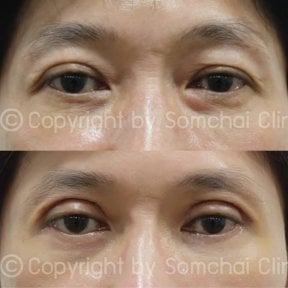
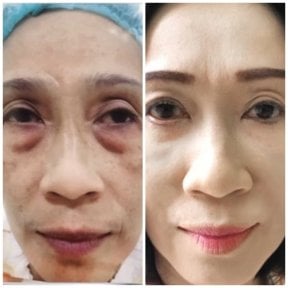
40 years of experience
20000 treatments
⭐Premium Upper Eyelid Surgery by Board-Certified Surgeon
Upper eyelid surgery in Thailand typically costs from AUD $1,277 / ฿A43,420 to AUD $1,987 / ฿A67,542. Prices depend on the clinic tier, surgeon experience, and whether surgery is combined with other facial rejuvenations. Patients save around 71% by travelling to Thailand from Australia, where this procedure costs AUD $5,818 / ฿A197,802 on average. Packages often include surgeon fees, local anaesthetic, and follow-up care in hubs like Bangkok and Pattaya.
Bookimed Expert Insight: Paying more for major facilities makes sense for Australians seeking safety certainties. Hospitals like Asia Cosmetic Hospital were the first in Thailand to gain JCI accreditation, holding a 0% complication rate. Yanhee International Hospital offers specialised packages starting around A$1,500. These include post-operative medications and onsite recovery care, providing better value than pieced-together treatments at smaller clinics.
| Thailand | Turkey | South Korea | |
| Upper Eyelid Surgery | from AUD $1,304 / ฿A44,337 | from AUD $2,628 / ฿A89,349 | from AUD $1,681 / ฿A57,170 |
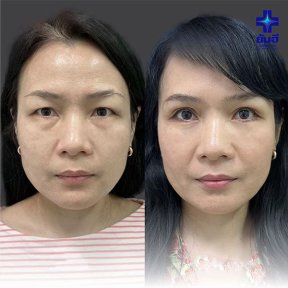
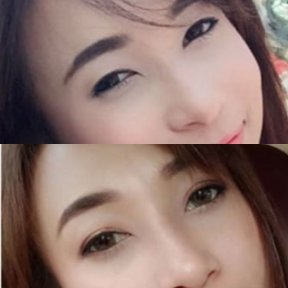
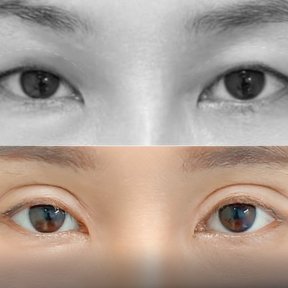
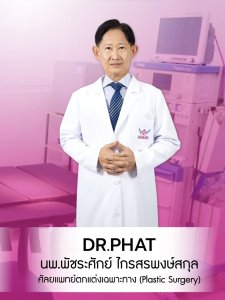
Dr Phatcharasak Kraisornphongsakul Md has performed over 20,000 procedures at ID Clinic Bangkok, building a massive surgical portfolio. He is specifically recognised for his surgical skill in upper eyelid corrections.
Dr Saran Wannachamras is a highly credentialed plastic and reconstructive surgeon based at Wansiri Hospital. He holds formal certification from the Institute of Orthopaedic Surgery and the Medical Council of Thailand.
Dr Jiraroch Meevassana is a highly skilled plastic surgeon at Wansiri Hospital with a dedicated focus on facial reanimation and periorbital rejuvenation.
Dr Shananya Varophas is a top-rated plastic surgeon at Wansiri Hospital who has performed over 900 successful procedures.
During a consultation in Thailand, confirm the surgeon's board certification with the Society of Aesthetic Plastic Surgeons of Thailand. Ask for unretouched before-and-after photos of patients with similar anatomy. Verify the surgical technique, such as skin-only removal or muscle adjustment. You should also confirm the facility holds JCI or ISO certification.
Bookimed Expert Insight: Thai clinics like Wansiri Hospital and Dr. Chen Surgery Hospital treat patients from Australia regularly. Some surgeons there have even completed specialised anatomy training in Melbourne. This local experience means they are highly familiar with Australian aesthetic standards and recovery needs.
Patient Consensus: Patients suggest bringing reference photos so the surgeon understands your desired look. They also recommend confirming the clinic provides English-speaking staff and free transfers in Thailand to avoid stress.
Surgeons in Thailand do not strictly need to be eye specialists for upper eyelid surgery. Both board-certified plastic surgeons and oculoplastic specialists are qualified. Oculoplastic specialists are ophthalmologists who specialise in eyelid surgery. Choosing a surgeon with training in periorbital rejuvenation helps protect eyelid anatomy and tear systems.
Bookimed Expert Insight: General plastic surgeons are common. However, Thailand has many specialists with Korean-certified training. For example, Dr Warangkana Chaivong is a dedicated Oculoplastic Specialist. Choosing a surgeon with these eye certifications often results in precise functional outcomes.
Insurance coverage for upper eyelid surgery in Thailand depends on medical necessity. Policies typically exclude cosmetic blepharoplasty. They may cover the procedure if sagging skin impairs vision. Patients must provide clinical evidence and get prior authorisation for potential reimbursement from insurers.
Bookimed Expert Insight: While insurance is rare, Thailand offers significant value for out-of-pocket payers. Procedures cost from $900 to $1,400. This is a fraction of the $4,100 Australian average. Choosing JCI-accredited centres like Yanhee International Hospital or Bumrungrad International Hospital ensures high safety standards.
Patient Consensus: Australians often find that documenting vision impairment is essential for a successful claim. Keeping detailed invoices and before-and-after photos helps when discussing reimbursement with providers.
Recovery for upper eyelid surgery in Thailand typically allows patients to return home within 7 to 14 days. Most swelling and bruising occur during the first 72 hours. Surgeons usually remove sutures after 7 days. Many clinics also provide light therapy to speed up healing.
Bookimed Expert Insight: While basic recovery is fast, many Bangkok clinics include 24-hour nursing care or private VIP lounges. Choosing a package with a local anaesthetist, such as those at Asia Cosmetic Hospital, ensures additional monitoring. This avoids the longer recovery time of general anaesthesia.
Patient Consensus: Expect noticeable bruising for 2 weeks. Most patients suggest staying in Thailand for at least 10 days for follow-up checks. Cold compresses and head elevation are essential for managing initial tightness and dryness.
Pre-operative care for upper eyelid surgery in Thailand involves several steps. Patients must stop blood-thinning medications like aspirin 14 days before the procedure. They also need to attend a clinical consultation. Patients must disclose allergies and fast for 6 hours before general anaesthesia. Most Thai clinics prefer local anaesthesia for this procedure.
Bookimed Expert Insight: While many Australian patients expect general anaesthesia, Bookimed data shows several Thai clinics perform upper blepharoplasty under local anaesthesia. This includes Yanhee International Hospital. This choice reduces both the price and the post-operative recovery time spent in the clinic.
Suitable candidates for upper eyelid surgery in Thailand include adults with drooping skin or fatty deposits. Those with heavy lids that impair vision are also good candidates. Healthy non-smokers seeking to define an eyelid crease or refresh their appearance are ideal. Surgeons in Bangkok often manage complex cases for international patients.
Bookimed Expert Insight: High-volume clinics like Yanhee International Hospital or Somchai Clinic serve thousands of patients annually. This scale means Thai surgeons see varied eyelid anatomy. They often see more cases in one month than others see in a year. Dr Phatcharasak Kraisornphongsakul at Somchai Clinic alone has performed 20,000+ procedures. This level of skill directly benefits patients with unique anatomical needs.
Patient Consensus: Patients with heavy, hooded lids or visual obstructions found significant relief and a refreshed look. They suggest confirming goal alignment during consultations. Patients should also prepare for temporary swelling before flying back to Australia.
Thailand is a popular destination for upper eyelid surgery because of its high-volume surgical centres and board-certified specialists. Australian patients save up to 78% compared to local costs. Facilities often hold JCI and ISO accreditations for safety while providing English-speaking coordinators and dedicated aftercare suites.
Bookimed Expert Insight: Thai hospitals like Bumrungrad and Yanhee operate at massive scales. They serve up to 1 million patients annually. This volume allows even mid-range clinics to invest in high-end technology. For example, Wansiri Hospital uses Clean Room standard operating theatres with air filtration. This infrastructure is often superior to many boutique clinics in Australia.
Patient Consensus: Thailand is ideal because surgeons handle high cosmetic volumes. They also offer clear pre-op video consultations. Patients recommend allocating extra time for post-op monitoring rather than treating the trip as a standard holiday.