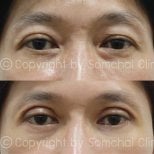
40 years of experience
20000 treatments
(Blepharoplasty) — All Inclusive Package
Upper and lower eyelid surgery in Thailand typically costs from AUD $4,000 / ฿95,200 to AUD $4,900 / ฿115,600. The final price depends on the clinic tier, whether you choose local or general anaesthetic, and the complexity of the eye area. In Australia, this procedure costs AUD $12,000 / ฿282,200 on average. Patients can save approximately 63% by travelling to Bangkok, Chiang Mai, or Phuket. Most Thai quotes cover surgeon fees, operating room charges, and initial follow-up care.
Bookimed Expert Insight: Choosing a specialist hospital often yields the best value for Australians. Wansiri Hospital and Yanhee International Hospital both hold Joint Commission International (JCI) accreditation. This ensures they meet rigorous global safety standards. For instance, Yanhee provides all-inclusive pricing around A$2,800. This often includes hospital stays and meals, which simplifies budgeting for international travellers. Some surgeons, like Dr. Narongdej Jiarapeepan, have even trained in Melbourne, providing extra cultural reassurance.
| Thailand | Turkey | South Korea | |
| Upper and Lower Eyelid Surgery | from AUD $4,000 / ฿95,200 | from AUD $2,600 / ฿61,200 | from AUD $4,900 / ฿115,600 |
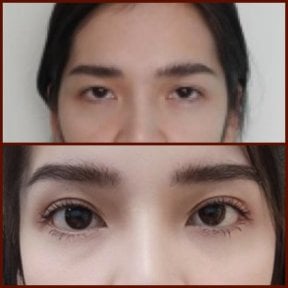
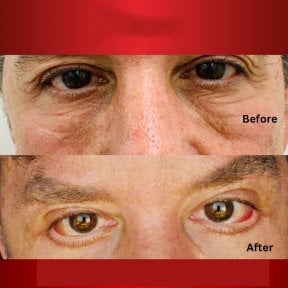
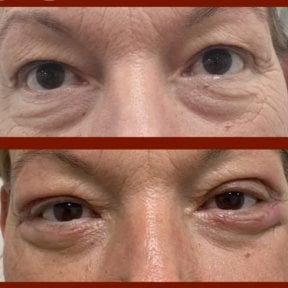
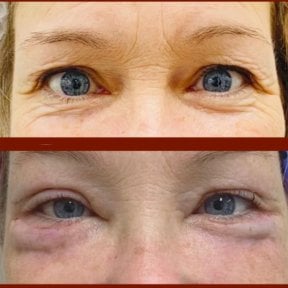

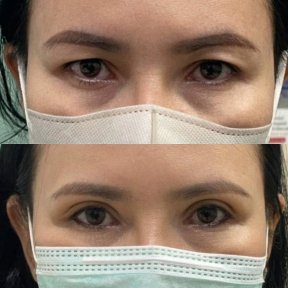
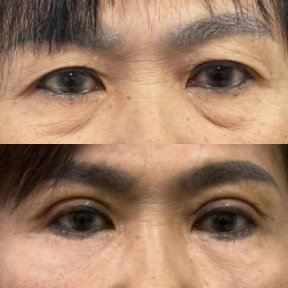
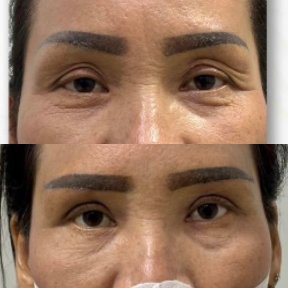
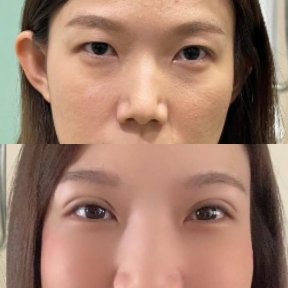
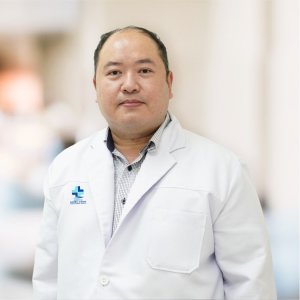
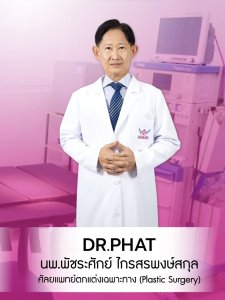
Dr Phatcharasak has performed over 20,000 treatments and is one of Bangkok's most recognised experts for delicate eyelid surgery.
Dr Saran Wannachamras brings international expertise from the East Virginia Medical School in the USA to his plastic surgery practice at Wansiri Hospital.
Dr Jiraroch Meevassana is a plastic surgery specialist at Wansiri Hospital who has performed over 900 successful treatments.
Dr Shananya Varophas has performed over 1,100 plastic surgery treatments at the modern Wansiri Hospital in Bangkok.
Eyelid surgery in Thailand is generally safe when performed by board-certified specialists. Most patients experience temporary side effects like swelling, bruising, or dry eyes. Significant risks like infection, asymmetry, or difficulty closing eyes are rare. These are typically avoided by choosing experienced surgeons at JCI-accredited facilities.
Bookimed Expert Insight: Many clinics offer blepharoplasty, but the safest results come from trained surgeons. Dr Narongdej Jiarapeepan at Wansiri Hospital attended the Melbourne Advanced Facial Anatomy Course. This specialised training is vital for avoiding nerve damage and ensuring symmetrical results.
Patient Consensus: Individuals often praise the precision of Thai surgeons. They specifically note that stitches are exceptionally fine and heal cleanly. The gentle care from nursing staff during recovery is a common highlight for travellers.
To find a qualified surgeon for eye surgery in Thailand, verify board certification in plastic or oculoplastic surgery. You should also check for international fellowships. Reputable specialists often belong to global bodies like the International Society of Aesthetic Plastic Surgery (ISAPS). They also maintain membership with the Royal College of Surgeons of Thailand.
Bookimed Expert Insight: Thai medical regulations are strict, but surgical background matters. Patients should look for specialists like Dr Narongdej Jiarapeepan at Wansiri Hospital. He completed facial anatomy training in Melbourne. This Australian-specific training helps the surgeon understand the aesthetic preferences common to patients from the Oceania region.
Patient Consensus: Patients in Thailand appreciate the gentle care from nurses and the precision of skilled surgeons. Successful recoveries involve clear discussions regarding dry eye risks. Patients should also make realistic follow-up plans for when they return home.
Patients should plan to stay in Thailand for 7 to 10 days for eyelid surgery. This timeframe allows enough time for the procedure and essential rest. It also includes a follow-up appointment with the surgeon before flying home. Staying for 10 to 14 days is better for combined upper and lower blepharoplasty.
Bookimed Expert Insight: While many basic packages suggest no hospital stay is required, 24-hour monitoring is helpful. Facilities like Lelux Plastic Surgery Hospital provide private VIP recovery suites for international patients. These rooms allow the medical team to manage swelling immediately after surgery. This often leads to a more comfortable return flight.
Patient Consensus: Travellers recommend staying 7 days for rest and at least one follow-up appointment. Skilled Thai surgeons are praised for their neat stitches and gentle nursing care during early healing.
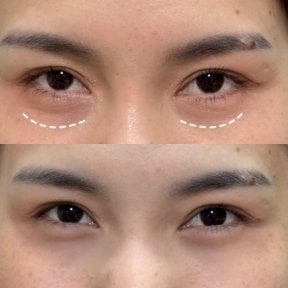
Thai clinics use transconjunctival and subciliary incisions alongside fat repositioning to treat lower eyelid bags and sagging. Surgeons often combine these with fat grafting or canthoplasty for periorbital rejuvenation. Leading Bangkok facilities hold JCI accreditation and employ specialists with extensive international training.
Bookimed Expert Insight: Thai surgeons often hold dual certifications from the Royal College of Surgeons Thailand and the Korean Society of Aesthetic Surgery. This specific training blend leads to many refined suture techniques. Dr Phatcharasak Kraisornphongsakul at ID Clinic Bangkok alone has performed over 20,000 successful procedures.
Patient Consensus: Patients in Thailand report that surgeons are exceptionally skilled with delicate stitching. The gentle care from nursing staff and high quality of surgical teams often exceed their expectations.
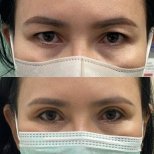
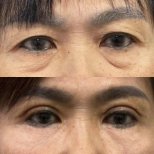
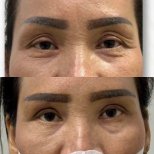
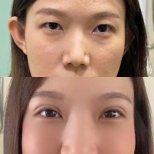
Upper eyelid surgery in Thailand removes excess skin to lift sagging lids. Lower surgery repositions fat to eliminate eye bags. Upper blepharoplasty takes around 1 week to recover. Lower blepharoplasty treats puffiness and requires 2–3 weeks of healing.
Bookimed Expert Insight: Thai specialists often hold board certifications from both Thailand and Korea. Dr Chen Chaicharncheep, for example, combines Korean aesthetic techniques with Thai surgical precision. This expertise is valuable for patients seeking natural-looking results in complex lower eyelid repositioning.
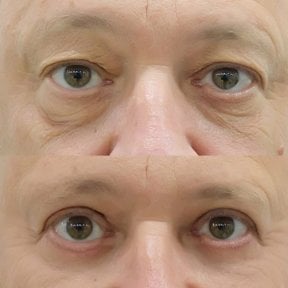
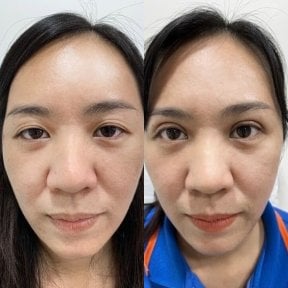
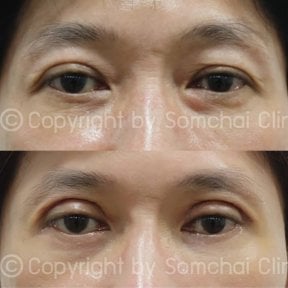
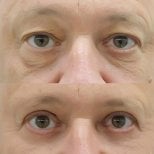
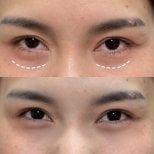
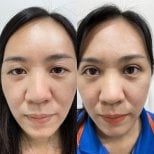
Patient Consensus: People describe upper eyelid surgery in Thailand as a simple way to look less tired. They recommend checking before-and-after photos for lower eyelid cases. It is vital to check the surgeon has experience with your specific eye shape. Most appreciate the gentle care from surgical teams.
Recovery following eyelid surgery in Thailand is rapid. Most patients return to work and social activities within 7 to 14 days. Initial swelling peaks within 48 hours. Suture removal at JCI-accredited clinics follows between days 5 and 7. Final aesthetic results typically settle over several months.
Bookimed Expert Insight: Most clinics are in Bangkok. Choosing a hospital like Yanhee or Wansiri provides 24-hour medical access. This is safer for patients undergoing combined upper and lower procedures. These high-volume centres serve over 1,000 international patients annually. They also provide HEPA-filtered operating theatres.
Patient Consensus: Patients report that days 2 to 4 look challenging due to bruising. However, nurses are gentle during follow-ups. Most suggest bringing lubricating drops for temporary dry eyes. They also recommend staying near the clinic for the first week.
Combining upper and lower eyelid surgery into one session is standard in Thailand. Specialists regularly perform combined blepharoplasty within 2 hours. This occurs under local anaesthesia or light sedation. It allows for balanced facial rejuvenation with a single recovery period at JCI-accredited Bangkok hospitals.
Bookimed Expert Insight: While combined packages often mention no hospital stay, Bookimed data shows premium clinics like DGB Clinic bundle clinic transfers. This is vital for combined cases because post-op swelling can temporarily limit vision. Choosing a package with transport helps you return safely to your hotel after the procedure.
Patient Consensus: Patients in Thailand appreciate the convenience of a single recovery. They report that skilled surgeons produce neat stitches. Many feel the process from initial consultation through surgery and aftercare is seamless and professional.