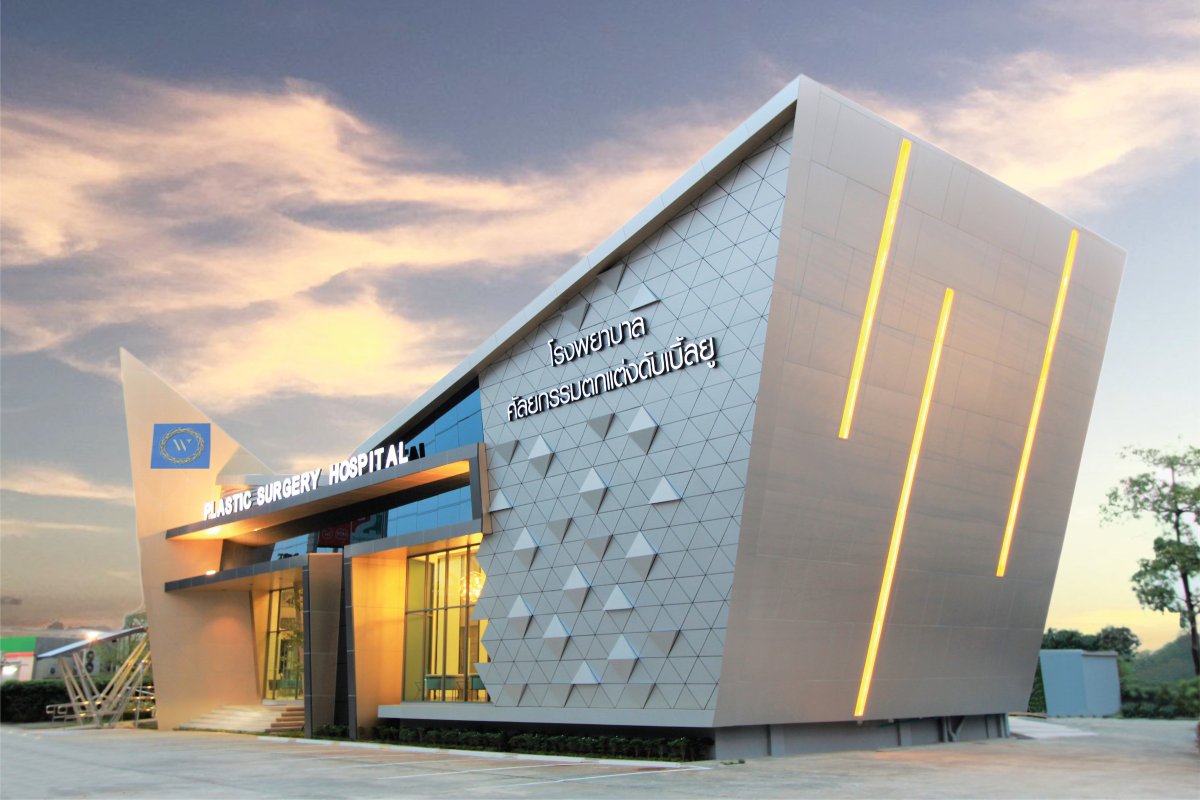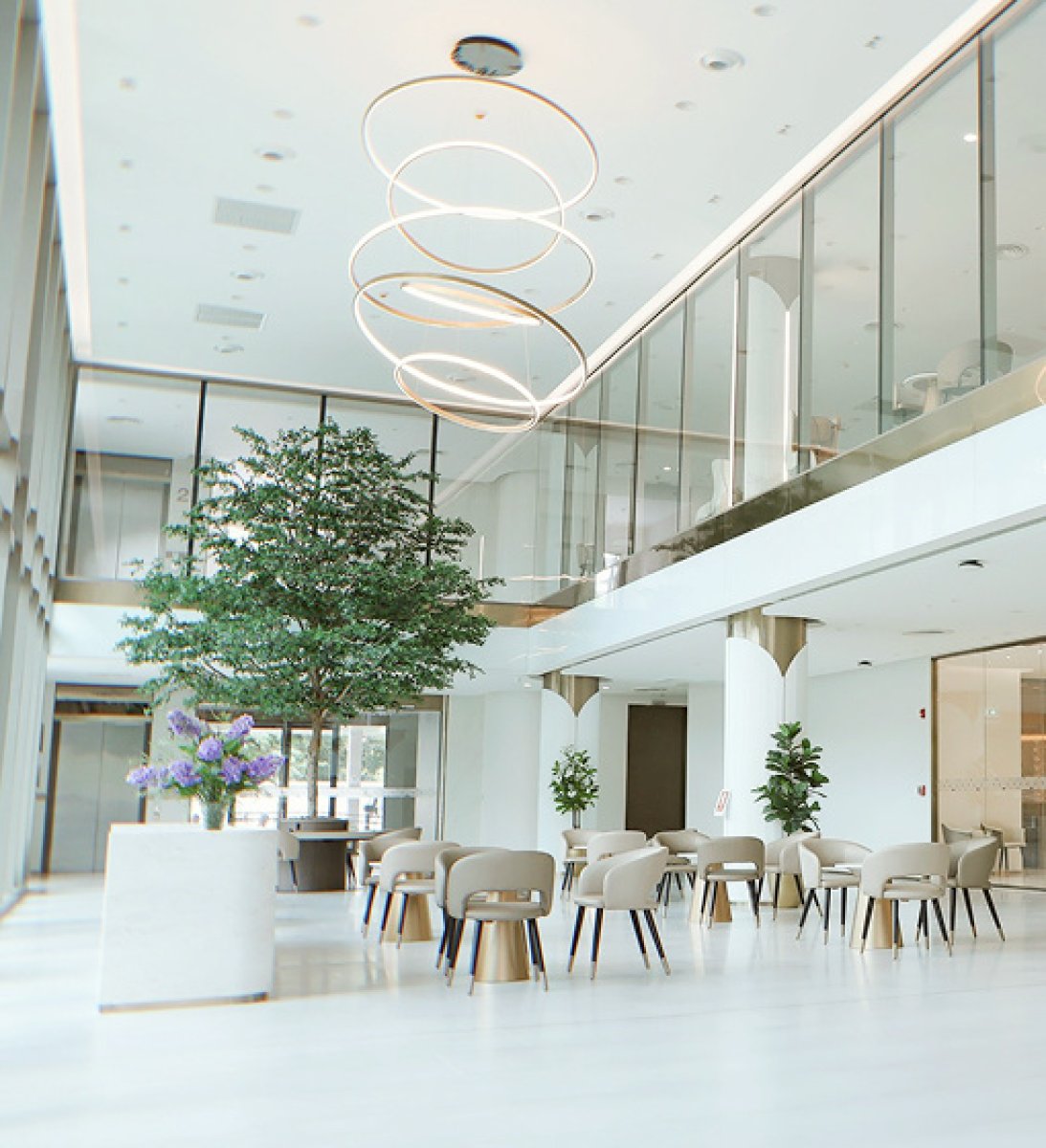
ID Clinic Bangkok
Thailand, Bangkok
Dr Phatcharasak Kraisornphongsakul Md
34 years of experience • 20000+ treatments performed

Surgeon's portfolio
Clinic is certified : 

Medically reviewed by
Ergin Er
Ethnic Rhinoplasty in Thailand typically costs from AUD $4,500 / ฿102,000 to AUD $9,000 / ฿204,000. Prices vary based on surgical complexity, choice of cartilage grafts, and the clinic location. Most Thai packages include the surgeon fee, anaesthetic, pre-operative blood tests, and one night of hospitalisation.
Bookimed Expert Insight: Australian patients frequently choose ID Clinic Bangkok for its 95% success rate and high volume. Many Thai hospitals carry JCI accreditation, such as Sikarin Hospital and Bumrungrad International. This ensures safety standards match or exceed those in private Australian hospitals. High-tier facilities like Bumrungrad are globally recognised, frequently appearing in Newsweek’s best hospital rankings for technological advancement.

Dr. Palapong Chayangsu is a board-certified facial plastic surgeon with 22 years of experience specializing in ethnic rhinoplasty at BKFL Clinic.

Dr. Natthakritta Pruksapanrat is a plastic surgery and wellness specialist at Tonliew Clinic in Bangkok. She personally performs all procedures to ensure high safety standards and medical ethics. Dr. Pruksapanrat analyzes each patient’s physical structure to achieve natural and balanced results. She manages Tonliew Clinic, which treats approximately 1,000 patients annually for cosmetic needs.


 Anna Leonova

Ethnic rhinoplasty balances nasal proportions while maintaining a patient's natural cultural identity. It is recommended in Thailand because local surgeons specialise in Asian and Middle Eastern anatomies. They focus on structural grafting and tip refinement rather than standard reduction for natural results.
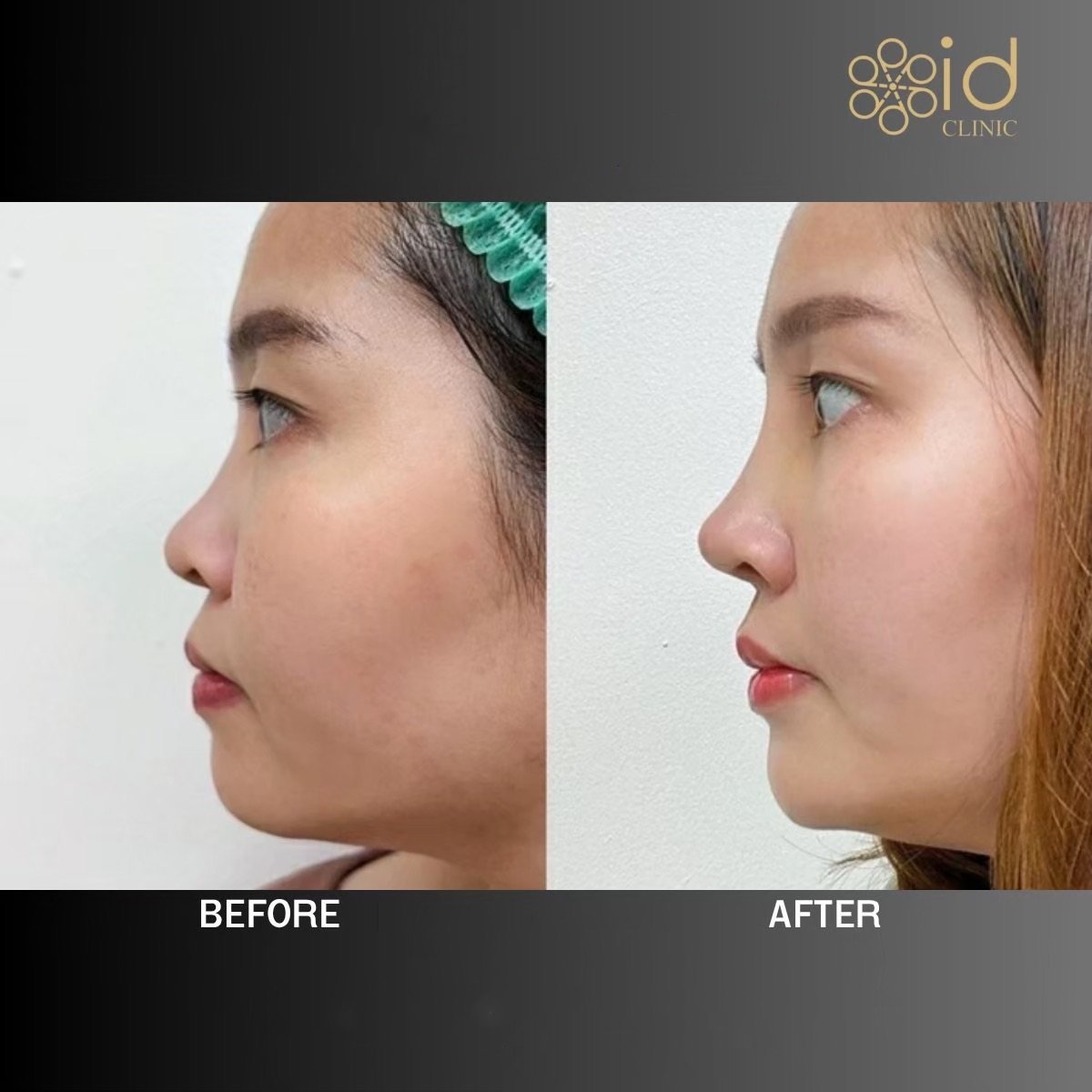
Bookimed Expert Insight: Thailand’s high surgical volume is a key quality signal. Clinics like ID Clinic Bangkok serve 4,000+ patients annually with a 95–96% success rate. This level of repetition means surgeons have mastered the structural grafting required for lasting ethnic nose refinements.
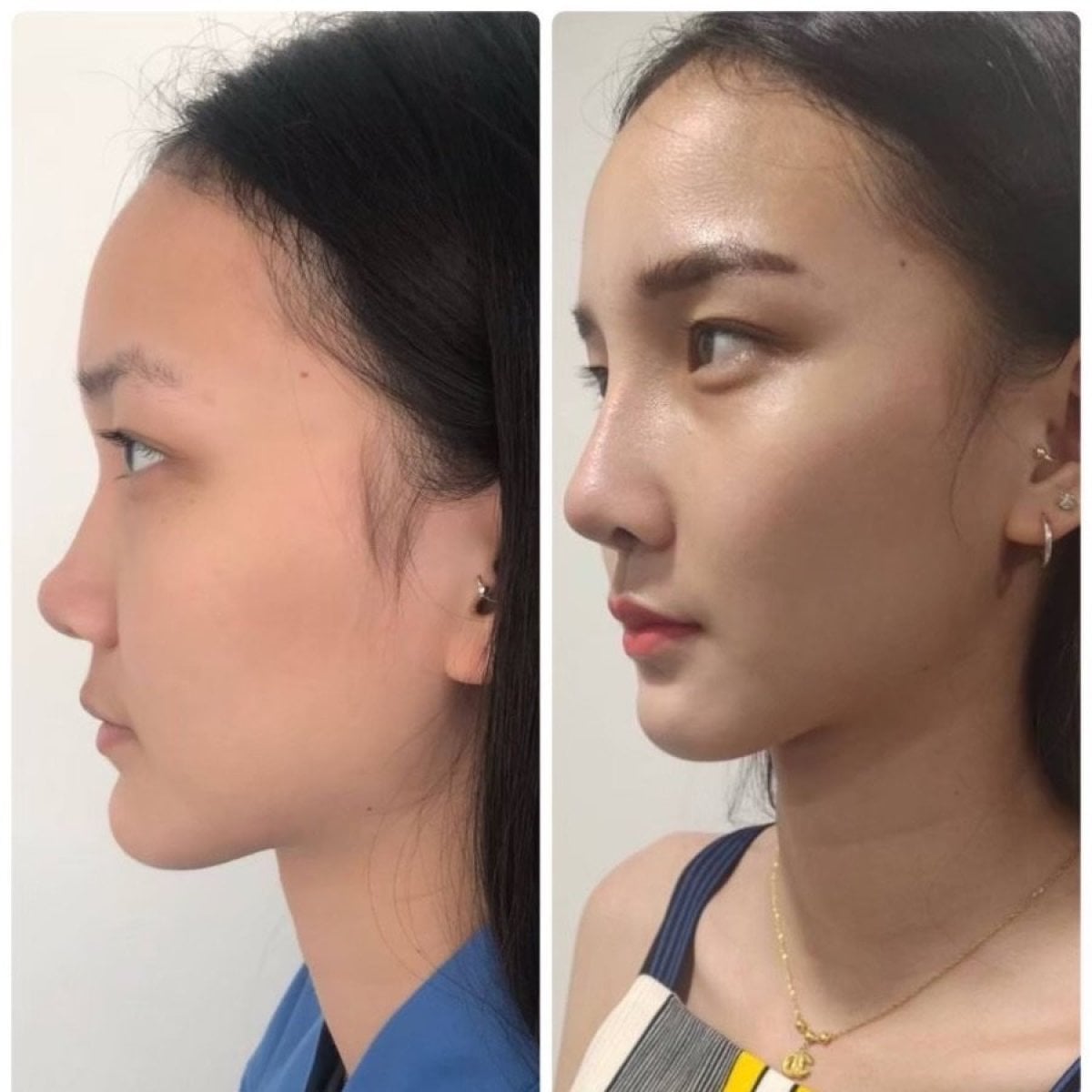
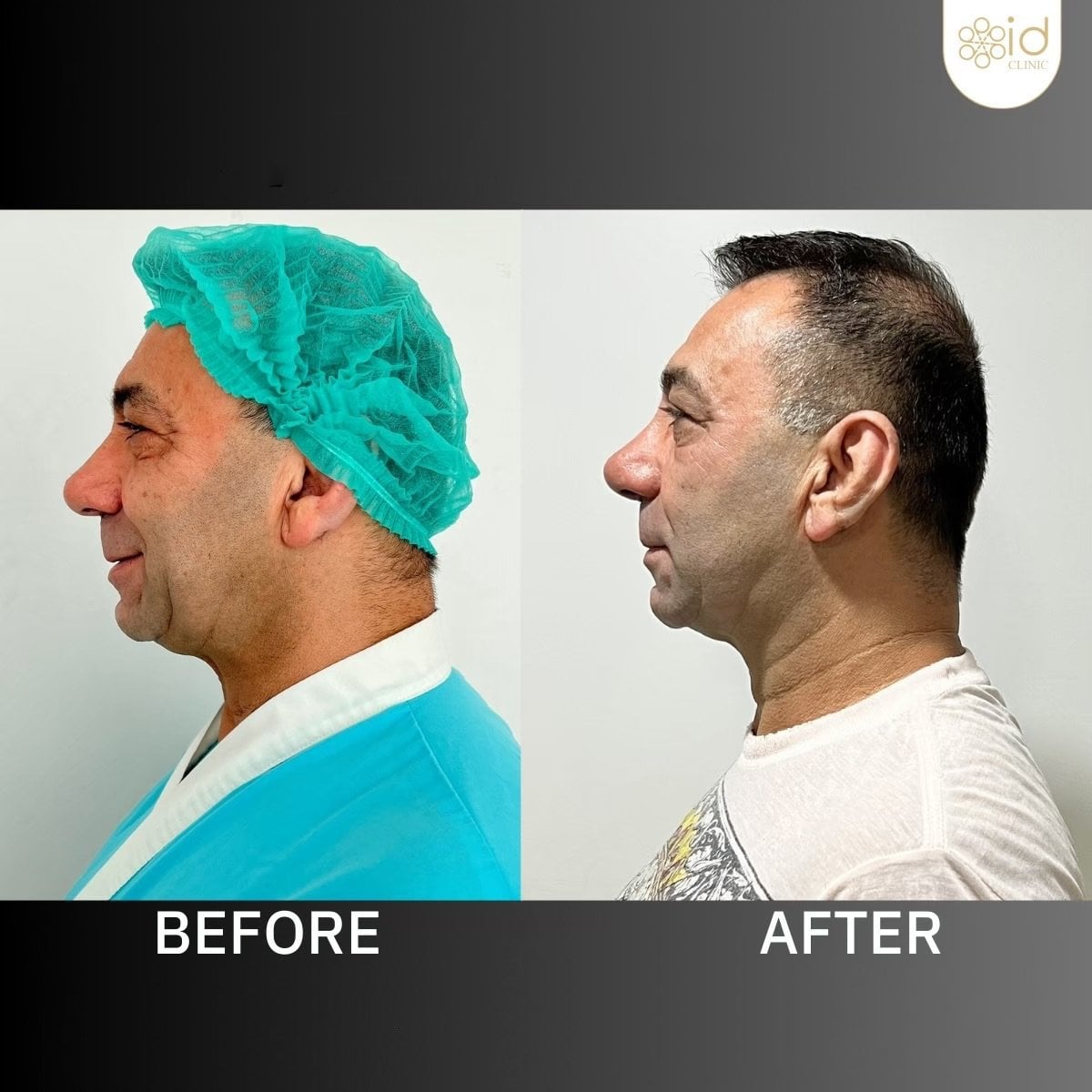
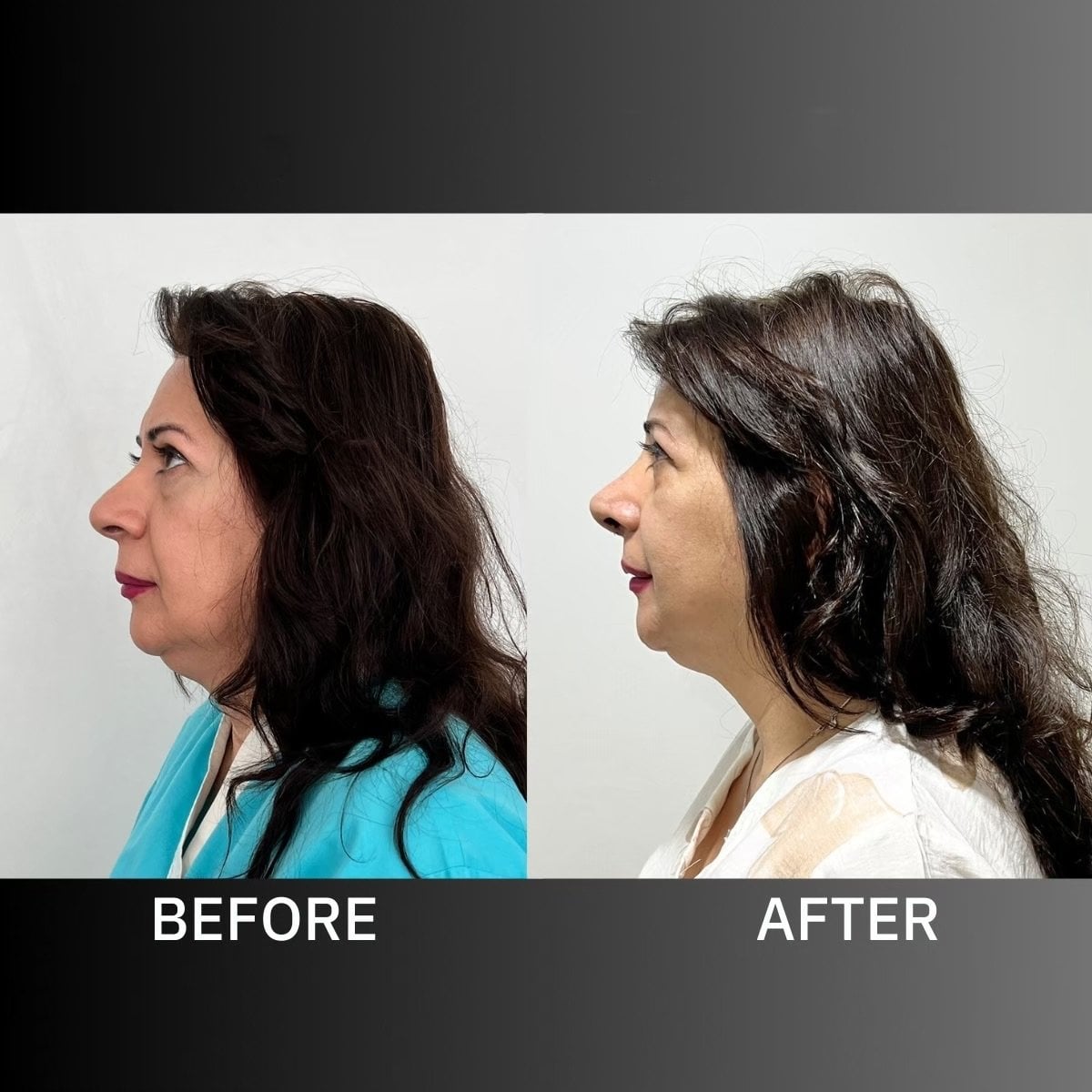
Patient Consensus: Patients in Thailand describe achieving natural refinement that enhances their features without losing their facial identity. They suggest viewing before-and-after photos of similar ethnic backgrounds to check the surgeon's expertise.
Suitable candidates for ethnic rhinoplasty in Thailand include people of Asian, African, or Middle Eastern descent. These individuals seek nasal refinement without losing their cultural identity. Ideal patients have a mature nasal structure and realistic expectations. They want to enhance features like the bridge or tip while managing thicker skin.
Bookimed Expert Insight: Thailand is a global hub for this procedure. It has 154 specialised clinics serving over 1,800 patients annually. Surgeons like Dr Palapong Chayangsu at BKFL Clinic bring 20+ years of experience. They often hold international board certification. This high volume means surgeons are well-versed in diverse nasal anatomies that differ from Western standards.
Patient Consensus: Best candidates aim for natural changes that preserve ethnic harmony. They avoid seeking a drastic Western transformation. Bring clear photo examples to your consultation. Understand that skin thickness and cartilage strength may naturally limit some aesthetic changes.
Thai surgeons specialise in ethnic rhinoplasty using structural augmentation to enhance the nasal bridge and tip. Common methods include closed silicone augmentation for bridge height. Open reconstruction uses autologous rib or ear cartilage for permanent tip refinement and nostril base reduction.
Bookimed Expert Insight: While silicone is common, data indicates a shift toward hybrid techniques in Bangkok. Surgeons often combine a silicone bridge with an autologous cartilage tip. This approach reduces skin pressure and lowers the risk of long-term implant extrusion.
Patient Consensus: Patients in Thailand appreciate that surgeons prioritise bridge and tip augmentation over reduction. Choosing rib cartilage is frequently recommended for a more durable and natural structural result.
Ethnic rhinoplasty in Thailand refines nasal features while preserving cultural identity and facial harmony. Specialists primarily address low nasal bridges, thick skin, and broad bases. They use structural grafts to increase definition without creating a standardised Western appearance.
Bookimed Expert Insight: Thai clinics like ID Clinic Bangkok report a 95–96% success rate for rhinoplasty. Data show that JCI-accredited facilities such as Sikarin Hospital specifically cater to Australians. This indicates high proficiency in managing the thicker skin and varied cartilage strength.
Patient Consensus: Patients in Thailand recommend requesting before-and-after photos of similar ethnic backgrounds. This helps check for natural results. Most say focusing on bridge height and tip definition together achieves the best balance.
Ethnic rhinoplasty recovery in Thailand requires an initial healing phase of 7–14 days. Most patients stay in Bangkok for 7–10 days for suture removal and monitoring. Primary swelling resolves within 4 weeks. However, final structural settling and tip refinement can take up to 12 months.
Bookimed Expert Insight: Thai clinics like ID Clinic Bangkok and Sikarin Hospital frequently manage international cases from Australia. Surgeons here often use specialised techniques to handle thicker skin. Specialists like Dr Palapong Chayangsu, who holds international board certification, focus on structural stability for long-term results.
Patient Consensus: Patients suggest planning 2 weeks of low-profile downtime before flying back to Australia. They recommend allowing 12 months for the final nose shape to settle completely.