
4.9
(221 reviews) 16 years of experience
Septoplasty & Rhinoplasty with Pre-Surgery Nose Modeling — 5 Nights at 4★ Hotel & VIP Transfer
Septoplasty in Turkey typically costs from AUD $2,600 to AUD $4,600, depending on whether the procedure is strictly functional or combined with cosmetic reshaping. In Australia, patients often pay around AUD $8,000, meaning travelling to Turkish hubs like Istanbul or Antalya can offer savings of approximately 55%. Most packages include surgeon fees, general anaesthesia, preoperative blood tests, and VIP airport transfers.
Bookimed Expert Insight: Choosing a clinic that bundles extended accommodation provides significant value for recovery. For example, some Istanbul centres offer packages around A$3,700 that include six nights in a hotel. This is vital for Australians because surgeons like Dr. Cem Altindag or Dr. Ergin Er, who have performed over 5,000 operations, recommend several days of professional monitoring before a long-haul flight home.
| Turkey | Thailand | South Korea | |
| Septoplasty (Deviated Septum Surgery) | from AUD $2,600 | from AUD $3,300 | from AUD $3,700 |
| Turbinoplasty | from AUD $2,900 | ≈ AUD $2,700 | ≈ AUD $2,600 |
| Turbinate reduction | from AUD $4,500 | from AUD $8,300 | ≈ AUD $2,200 |
| Hysteroscopic septoplasty | from AUD $2,700 | ≈ AUD $2,900 | ≈ AUD $3,700 |
| Endoscopic septoplasty | from AUD $3,300 | ≈ AUD $3,700 | ≈ AUD $4,000 |
No hidden fees – just official clinic prices. Pay at the clinic for Septoplasty (Deviated Septum Surgery) upon arrival and use a flexible instalment plan if needed.
Bookimed is committed to your safety. We only work with medical institutions that maintain high international standards in Septoplasty (Deviated Septum Surgery) and have the necessary licenses to serve international patients worldwide.
Bookimed offers free expert assistance. A personal medical coordinator supports you before, during, and after your treatment, solving any issues. You're never alone on your Septoplasty (Deviated Septum Surgery) journey.
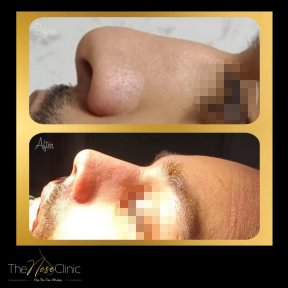
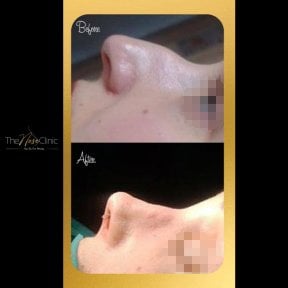
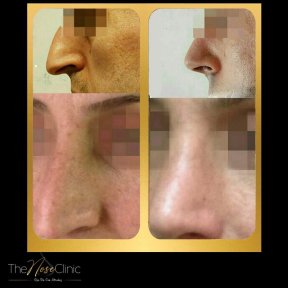


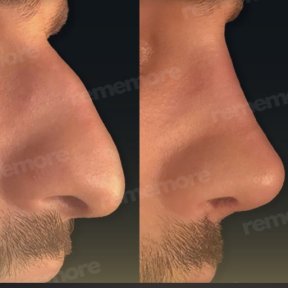
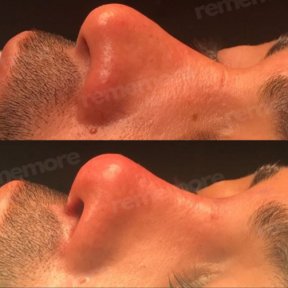
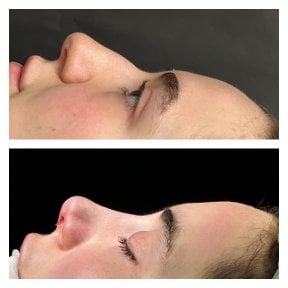
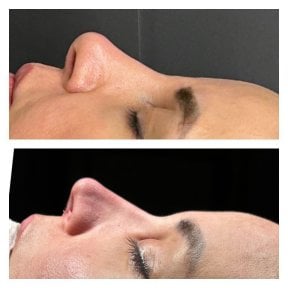

Professor Murat Yaman performs 500 to 600 procedures annually at Lokman Hekim Istanbul Hospital, focusng on high-volume surgical precision for facial and body corrections.
Dr. Emre Gunbey is an ENT specialist at Lokman Hekim Istanbul Hospital. He has performed 3,000+ rhinoplasty procedures. Dr. Gunbey holds a board certification from the European Board of Otorhinolaryngology. He gained international experience as an observer at the Mayo Clinic in the USA.
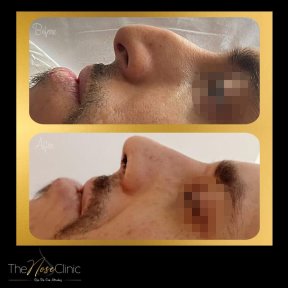
Professor Cem Altindag has performed over 5,000 nose surgeries and serves as a lead surgeon at The Nose Clinic in Istanbul.
Dr Yunus Emre Seker trained under the world-renowned pioneer who performed the first successful uterus and face transplants at Akdeniz University Hospital.
When considering Septoplasty (Deviated Septum Surgery), it’s important to understand the different techniques and which is best suited for you. Here’s a concise comparison of popular options:
A minimally invasive procedure aimed at correcting a deviated nasal septum to improve breathing.
Turbinoplasty is a surgical procedure that reduces the size of the nasal turbinates to improve airflow and alleviate breathing difficulties.
A minimally invasive procedure to correct a uterine septum using a hysteroscope for improved reproductive outcomes.
Septoplasty packages in Turkey typically include the surgery, general anaesthesia, and preoperative tests. They also include logistics. Most bundles cover a 1-night hospital stay and 3–6 nights in a 4-star or 5-star hotel. They also include private VIP transfers between the airport, hotel, and clinic.
Bookimed Expert Insight: Standard packages start from $1,800. However, high-end options like those at Dr. MED include 3D modelling and 1-year virtual aftercare. Patients seeking functional and cosmetic changes should note one key point. Combined septorhinoplasty packages offer better value than booking procedures separately.
Patient Consensus: Coordination is faultless with private drivers and interpreters assisting at every appointment in Turkey. The hospital rooms feel like luxury hotels and the nursing care is exceptionally attentive.
Septoplasty is recommended when a deviated septum obstructs the nasal passages and significantly hinders breathing. Specialists recommend it after non-surgical treatments don't relieve chronic congestion, sleep apnoea, or sinus infections. These issues stem from anatomical blockage.
Bookimed Expert Insight: Data from Turkish clinics shows surgeons often perform septoplasty alongside turbinate resection for A$8,600. This combination addresses both bone and soft tissue blockages. Patients typically report greater long-term improvement in airflow than with septoplasty alone.
Patient Consensus: Many undergoing septoplasty in Turkey describe the results as life-changing after years of permanent congestion. They recommend using salt water rinses during the first week to manage initial swelling and dryness.
Standard septoplasty in Turkey does not change the external shape of the nose. The procedure focuses on straightening the internal cartilage to improve airflow. However, a straighter bridge may result. This happens if a severe deviation previously made the nose appear crooked from the outside.
Bookimed Expert Insight: Bookimed data shows that premium Turkish packages increasingly include 3D nose modelling. Dr Ibrahim Altoparlak at Dr. MED uses this to show patients exactly how a functional septoplasty vs a combined septorhinoplasty will look. This prevents unwanted aesthetic changes.
Patient Consensus: Turkish surgeons are praised for their honesty regarding breathing improvements. Patients mention that mouth-breathing during the first few days is the toughest part. However, breathing often improves significantly once internal splints are removed after one week.
Recovery from septoplasty in Turkey typically involves a 7 to 10 day stay. This allows for monitoring and splint removal after surgery. Most patients return to light activities within 1 to 2 weeks. However, internal swelling and tissue stabilisation continue for 3 to 6 months.
Bookimed Expert Insight: Clinics like Dr. MED and Istanbul Aesthetic Plastic Surgery Center often bundle 5–6 nights of hotel accommodation into their packages. This aligns with the 7-day milestone. At this point, surgeons like Dr. Ergin Er typically remove splints. They also perform a final check-up before patients fly home.
Patient Consensus: Mouth breathing is the main challenge during the first week in Turkey. Patients find relief using humidifiers and saline rinses. They often notice improved breathing just 5 days after surgery.
Most patients return to work within 7–10 days, though full internal healing takes about 3 months. Turkish clinics typically require a 5–7 day stay to monitor initial healing and remove nasal splints. Early recovery involves managing congestion and mouth breathing while swelling gradually subsides.
Bookimed Expert Insight: While many expect immediate results, breathing improvements are often gradual rather than instant. Significant centres like Hisar Hospital or Dr. MED handle over 4,500 patients annually. Their data shows combined procedures often extend the visible swelling phase. For example, turbinate resection or rhinoplasty can make it last toward 3 months.
Patient Consensus: Patients report the first week is physically demanding. This is due to mouth breathing and congestion while sleeping. However, many find the professional support and clear aftercare guides in Turkey helpful. This makes the transition much easier.
Septoplasty is a functional operation to fix a deviated septum and improve breathing. Rhinoplasty is a cosmetic procedure to reshape the external nose. In Turkey, specialists often combine these into a single septorhinoplasty. This addresses both airflow and appearance in one surgery.
Bookimed Expert Insight: While septoplasty costs from $1,800, most patients choose the A$7,300 combined septorhinoplasty packages. This usually includes 3D nose modelling at clinics like Dr. MED to preview results. This bundle represents a 55% saving compared to the $5,600 Australian average for separate surgeries.
Patient Consensus: Detailed consultations in Turkey helped me understand that septoplasty is interior work for breathing. Rhinoplasty refined my profile and removed a small bump. I spent the first week breathing through my mouth. My breathing improved noticeably after the splints were removed.
Septoplasty in Turkey is generally not considered painful. This is because surgeons perform the procedure under general anaesthesia. Postoperative recovery is typically described as mild pressure, congestion, and discomfort rather than sharp pain. Discomfort is effectively managed using prescribed painkillers and cold compresses within JCI-accredited facilities.
Bookimed Expert Insight: Data shows a clear trend. Patients who choose endoscopic septoplasty, such as at Hisar Hospital, report faster recovery. Traditional methods often require more extensive packing. However, endoscopic techniques allow for more precise corrections with less tissue trauma. This often reduces the "tough" recovery window from 4 days down to 2.
Patient Consensus: Many found the inability to breathe through their nose more challenging than actual pain. They suggest being patient with swelling. They noted that the pressure vanishes once the splints are out.
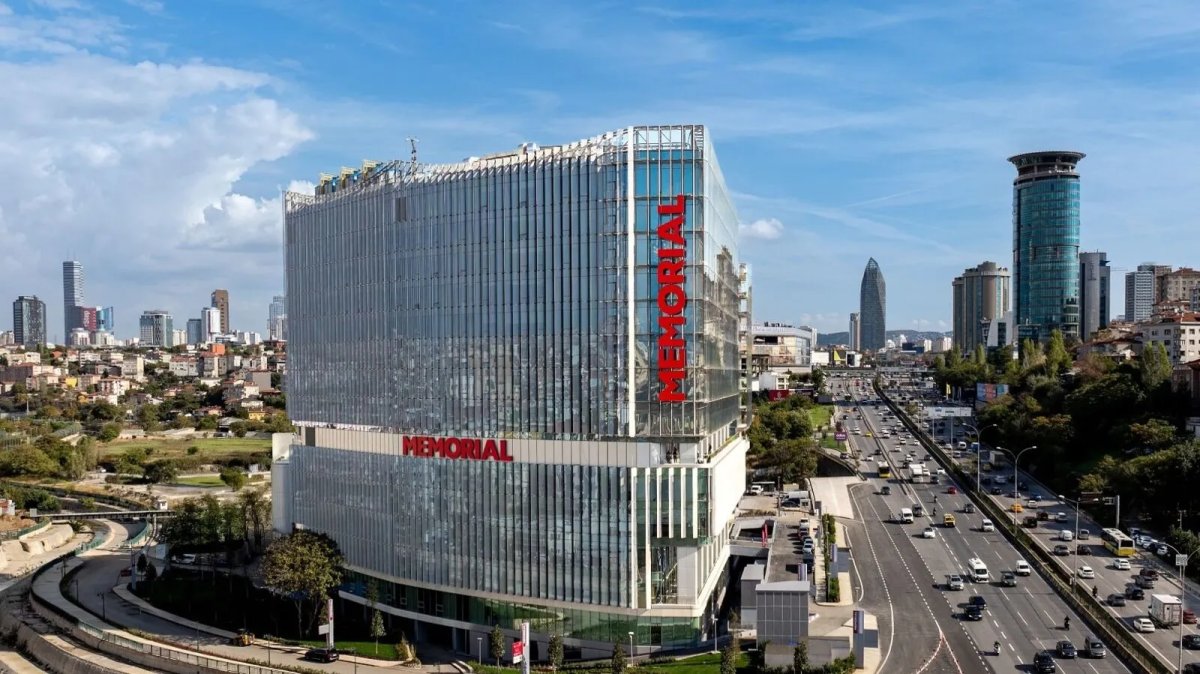
Medical facilities in Turkey are safe for septoplasty and meet rigorous international clinical protocols. High-volume centres like Memorial Şişli Hospital and Hisar Hospital Intercontinental maintain JCI accreditation. Specialist surgeons often hold memberships in the European Board of Urology or equivalent bodies. They perform thousands of nasal procedures annually.
Bookimed Expert Insight: Quality often correlates with volume and specialisation in the Turkish medical market. Dr Ibrahim Altoparlak at Dr. MED performs septoplasty alongside 3D nose modelling. This technology lets surgeons plan functional corrections while visualising aesthetic outcomes. High-volume centres typically include comprehensive preoperative screenings as standard practice.
Patient Consensus: Patients in Turkey highlight the professionalism of the medical teams. They also mention the ease of the process. They appreciate the clear communication about recovery. They also value the comfort of the inclusive transfer services.
Patients should plan to stay in Turkey for 7 to 9 days for a septoplasty. This duration covers the initial recovery. It also covers internal splint removal on day 7 and essential follow-up consultations at JCI-accredited facilities like Hisar Hospital Intercontinental before flying back home.
Bookimed Expert Insight: While a 7-day stay is standard, packages at clinics like Dr. MED or Istanbul Aesthetic Plastic Surgery Center often include 5–6 nights of hotel accommodation. This aligns with the day 7 splint removal, so patients are medically cleared by specialists like Dr. Ergin Er before they depart.
Patient Consensus: The first few days in Istanbul often involve mouth-breathing and fatigue. However, most patients are walking comfortably by day 4. Recovery requires patience, as final breathing improvements and reduced swelling take a few weeks to settle.