
4.7
(27 reviews) 31 years of experience
Board-certified
Premium Septoplasty (Deviated Septum Surgery) All Included
Septoplasty in Thailand typically costs from AUD $3,300 / ฿78,200 to AUD $6,600 / ฿156,400. The final price depends on the surgical technique, the clinic tier, and whether it's combined with cosmetic rhinoplasty. In Australia, this procedure costs AUD $8,000 / ฿190,400 on average, meaning patients save approximately 38% by travelling. Most Thai packages include surgeon fees, anaesthetic, a hospital stay, and post-operative medications.
Bookimed Expert Insight: Choosing a JCI-accredited facility provides Australian patients with international safety standards. Bumrungrad International Hospital and Asia Cosmetic Hospital both hold this accreditation. While premium hospitals charge more, they often include specialists like Dr. Tanongsak Panyawirunroj, who has performed 15,000+ operations. Some clinics, like Wansiri Hospital, provide luxury extras such as 7-day hotel stays in their packages.
| Thailand | Turkey | South Korea | |
| Septoplasty (Deviated Septum Surgery) | from AUD $3,300 / ฿78,200 | from AUD $2,600 / ฿61,200 | from AUD $3,700 / ฿88,400 |
| Turbinoplasty | ≈ AUD $2,700 / ฿64,600 | from AUD $2,900 / ฿68,000 | ≈ AUD $2,600 / ฿61,200 |
| Turbinate reduction | from AUD $8,300 / ฿197,200 | from AUD $4,500 / ฿105,400 | ≈ AUD $2,200 / ฿51,000 |
| Hysteroscopic septoplasty | ≈ AUD $2,900 / ฿68,000 | from AUD $2,700 / ฿64,600 | ≈ AUD $3,700 / ฿88,400 |
| Endoscopic septoplasty | ≈ AUD $3,700 / ฿88,400 | from AUD $3,300 / ฿78,200 | ≈ AUD $4,000 / ฿95,200 |
No hidden fees – just official clinic prices. Pay at the clinic for Septoplasty (Deviated Septum Surgery) upon arrival and use a flexible instalment plan if needed.
Bookimed is committed to your safety. We only work with medical institutions that maintain high international standards in Septoplasty (Deviated Septum Surgery) and have the necessary licenses to serve international patients worldwide.
Bookimed offers free expert assistance. A personal medical coordinator supports you before, during, and after your treatment, solving any issues. You're never alone on your Septoplasty (Deviated Septum Surgery) journey.
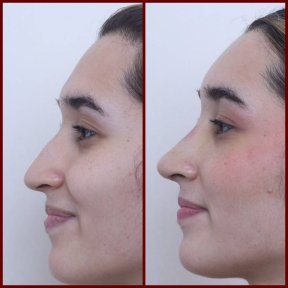
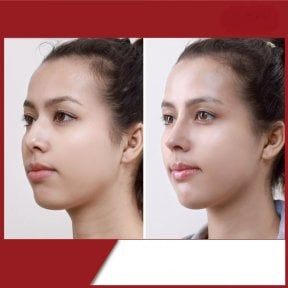
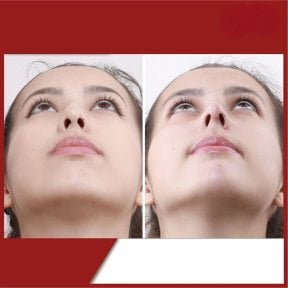
Dr Saran Wannachamras is a highly experienced plastic surgeon at Wansiri Hospital who has performed over 900 successful treatments.
Dr Tanongsak Panyawirunroj is a specialist plastic and reconstructive surgeon who completed advanced fellowships in craniofacial and facial surgery across Taiwan, Canada, and South Korea.
Dr. Jiraroch Meevassana is a plastic and reconstructive surgeon at Wansiri Hospital in Bangkok. He specializes in gender-affirming procedures, deep plane facelifts, and complex rhinoplasty. Dr. Meevassana completed prestigious training at the ASAN Medical Rhinoplasty Forum in South Korea. He also holds surgical certifications from Chulalongkorn University and the Royal College of Surgeons Thailand.
When considering Septoplasty (Deviated Septum Surgery), it’s important to understand the different techniques and which is best suited for you. Here’s a concise comparison of popular options:
A minimally invasive procedure aimed at correcting a deviated nasal septum to improve breathing.
Turbinoplasty is a surgical procedure that reduces the size of the nasal turbinates to improve airflow and alleviate breathing difficulties.
A minimally invasive procedure to correct a uterine septum using a hysteroscope for improved reproductive outcomes.
Verifying a Thai surgeon involves checking their registration with the Medical Council of Thailand (TMC). This official body maintains a database to confirm active licenses. Successful cross-referencing of surgical board certifications and hospital operating privileges ensures the specialist is qualified to perform septoplasty.
Bookimed Expert Insight: Data shows that top-tier Bangkok surgeons often hold international fellowships, such as Dr Ornouma Srivanishvipat at Yanhee International Hospital who trained in the USA. These global credentials distinguish specialist ENT surgeons from general practitioners and are a strong indicator of advanced expertise.
Patient Consensus: Patients suggest checking official hospital staff lists to confirm surgeons work there regularly. It is vital to verify Thai specialist registration directly rather than relying on general marketing titles. Focus on finding ENT surgeons for septoplasty as they specialise in nasal function.
Patients should plan to stay in Thailand for 7 to 10 days following a septoplasty. This timeframe allows enough time for the initial post-operative review where surgeons check for bleeding and infection or remove internal nasal packing and splints.
Bookimed Expert Insight: Thai clinics like DGB Clinic often build a 10-day hotel requirement into their planning for a reason. While the surgery itself is quick, early pressure changes during a 9-hour flight to Australia can cause significant discomfort or bleeding. Staying the full 10 days ensures the nasal passages have stabilised enough for cabin pressure shifts.
Patient Consensus: Plan for mouth breathing and dry air during the flight home. Adding a two-day buffer after the final checkup helps manage fatigue and ensures the surgeon has officially cleared the travel.
Immediate recovery involves intense congestion and sinus pressure. The first 48 hours focus on managing swelling, maintaining vitals, and preventing bleeding. Clinics like Asia Cosmetic Hospital often use anesthesiologists to supervise the transition from theatre. Follow-up visits are essential before taking a long flight home.
Bookimed Expert Insight: Coordination data shows Thai clinics often require a 10-day hotel stay. This allows for essential follow-up visits before flying. Dr Tanongsak Panyawirunroj at Asia Cosmetic Hospital has performed 15,000+ procedures. This high volume often results in more efficient theatre times.
Patient Consensus: Expect significant sinus pressure rather than sharp pain during recovery in Thailand. Keep water nearby for a dry mouth. Sleep will likely be fragmented. Using saline sprays regularly helps clear the nasal passages.
Reputable hospitals for septoplasty in Thailand include Joint Commission International accredited centres in Bangkok and Pattaya. Top-tier institutions like Bumrungrad International Hospital and Wansiri Hospital provide advanced endoscopic techniques. These facilities feature specialised 耳鼻咽喉科 (ENT) departments with surgeons trained in functional nasal repair and complex airway reconstruction.
Bookimed Expert Insight: While many clinics offer cosmetic packages, choosing a multi-specialty hospital like Bumrungrad ensures access to comprehensive diagnostic imaging. These high-volume centres perform thousands of ENT procedures yearly. This experience is vital for complex cases involving both functional breathing issues and structural nasal correction.
Patient Consensus: Patients recommend choosing Bangkok hospitals with dedicated ENT departments rather than cosmetic clinics for breathing issues. Reviews suggest planning a 10-day stay in Thailand to allow for essential follow-up checks.
Septoplasty in Thailand typically requires general anaesthesia, particularly when specialists combine it with turbinate reduction or sinus work. Surgeons perform the procedure in hospital theatres to ensure patient comfort and safety. Some minor cases may use local anaesthetic with sedation.
Bookimed Expert Insight: Thai hospitals often bundle 10-day recovery stays into their surgical schedules. This reflects the intensive nature of general anaesthesia recovery compared to simple local numbing. While Australian clinics may treat this as day surgery, Bangkok centres prioritise observation to manage post-operative nasal packing safely.
Patient Consensus: Patients find that nasal packing and congestion cause more initial discomfort than the anaesthesia. Most feel grateful for Being fully asleep during the procedure in Thailand.
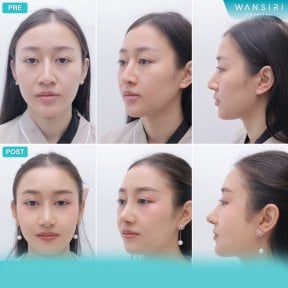
Standard septoplasty is an internal medical procedure and does not change the external shape of the nose. It focuses strictly on straightening the midline wall of cartilage and bone to improve breathing performance. All surgical incisions are made inside the nostrils, leaving no visible external scarring.
Bookimed Expert Insight: While septoplasty is functional, many Thai clinics like Asia Cosmetic Hospital or Wansiri Hospital host surgeons with dual training in ENT and plastic surgery. This expertise ensures that internal corrections never compromise the external support structure. For those wanting aesthetic changes, combining septoplasty with a cosmetic rhinoplasty is a common and efficient request served in Bangkok.
Patient Consensus: Patients in Thailand confirmed their nose shape stayed the same while breathing became much easier. Most noted that subtle straightening only happened when the internal blockage was very severe.