How it works
We've transformed the clinic search process, making it simple, fast, and personal.
Answer a few questionsTake a short quiz to share your Endoscopic septoplasty goals.
Get personalised offers3 clinics, handpicked based on your answers, provide tailored treatment plans and quotes.
Choose the best optionCompare offers and choose the clinic that suits you best.
You can also browse all 25 clinics below.
1M+ patients have got assistance since 2014
50 countries
1,500 clinics
6K+ reviews
3K+ qualified doctors
How Much Does Endoscopic septoplasty Cost in Turkey in AUD?
Endoscopic septoplasty in Turkey typically costs from AUD $3,300 to AUD $6,000. Total pricing depends on the surgical technique, hospital accreditation, and the city location. Patients save around 48% by travelling to Turkey from Australia, where this procedure costs AUD $9,200 on average. Most Turkish packages include the operation, anaesthetic, preoperative tests, and transfers.
- Standard septoplasty: typically costs 20–30% less than the advanced endoscopic technique.
- Combined septorhinoplasty: adding cosmetic nose reshaping usually increases the base price by 15–20%.
- City location: packages in Istanbul often cost 10–20% more than in Antalya or Izmir.
- Facility tier: JCI-accredited hospitals often charge higher rates due to international safety audits.
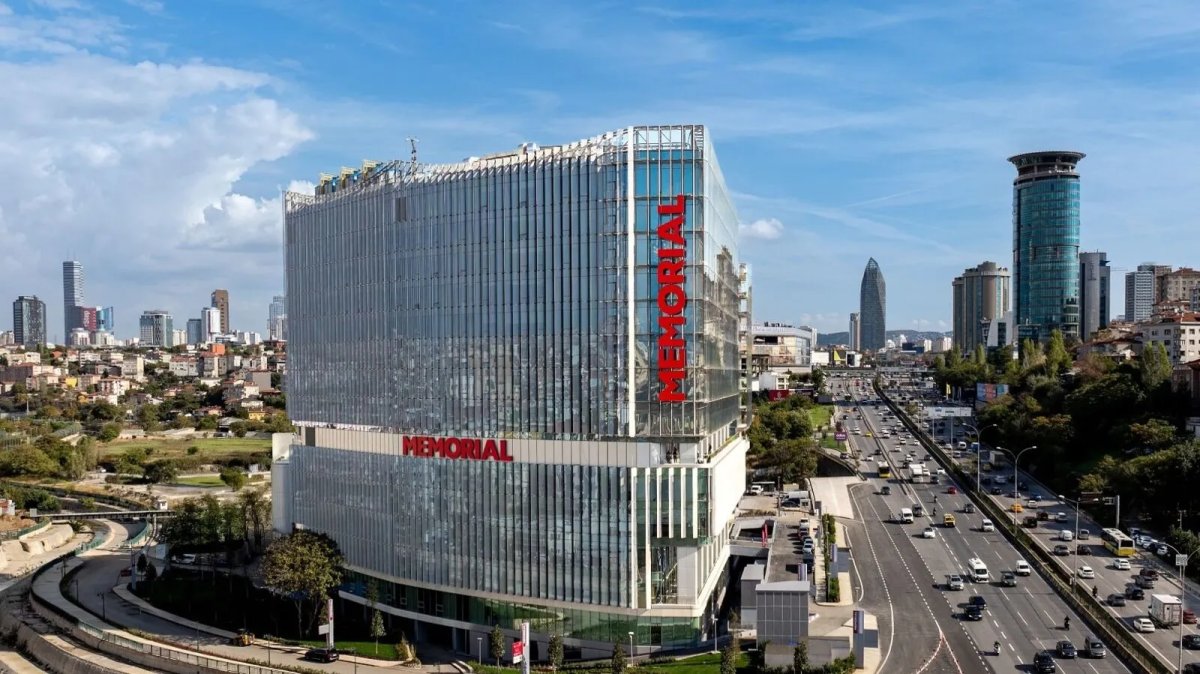
Bookimed Expert Insight: Australian patients often find high value in JCI-accredited Istanbul hospitals like Memorial Şişli Hospital. These facilities offer fixed-price packages at approximately A$6,020. This price includes preoperative tests and consultant reviews. While local clinics in Izmir or Antalya may offer lower rates, Istanbul provides the highest concentration of internationally trained ENT specialists. Choosing a hospital with JCI accreditation ensures their quality systems meet global standards.
| Turkey | Thailand | South Korea | |
| Endoscopic septoplasty | from AUD $3,300 | ≈ AUD $3,700 | ≈ AUD $4,000 |
Data verified by Bookimed as of October 2026, based on patient requests and official quotes from 51 clinics worldwide. Median costs are based on real invoices (2025–2026) and updated monthly. Actual prices may vary.
Endoscopic septoplasty Packages in Turkey — October 2026 (AUD Pricing for Australians)
Procedure type


Best Endoscopic septoplasty Clinics in Turkey for Australians: 25 Verified Options and AUD Prices
Hisar Hospital Intercontinental
Hisar Hospital Intercontinental
Turkey, Istanbul
Yavuz Selim Yildirim
19 years of experience
Clinic is certified :
Dr. MED
Dr. MED
Turkey, Istanbul
The Nose Clinic
The Nose Clinic
Turkey, Istanbul
Cem Altindag
27 years of experience • 5000+ treatments performed
accreditations :
Clinic is certified :
Memorial Şişli Hospital
Memorial Bahçelievler Hospital
Memorial Bahçelievler Hospital
Turkey, Istanbul
Mehmet Melih Cicek
17 years of experience
Clinic is certified :
Soraca Med Istanbul
Medical Park Göztepe Hospital Complex
Medical Park Göztepe Hospital Complex
Turkey, Istanbul
Emrah Koksal
9 years of experience
Clinic is certified :
Soraca Med
VM Medical Park Florya Hospital
You’ve viewed 9 of 25 clinics
Endoscopic septoplasty Overview in Turkey
Takeaways
Related procedures & Costs
How it works
Benefits
Payment
patients recommend -
85%
Surgery Time - 2 hours
Stay in the country - 3 days
Rehabilitation - 1 day
Anaesthesia - General anaesthesia
Requests processed - 110449
Verified patient reviews - 23
Bookimed fees - $0
Types of Endoscopic septoplasty
- Septoplasty (Deviated Septum Surgery) - from AUD $2,584The procedure corrects a deviated septum, improving airflow, decreasing snoring, and supporting a healthy nasal function.
- Balloon sinuplasty - from AUD $6,316The procedure is a non-invasive treatment for sinusitis, using a small balloon to dilate inflamed sinus passages.
- Turbinate reduction - from AUD $4,450The procedure helps alleviate congestion by reshaping nasal structures, improving airflow with less invasiveness and downtime.
- Endoscopic septoplasty - from AUD $3,301This operation corrects deviated septum, improving breathing and sinus issues with minimal incisions and fast recovery.
- Hysteroscopic septoplasty - from AUD $2,727The operation of septoplasty is performed using an endoscope, which allows all manipulations to be carried out through miniature incisions. This procedure can correct a deviated septum and improve nasal breathing.
- Turbinoplasty - from AUD $2,871This therapy reshapes nasal passages to help breathing, improving sleep and reducing snoring.
How to find best offer with Bookimed?
Discover options on the website: deals, clinics, and doctors.
Select your favourites.
Share photos or describe your issue.
Send a request.
Receive free offers for your needs with prices and details.
Compare and finalise your choice.
Book your clinic visit.
Pay at the clinic. Bookimed fees are $0 for you.
From start to finish, the Bookimed coordinator keeps you safe and comfortable during your medical journey.
100% free, non-binding assessment of your case after photos download.
Instant FREE personalised offers to make the right choice.
Expert guidance in choosing the perfect Plastic Surgery doctor and clinic.
Special packages and exclusive prices for our patients.
24/7 Bookimed guidance at no cost, guaranteed.
Hassle-free translation of your medical documents for clinics.
Multilingual staff — no language barrier with Bookimed coordinator.
Bookimed ensures transparent and secure payments. Patients pay at the clinic with no additional fees.
Available Payment Methods:
How to Secure an Appointment:
1. Documents: Passport and ticket copies.
or
2. Deposit:
- Bookimed deposit: $200 or €200.
- Clinic deposit: Pay a set percentage in advance.
For more information, see our Payment Policy
Our Trusted Doctors for Australian Patients
View all Doctorsverified
Dr Emre Gunbey
13 years of experience
Dr. Emre Gunbey is an ENT specialist at Lokman Hekim Istanbul Hospital. He has performed 3,000+ rhinoplasty procedures. Dr. Gunbey holds a board certification from the European Board of Otorhinolaryngology. He gained international experience as an observer at the Mayo Clinic in the USA.
- Specializes in rhinoplasty, revision surgery, and sleep apnea treatment.
- Author of over 50 articles in reputable medical journals.
- Member of the European Rhinology Association and Facial Plastic Surgery Association.
- Works at Lokman Hekim Istanbul Hospital, a JCI-accredited medical center.
verified
Cem Altindag
27 years of experience • 5000+ treatments performed
Dr. Cem Altindag is an ENT and plastic surgeon at The Nose Clinic in Istanbul. He has performed over 5,000 operations, focusing on nasal aesthetics and function. Dr. Altindag completed professional training across the USA, UK, Germany, and France. He serves as a member of the European Rhinoplasty Society.
- Specializes in septoplasty, revision rhinoplasty, and closed nose surgery techniques.
- Served as an honorary consultant at the Royal National ENT Hospital in London.
- Treats conditions including deviated septums, nasal polyps, and adenoids.
- Works at a facility authorized by the Turkish Ministry of Health for medical tourism.
verified
Mustafa Akarcay
29 years of experience
Dr. Mustafa Akarcay is an ENT specialist at Memorial Şişli Hospital in Istanbul. He is the former Head of the ENT Department at Demiroğlu Bilim University. Dr. Akarcay has served as an Associate Professor at İzmir and İnönü Universities. He treats a variety of ear, nose, and throat diseases using modern surgical techniques.
- Served as Department Head at Şişli Florence Nightingale Hospital.
- Held teaching roles as a lecturer for over a decade.
- Dr. Akarcay works at the first JCI-accredited hospital in Turkey.
- Practiced at leading institutions including Memorial Şişli and Kolan International.
verified
Cemal Firat
24 years of experience
Dr. Cemal Firat is a professor of plastic surgery at Medical Park Antalya. He focuses on microsurgery and complex reconstructive procedures. He treats nerve injuries, cleft palates, and skin tumors. Dr. Firat works at a facility that holds international health tourism certification.
- Specializes in maxillofacial surgery and breast reconstruction.
- Performs aesthetic procedures including rhinoplasty, facelifts, and liposuction.
- Researches clinical burn wound healing and nerve regeneration.
- Served as an education coordinator at Inonu University.
Video Stories from Bookimed Patients
Oksana
I have fulfilled my dream. Finally, I won't cry about my hair anymore.
Procedure: Hair transplant
Roman
Just 4 days in Turkey, and I'm already home with a new hair.
Procedure: Hair transplant
Jamie
Bookimed made this medical trip a breeze.
Procedure: Sex reassignment surgery
Reviews about Bookimed: Discover Patients' Insights
All reviewsDenys Kryvonos • Endoscopic septoplasty
Ukraine
11 Sept 2025
The entire experience was excellent – the doctor and his team were highly professional, and I am very satisfied with the results
I underwent endoscopic septoplasty with Dr. Cem. The entire experience was excellent – the doctor and his team were highly professional, and I am very satisfied with the results (it has been 2.5 weeks, and everything seems great so far).
The staff were friendly and attentive, and the clinic provided a seamless service, including airport transfer, transfer to the bus station, and an additional night at the hotel.
I am grateful for their professionalism and excellent care.
Anonymous • Endoscopic septoplasty
Ukraine
17 Nov 2025
Dr
I want to thank all the team of this clinic. Everything went exactly as we discussed online. Special thanks to Lara for her support and translation! And, of course, to Dr. Ibrahim himself! He's a professional in his field and does a great job!
Doctor Mr.Ibrahim and team support
Nothing
About Bookimed service
I want to thank Alexander for his recommendations and professional experience. This platform can be trusted !
Matvei Lessikov • Rhinoplasty (nose job)
Kazakhstan
21 Apr 2025
Dr Hakan in particular, he was very attentive, friendly and open, explained everything and took care of us
I am grateful to bookmed for helping me choose a clinic. Everything that was promised was fulfilled in full! We were met and organised everything very efficiently in terms of time. The interpreter Akilai was very good, she solved all our queries and questions very quickly and was available 24/7. Dr Hakan - hair transplant and Dr Ibrahim Renoseptoplasty are very competent. I would like to mention Dr Hakan in particular, he was very attentive, friendly and open, explained everything and took care of us...The doctors did a great job and now everything depends on how carefully their recommendations will be followed during the rehabilitation period.
Sara • Septoplasty (Deviated Septum Surgery)
United Kingdom
20 June 2026
Everything went smoothly
My consultation with the surgeon was clearly. He was very honest about the level of breathing improvement I could expect, which I appreciated, and it was reassuring that he personally handled both the initial meeting and my septoplasty with rhinoplasty. I’m still in the early stages of healing, but I'm feeling better than expected. The procedure was done under general anesthesia. The support afterward has been solid; the clinic gave me a clear aftercare guide and the staff has always been easy to reach. It was also a relief that there were no additional expenses beyond what was quoted. Everything went smoothly.
Everything was beyond expectation, from the online support until the day we came back was everything great, no worries about anything, the staff was lovely, the doctor make you feel very comfortable with everything, and translators were really kind. Felt very safe every step of the way.
Anonymous • Male Rhinoplasty
Ukraine
7 June 2026
The surgeon and the clinic staff worked very smoothly and professionally
My main concern was post-operative discomfort, and that’s partly how it turned out: the hardest part wasn’t the pain, but having to breathe through my mouth all the time whilst sleeping. It wasn’t easy. However, it’s only a temporary difficulty. I had open rhinoplasty, and at this stage of recovery, my nasal breathing is already back to how it was before. There is, of course, still some moderate swelling at the tip of my nose, but that is completely normal. The surgeon and the clinic staff worked very smoothly and professionally. Overall, it was a positive experience, and the clinic can be considered a good option.
The coordinator was always available and supported us throughout the entire process, both before and after the operation. Any questions or issues that arose were discussed with a warm welcome and genuine interest. And that really puts you at ease and makes things easier.
Rositza • Rhinoplasty (nose job)
26 Jan 2023
"If anyone is looking for one of the best nose surgeons in Istanbul, I highly recommend Dr Cem Altindag
We are very happy that we chose Dr Cem to do septorhinoplasty on my daughter’s nose. I was very impressed with the clinic that contacted us within 5 minutes of our enquiry. We asked to virtually meet Dr Cem and he found the time to do so on the next day! Dr Cem answered all our questions at the meeting and we felt comfortable and confident in him. His wonderful assistant Mohamed was always there to patiently answer many more questions we had regarding surgery, travel, hotel, visas, etc. Our experience in Istanbul has been amazing. We were met at the airport, transferred to the hotel and did the necessary tests on the day of our arrival. The surgery was on the next day and went well. The stay at the hospital was comfortable and the staff was wonderful and caring. Mohamed stayed with us the whole time and was very helpful and supportive. Dr Cem did a fantastic job, he is very professional and skilled, always smiling and caring. The bruising and swelling were minimal. We still have to wait for another 6-12 months before the nose shape settles but from what we see now it looks very natural and nice.
The hotel was clean, quiet and only metres away from shops and restaurants. The staff spoke English and were great. The clinic gave us a gift at the end of our stay – a trip to the main attractions in Istanbul, which was amazing.
From start to finish our experience with Dr Cem and Mohamed has been great. Even now when we are back home, I know that I can rely on Mohamed to answer any questions we may have.
If anyone is looking for one of the best nose surgeons in Istanbul, I highly recommend Dr Cem Altindag. I loved that he only specialises in noses!
About Bookimed service
Yes, I am very impressed with the support provided.
Paula Ollrid • Septoplasty (Deviated Septum Surgery)
United Kingdom
13 Mar 2026
I cannot put into words how amazed I am at the results of my surgery & what it has done for me, it has literally given me my life back
The entire experience, from the first contact with Bookimed & Zekra, my medical coordinator, was outstanding. The care, support, and attention to every question were impeccable. When I was referred to Lokman Hekim Hospital to Dr. Yaman, I had a video call with him, supported by the translator Ismail, where my surgery was discussed in detail. Upon arrival in Istanbul, we were met and taken directly to the hospital, where Ismail greeted us and assisted with registration and settling in. I then underwent various preoperative tests to prepare for the surgery the following morning. The hospital room was like a luxury hotel room and spotlessly clean. On the morning of the surgery, I met the doctor, who turned out to be a wonderful, friendly person and immediately put me at ease. The postoperative care was excellent and the medical staff was superb. The next day, we were taken to a hotel, which was included for 3 nights in the cost. We chose to stay for an additional 5 nights. The hotel was wonderful, and the staff was very helpful and attentive. I visited the hospital multiple times, which provided transportation to and from the hotel, and at each visit, we were met at the door by Ismail and accompanied to Dr. Yaman. I had a final meeting with him on the morning we flew home, during which the stitches were removed, and then we were taken to the airport. I cannot express how amazed I am at the results of my surgery and what it has done for me; it literally gave me my life back. I cannot praise the entire experience enough, and I am very grateful to Zekra, Ismail, and especially Dr. Yaman.
The whole experience from landing in Istanbul to the transfer back to the airport
About Bookimed service
I initially contacted them just to inquire about the surgery I needed & immediately received a response from Zekra my medical coordinator, she gave me every bit of information I needed & assisted me with booking everything, excellent service, would highly recommend.
Vee • Septoplasty (Deviated Septum Surgery)
United Kingdom
20 Nov 2025
I recently underwent a procedure for my deviated septum, and I am beyond thrilled with the results!
I recently underwent a procedure for my deviated septum, and I am beyond thrilled with the results! I can finally breathe with ease, and the whole experience has been life-changing. The surgeon was absolutely amazing—so humble, professional, and incredibly skilled. The results speak for themselves, and I’m so grateful for the excellent job he did.
I also want to highlight the fantastic support from Bookimed and their team. Maria, my coordinator, was exceptional. She was attentive, responsive, and made sure everything went smoothly from start to finish. The entire process was seamless, and I felt well taken care of every step of the way.
Hisar Hospital was another highlight—clean, modern, and with a team of incredible nurses and staff who made sure I was comfortable and well-informed throughout my recovery. I could not have asked for a better experience.
Bookimed is super reliable, and I highly recommend their services. If you’re considering this procedure, don't hesitate to reach out to them. From start to finish, everything exceeded my expectations, and I couldn’t be happier with the results!
Everything
Nothing at all
About Bookimed service
I recently underwent a procedure for my deviated septum, and I am beyond thrilled with the results! I can finally breathe with ease, and the whole experience has been life-changing. The surgeon was absolutely amazing—so humble, professional, and incredibly skilled. The results speak for themselves, and I’m so grateful for the excellent job he did.
I also want to highlight the fantastic support from Bookimed and their team. Maria, my coordinator, was exceptional. She was attentive, responsive, and made sure everything went smoothly from start to finish. The entire process was seamless, and I felt well taken care of every step of the way.
Hisar Hospital was another highlight—clean, modern, and with a team of incredible nurses and staff who made sure I was comfortable and well-informed throughout my recovery. I could not have asked for a better experience.
Bookimed is super reliable, and I highly recommend their services. If you’re considering this procedure, don't hesitate to reach out to them. From start to finish, everything exceeded my expectations, and I couldn’t be happier with the results!
Anonymous • Rhinoplasty (nose job)
Germany
29 Sept 2023
Bookimed! Türkiye! You have won me over! What a pity that I didn’t know before that everything could be like this!
Many thanks to Bookimed for the opportunity to meet different specialists and clinics in Turkey, compare, read reviews, and study information in an understandable language. It’s hard to even imagine how much time, financial and professional costs it took for the creators to make the information so accessible and complete for the patient. Thank you for your work and choosing such a useful niche as this! It is so important for the patient to be able to communicate with the manager at any time: to talk, consult, discuss personal issues and possible risks. Thank you, thank you, thank you! Before finding you, I had experience communicating with two organizations that provide services in the field of medical tourism, but unfortunately, commerce and the desire to sell specific specialists without options is alarming and does not inspire confidence at all. On the other hand, I’m even glad that I had such a short communication experience, especially since I was able to evaluate the capabilities of Bookimed! I understand that for the reader my review may be similar to an ode of praise, but as they say, “you can’t erase words from a song.”))) Therefore, I can only continue to talk about how it was in my specific case. Thanks to the Khizar clinic for a luxurious spacious room with floor-to-ceiling windows, an additional sofa for visitors, as well as delicious meals three times a day. It would seem difficult to surprise us with high-quality Turkish service in a hotel, but when your stay in the clinic is exactly the same as in a hotel, it is much more valuable at a time when you are absolutely alone in a foreign country and your physical capabilities are temporarily limited. Everything was thought out to the smallest detail: it so happened that I arrived for the operation unaccompanied, with a small backpack. This was extremely important for me: everything I could need was provided or was already available in my favorite room opposite the reception. The operation was scheduled for the afternoon, so the most difficult time was at night. The nurse who was on night duty did a tremendous job and until 6 am did everything as required according to the protocol after the operation. Yes, you can say, how could it be otherwise, you paid the money and it should be so, but you and I know very well that no one has canceled the human factor, and patients in this state after surgery cannot always read carefully in English doctor's recommendation language. Therefore, I send rays of love to this Great Man!!! Every 40 minutes He applied cold compresses, fed me even at night, and then took me for a walk along the long corridor of the clinic. This is an invaluable experience for me, not only because it is important for rehabilitation and health, but also for my personal faith in people. Low bow to the doctor for his professionalism, ability to listen to the patient and a high-quality operation. I would also like to thank Gulshirin Beshimova for the opportunity to make my stay in Turkey as comfortable as possible. Just as theater begins with a coat rack, so in my case Istanbul greeted me with a friendly smile from the driver and a luxurious car. It is impossible not to mention Alpay. I’ve been driving for 20 years, but I’ve never seen anyone pay such attention to the car and the passengers sitting in the back seat: TV, music from all over the world, water of different temperatures, drinks, napkins, a footrest for comfortable feet, and even a fresh bouquet of herbs to scent the salon! My applause!!! Bookimed! Türkiye! You have won me over! What a pity that I didn’t know before that everything could be like this! She curtsied. Your Eva❤️
About Bookimed service
Many thanks to Bookimed for the opportunity to meet different specialists and clinics in Turkey, compare, read reviews, and study information in an understandable language. It’s hard to even imagine how much time, financial and professional costs it took for the creators to make the information so accessible and complete for the patient. Thank you for your work and choosing such a useful niche as this! It is so important for the patient to be able to communicate with the manager at any time: to talk, consult, discuss personal issues and possible risks. Thank you, thank you, thank you! Before finding you, I had experience communicating with two organizations that provide services in the field of medical tourism, but unfortunately, commerce and the desire to sell specific specialists without options is alarming and does not inspire confidence at all. On the other hand, I’m even glad that I had such a short communication experience, especially since I was able to evaluate the capabilities of Bookimed! I understand that for the reader my review may be similar to an ode of praise, but as they say, “you can’t erase words from a song.”))) Therefore, I can only continue to talk about how it was in my specific case. Thanks to the Khizar clinic for a luxurious spacious room with floor-to-ceiling windows, an additional sofa for visitors, as well as delicious meals three times a day. It would seem difficult to surprise us with high-quality Turkish service in a hotel, but when your stay in the clinic is exactly the same as in the hotel, it is much more valuable at the moment when you are absolutely alone in a foreign country and your physical capabilities are temporarily limited. Everything was thought out to the smallest detail: it so happened that I arrived for the operation unaccompanied, with a small backpack. This was extremely important for me: everything I could need was provided or was already available in my favorite room opposite the reception. The operation was scheduled for the afternoon, so the most difficult time was at night. The nurse who was on night duty did a tremendous job and until 6 am did everything as required according to the protocol after the operation. Yes, you can say, how could it be otherwise, you paid the money and it should be so, but you and I know very well that no one has canceled the human factor, and patients in this state after surgery cannot always read carefully in English doctor's recommendation language. Therefore, I send rays of love to this Great Man!!! Every 40 minutes He applied cold compresses, fed me even at night, and then took me for a walk along the long corridor of the clinic. This is an invaluable experience for me, not only because it is important for rehabilitation and health, but also for my personal faith in people. Low bow to the doctor for his professionalism, ability to listen to the patient and a high-quality operation. I would also like to thank Gulshirin Beshimova for the opportunity to make my stay in Turkey as comfortable as possible. Just as theater begins with a coat rack, so in my case Istanbul greeted me with a friendly smile from the driver and a luxurious car. It is impossible not to mention Alpay. I’ve been driving for 20 years, but I’ve never seen anyone pay such attention to the car and the passengers sitting in the back seat: TV, music from all over the world, water of different temperatures, drinks, napkins, a footrest for comfortable feet, and even a fresh bouquet of herbs to scent the salon! My applause!!! Bookimed! Türkiye! You have won me over! What a pity that I didn’t know before that everything could be like this! She curtsied. Your Eva❤️
Elena • Septoplasty (Deviated Septum Surgery)
Montenegro
24 Apr 2025
We felt that we had a really caring team around us that we could trust
I would like to express a huge thank you to the Bookimed team for helping me organise a medical trip to Hisar Clinic for my son (16 years old) for septoplasty surgery.
From the very beginning we received professional and empathetic support. Special thanks to Olga and Christina - they accompanied us at every stage, were on call 24/7, answered all our questions and helped us with any nuances. Thanks to them, as well as the coordinator Maria from the clinic, we managed to find a great doctor, a suitable date and a good price for the treatment.
Everything was organised to a high standard: airport pick-up, transfers, consultations, the surgery itself and post-operative support. We felt that we had a really caring team around us that we could trust.
Thank you very much for your participation and humanity. We are very happy that we chose you!
About Bookimed service
Хочу выразить огромную благодарность команде Bookimed за помощь в организации медицинской поездки в клинику Hisar для моего сына (16 лет) на операцию по септопластике.
С самого начала мы получили профессиональную и чуткую поддержку. Отдельное спасибо Ольге и Кристине — они сопровождали нас на каждом этапе, были на связи 24/7, отвечали на все вопросы и помогали с любыми нюансами. Благодаря им, а также координатору Марии из клиники, нам удалось найти отличного врача, подходящую дату и хорошую цену на лечение.
Все было организовано на высоком уровне: встреча в аэропорту, трансферы, консультации, сама операция и послеоперационное сопровождение. Мы чувствовали, что рядом действительно заботливая команда, которой можно доверять.
Огромное спасибо за ваше участие и человечность. Очень рады, что выбрали именно вас!
Lolita Pritikovskaya • Rhinoplasty (nose job)
Ukraine
17 May 2026
I’m very grateful
My biggest worry was that my nose would look unnatural and that the result wouldn’t live up to my expectations. Now, even though I’m still recovering, I can see that I was worrying for nothing. They removed a small bump, and the bridge of my nose is straighter, just as I’d hoped. I’d also like to mention that the tip of my nose now looks more refined. My breathing has improved too. I think ultrasonic piezorhinoplasty was the right choice. The whole team, from the staff to the surgeon, were very attentive and professional, which helped me feel at ease. I’m very grateful.
We loved everything; the organisation was top-notch. A special thank you to our coordinator, Valentina. They helped us sort everything out and were always on hand. Thank you so much 🙏🏻❗️
Anonymous • Septoplasty (Deviated Septum Surgery)
Montenegro
18 Nov 2024
All the staff of the clinic, above and beyond praise!
My son (17 years old) underwent septoplasty, correction of nasal septum. Dr Selman Sarica was very attentive, friendly and professional! All the staff of the clinic, above and beyond praise! Nurses, interpreters and of course Dr Selman, all worked professionally, quickly and smoothly. The clinic itself is very large, works in different areas, clean spacious rooms, the room has a shower, toilet, all bathroom accessories. I accompanied my son, for me also in the ward was a full place to sleep and rest, with bed linen, also provided meals. Thank you for your work! Elena)))
It's been great
There's no such thing
About Bookimed service
The bookimed operators helped with the selection of a doctor and clinic, answering all questions in a quick clear and timely manner! Thank you very much
Asiya Ullah • Rhinoplasty (nose job)
United Kingdom
15 May 2026
The medical support I received was excellent
My biggest worry was what the final profile would look like, especially after having a significant dorsal hump removed. It’s very early in the recovery process, and my nose bridge is still quite swollen, so I can't really see the new shape of the tip yet. That’s to be expected. However, the surgeon and all the staff have been attentive and clear about the healing timeline, which has been reassuring. The level of care was great. While I’m waiting for the swelling to go down to see the final result, the medical support I received was excellent.
My translator Yaren was very sweet and guided me through everything I needed to know and also booked everything for me so I had no stress. My doctor Mr Mehmet also was very professional and found the internal problems for my breathing issues very quickly. Surgery went well and post operation care was optimal.
Yuliya • Rhinoplasty (nose job)
France
2 Feb 2024
But the calmness and poise of the doctor and his team completely dispelled my doubts
I liked everything overall. Initially, I was very afraid, starting with the flight to another country, the transfer to the hotel and the operation itself. But the calmness and poise of the doctor and his team completely dispelled my doubts. 5 hours after the operation I returned to the hotel. Which is also very good because the hospital ward is the worst for me. Exactly after a week I took off the splint, my nose was still swollen. The nose is proportional to my face. When the swelling goes down it will be smaller
Joshua Buck • Septoplasty (Deviated Septum Surgery)
United States of America
4 July 2025
I have been extremely pleased with everything
I had a septorhinoplasty to fix a defect in my right nasal passage. I have been extremely pleased with everything: from the doctor, Dr. Ibrahim Altoparlak, whose expertise I fully trust, and who is very empathetic towards his patients; for the medical staff, who took care of me; and finally for the BookMed interpreters, Akilay and Feruza for their support and compassion during the entire process. Everybody has been wonderful and I highly recommend them!
Share this content
Updated: 06/10/2026
Authored by
Anna Leonova
Anna Leonova
Head of Content Marketing Team
A certified medical writer with 10+ years of experience, developed Bookimed’s trusted content, backed by a Master’s in Philology and medical expert interviews worldwide.
Reviewed by Bookimed Medical Advisor
Fahad Mawlood
Medical Editor & Data Scientist
General practitioner. Winner of 4 scientific awards. Served in Western Asia. Former Team Leader of a medical team supporting Arabic-speaking patients. Now responsible for data processing and medical content accuracy.
Fahad Mawlood LinkedinThis page may feature information relating to various medical conditions, treatments, and healthcare services available in different countries. Please be advised that the content is provided for informational purposes only and should not be construed as medical advice or guidance. Please consult with your doctor or a qualified medical professional before starting or changing medical treatment.
FAQ about Endoscopic septoplasty in Turkey
These FAQs come from real patients seeking medical assistance through Bookimed. Answers are given by experienced medical coordinators and trusted clinic representatives.
Is it safe to have endoscopic septoplasty surgery in Turkey?
Endoscopic septoplasty is safe in Turkey. It is performed by board-certified ENT specialists in hospitals accredited by JCI (Joint Commission International). Turkish centres treat over 5,000 international patients for this procedure annually. Facilities use endoscopes and 3D imaging for precise nasal airway reconstruction.
- Specialist credentials: Surgeons like Dr. Dogukan Aydenizoz have 9+ years of experience in endoscopic techniques.
- Hospital standards: Memorial Sisli Hospital was the first in Turkey to earn JCI accreditation.
- International volume: Major centres in Istanbul manage over 10,000 patients every year.
- High-tech tools: Clinics use digital CT scanners and hybrid theatres for complex deviations.
- Qualified oversight: The Turkish Medical Association monitors doctors to maintain strict professional competence and training.
Bookimed Expert Insight: Bookimed data shows that A$5,900 packages often include 24/7 post-treatment monitoring. This is a critical safety feature for international patients. While basic procedures start lower, these premium bundles at hospitals like Memorial provide immediate medical access if bleeding occurs.
Patient Consensus: Patients in Turkey report seamless care with helpful interpreters and professional medical teams assisting throughout. Experience shows that recovery is smooth. Many people feel great just 2.5 weeks after their surgery.
How do I choose a qualified surgeon for endoscopic septoplasty in Turkey?
Choosing a qualified surgeon for endoscopic septoplasty in Turkey involves several steps. Verify European or Turkish board certifications and confirm experience in minimally invasive nasal surgery. Select JCI-accredited hospitals for higher safety standards. Focus on specialists such as Dr. Dogukan Aydenizoz at Medical Park Antalya. These surgeons specialise in functional otorhinolaryngology rather than just aesthetics.
- Board certification: Confirm EBOPRAS or Turkish Board of ENT credentials for surgical competency.
- Clinical focus: Prioritise ENT specialists over general plastic surgeons for functional breathing improvements.
- Surgical volume: Seek surgeons such as Dr. Mert Sizmaz who have performed 5,800+ procedures.
- Hospital standards: Check that the facility holds Joint Commission International (JCI) or ISO quality certifications.
Bookimed Expert Insight: Many clinics offer all-inclusive packages. However, the highest-rated surgeons often work within multidisciplinary groups like Memorial Sisli. This hospital was the first in Turkey to earn JCI accreditation. Large hospitals provide access to 512-slice CT imaging for precise nasal mapping before surgery.
Patient Consensus: Patients in Turkey suggest focusing on doctors who explain the airway plan clearly. They value clinics that provide seamless airport transfers and professional translators for every medical appointment.
What is the primary recovery time for endoscopic septoplasty in Turkey?
Primary recovery from endoscopic septoplasty in Turkey typically takes 1 to 2 weeks. Patients generally return to daily activities within 3 to 5 days. Internal healing continues for several months. Specialists in Istanbul and Antalya use nasal endoscopes to minimise tissue trauma and speed up healing.
- Hospital stay: Performed as day surgery or requires a 1-night stay for monitoring.
- Initial recovery: Most patients return to work or school within 3 to 7 days.
- Activity limits: Avoid heavy lifting and strenuous exercise for at least 2 weeks.
- Travel window: Stay in Turkey for 3 to 7 days for splint removal and follow-ups.
Bookimed Expert Insight: Clinics like The Nose Clinic in Istanbul often bundle extra hotel nights into their packages. This allows patients to bypass the most uncomfortable 48-hour window before flying. Staying 7 days instead of 3 helps surgeons remove all packing before the flight to Australia.
Patient Consensus: Turkish clinics provide transfers and local support during the first week. Expect initial congestion and pressure. However, most patients feel comfortable travelling home after one week.
What is the difference between traditional septoplasty and endoscopic septoplasty?
The primary difference lies in the visualisation tools and surgical precision. Traditional septoplasty relies on direct vision through a speculum. Endoscopic septoplasty uses a high-definition camera instead. This allows surgeons to target specific deviations with smaller incisions and less tissue disruption.
- Visualisation: Endoscopes provide magnified, illuminated views of hidden posterior nasal cavity areas.
- Surgical precision: Surgeons perform targeted resection of only the deviated bone or cartilage segment.
- Incision size: Most procedures use smaller, minimal incisions leading to less mucosal trauma.
- Recovery speed: Patients typically experience less post-operative swelling and a lower perforation risk.
Bookimed Expert Insight: Turkish specialists often combine endoscopic septoplasty with turbinate reduction in one theatre session. Surgeons like Dr. Dogukan Aydenizoz at Medical Park Antalya use this approach. It addresses both structural blockages and soft tissue swelling for better breathing results.
Patient Consensus: Patients in Turkey report significant breathing improvement. They appreciate the coordination of airport transfers and hotel stays during recovery. Many found that professional care and clear translations made the endoscopic approach less stressful.
Can I combine endoscopic septoplasty with a rhinoplasty procedure in Turkey?
Combining endoscopic septoplasty with rhinoplasty is standard in Turkey. This procedure is called a septorhinoplasty. This single operation addresses breathing issues while refining the nose shape. Surgeons often use cartilage from the septoplasty as grafts for the cosmetic surgery.
- Unified recovery: Patients undergo anaesthesia once and manage a single healing period.
- Dual expertise: Specialists like Dr Dogukan Aydenizoz at Medical Park Antalya hold dual qualifications.
- Structural synergy: Surgeons use internal septal cartilage to support and reshape the nasal tip.
- Endoscopic precision: Cameras allow doctors to clear blockages without causing extra external trauma.
Bookimed Expert Insight: While many centres focus on aesthetics, The Nose Clinic specialises in combined septorhinoplasty. They serve 500+ patients annually and dedicate their entire facility to nasal health. For Australians, choosing a specialised clinic often results in more predictable functional outcomes.
Patient Consensus: Patients in Turkey report seamless experiences with coordinated airport transfers and translators. They appreciate the professional care and are satisfied with the immediate breathing improvements.
What are the common medical reasons for seeking endoscopic septoplasty in Turkey?
Turkish ENT specialists perform endoscopic septoplasty primarily to treat nasal obstructions that cause chronic breathing issues. Key medical indicators include persistent sinus infections, obstructive sleep apnea, and functional blockages. These issues often fail to respond to treatments like nasal steroids or saline rinses.
- Chronic obstruction: Corrects one-sided or bilateral blockages that significantly impair daily nasal airflow.
- Recurrent sinusitis: Clears pathways to resolve persistent postnasal drip and frequent sinus infections.
- Sleep disorders: Improves airway volume to reduce severe snoring and obstructive sleep apnea symptoms.
- Facial pressure: Relieves internal nasal pressure that frequently leads to chronic headaches and discomfort.
- Adjunctive surgery: Often combined with turbinate reduction or FESS to maximise functional outcomes.
Bookimed Expert Insight: Turkish centres like Memorial Şişli Hospital often perform 500 to 10,000+ total patient procedures annually. This high volume allows surgeons to manage complex combined cases. For example, they may pair septoplasty with turbinoplasty. This often solves breathing issues more effectively than a standard septoplasty alone.
Patient Consensus: Patients in Turkey report significant relief from blocked breathing and one-sided obstruction. They often highlight how professional teams manage everything from airport transfers to translation during consultations.
What should I ask my surgeon during a consultation for endoscopic septoplasty in Turkey?
Consulting for endoscopic septoplasty in Turkey means focusing on surgeon specialisation and technique. Patients should confirm the surgeon's ENT credentials and their experience with camera-assisted techniques. It is important to distinguish between breathing improvements and aesthetic changes for realistic expectations.
- Specialist credentials: Confirm the surgeon is a qualified ENT specialist with Turkish board certification.
- Technique verification: Ask why the endoscopic approach suits your specific deviated septum anatomy.
- Procedure scope: Clarify if the surgery includes turbinate reduction or cartilage grafting.
- Recovery timeline: Detail when nasal packing is removed and when it is safe to fly.
Bookimed Expert Insight: Turkish clinics like Memorial Şişli Hospital and The Nose Clinic often list ENT specialists. They use these experts rather than general plastic surgeons for this functional procedure. Some surgeons have performed 5,000+ operations, which lowers the risk of needing a revision.
Patient Consensus: Patients in Turkey appreciate dedicated translators like Lara from Dr. MED. Most were relieved after confirming that airport transfers and hotel stays were fully coordinated.