35 Best Hip Arthroscopy Clinics in Turkey — AUD Prices

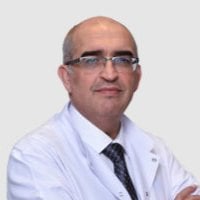
Medically reviewed by
Kayhan Turan
How Much Does Hip Arthroscopy Cost in Turkey in AUD?
Hip arthroscopy in Turkey typically costs from AUD $4,500 to AUD $13,600. The final price depends on the specific repair needed, the clinic tier, and the surgeon's expertise. Most Turkish clinics bundle surgery, hospital stays, and airport transfers into a single fixed price.
- Robotic-assisted surgery: Typically adds 20–30% to the base cost for increased precision.
- Advanced surgical planning: Using CAD-assisted 3D-printed guides may increase fees by approximately 15%.
- Specialised surgeons: Doctors with over 20 years of experience often command higher premiums.
- Clinic location: Packages in Istanbul hubs often run 15–20% higher than in regional cities like Bursa or Antalya.
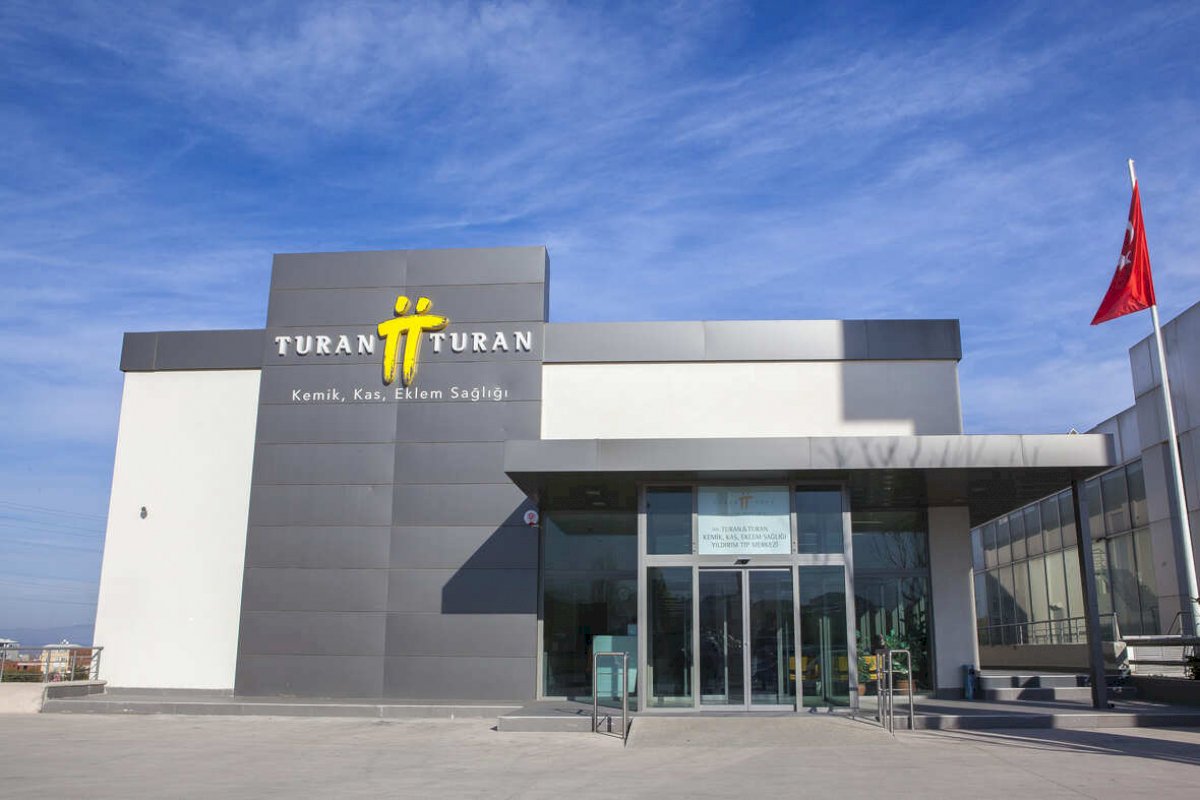
Bookimed Expert Insight: Turkish orthopaedic centres provide exceptional value by integrating advanced technologies at mid-range prices. For instance, Turan Turan Health Group in Bursa uses Mako robotic systems for joint procedures. Choosing specialised centres over general hospitals can often secure better outcomes. Many clinics also hold JCI accreditation, which ensures international safety standards that match or exceed private Australian hospitals.
| Turkey | Thailand | |
|---|---|---|
| Hip Arthroscopy | from AUD $4,500 | from AUD $12,100 |
Your Benefits and Guarantees with Bookimed
Transparent Prices & Flexible Installments
No hidden fees – just official clinic prices. Pay at the clinic for Hip Arthroscopy upon arrival and use a flexible instalment plan if needed.
Verified Clinics & Doctors Only
Bookimed is committed to your safety. We only work with medical institutions that maintain high international standards in Hip Arthroscopy and have the necessary licenses to serve international patients worldwide.
Free 24/7 Assistance
Bookimed offers free expert assistance. A personal medical coordinator supports you before, during, and after your treatment, solving any issues. You're never alone on your Hip Arthroscopy journey.

Your personal Bookimed medical coordinator
- Supports you at every stage
- Helps choose the right clinic and doctor
- Ensures quick and convenient access to information
Best Hip Arthroscopy Clinics in Turkey for Australians: 35 Verified Options and AUD Prices
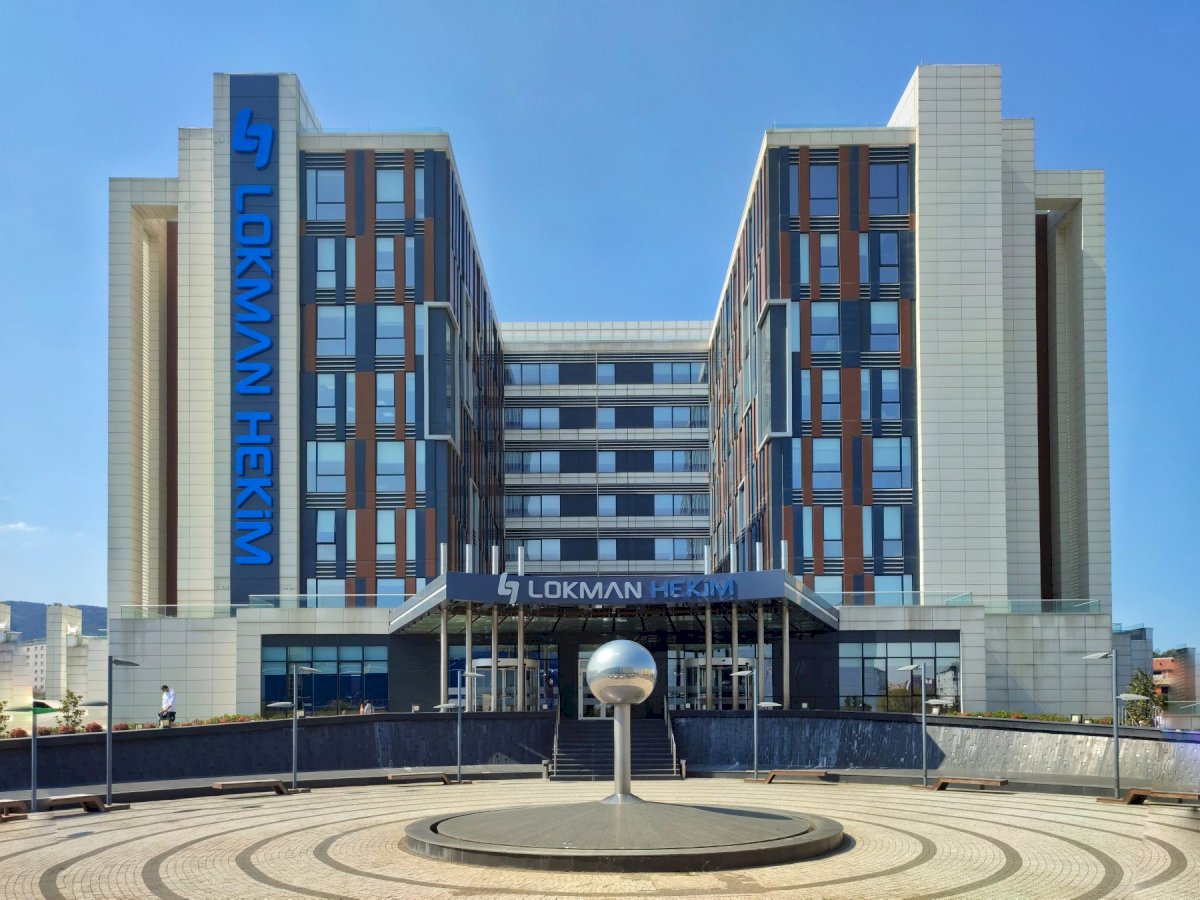





Hisar Hospital Intercontinental
Yusuf Bayram





VM Medical Park Pendik Hospital
Burak Tuna


Medical Park Antalya Hospital Complex
Bahtiyar Demiralp


Professor Gemalmaz - 3D Patient-Specific Orthopedics
Halil Can Gemalmaz



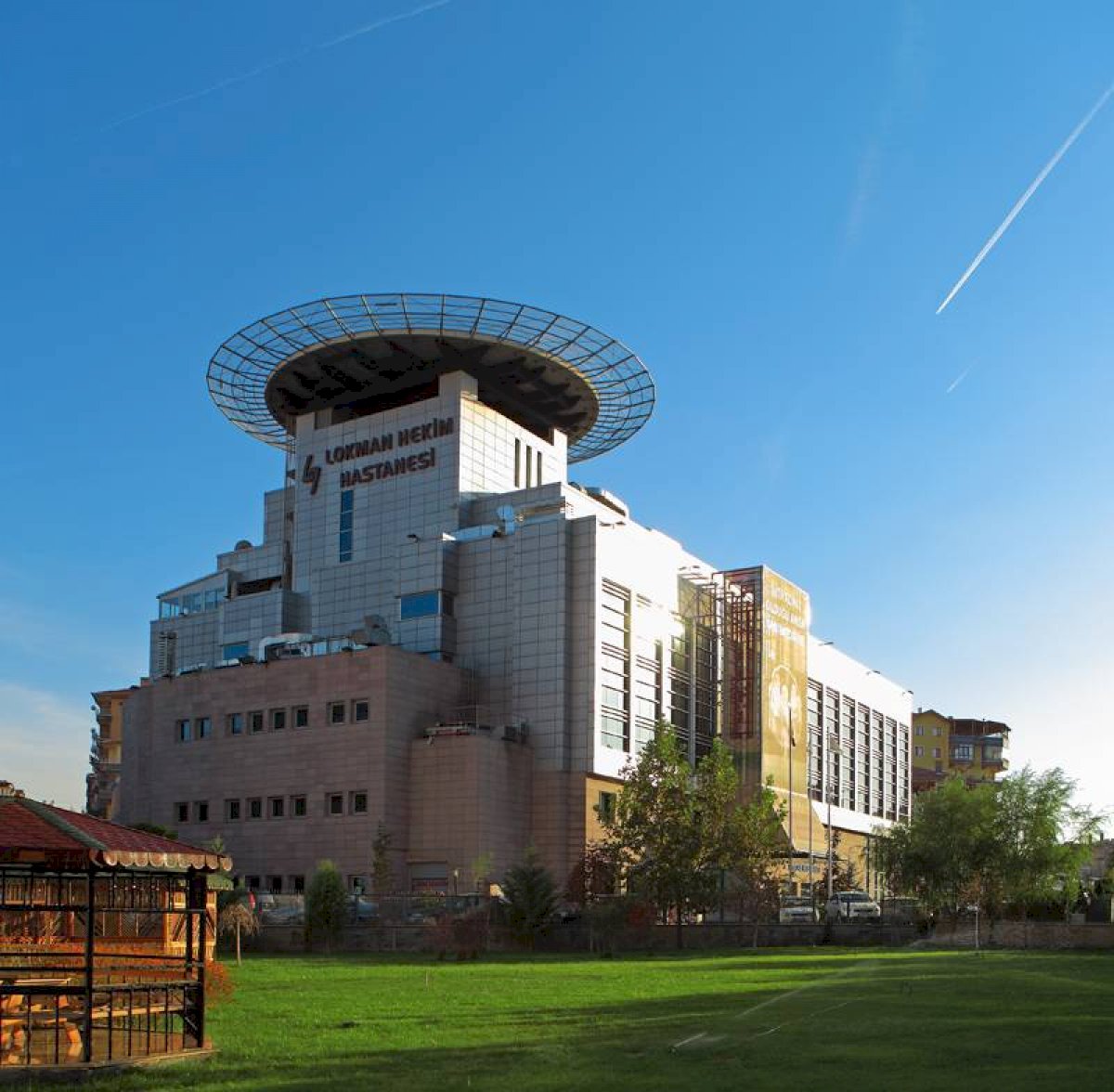
Hip Arthroscopy Overview in Turkey
- MAKOplasty - from AUD $12,067The procedure uses robotics for precise knee and hip replacements, reducing recovery time and enhancing mobility.
- Hip replacement - from AUD $9,050The operation substitutes damaged hip joints with artificial ones, reducing pain and improving movement.
- MAKOplasty total hip replacement - from AUD $13,575This operation is a robot-assisted hip surgery, for precise joint placement, reducing pain, and enhancing mobility.
- ALMIS - minimal invasive hip arthroplasty - from AUD $12,067The operation, done via small incisions, replaces damaged hip parts, offering less pain, quicker recovery, and fewer complications.
- Hip Arthroscopy - from AUD $4,525This therapy involves utilizing a camera and small tools to diagnose and treat hip joint problems, providing minimal recovery time.
- Total hip replacement - from AUD $17,950The operation replaces damaged hip joint with artificial parts, improving mobility and relieving pain.
- Total hip replacement (arthroplasty) revision - from AUD $11,313The procedure revises an old hip implant, improving mobility and reducing pain, with modern surgical techniques and materials.
- Total hip replacement for developmental dysplasia of the hip - from AUD $9,955This procedure replaces a malformed hip joint, improving mobility and reducing pain for those with hip dysplasia.
- Revision hip arthroplasty - from AUD $15,084Replacement or fixation of previous hip implants to improve mobility, pain relief, and hip function.
- Bookimed deposit: $200 or €200.
- Clinic deposit: Pay a set percentage in advance.
Our Trusted Doctors for Australian Patients
View all Doctors
Olcay Guler
Dr. Olcay Guler is an orthopedics and traumatology specialist at Memorial Şişli Hospital in Istanbul. He manages complex bone and joint conditions within a JCI-accredited facility. Dr. Guler previously held academic roles at Altınbaş University and Medipol University. He treats patients at one of Turkey’s most active private medical centers.
- Practices at Memorial Şişli, the first hospital in Turkey to earn JCI accreditation.
- Served as a specialist at Bahçelievler Medical Park and Medipol University.
- Treats a wide variety of orthopedic injuries and musculoskeletal disorders.
- Works in a facility that hosts patients from over 160 countries annually.
Yusuf Bayram
Performed 1,000+ surgeries – Dr. Bayram specializes in arthroscopic procedures at Hisar Hospital Intercontinental.
- Trained in orthopedics at Umraniye Training and Research Hospital
- Expert in knee, shoulder, and ankle arthroscopic surgeries
- Specializes in spinal diseases and deformity corrections
- Uses modern technology for safer, effective treatments

Kayhan Turan
Dr. Kayhan Turan trained at Northwestern University's Orthopedic Surgery Department and brings specialized expertise to hip arthroscopy.
- Board-certified in Orthopedics and Traumatology
- Member of the Arthroscopy Association of North America (AANA)
- Over 28 years of experience in orthopedic surgery
- Fluent in the latest minimally invasive techniques

Gursel Saka
Prof. Dr. Gursel Saka specializes in hip arthroscopy and has performed numerous successful operations in orthopedics and traumatology at Hisar Hospital Intercontinental.
- Expert in spine surgery, trauma surgery, and arthroplasty
- Finalist in Tubitak XI. Technology Awards for medical innovation
- Associate Professor at Health Sciences University Ümraniye Training and Research Hospital
- Trained at University of Health Sciences Dr. Lütfi Kırdar Kartal Training and Research Hospital
Reviews about Bookimed: Discover Patients' Insights
All reviews
Share this content
Video Stories from Bookimed Patients
 Anna Leonova
FAQ about Hip Arthroscopy in Turkey
Are surgeons in Turkey qualified to perform hip arthroscopy?
Surgeons in Turkey are highly qualified and often hold international certifications to perform hip arthroscopy. Many specialists are board-certified by the Turkish Orthopaedics and Traumatology Education Council. They also hold European Board of Orthopaedics and Traumatology (EBOT) fellowships. These reflect rigorous training and surgical standards.
- Specialist training: Surgeons like Dr Erden Erturer at Liv Hospital Ulus specialise in hip-preservation techniques.
- International credentials: Experts frequently hold Fellow of the European Board of Orthopaedics and Traumatology (FEBOT) status.
- Clinical experience: Dr Kayhan Turan has performed over 3,500 robotic-assisted hip and knee procedures.
- Global standards: Hospitals such as Memorial Şişli and Hisar Intercontinental maintain Joint Commission International (JCI) accreditation.
Bookimed Expert Insight: Data shows Turkey is a global leader for this procedure. It has served over 21,500 requests via Bookimed alone. While many clinics offer general orthopaedics, centres like Turan Turan Health Group focus on robotic-assisted surgery. Choosing these high-volume facilities provides access to surgeons who perform hundreds of joint procedures annually. This typically leads to better patient outcomes.
Patient Consensus: Patients suggest choosing a dedicated hip-preservation specialist for complex labrum repairs. Experience in Turkey is often described as professional. Most surgeons are fluent in English and provide detailed preoperative imaging reviews.
What are the potential risks or complications of hip arthroscopy in Turkey?
Hip arthroscopy in Turkey is a minimally invasive keyhole surgery with a high safety profile. Risks include temporary nerve irritation, hip-flexor tendonitis, and localised swelling. Leading Istanbul hospitals maintain Joint Commission International (JCI) accreditation. This helps them follow rigorous clinical protocols and minimise infection or complication rates.
- Nerve irritation: Temporary numbness in the groin or thigh can occur from traction used.
- Hip-flexor tendonitis: Irritation of the iliopsoas tendon is a common recovery complaint.
- Surgical site: Rare issues include seromas or minor wound healing problems in soft tissue.
- Blood clots: Specialists manage risk with early movement after one-day hospital stays.
- Chronic pain: Persistent nerve-type sensations or neuropathic pain may require long-term follow-up care.
Bookimed Expert Insight: Experience levels in Bursa and Istanbul are exceptionally high. Surgeons like Dr. Erman Cekic have performed approximately 10,000 joint procedures. This high volume is a primary factor in reducing complication risks. Some clinics also use 3D-printed guides to improve surgical precision.
Patient Consensus: Recovery in Turkey often takes longer than expected. Patients mention that pain can persist for months before significant improvement. Planning physiotherapy in Australia before travelling helps manage common post-op complaints like hip-flexor irritation.
What is the typical recovery process following hip arthroscopy in Turkey?
Recovery following hip arthroscopy in Turkey typically involves a 1-day hospital stay. Total rehabilitation lasts 6 to 12 weeks. International patients usually begin guided physical therapy and weight-bearing exercises within 24 hours of surgery. This occurs under the supervision of JCI-accredited surgical teams.
- Early mobility: Patients often begin walking with crutches and performing light stretches on day 1.
- Crutch transition: Most individuals move from crutches to independent walking within 1–2 weeks.
- Rehabilitation start: Structured physiotherapy usually starts by week 2, focusing first on passive mobility.
- Strength building: Progression to resistance training and functional exercises occurs between weeks 6 and 12.
Bookimed Expert Insight: For smoother recovery, several Turkish clinics now combine arthroscopy with autologous stem cell therapy. Practitioners like Dr. Murat Kezer at Turan Turan Health Group use this approach to help accelerate tissue healing. This often shortens the 1-night hospital stay and allows for quicker functional gains.
Patient Consensus: Patients find that arranging local physiotherapy before returning to Australia supports a smoother transition. Most report feeling significantly better by week 8, though full strength often takes 6 months.
What conditions can be treated with hip arthroscopy in Turkey?
Turkish orthopaedic surgeons use hip arthroscopy to treat intra-articular and peritendinous disorders. These include femoroacetabular impingement (FAI), labral tears, and loose bodies. Specialists perform this minimally invasive technique in JCI-accredited facilities. They use robotic systems for surgical precision and to help patients recover faster.
- Femoroacetabular impingement (FAI): Surgeons reshape bone growth (Cam/Pincer) to stop abnormal joint friction.
- Labral tears: Specialists repair or smooth the ring of cartilage lining the socket.
- Cartilage damage: Surgeons clean lesions or perform microfracture to stimulate new tissue growth.
- Snapping hip syndrome: Experts release tight tendons to resolve painful clicking sensations.
- Joint infections: Doctors use arthroscopy to wash out the joint and remove inflamed tissue.
Bookimed Expert Insight: Turkish centres like Turan Turan Health Group often combine arthroscopy with autologous stem cell injections. This approach aims to boost cartilage repair during the 1-day hospital stay. Many leading surgeons, including Dr Murat Kezer, now use MAKO robotic-assisted systems to improve bone resection accuracy.
Patient Consensus: Patients find Turkey effective for treating FAI and labral tears. They suggest having a detailed MRI and specialist opinion before travel to confirm the surgical plan. Clear post-op rehab plans and ice therapy are essential for a successful recovery once home.
How important is physical therapy after hip arthroscopy in Turkey?
Physical therapy is a mandatory part of recovery after hip arthroscopy in Turkey. It protects the surgical repair while restoring joint mobility and muscle strength. Structured rehabilitation usually follows a four-phase protocol. Early work with a specialist prevents joint stiffness and achieves the best functional outcome.
- Structured phases: Rehabilitation follows a four-phase process. It focuses first on protection and then on performance.
- Early activities: Ankle rotations and light quad exercises typically start before the first post-operative visit.
- Strength focus: Programs prioritise hip stabilisers like the gluteus medius for long-term joint stability.
- Long-term commitment: Recovery continues for 12–18 months. Ongoing home exercises help prevent any symptom recurrence.
Bookimed Expert Insight: Turkish centres often pair surgery with focused recovery aids. Turan Turan Health Group bundles arthroscopy with stem cell injections under sedation to boost healing. Professor Gemalmaz at 3D Patient-Specific Orthopedics provides continuous follow-up support. This provides Australian patients with a clear handover for their physiotherapist back home.
Patient Consensus: Physical therapy is not optional. Starting structured rehab early with isometrics and gait work leads to better outcomes in Turkey. Patients find that consistent strengthening and regular icing help manage the long recovery timeline.
How long should I plan to stay in Turkey after hip arthroscopy before flying home?
Patients should plan to stay in Turkey for 7 to 10 days after hip arthroscopy. This timeframe allows for a 1-day hospital stay. It also covers wound checks and stitch removal during follow-up appointments. Staying nearby reduces the risk of deep vein thrombosis during long-haul travel.
- Hospital duration: Most clinics, including Turan Turan Health Group, require a 1-day stay.
- Follow-up timeframe: Specialists typically schedule initial assessments between 7 and 10 days post-surgery.
- Flight safety: Waiting 10+ days helps lower the risk of blood clots during flights.
- Mobility needs: Patients often rely on crutches for the first 1 to 2 weeks.
Bookimed Expert Insight: Basic packages start from $3,000. Turkey's busy centres often bundle unique additions. For example, Dr. Murat Kezer at Turan Turan Health Group offers hip arthroscopy with stem cell injections. This is done under sedation to help joint healing. These specialised packages usually include VIP transfers. These are vital as patients cannot drive or easily use public transport after hip surgery.
Patient Consensus: Minimal stairs and crutches-friendly transport are essential for the first week in Turkey. Expect fatigue and swelling initially. Avoid sightseeing or long outings until after the first follow-up appointment.
What is involved in a hip arthroscopy procedure performed in Turkey?
Hip arthroscopy in Turkey is keyhole surgery used to treat labral tears and femoroacetabular impingement. Surgeons use specialised instruments through small incisions to repair cartilage or reshape bone. The procedure typically costs from $3,000 to $9,000. This offers 74% savings compared to Australia.
- Surgical technique: Surgeons use an arthroscope to repair the labrum or trim damaged cartilage.
- Clinical stay: Patients typically spend 1 day in hospital for monitoring and initial recovery.
- Diagnostics: Clinics use MRI or 3D CT scans to assess joint anatomy before surgery.
- Adjunctive therapy: Some centres combine arthroscopy with intra-articular stem cell injections to aid healing.
Bookimed Expert Insight: While most Australian patients focus on Istanbul, Bursa has significant robotic and orthopaedic expertise. Dr. Kayhan Turan at Turan Turan Health Group has performed over 3,500 robotic procedures. High-volume clinics often provide specialised hip-preservation techniques that general surgeons might lack.
Patient Consensus: Patients find Turkey excellent for complex labral repairs and bone reshaping. Success depends on following rehabilitation plans for months. Expect a thorough pre-op workup. Plan for immediate post-op icing and mobility aids. Confirm telehealth follow-up arrangements before flying back to Australia.