157 Best Gastroenterology Clinics in Turkey — AUD Prices


Medically reviewed by
Fahad Mawlood
How Much Do Gastroenterology Procedures Cost in Turkey in AUD?
Gastroenterology treatment in Turkey typically costs from AUD $5,700 to AUD $21,900. Total costs depend on the hospital type, procedure complexity, and diagnostic requirements. Australian patients often save 40–60% compared to private healthcare costs in Australia, making it a viable option for those facing long surgical wait times.
Typical Gastroenterology Costs in Turkey
- Consultation with a gastroenterologist: AUD $170 – AUD $320
- Colonoscopy: AUD $450 – AUD $1,700
- Stomach resection: AUD $4,100 – AUD $12,000
- Resection of gallbladder: AUD $3,900 – AUD $6,800
- Colon hydrotherapy: AUD $300 – AUD $680
- Laparoscopic anti-reflux (GERD) surgery: AUD $3,800 – AUD $10,500
- Appendectomy: AUD $2,300 – AUD $11,700
- Gastric polyps removal: AUD $680 – AUD $2,300
- Esophagectomy: AUD $15,000 – AUD $37,600
- Targeted therapy: AUD $4,500 – AUD $9,000
Major medical hubs include Istanbul, Ankara, and Izmir, with Istanbul offering the widest range of competitive pricing. Turkey is easily accessible for Australians via major transit hubs. Request a consultation with a specialist to get accurate pricing for your specific condition.
| Turkey | Thailand | |
|---|---|---|
| Transoral Incisionless Fundoplication (TIF) | from AUD $20,700 | ≈ AUD $7,500 |
| Targeted therapy | from AUD $4,500 | from AUD $1,500 |
| Stomach resection | from AUD $4,100 | ≈ AUD $14,300 |
| Small intestine resection | from AUD $9,000 | ≈ AUD $9,000 |
| Selective Apheresis | ≈ AUD $1,800 | ≈ AUD $1,700 |
All Gastroenterology conditions
Your Benefits and Guarantees with Bookimed
Transparent Prices & Flexible Installments
No hidden fees – just official clinic prices. Pay at the clinic for Gastroenterology treatment upon arrival and use a flexible instalment plan if needed.
Verified Clinics & Doctors Only
Bookimed is committed to your safety. We only work with medical institutions that maintain high international standards in Gastroenterology treatment and have the necessary licenses to serve international patients worldwide.
Free 24/7 Assistance
Bookimed offers free expert assistance. A personal medical coordinator supports you before, during, and after your treatment, solving any issues. You're never alone on your Gastroenterology treatment journey.

Your personal Bookimed medical coordinator
- Supports you at every stage
- Helps choose the right clinic and doctor
- Ensures quick and convenient access to information
Best Gastroenterology Clinics in Turkey for Australians: 157 Verified Options and AUD Prices





Lokman Hekim Istanbul Hospital
Omer Faruk Oge





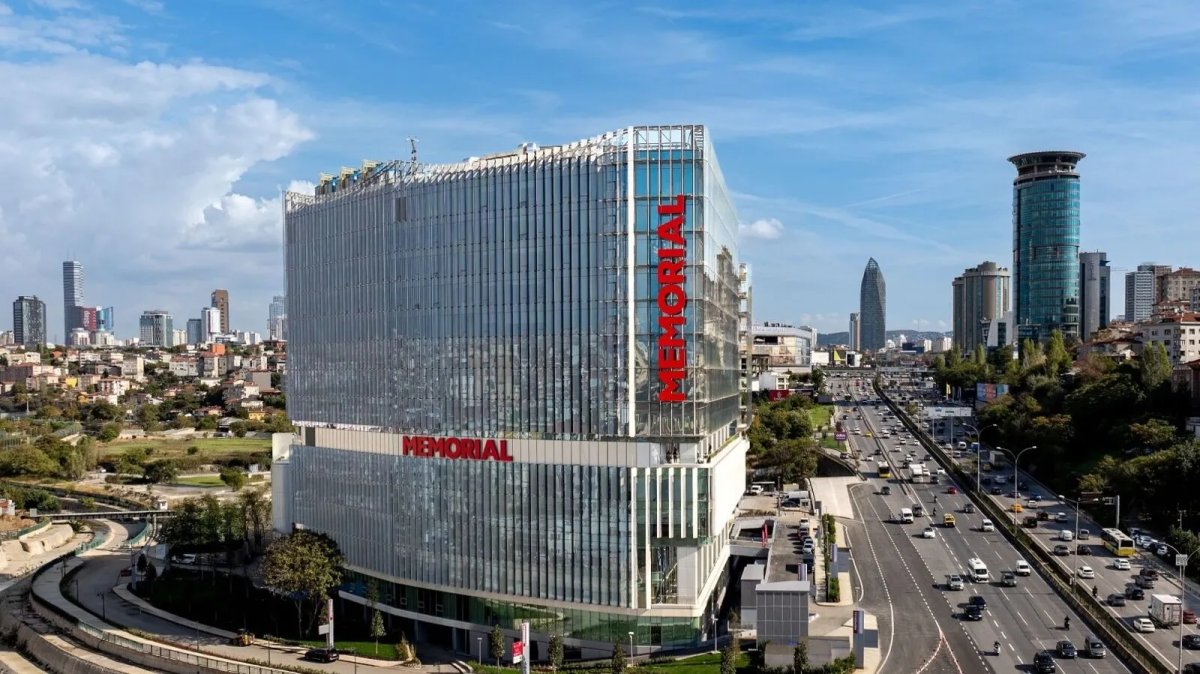
Memorial Bahçelievler Hospital
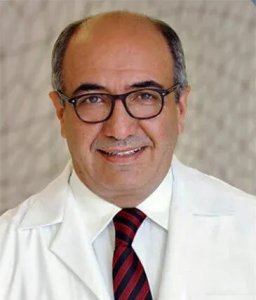
Kamil Yalcin Polat


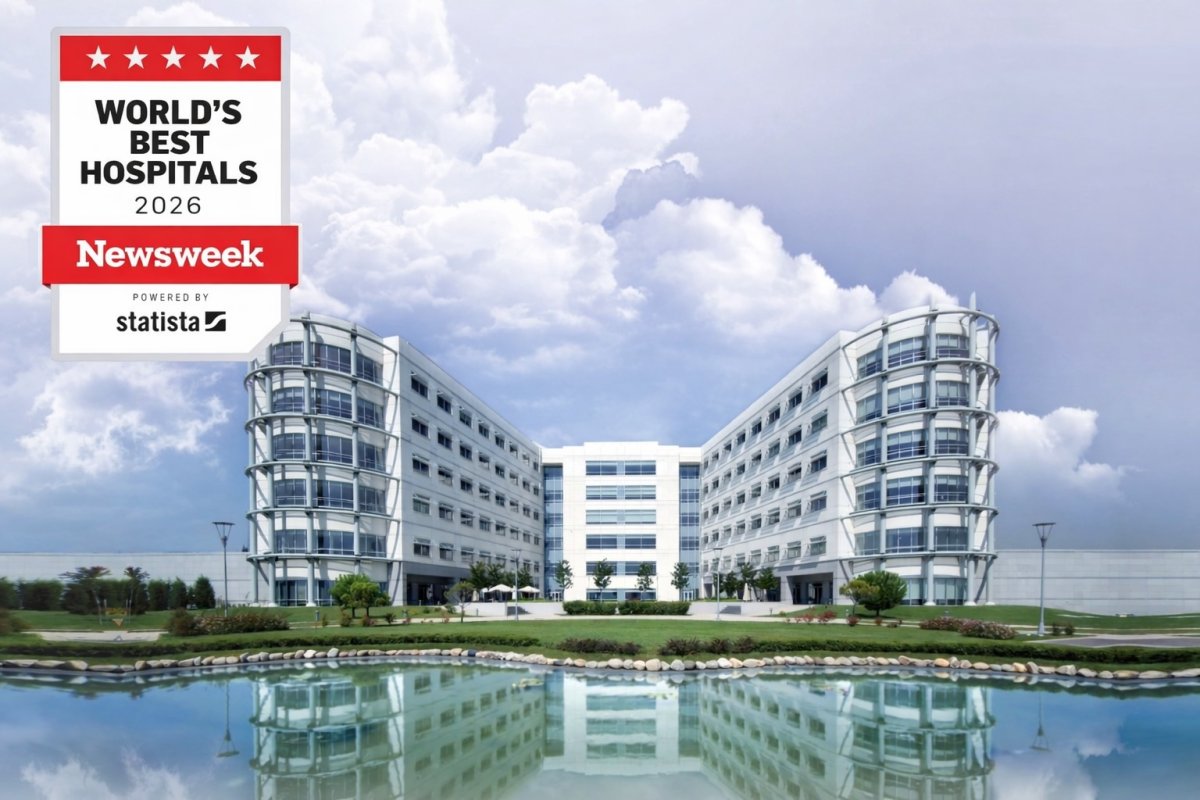






Memorial Göztepe Hospital


Top Gastroenterology centres in Turkey for Australians
- Hisar Hospital Intercontinental, Turkey
- Memorial Şişli Hospital, Turkey
- Lokman Hekim Istanbul Hospital, Turkey
- Memorial Bahçelievler Hospital, Turkey
- Memorial Antalya Hospital, Turkey
- Anadolu Medical Center, Turkey
- Memorial Göztepe Hospital, Turkey
- Istanbul Florence Nightingale Hospital, Turkey
- Memorial Ataşehir Hospital, Turkey
- Medical Park Göztepe Hospital Complex, Turkey
Our Trusted Doctors for Australian Patients
View all DoctorsOmer Faruk Oge
Dr. Omer Faruk Oge is an ophthalmologist at Lokman Hekim Istanbul Hospital. He specializes in surgeries for strabismus, cataracts, and retinal diseases. He is a member of the European Society of Cataract and Refractive Surgeons. Dr. Oge also focuses on pediatric eye health and ocular aesthetics.
- Trained at the Beyoglu Eye Training and Research Hospital.
- Treats complex conditions including amblyopia and retinal disorders.
- Member of the Turkish Ophthalmology Association.
- Works at a JCI-accredited facility in Istanbul.

Vafi Atalay
Dr. Vafi Atalay is a colorectal and general surgeon at Anadolu Medical Center. He developed the tube ileostomy technique to eliminate the need for ostomy-closure surgery. This method was published in the journal Colorectal Disease. Dr. Atalay specializes in pancreatic, colon, rectal, and liver cancers.
- Winner of the Gold Medal Award at the Istanbul International Invention Fair.
- Authored over 30 articles in national and international medical journals.
- Received the Best Scientific Research Award from several surgical congresses.
- Practices at a clinic affiliated with the top-ranked Johns Hopkins Hospital.
Kamil Yalcin Polat
Associate Professor Kamil Yalcin Polat brings extensive expertise to Gastroenterology with a focus on reproductive medicine and clinical trials.
- Trained in Obstetrics and Gynecology with over 35 years of experience
- Specialized in Reproductive Medicine at American Hospital
- Holds a Master's in Clinical Trials from the University of London
- Works at Memorial Bahçelievler Hospital
Erman Aytac
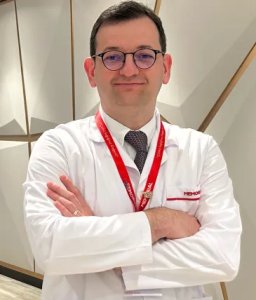
Expert in colorectal surgery with 150+ international publications – Dr. Aytac combines US training at Cleveland Clinic with leadership at Memorial Healthcare Group.
- Fellowship-trained in colorectal surgery at Cleveland Clinic
- Specializes in minimally invasive robotic and laparoscopic techniques
- Focuses on inflammatory bowel diseases like Crohn's and ulcerative colitis
- Recognized with multiple national and international awards
- Professor of Surgery at Memorial Bahçelievler Hospital
Reviews about Bookimed: Discover Patients' Insights
All reviews



Share this content
Video Stories from Bookimed Patients
 Anna Leonova

FAQ about Gastroenterology in Turkey
Is it safe to undergo gastrointestinal (GI) treatment or surgery in Turkey?
Gastrointestinal surgery in Turkey is safe when performed at JCI-accredited hospitals. Leading facilities like Memorial Şişli Hospital and Anadolu Medical Center maintain rigorous safety standards. Specialists there perform procedures like POEM for achalasia with high success rates using 512-slice CT diagnostics.
- Hospital credentials: Istanbul clinics like Hisar Hospital Intercontinental hold JCI accreditation for safety.
- Surgical expertise: Surgeons like Dr Halil Alis hold international memberships in SAGES and EAES.
- Technology: Centres use the da Vinci XI robotic system for precise laparoscopic surgery.
- Patient volume: Major hospitals treat over 250,000 patients annually. This ensures high clinical experience levels.
Bookimed Expert Insight: Quality signals in Turkey often correlate with international hospital affiliations. Anadolu Medical Center maintains a partnership with Johns Hopkins Hospital. This partnership influences their clinical protocols. Choosing clinics with such academic ties helps you find specialists like Prof. Dr Erdem Kocak.
Patient Consensus: Patients in Turkey report feeling safe due to professional coordination. This includes clear translations and efficient transfers. They often note that procedures like endoscopies are fast and comfortable under sedation. Results are typically provided almost immediately after the appointment.
What specific credentials should I verify before booking a gastroenterology specialist in Turkey?
Verify the specialist holds a Ministry of Health Specialisation Certificate in Gastroenterology. Confirm they have hospital privileges in JCI-accredited facilities. Check if the doctor belongs to the Turkish Society of Gastroenterology. These credentials show the physician completed rigorous sub-specialty training beyond general medicine.
- Institutional licensing: Check that the clinic holds an International Health Tourism Authorisation Certificate.
- Board certifications: Confirm doctors, like Dr Erdem Kocak, have sub-specialty endoscopy training.
- Hospital grade: Verify procedures occur in hospitals with on-site anaesthesia and emergency backup.
- Academic standing: Prioritise professors or associate professors for complex cases like chronic liver disease.
Bookimed Expert Insight: Bookimed data shows that top-rated specialists often hold fellowships from global institutions. For instance, Dr Erdem Kocak and Dr Sadyk Yildirim completed training at Johns Hopkins University. Choosing a doctor with international credentials often means they use the latest protocols.
Patient Consensus: Patients say it is vital to confirm a professional team is present. High-quality Turkish hospitals provide support including translators, private transfers, and immediate post-procedure results.
How is post-operative care handled once I return to Australia after GI surgery in Turkey?
Post-operative care for Australian patients involves a hybrid model. This combines remote supervision from Turkish specialists with local support from a GP. Collect translated medical records, operative reports, and digital imaging before departure. These files help with safe long-term monitoring and wound care back home.
- Record collection: Obtain translated surgical notes and implant serial numbers before leaving Turkey.
- Remote monitoring: Turkish teams at Hisar Hospital Intercontinental typically coordinate follow-ups via digital platforms.
- GP integration: Consult an Australian GP within 3 days for wound inspection and bloodwork.
- Emergency access: Australian public hospitals provide emergency stabilisation for severe post-operative complications.
Bookimed Expert Insight: Data from top-rated Istanbul centres like Memorial Şişli Hospital shows they prioritise international coordination. Patients should check if their clinic includes an interpreter for the final discharge briefing. This helps you understand every detail of the diet and medication schedule before flying home.
Patient Consensus: Patients note the transition is manageable when the Turkish team remains available for questions. They emphasise that local GPs handle physical checks. However, a direct digital link with the surgeon provides the most peace of mind during the first few weeks.
How long do I need to stay in Turkey after my GI procedure?
Patients should plan to stay in Turkey for 1 to 14 days following gastrointestinal procedures. The timeline depends on if the treatment is a diagnostic gastroscopy or major laparoscopic surgery. Recovering locally allows doctors to monitor for risks like dehydration or internal bleeding.
- Diagnostic procedures: Patients generally stay 24–48 hours to manage sedation and gas discomfort.
- Non-surgical treatments: Gastric Botox or balloon procedures require 3–5 days for monitoring.
- Laparoscopic surgery: Bariatric or anti-reflux surgeries require 7–10 days post-operative stay.
- Clinical clearance: Surgeons provide a fit-to-fly certificate during a final follow-up appointment.
Bookimed Expert Insight: Clinics with 4.8+ ratings, such as Lokman Hekim Istanbul Hospital, often bundle translator services and internal transfers. This is vital because post-procedural fatigue makes navigating hospital logistics difficult. Confirming these inclusions beforehand saves patients from coordinating their own transport while recovering.
Patient Consensus: Patients in Turkey report that recovery feels smooth due to professional sedation and immediate results. Many appreciate having translators navigate the hospital while they focus on their liquid diet requirements.
What are the eligibility requirements for weight loss or metabolic stomach surgeries in Turkey?
Eligibility for weight loss surgery in Turkey follows strict safety protocols based on body mass index (BMI) and health history. Candidates generally need a BMI of 40 or higher. Alternatively, a BMI of 30–35 with conditions like type 2 diabetes or hypertension may qualify. Surgeons also verify previous weight loss attempts before approving surgery.
- BMI requirements: Qualifying starts at 30+ with comorbidities or 40+ for bariatric surgery.
- Health screening: Patients undergo blood tests, cardiac reviews, and anaesthetic clearance in Istanbul.
- Age range: Surgery is generally available for patients aged 18 to 65 years.
- Medical history: Surgeons review documented failed attempts at diet, exercise, or medication.
Bookimed Expert Insight: Clinics with JCI accreditation, such as Memorial Şişli or Hisar Hospital Intercontinental, require a full gastroenterological screening. This includes a gastroscopy before surgery. It confirms no underlying issues like severe ulcers or hernia prevent a safe procedure. Choosing hospitals with multi-specialty teams allows specialists like Dr Halil Alis to manage any metabolic complications.
Patient Consensus: Patients find the medical screening process in Turkey very efficient. They often complete all diagnostic tests within hours. They note a focus on adjusting to a new eating lifestyle. Many feel safe and well-supported by professional translation teams throughout their hospital stay.
What are the most common GI conditions treated for international patients in Turkey?
International patients commonly treat gastrointestinal cancers, inflammatory bowel disease, and complex biliary tract disorders in Turkey. Accredited hospitals like Hisar Hospital Intercontinental provide interventional procedures such as POEM for achalasia and ERCP for bile duct clearing.
- Oncological care: Specialists treat early-stage stomach and colorectal cancers using endoscopic submucosal dissection.
- Motility disorders: Doctors perform POEM and G-POEM procedures to treat swallowing difficulties and gastroparesis.
- Biliary interventions: Experienced teams use ERCP to clear stones from bile and pancreatic ducts.
- Diagnostic screening: Clinics offer gastroscopy and colonoscopy packages, often including general anaesthesia and biopsies.
Bookimed Expert Insight: Turkish university hospitals often provide more than just standard surgery. Centres like Lokman Hekim University Ankara Hospital integrate academic research into clinical practice. This allows patients to access specialised care for rare conditions like Zenker’s diverticulum. They use Z-POEM techniques often not available in smaller private clinics.
Patient Consensus: Patients in Turkey find the diagnostic process remarkably fast. They often receive results and treatment plans shortly after waking from sedation. They note that the professional service and affordable prices make the trip worthwhile.