Toxic Hepatitis Treatment Clinics in Turkey — AUD Prices


Medically reviewed by
Fahad Mawlood
How it works
What's the Cost of Toxic Hepatitis Diagnosis and Treatment in Turkey?
Best Toxic Hepatitis Treatment Centres in Turkey for Australians: 2 Verified Options and AUD Prices
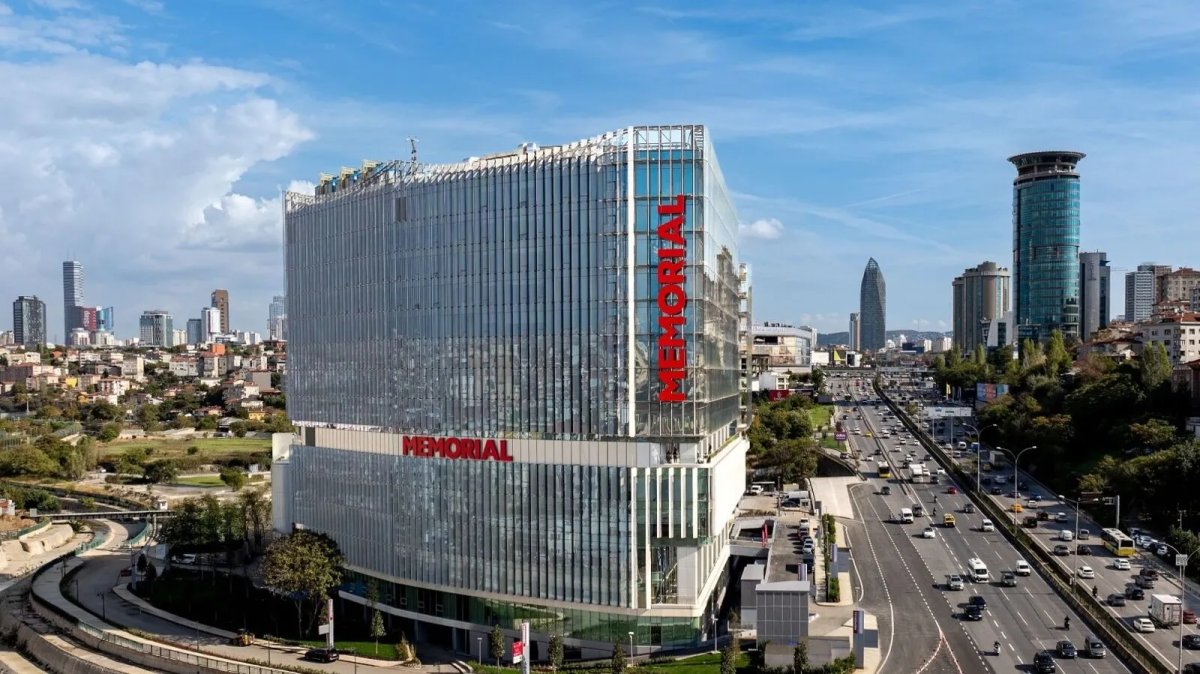

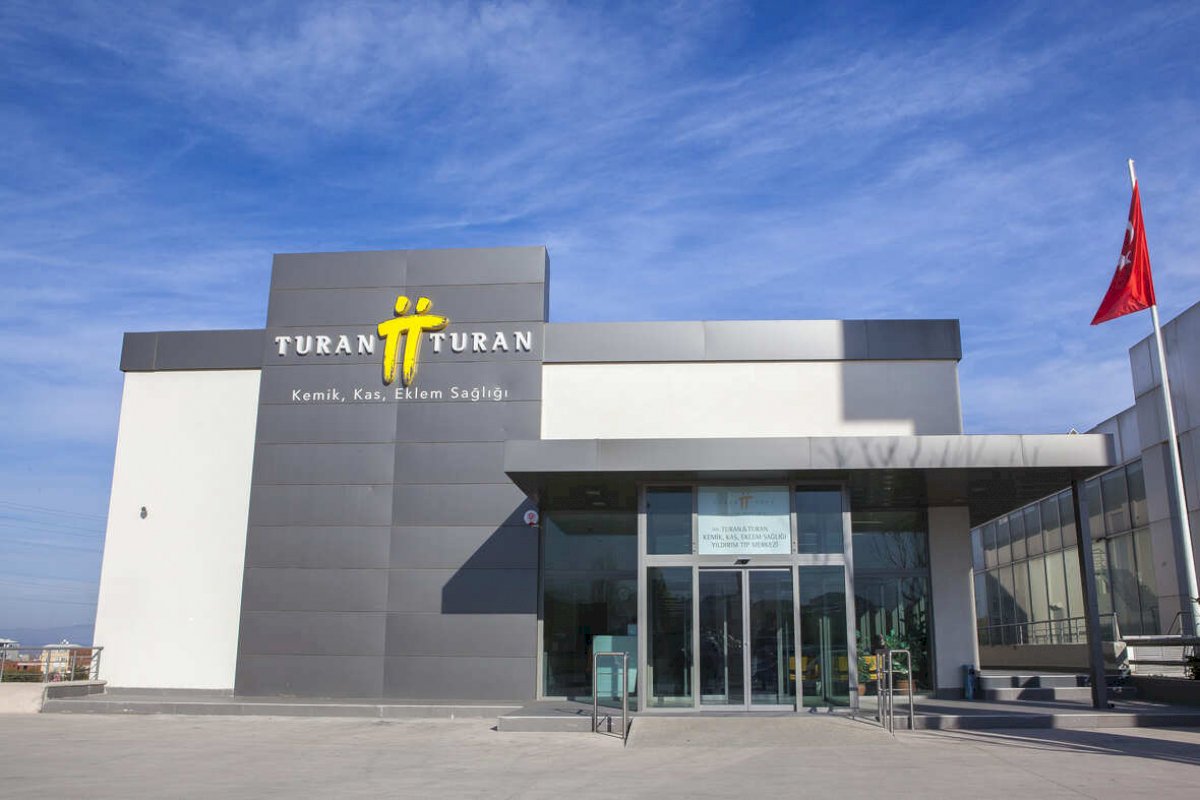
Turan Turan Health Group
Get a Medical Assessment for Toxic Hepatitis in Turkey: Consult with Experienced Doctors Now
View all Doctors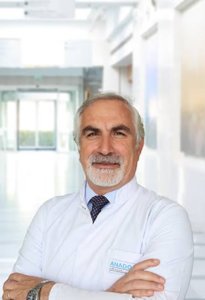
Zulfikar Polat
Dr. Zulfikar Polat is a professor of gastroenterology at Istanbul Aydın University. He previously practiced at Anadolu Medical Center, an affiliate of Johns Hopkins Medicine. Dr. Polat focuses on hepato-pancreatology and inflammatory intestinal diseases. He serves as an expert in both diagnostic and interventional endoscopic procedures.
- Member of prestigious international societies including AASLD, EASL, and ESGE.
- Authored 45 national and international medical publications.
- Treats complex conditions like Crohn's disease, ulcerative colitis, and cirrhosis.
- Performs specialized procedures including gastric polypectomy and duodenal polyp removal.
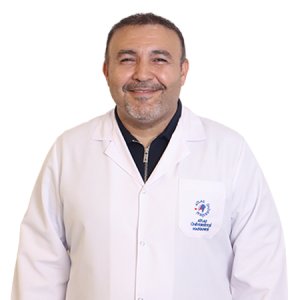
Baris Yilmaz
Dr. Baris Yilmaz is a gastroenterologist and an internal medicine specialist. He trained at Gazi University, Ankara Numune (Internal Medicine), and Ankara Dışkapı Yıldırım Beyazıt (Gastroenterology). His practice focuses on advanced endoscopy. Procedures include ESG, ERCP, EUS, EMR, ESD, EFTR, STER, POET, and POEM (Z/E/G-POEM). He also performs reflux therapies (GERD-X, ARMs, ARBL, ARMA, STRETTA), chromoendoscopy, double- and single-balloon enteroscopy, SpyGlass cholangioscopy, and LECS. Other tests include capsule endoscopy, pH/impedance, and pressure measurement.
He has published in SCI/SSCI journals such as Inflamm Bowel Dis, Clin Res Hepatol Gastroenterol, Eur J Gastroenterol Hepatol, World J Hepatol, and Platelets. He co-authored novel indices for HBV fibrosis (2020) and COVID-19 mortality (Biruni Index, 2022). He received Best Poster awards at the XI National Viral Hepatitis Congress (2012) and the IX National Hepatology Congress (2013).
Memberships: Gastrointestinal Endoscopy Association (2010) and Turkish Gastroenterology Association (2013). He has worked at Atlas University Hospital, Kolan International Istanbul Hospital, Biruni University Hospital, and Medicana International Istanbul.
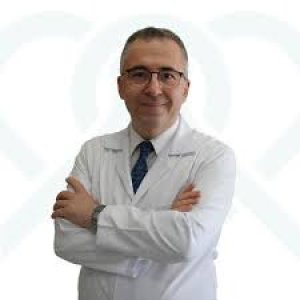
Musa Aydinli
Prof. Dr. Musa Aydınlı is an internal medicine specialist and gastroenterologist. He completed his MD at Hacettepe University in 1997. He finished internal medicine training in 2003 and gastroenterology training in 2007 at the same institution. He worked at Kayseri Training and Research Hospital from 2007 to 2009. He served in the Gastroenterology Department at Gaziantep University from 2009 to 2014. He became an associate professor in 2012 and a professor in 2020. He joined Gülhane Training and Research Hospital in 2022. He now practices at Private Koru Ankara Hospital.
Clinical focus: GERD; dyspepsia, gastritis, and Helicobacter pylori; peptic ulcer disease; celiac disease; IBS and IBD (ulcerative colitis, Crohn’s disease); colon polyps; colorectal and upper GI cancers; liver disease (fatty liver, chronic hepatitis, cirrhosis, portal hypertension); hepatobiliary and pancreatic disorders and cancers. Procedures: EGD, rectosigmoidoscopy, and colonoscopy; biopsy, polypectomy, and endoscopic mucosal resection; hemostasis and APC; dilation and stent placement; PEG; ERCP; EUS-guided biopsy.
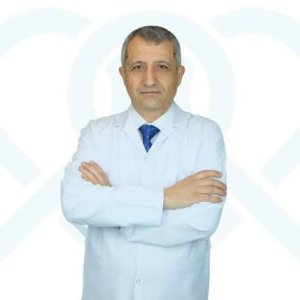
Ibrahim Dogan
Prof. Dr. İbrahim Doğan is a gastroenterologist. He earned his MD from Ankara University Faculty of Medicine in 1991. He became an Internal Medicine specialist at Gazi University in 1996. He completed gastroenterology subspecialty training at İnönü University in 2001.
His academic career was at Gazi University. He served as Lecturer (2002), Assistant Professor (2003), Associate Professor (2007), and Professor (2012). He worked as a researcher at the University of California San Diego from 2004 to 2006. He has practiced at Koru Hospital since January 2023.
Clinical focus includes gastroesophageal reflux, irritable bowel syndrome, constipation, gastroparesis, achalasia, bloating, gas and belching, fecal incontinence, ulcerative colitis, and Crohn’s disease. He performs ERCP, stent placement, balloon and bougie dilation, polypectomy, argon plasma coagulation, double-balloon enteroscopy, and bleeding control.
Share this content
Video Stories from Bookimed Patients
 Anna Leonova

Expert Overview about Toxic Hepatitis Treatment in Turkey
Is a liver transplant available in Turkey if toxic hepatitis leads to severe liver failure?
Liver transplants are available in Turkey for severe liver failure caused by toxic hepatitis. High-volume transplant centres in Istanbul and Ankara manage acute cases from toxins or medications. These facilities use living donor liver transplantation (LDLT) to provide rapid treatment when deceased donor organs are unavailable.
- Specialist expertise: Prof. Dr Zulfikar Polat at Anadolu Medical Center treats complex toxic hepatitis cases.
- Donor requirements: Patients typically need a compatible living donor who is a close relative.
- Clinical evaluation: Intensive care units assess if the liver can regenerate before proceeding with surgery.
- Global recognition: Turkish hospitals often hold JCI accreditation and perform thousands of complex organ transplants.
Bookimed Expert Insight: Gastroenterology specialists at Private Koru Ankara Hospital include Prof. Dr Ibrahim Dogan and Prof. Dr Musa Aydinli. They bring extensive international research experience. Data shows these centres integrate diagnostics like EUS and ERCP to manage biliary complications. This approach often helps stabilise toxic hepatitis patients before they need an emergency transplant.
Patient Consensus: Patients note that Turkish centres often accept complex cases but emphasise confirming donor eligibility before travel. Practical experience shows that having a related donor ready is essential for emergency approval in Turkey.
Why do international patients choose Turkey for toxic hepatitis and liver disease treatment?
International patients choose Turkey for toxic hepatitis care to access rapid diagnostics and specialised hepatology expertise. Leading Turkish specialists hold memberships in the American Association for the Study of Liver Diseases. This means clinical protocols meet global standards. Private centres provide immediate consultations, bypassing long Australian waiting lists.
- Expert specialists: Prof Dr Zulfikar Polat treats toxic hepatitis and holds memberships in EASL and AASLD.
- Diagnostics: Memorial Göztepe Hospital uses AI-supported 3 Tesla MRI and 512-slice CT for liver assessment.
- International training: Specialists like Prof Dr Ibrahim Dogan have conducted research at the University of California.
- Clinical research: Major centres offer clinical research units, providing access to emerging global liver treatments.
Bookimed Expert Insight: Turkish hepatology thrives on high-volume academic expertise, with professors often managing 45+ scientific publications alongside clinical practice. At centres like Private Koru Ankara Hospital, specialists such as Prof Dr Musa Aydinli combine internal medicine with gastroenterology subspecialties. This dual expertise is vital for toxic hepatitis cases, where systemic health often impacts liver recovery.
Patient Consensus: Patients value the speed of access for tests and imaging in Turkey when appointments are slow at home. They note that hospital stays feel organised and efficient, though they stress that follow-up blood tests must be manageable back in Australia.
What is toxic hepatitis and how is it treated in Turkish clinics?
Toxic hepatitis is liver inflammation caused by exposure to toxins, chemicals, or medications. Turkish clinics treat this by identifying the trigger. They perform rapid diagnostics like FibroScan and provide intensive supportive care. Highly credentialled specialists in Istanbul and Ankara lead these hepatology departments.
- Expert specialists: Prof. Dr Zulfikar Polat at Anadolu Medical Center specialises in chronic toxic hepatitis.
- Advanced diagnostics: Clinics use 512-slice CT and AI-supported 3 Tesla MRI. These tools provide precise liver imaging.
- International credentials: Specialists like Prof. Dr Ibrahim Dogan have research experience from US-based universities.
- Rapid screening: Gastroenterology departments provide comprehensive check-ups, including endoscopic biopsies and ultrasonography.
Bookimed Expert Insight: Turkish gastroenterology units offer a significant advantage for Australian patients through their multidisciplinary tumour boards. At Memorial Göztepe Hospital, these boards review complex liver cases. This guarantees a collaborative recovery plan, even for advanced injury.
Patient Consensus: Patients in Turkey report that diagnosis is often blood-led and exceptionally fast. They suggest bringing a full list of all supplements and medications to appointments. This helps doctors identify the toxin quickly.
What diagnostic tests are required before starting toxic hepatitis treatment in Turkey?
Turkish specialists diagnose toxic hepatitis by confirming liver injury and ruling out viral or autoimmune causes. Standard pre-treatment tests include comprehensive liver function blood panels, abdominal ultrasounds, and viral serology. These results help doctors establish the injury pattern before starting specific reversal therapies.
- Blood biochemistry: Measures enzymes like ALT and AST to establish liver injury patterns.
- Synthetic function: Tests INR and albumin levels to check the liver's protein production.
- Viral screening: Excludes hepatitis A, B, C, and E as potential infection sources.
- Abdominal ultrasound: Visualises the liver and rules out mechanical issues like gallstones.
- Biopsy protocol: Reserved for unclear cases to confirm drug-induced damage via tissue samples.
Bookimed Expert Insight: Professor Zulfikar Polat practises at Anadolu Medical Center. Alongside other top Turkish hepatologists, he typically uses RUCAM causality tools with diagnostic tests. This systematic approach links your toxin exposure timeline directly to liver enzyme spikes. Clinics affiliated with major institutions, like Johns Hopkins Medicine, meet international diagnostic standards. Data shows this.
Patient Consensus: Patients note it is common to start with private liver blood panels. They do this in Turkey before their first appointment. They often undergo screening for hepatitis A, B, C, and E markers. This excludes viral infections while they await ultrasound results.