65 Best Gastroenterology Clinics in India — AUD Prices


Medically reviewed by
Fahad Mawlood
How Much Do Gastroenterology Procedures Cost in India in AUD?
Gastroenterology in India typically costs between AUD $4,700 and AUD $12,500. Prices vary based on the procedure complexity, the specialist's expertise, and the type of hospital facility chosen. Australians can expect to save around 60–80% compared to private healthcare prices in Australia for similar gastrointestinal treatments.
Typical Gastroenterology Costs in India
- Gastroscopy: AUD $120 – AUD $350
- Capsule endoscopy: AUD $900 – AUD $2,100
- Gastroenterology consultation: AUD $90 – AUD $120
- Stomach resection: AUD $9,800 – AUD $14,300
- Resection of gallbladder: AUD $4,200 – AUD $5,900
- Laparoscopic anti-reflux (GERD) surgery: AUD $4,800 – AUD $6,900
- Appendectomy: AUD $1,500 – AUD $3,000
- Gastric polyps removal: AUD $1,500 – AUD $3,900
- Esophagectomy: AUD $14,300 – AUD $21,000
- Colon hydrotherapy: AUD $90 – AUD $210
Major medical centres are located in Delhi, Mumbai, and Bangalore. While quality is high across these hubs, prices in Mumbai often trend slightly higher than in other cities. Request a consultation with a specialist to get accurate pricing for your specific condition.
| India | Thailand | Turkey | |
|---|---|---|---|
| Transoral Incisionless Fundoplication (TIF) | ≈ AUD $6,300 | ≈ AUD $7,500 | from AUD $20,700 |
| Targeted therapy | from AUD $1,500 | from AUD $1,500 | from AUD $4,500 |
| Stomach resection | ≈ AUD $9,800 | ≈ AUD $14,300 | from AUD $4,100 |
| Small intestine resection | ≈ AUD $6,800 | ≈ AUD $9,000 | from AUD $9,000 |
| Selective Apheresis | ≈ AUD $1,400 | ≈ AUD $1,700 | ≈ AUD $1,800 |
All Gastroenterology conditions
Your Benefits and Guarantees with Bookimed
Transparent Prices & Flexible Installments
No hidden fees – just official clinic prices. Pay at the clinic for Gastroenterology treatment upon arrival and use a flexible instalment plan if needed.
Verified Clinics & Doctors Only
Bookimed is committed to your safety. We only work with medical institutions that maintain high international standards in Gastroenterology treatment and have the necessary licenses to serve international patients worldwide.
Free 24/7 Assistance
Bookimed offers free expert assistance. A personal medical coordinator supports you before, during, and after your treatment, solving any issues. You're never alone on your Gastroenterology treatment journey.

Your personal Bookimed medical coordinator
- Supports you at every stage
- Helps choose the right clinic and doctor
- Ensures quick and convenient access to information
Best Gastroenterology Clinics in India for Australians: 65 Verified Options and AUD Prices




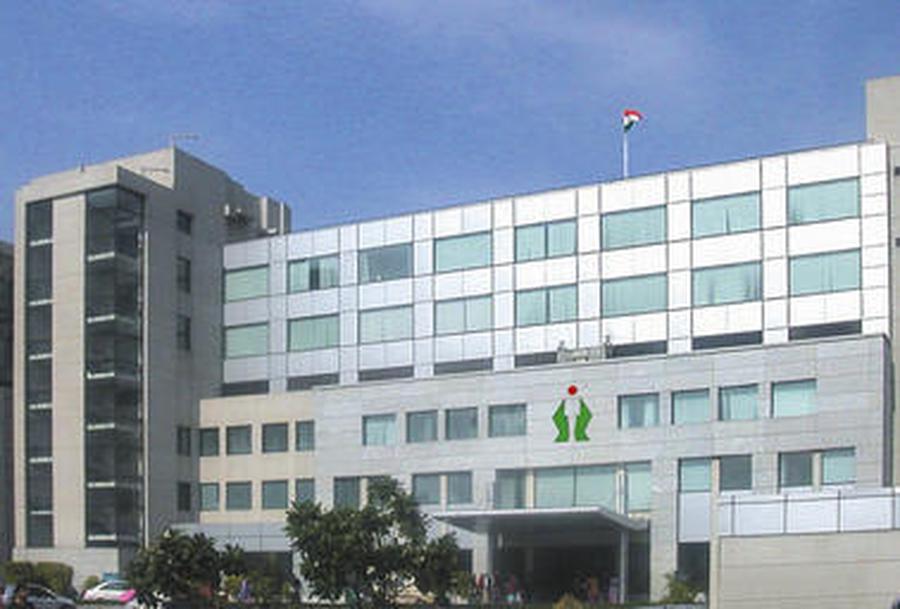






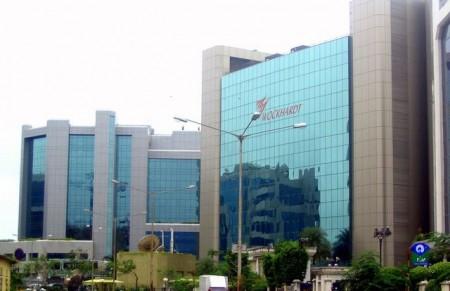
Wockhardt Hospital






Top Gastroenterology centres in India for Australians
- Artemis Hospitals, India
- Fortis Escorts Heart Institute, India
- Apollo Hospital Indraprastha, India
- Fortis Gurgaon, India
- Medanta Hospital, India
- Wockhardt Hospital, India
- Kokilaben Dhirubhai Ambani , India
- Manipal Hospitals, India
- Global Hospital Chennai, India
- BLK Super Speciality Hospital, India
Our Trusted Doctors for Australian Patients
View all Doctors
Jaydeep Palep
Dr. Palep is one of India's first surgeons trained for Banded Bypass in Los Angeles. He specializes in robotic Upper GI surgery at HCG Manavata Cancer Centre.
- 25 years of experience in Upper GI and Weight Loss Surgeries
- 90% of diabetic patients stop insulin and oral medications
- Trained in Italy for robotic GI surgery for precision
- Leads an IEF-certified Center of Excellence

Utkarsh Gupta
Dr. Utkarsh Gupta is a consultant in minimal access and gastrointestinal surgery at SilverStreak Multispecialty Hospital. He performs laparoscopic and robotic-assisted procedures for gallbladder and appendix removal. Dr. Gupta completed his surgical training at Indraprastha Apollo Hospital in New Delhi. He works at a JCI-accredited facility that meets international safety standards.
- Uses laser techniques to treat proctological conditions like fistula and hemorrhoids.
- Performs mesh-based hernia repairs and bowel resections.
- Winner of the best poster prize at the Surgicon conference.
- Published research on the use of Artificial Intelligence in healthcare.
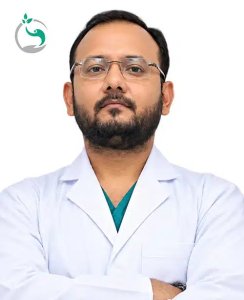
Ajay Pranami
Dr. Ajay Pranami is a gastroenterologist and hepatologist at SilverStreak Multispecialty Hospital in Gurgaon. He specializes in interventional endoscopy and liver care. Dr. Pranami earned a DM in Medical Gastroenterology and treats patients at a JCI-accredited facility.
- Performs interventional endoscopy for digestive and liver conditions.
- Worked at Artemis Hospital and Paras Hospital.
- Holds a DNB in General Medicine from the National Board of Examination.
- Speaks English and Hindi at SilverStreak Hospital.

Dr. Ajayita Ayurveda
Reviews about Bookimed: Discover Patients' Insights
All reviews
Share this content
Video Stories from Bookimed Patients
 Anna Leonova

FAQ about Gastroenterology in India
How qualified are gastroenterologists and GI surgeons in India?
Indian gastroenterologists and GI surgeons are highly qualified specialists. They complete 11 to 13 years of formal medical training. They hold university degrees like a DM (Medical Gastroenterology) or MCh (Surgical Gastroenterology). The National Medical Commission (NMC) recognises these qualifications.
- Academic path: Specialists complete an MBBS, a three-year master degree, and a three-year superspeciality program.
- Credentials: Leading experts like Dr Yogesh Batra hold a DM from institutions like AIIMS.
- International training: Surgeons like Dr Jaydeep Palep trained in robotic and bariatric surgery in Italy and the USA.
- Clinical volume: Indian doctors manage many patients. This provides hands-on experience in complex gastrointestinal cases.
Bookimed Expert Insight: Quality often correlates with hospital infrastructure. Clinics with JCI accreditation, like Apollo Hospital Indraprastha, use equipment comparable to European centres. Large networks like Manipal Hospitals serve 2,000,000 patients every year. This helps their specialists maintain high proficiency in both routine and complex procedures.
Patient Consensus: Patients in India appreciate the reliable doctors and smooth transport services. Those visiting centres like Artemis or Manipal note that staff give clear directions. They also provide excellent translator support throughout the treatment.
What advanced GI technologies and procedures are available in India?
India provides high-end gastroenterology techniques like peroral endoscopic myotomy (POEM) for swallowing disorders. They also offer endoscopic submucosal dissection (ESD) for early cancers. Major clinics in Delhi, Mumbai, and Bengaluru use robotic-assisted surgery and AI-enhanced imaging for precise diagnostics.
- Advanced endoscopy: Specialists perform POEM and ESD to treat conditions through natural openings.
- Robotic surgery: Clinics like Fortis Gurgaon use robotic systems for complex gallbladder and GI resections.
- AI diagnostics: Real-time computer-aided detection helps identify pre-cancerous tissues during colonoscopies and endoscopies.
- Liver technology: Facilities use Fibroscan for non-invasive liver assessments and specialised transplant protocols.
Bookimed Expert Insight: Clinics with high international volumes, such as Apollo Hospital Indraprastha, treat 1,000,000+ patients annually. This massive scale allows hospitals to invest in rare tools like capsule endoscopy. They also use double-balloon enteroscopy. These technologies allow specialists to view the entire small intestine, which often remains hidden during standard scans.
Patient Consensus: Patients in India highlight the smooth transition from airport pickups to immediate consultations. Many note that advanced endoscopy equipment and dedicated translators make complex procedures feel straightforward and well-coordinated.
How long do I need to stay in India for a standard GI procedure?
Patients should plan to stay in India for 3 to 7 days for standard diagnostic GI procedures. Major clinics like Manipal Hospitals and Artemis Hospitals require 1 to 2 days for pre-op tests. Patients must remain locally for 3 days after the procedure for safety before flying.
- Diagnostic stay: Plan 3 to 5 days for endoscopies or colonoscopies without complex interventions.
- Surgical stay: Expect 7 to 10 days in India for laparoscopic gallbladder or appendix removal.
- Polyp removal: Stay 14 to 28 days if polyps are removed to avoid bleeding risks.
- In-hospital time: Diagnostic scopes are outpatient, while minor surgeries require 1 to 2 nights.
Bookimed Expert Insight: Indian medical networks like Apollo Hospital Indraprastha handle over 1,000,000 patients annually. Because these hubs are so large, paperwork and result processing can take time. Booking a 2-day buffer after the final consultation ensures patients have all physical reports and biopsies.
Patient Consensus: Patients note that hospitals often provide transport from the airport. However, they must account for several hours of recovery after sedation. Travellers from abroad found the process efficient. They recommend staying near the clinic for easy follow-up appointments.
Do Indian hospitals accept international health insurance for GI procedures?
Major private hospitals in India accept international health insurance for gastroenterology procedures. However, the facility must have a direct agreement with the insurer. Most accredited centres, such as Apollo Hospital Indraprastha and Manipal Hospitals, manage these claims. They use dedicated international desks for cashless or reimbursement models.
- Payment systems: Clinics process claims via cashless billing or upfront payments for later reimbursement.
- Facility accreditation: Top institutions like BLK Super Speciality Hospital hold JCI and NABH certifications.
- Specialist expertise: Doctors such as Dr Yogesh Batra bring over 20 years of gastroenterology experience.
- Range of care: Coverage usually applies to diagnostics like gastroscopy and surgeries like cholecystectomy.
Bookimed Expert Insight: Large networks like Manipal Hospitals serve 2,000,000 patients annually. They often have established pathways with global insurers. Patients should confirm coverage for specific diagnostics, such as capsule endoscopy. These tests are sometimes billed differently than standard surgeries like gallbladder resection.
Patient Consensus: Patients report that international desks at hospitals like Artemis help coordinate their GI treatment. This includes everything from airport transfers to translator services. Staff recommend confirming pre-approval before flying to India for a smooth administrative experience at the clinic.
Which are the top-rated hospitals for gastroenterology in India?
India hosts top-rated gastroenterology hospitals such as Apollo Hospital Indraprastha and BLK Super Speciality Hospital. These JCI-accredited facilities specialise in endoscopy, liver transplants, and robotic GI surgery. Clinics in Delhi and Bengaluru offer diagnostics and treatment for complex digestive disorders.
- Specialist expertise: Dr Yogesh Batra at BLK has over 20 years in gastroenterology.
- Advanced diagnostics: Clinics offer capsule endoscopy and Fibroscan for precise liver assessments.
- Transplant excellence: Global Hospital Chennai is a leader in successful liver transplant procedures.
- Accredited facilities: Many centres hold JCI and NABH certifications for high-quality care.
Bookimed Expert Insight: India represents a major hub for complex hepatobiliary procedures. Global Hospital Chennai has performed over 1,000 liver transplants. This high volume allows surgeons to refine techniques that improve success rates. Large networks like Manipal Hospitals serve 2,000,000 patients yearly. This scale helps specialists see rare GI conditions frequently.
Patient Consensus: Patients in India find the coordination seamless. They appreciate the experienced doctors and efficient hospital staff. These teams organise everything from airport pickups to bedside translators.
Are there all-inclusive treatment packages available for GI procedures in India?
All-inclusive gastroenterology packages in India bundle surgical fees, hospital stays, and diagnostic tests. Major centres like Apollo Hospital Indraprastha and BLK Super Speciality Hospital offer these bundles. They typically include airport transfers, local logistics, and specialist consultations to simplify the process.
- Procedure coverage: Packages cover surgeons, anaesthesia, and theatre fees for surgeries like cholecystectomy.
- Diagnostic inclusions: Standard bundles include gastroscopy, blood counts, and pre-operative imaging tests.
- Hospital accommodation: Most packages provide private rooms, nursing care, and recovery meals.
- Logistics support: International patient departments handle airport pick-ups, visa assistance, and medical translation services.
Bookimed Expert Insight: Indian hospital networks like Manipal Hospitals and Apollo use their scale to provide better value. Apollo Hospital Indraprastha treats 1,000,000+ patients annually. This high volume allows these centres to include diagnostic technologies like capsule endoscopy or robotic systems.
Patient Consensus: Patients find the experience seamless when clinics provide dedicated translators and direct airport transport. Reviews from the United Kingdom and Turkmenistan highlight that having someone waiting at the exit makes arrival in Delhi easy.
What languages are spoken by medical staff in Indian hospitals for gastroenterology?
Medical staff in Indian gastroenterology departments communicate primarily in English. This is the standard language for medical education and clinical records. Hindi and regional languages like Tamil, Kannada, and Marathi are used for daily interactions. Major centres provide dedicated interpreters for Arabic, Russian, and French speakers.
- English proficiency: Specialists like Dr Yogesh Batra at BLK Super Speciality Hospital use English for all clinical notes.
- Regional languages: Staff in Bengaluru centres like Manipal Hospitals speak Kannada to support local patient needs.
- International support: Leading hospitals like Apollo Hospital Indraprastha employ translators for diverse global patient groups.
- Clinical communication: Doctors use local dialects to explain symptoms. They use English for technical diagnostic reports.
Bookimed Expert Insight: Clinics with JCI accreditation, such as Artemis Hospitals and BLK Super Speciality Hospital, often have robust translation services. Our data shows these centres regularly handle international cases. They have dedicated staff who bridge the language gap for complex gastrointestinal surgeries.
Patient Consensus: Patients in India find the transition easy due to native-speaking translators. These translators accompany them throughout their hospital stay. They note that the experienced medical teams and reliable transport services make the medical journey straightforward.