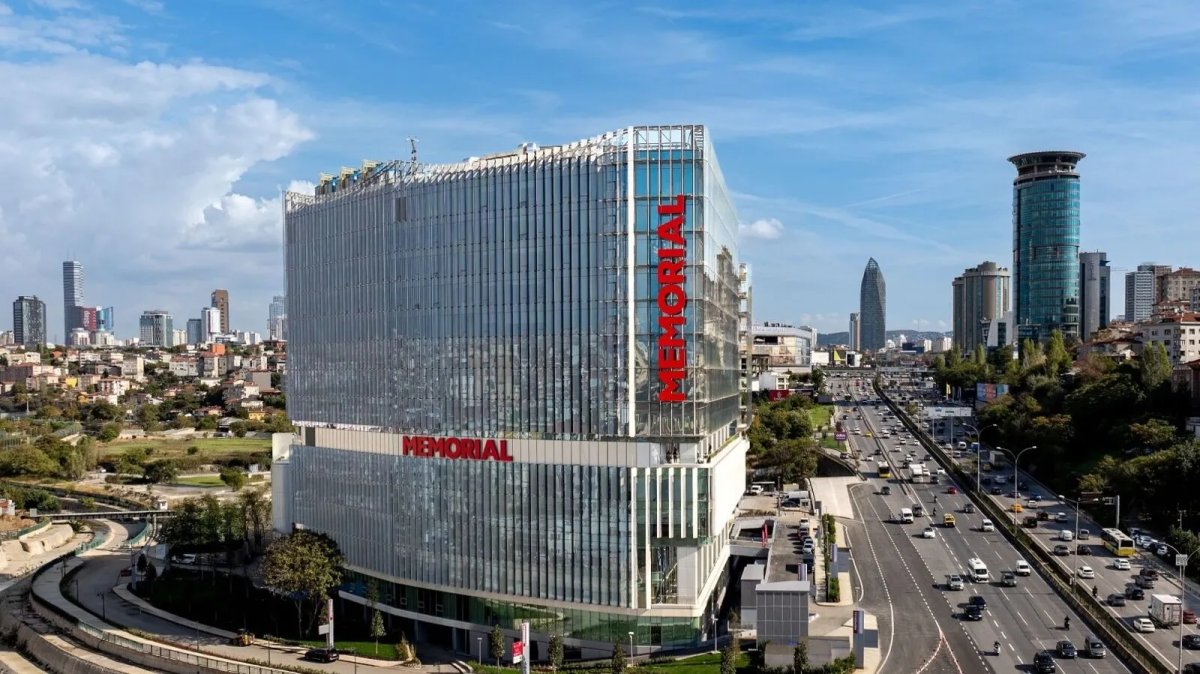
Hisar Hospital Intercontinental
Turkey, Istanbul
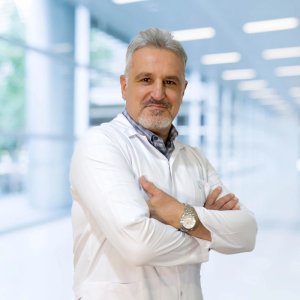
Kivanc Derya Peker
22 years of experience • 10000+ treatments performed

Clinic is certified : 





Medically reviewed by
Fahad Mawlood
Cholelithiasis treatment cost in Turkey generally starts with a consultation with a gastroenterologist ranging from AUD $170 to AUD $320, with essential diagnostics like a biochemical blood analysis costing between AUD $76 and AUD $260. Total expenses depend on whether the patient needs medication or surgery. Australians typically save 50–70% compared to local private fees, with most care concentrated in Istanbul, Ankara, and Antalya.
Typical Cholelithiasis Treatment Costs in Turkey
Bookimed Expert Insight: For patients requiring surgical intervention, Memorial Bahçelievler Hospital provides high-precision care using the Da Vinci robotic system. This technology offers 15x magnification for complex gallbladder removals. Alternatively, Anadolu Medical Center, affiliated with Johns Hopkins Hospital, is ideal for patients seeking Western-standard protocols. General surgeons like Professor Kivanc Derya Peker, who has performed over 10,000 procedures, offer extensive expertise in laparoscopic gallbladder surgery.





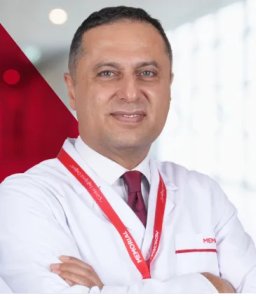
Dr. Koray Karabulut is a general surgeon at Memorial Göztepe Hospital in Istanbul. He specializes in liver transplantation and robotic HPB surgery. He completed a research fellowship in liver tumors at the Cleveland Clinic. He also trained in minimally invasive surgery at IRCAD in France.
Prof. Mehmet Guler brings over 34 years of surgical experience, specializing in Cholelithiasis at Medical Park Antalya Hospital Complex.

Associate Professor with 25 years in gastroenterology, specializing in digestive system disorders at Medical Park Antalya Hospital Complex.

Prof. Dr. Samet Yardimci specializes in laparoscopic surgery for cholelithiasis at VM Medical Park Pendik Hospital, combining precision with extensive experience.
 Anna Leonova

Laparoscopic cholecystectomy is the primary treatment for symptomatic cholelithiasis in Turkey. This minimally invasive surgery removes the gallbladder through small incisions. Doctors in major hubs like Istanbul and Antalya perform thousands of these procedures annually. These surgeries take place at JCI-accredited facilities.
Bookimed Expert Insight: Turkish general surgeons often hold multiple specialisations in gastroenterology and bariatric surgery. Take Prof. Dr Cemalettin Aydin and Prof. Dr Ali Solmaz, for example. They perform thousands of laparoscopic procedures. This high volume across different abdominal surgeries leads to refined techniques in gallbladder removal. Patients benefit from surgeons who manage complex digestive cases daily, not just routine removals.
Patient Consensus: Patients note that gallbladder removal is the only permanent solution for recurring pain. This view is widely held in Turkey. Diet and hydration help manage symptoms. However, most find that surgery is eventually necessary for a full recovery.
Gallstones can be treated without gallbladder removal in Turkey using Endoscopic Retrograde Cholangiopancreatography (ERCP). This technique removes stones from the bile ducts. Standard care typically involves laparoscopic cholecystectomy. However, specialised Turkish hospitals like Hisar Hospital Intercontinental offer ERCP to clear blockages while keeping the organ intact.
Bookimed Expert Insight: While ERCP is common for duct stones, true gallbladder-preserving lithotomy is rare. Data shows leading specialists like Dr Murat Sarikaya and Dr Yilmaz Bilgic focus on advanced ERCP. Patients should confirm if a clinic offers internal stone removal or just bile duct clearance. Turkey's top gastroenterology units typically serve over 10,000 patients annually. This volume ensures high proficiency in these complex endoscopic techniques.
Patient Consensus: Patients note that ERCP effectively clears duct blockages but warn that stones inside the gallbladder may recur. Many choose Turkey for specialised stone removal options not readily available elsewhere, despite higher complexity.
Gallbladder removal in Turkey follows a swift timeline. Most patients spend 1 night in hospital before discharge. Surgeons use laparoscopic techniques for small incisions and fast healing. Full recovery typically takes 4 to 6 weeks. Patients generally fly home 5 days after surgery.
Bookimed Expert Insight: Turkish centres like Hisar Hospital Intercontinental serve 250,000 patients annually with specialised gastroenterology units. Leading surgeons such as Prof. Dr Adil Baykan often have international training at the Mayo Clinic. This high surgical volume means teams efficiently manage the specific post-operative dietary needs of international patients.
Patient Consensus: Walking immediately after surgery is vital to clear painful gas and boost energy. Patients in Turkey suggest sticking to bland foods like broth or toast initially. Over the first month, they can slowly test heavier meals.
Patients typically need 4 to 7 days in Turkey for gallstone treatment. A standard laparoscopic cholecystectomy involves a 1-night hospital stay and 3 to 5 days of local recovery. Surgeons at JCI-accredited facilities usually clear international patients to fly. They do this after a final post-operative ultrasound check.
Bookimed Expert Insight: Standard recovery is fast. However, for precise pre-operative staging, patients should choose clinics with 512-slice CT or 3 Tesla MRI. Memorial Göztepe Hospital is one such clinic. Our data shows that high-volume centres treating 250,000 patients annually often provide airport transfers. For instance, Hisar Hospital Intercontinental offers this service. These transfers help patients manage travel logistics during the sensitive first 48 hours post-surgery.
Patient Consensus: Patients note that they could walk and eat normally the morning after surgery. Those without surgical drains often fly home within 2 to 3 days. However, many recommend staying 10 days in Turkey if a drain is used. This allows for professional removal before departure.