7 Best Obesity Treatment Clinics in Republic of Korea — AUD Prices


Medically reviewed by
Fahad Mawlood
How it works
What's the Cost of Obesity Diagnosis and Treatment in Republic of Korea?
Obesity treatment cost in South Korea typically runs between AUD $11,300 to AUD $17,400 for primary surgical interventions. A bariatric surgery consultation, costing from AUD $76 to AUD $91, is the standard first step for assessment. Prices depend on the surgical approach, clinic tier, and specific patient needs. Patients can save approximately 40–60% compared to Australia. Top treatment cities include Seoul, Incheon, and Goyang.
Typical Obesity Treatment Costs in South Korea
- Bariatric surgery consultation: AUD $76 – AUD $91
- Blood test for hormonal profile: AUD $150 – AUD $390
- ECG: AUD $45 – AUD $120
- Gastric sleeve surgery (Sleeve gastrectomy): AUD $11,300 – AUD $17,400
- Gastric balloon: AUD $4,200 – AUD $7,600
- Gastric bypass: AUD $13,600 – AUD $18,100
- Gastric band: AUD $7,900 – AUD $12,100
- Endoscopic sleeve gastroplasty (ESG): AUD $6,800 – AUD $10,900
- Da Vinci gastric sleeve surgery: AUD $22,700 – AUD $37,800
- Biliopancreatic diversion: AUD $21,100 – AUD $30,200
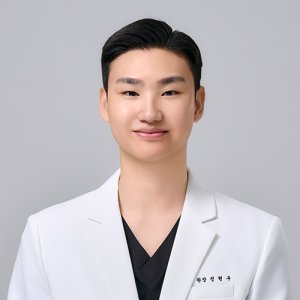
Bookimed Expert Insight: South Korea offers high-value options for both surgical and aesthetic weight management. Digital hospitals like Seoul National University Bundang Hospital use advanced safety systems for complex gastric surgeries. For non-surgical approaches, specialists like Dr. Jung Hyun-woo at RE:NINE Clinic provide personalised laser-based weight management. Patients seeking body contouring after weight loss find specialised care at Gangnam clinics like Bbae Clinic.
| Republic of Korea | Thailand | Turkey | |
|---|---|---|---|
| Gastric sleeve surgery (Sleeve gastrectomy) | ≈ AUD $11,300 | from AUD $11,200 | from AUD $3,500 |
| Gastric bypass | from AUD $13,600 | from AUD $10,700 | from AUD $2,100 |
| Gastric band | ≈ AUD $7,900 | from AUD $10,600 | from AUD $3,900 |
| Gastric balloon | from AUD $4,200 | from AUD $4,400 | from AUD $1,800 |
| Endoscopic sleeve gastroplasty (ESG) | ≈ AUD $6,800 | from AUD $24,500 | from AUD $8,200 |
Best Obesity Treatment Centres in Republic of Korea for Australians: 7 Verified Options and AUD Prices













Get a Medical Assessment for Obesity in Republic of Korea: Consult with Experienced Doctors Now
View all Doctors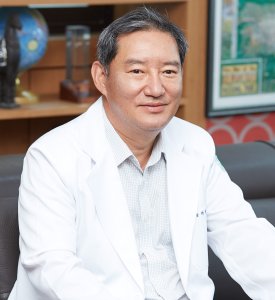
Ha Hunyoung
Dr. Ha Heonyoung is the Director of Naeun Hospital. He is a preventive medicine specialist with 39 years of clinical experience.
Education: MD, Hanyang University College of Medicine. Master’s and Ph.D. in Preventive Medicine, Hanyang University Graduate School.
Clinical focus: Hair Loss & Obesity Clinic for hair loss prevention, weight management, liposuction, and fat grafting. Anti-Aging & Wellness Clinic for chelation therapy and anti-aging programs. Advanced biotherapy using stromal vascular fraction (SVF) for hair loss treatment and immune system enhancement.
Jung Hyun-woo
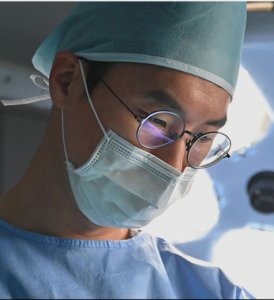
Dae-won Kang
Dr. Dae-won Kang is the Medical Director of Bbae Clinic in Seoul. He specializes in liposuction, gynecomastia surgery, and fat grafting. Dr. Kang previously led the Health Promotion Center at the Armed Forces Capital Hospital. He holds a medical degree from Inje University.
- Member of the Korean Society for the Study of Obesity and Liposuction.
- Treats patients at a KOIHA-accredited clinic in the Gangnam medical district.
- Experienced in revision liposuction for patients needing corrective surgery.
- Member of the Korean Association of Cosmetic Surgeons.
Share this content
Video Stories from Bookimed Patients
 Anna Leonova

Expert Overview about Obesity Treatment in Republic of Korea
Who qualifies for bariatric or metabolic surgery for obesity treatment in the Republic of Korea?
Patients qualify for bariatric surgery in South Korea with a BMI of 35 or higher. Those with a BMI over 30 qualify if they have obesity-related conditions. These include type 2 diabetes or hypertension. Lower thresholds apply for metabolic surgery. Partial insurance support starts at a BMI of 27.5.
- Body mass index: Patients with a BMI over 35 qualify regardless of other health issues.
- Obesity-related comorbidities: Eligibility starts at BMI 30 for those with sleep apnoea or hypertension.
- Metabolic surgery: Type 2 diabetes patients qualify for surgery with a BMI from 27.5.
- Clinical assessment: Specialists at SNUBH or Severance Hospital evaluate long-standing obesity and previous attempts.
Bookimed Expert Insight: Major Korean centres like Seoul National University Bundang Hospital (SNUBH) use digital safety systems. This technology, called BESTcare, improves accuracy in complex metabolic cases. Clear digital documentation is important for international patients to support safe care when returning home.
Patient Consensus: Patients note that Korean clinics often prioritise metabolic control over simple weight loss. Most centres require a documented history of diet and exercise before approving surgical intervention.
When is pharmacotherapy recommended for obesity treatment in the Republic of Korea?
South Korean guidelines recommend pharmacotherapy for adults with a BMI of 25 kg/m² or higher. It is prescribed when intensive lifestyle changes fail to achieve adequate weight loss. Doctors use medication to support diet, exercise, and behavioural therapy.
- BMI threshold: Treatment starts at 25 kg/m² or higher for Korean adults.
- Combination therapy: Doctors prescribe medication as an addition to lifestyle modifications only.
- Monitoring period: Specialists review progress after 3 months on a full maintenance dose.
- Discontinuation rule: Doctors stop or change medication if weight loss is under 5%.
Bookimed Expert Insight: South Korea is a digitised healthcare leader. Seoul National University Bundang Hospital uses clinical safety systems to track treatment. While many countries set higher BMI thresholds, Korea targets 25 due to regional risks. This precision allows patients to access medical intervention earlier than in Western systems.
Patient Consensus: Patients find the medical assessments in Seoul very thorough. These often involve detailed hormonal and genetic screening through clinics accredited by KOIHA (Korea Institute for Healthcare Accreditation).
How can I assess if obesity medication prescribed in the Republic of Korea is effective?
Assessing obesity medication effectiveness in South Korea relies on hitting specific weight loss benchmarks within 12 weeks. Local guidelines mandate weight reduction of at least 5% from the starting body weight. Paediatric patients should see a 4% drop in Body Mass Index (BMI).
- Clinical review: Doctors assess progress after 12 weeks of maintenance dosage.
- Body composition: Clinics use bioelectric impedance to track fat mass changes.
- Health markers: Specialists monitor blood pressure, liver function, and lipid profiles.
- Appetite control: Reduced cravings and easier calorie deficits indicate positive medication response.
Bookimed Expert Insight: South Korea leads in digital healthcare integration. Hospitals like Seoul National University Bundang Hospital use the BESTcare system. This digital platform tracks patient metrics in real-time. It helps specialists immediately adjust dosages if 12-week weight targets are not met.
Patient Consensus: Patients in Korea recommend tracking weekly waist measurements and appetite levels rather than daily weight. They note that early nausea or fatigue usually settles. However, persistent side effects require a dose review with the prescriber.
What core non-surgical obesity treatment options are available in the Republic of Korea?
Core non-surgical obesity treatments in South Korea focus on pharmacotherapy and endoscopic procedures. Specialists use GLP-1 receptor agonists and gastric balloons to manage weight without invasive surgery. Leading JCI-accredited hospitals in Seoul use digital health systems to track patient metabolic progress effectively.
- Endoscopic treatments: Gastric balloons are inserted endoscopically to reduce stomach capacity temporarily.
- Approved medications: Clinics prescribe Liraglutide and Semaglutide for appetite suppression and metabolic regulation.
- Medical screening: Diagnosis involves genetic screenings and hormone profiling to tailor medical weight plans.
- Digital monitoring: Hospitals such as Severance use digital health records to monitor patient progress.
Bookimed Expert Insight: South Korea is a leader in digital healthcare. Seoul National University Bundang Hospital operates as the country's first fully digital hospital. This infrastructure allows specialists to use the BESTcare system for precise, data-driven weight management. Patients benefit from AI-integrated follow-ups that reduce errors during long-term medication protocols.
Are there tailored obesity treatment approaches for older adults in the Republic of Korea?
South Korea offers tailored obesity care for older adults through KSSO (Korean Society for the Study of Obesity) guidelines. These protocols prioritise maintaining physical function and preventing muscle loss over simple weight reduction. Specialists at major Seoul hospitals integrate diabetes management and metabolic health into personalised plans.
- Sarcopenia prevention: Clinical focus shifts toward preserving muscle mass using specialised medical nutrition therapy.
- Metabolic integration: Treatment frequently combines weight management with active diabetes and cardiovascular care.
- Digital monitoring: Hospitals like Seoul National University Bundang Hospital use digital systems to track patient safety.
- Functional assessment: Clinicians screened for physical mobility and frailty before recommending surgery or pharmacological interventions.
Bookimed Expert Insight: While small clinics focus on aesthetics, large university hospitals in Seoul better suit patients over 65. Institutions like Severance Hospital and Seoul National University Bundang Hospital serve millions of patients annually. These centres hold JCI or GHA accreditations. They have the geriatric departments required to manage the health risks of obesity in older age.
Patient Consensus: Patients note that Korean clinics prioritise strength-preserving protein and resistance-focused guidance. They recommend confirming how a medical team assesses frailty and surgical risk before starting treatment.
What types of weight-loss medications are typically used in the Republic of Korea?
Weight-loss medications in the Republic of Korea include GLP-1 receptor agonists like Wegovy and Saxenda. Combination therapies like Qsymia and Contrave are also available. Specialists prescribe these for patients with a BMI over 25. These treatments are often part of medical weight-loss programmes in Seoul.
- Injectable medications: Wegovy and Saxenda are options for long-term weight management.
- Combination therapies: Qsymia and Contrave target appetite through daily oral tablets.
- Absorption blockers: Xenical reduces fat absorption and is used for long-term maintenance.
- Short-term stimulants: Phentermine and phendimetrazine give rapid results but are limited to three months.
Bookimed Expert Insight: Many Australian patients seek medications alone. However, our data shows clinics like Bbae Clinic focus on body contouring alongside therapy. Patients often get better results by combining GLP-1 treatments with surgical skin tightening. These procedures are available at facilities holding KOIHA (Korea Institute for Healthcare Accreditation) accreditation.
Patient Consensus: Patients note that Korean clinics typically bundle injections with strict diet monitoring. Many suggest confirming how you will manage dose increases before returning to Australia.