5 years of experience
200 treatments
Endoscopic Sleeve Gastroplasty (ESG) in Bangkok —Weight Loss Without Surgery, No Incisions, Physician-Led 12-Month Programme


Medically reviewed by
Fahad Mawlood
Endoscopic sleeve gastroplasty (ESG) in Thailand typically costs from AUD $24,500 / ฿550,800 to AUD $31,100 / ฿700,400. Final figures depend on the clinic tier, surgeon experience, and specific package inclusions. Most Thai packages include pre-operative tests, medications, anaesthetic, and a hospital stay in a private room.
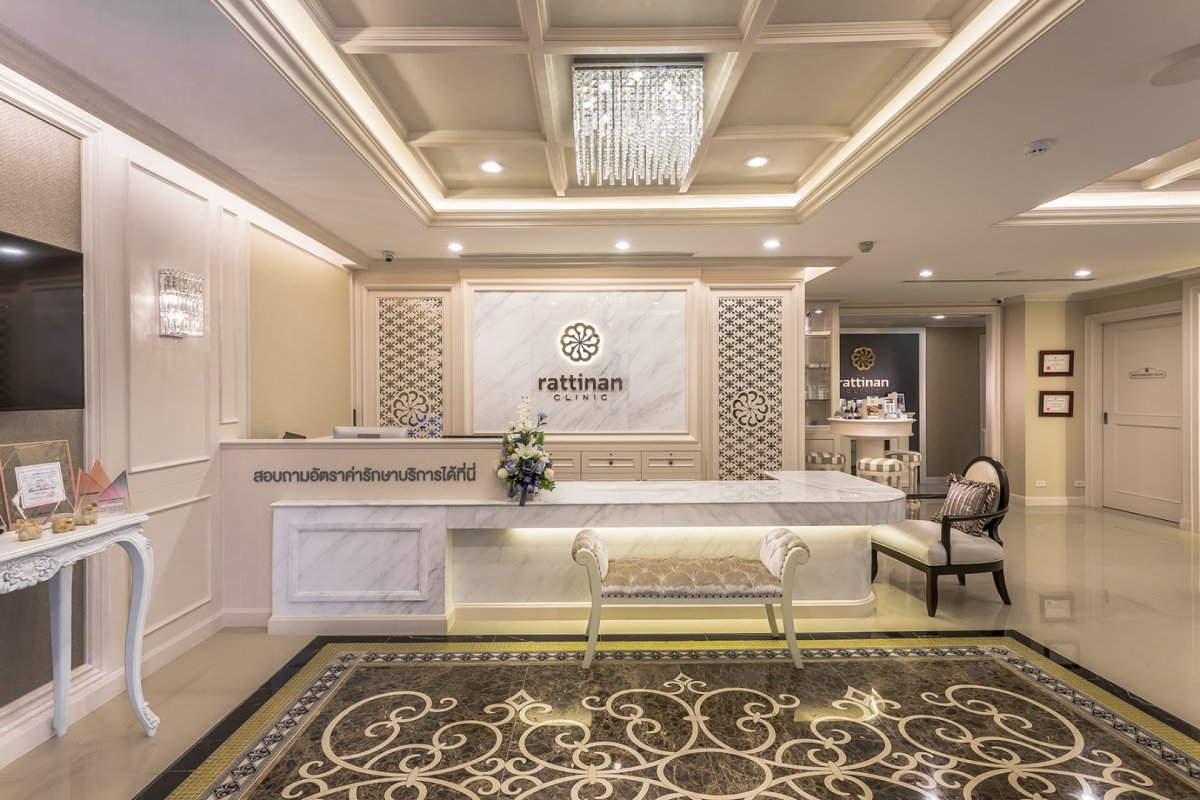
Bookimed Expert Insight: While Bangkok is the primary hub, choosing established centres like Rattinan Clinic provides access to over 25 years of specialist experience. Some hospitals, such as Navamin9, offer all-inclusive packages for approximately A$11,800. These often cover essential extras like blood tests and private recovery chambers. This simplifies budgeting for Australians, as it covers most clinical costs in one upfront price.
| Thailand | Turkey | |
|---|---|---|
| Endoscopic sleeve gastroplasty (ESG) | from AUD $24,500 / ฿550,800 | from AUD $8,200 / ฿183,600 |


Dr. Thakoon Poonthananiwatkul is a surgeon at Navamin 9 Hospital in Bangkok. He specializes in bariatric, metabolic, and laparoscopic surgery. His work focuses on weight-loss procedures to improve patient health and quality of life. Dr. Poonthananiwatkul uses laparoscopic techniques to ensure precise results with minimal recovery time.
He practices at the JCI-accredited Navamin 9 Hospital. This facility follows international US-based safety standards for patient care. The hospital network treats over 500,000 patients every year. Dr. Poonthananiwatkul provides preoperative support and long-term metabolic health management. He treats obesity and its related health conditions using evidence-based methods.
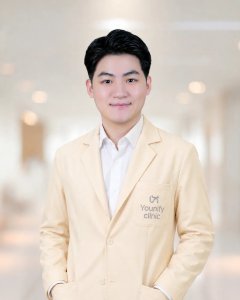

Dr. Sukcharoen specializes in anti-aging and regenerative medicine, with advanced training in dermatology and men's health.

Dr. Premkamol Patraithikul is a general surgeon with advanced training in minimally invasive techniques. Dr. Patraithikul earned an M.D. from Khon Kaen University. Dr. Patraithikul completed a residency in general surgery at Thammasat University. Dr. Patraithikul completed a fellowship in laparoscopic surgery at Mahidol University (Siriraj Hospital) in Thailand.
Clinical expertise includes laparoscopic and robotic surgery. Practice also covers general surgery, obesity and weight‑management surgery, and surgery for gastrointestinal conditions.
 Anna Leonova

Endoscopic Sleeve Gastroplasty (ESG) in Thailand is a safe, non-surgical procedure. Success rates approach those of laparoscopic surgery. Patients typically lose 10%–20% of their total body weight within the first year. Bangkok clinics like NAVAMIN9 HOSPITAL hold JCI accreditation. This confirms international safety standards and low complication rates.
Bookimed Expert Insight: ESG is often called an outpatient procedure. Still, Bookimed data shows Thai clinics like NAVAMIN9 HOSPITAL often include 3 days of hospital stay. This extra observation time in a private room helps specialists manage nausea. It also lets them confirm the 6–8 stomach sutures are stable before discharge.
Patient Consensus: Patients find the non-surgical nature of ESG in Thailand reduces recovery time significantly. Most suggest confirming telehealth follow-up plans with clinics like Rattinan Medical Centre. This provides aftercare support once back in Australia.
Suitable candidates for Endoscopic Sleeve Gastroplasty (ESG) in Thailand are generally individuals with a BMI over 30. They typically have not achieved results through diet or exercise. Patients with a BMI between 27 and 30 may also qualify if they have health conditions like type 2 diabetes.
Bookimed Expert Insight: Many Australian patients seek ESG for its quick recovery. However, Bookimed data shows that Bangkok facilities like Navamin9 Hospital often include a 3-day hospital stay. This monitoring period allows for stability and better pain management before patients return to their hotel.
Patient Consensus: Patients in Thailand appreciate the incision-free approach for moderate obesity when other methods fail. They suggest confirming dietitian support plans early to help maintain weight loss after returning home.
Endoscopic sleeve gastroplasty (ESG) in Thailand is a non-surgical, incisionless procedure. It is performed through the mouth. Traditional gastric sleeve surgery involves permanently removing 75-80% of the stomach through small abdominal incisions. ESG offers faster recovery. Traditional surgery typically results in greater long-term weight loss.
Bookimed Expert Insight: While ESG is non-surgical, leading Bangkok clinics like Navamin9 Hospital still include a 3-day hospital stay. Their A$11,300 packages provide professional monitoring for safety before flying home. In contrast, Rattinan Clinic has provided weight loss services for over 25 years. This highlights Thailand's deep expertise in bariatric care.
Patient Consensus: Patients choose ESG in Thailand when they want a less invasive option with shorter downtime. Those seeking permanent, substantial weight loss results often prefer the traditional surgical sleeve. Most appreciate that packages include essential blood tests, anaesthesia, and follow-up care.
Endoscopic sleeve gastroplasty (ESG) in Thailand is a weight loss procedure. It reduces stomach volume by 60–70% without external incisions. Specialists perform it through the mouth under general anaesthesia. They use an endoscope to place sutures that fold the stomach into a smaller tube.
Bookimed Expert Insight: While ESG is non-surgical, Bookimed data shows Thailand’s packages often include a 3-day hospital stay. This provides formal post-operative monitoring. This is more intensive than the same-day discharge seen in some Western clinics. It provides an extra safety net for international patients during the initial transition.
Patient Consensus: Patients in Thailand appreciate having a clear staged diet plan and a follow-up protocol. They suggest confirming which pre-operative tests are included. Patients should also check that the endoscopist has proven experience with this suturing technique.
Patients should stay in Thailand for at least 5 to 7 days after Endoscopic Sleeve Gastroplasty (ESG). This period covers the procedure and a 1–3 night hospital stay. It also allows for monitoring before a long-haul flight back to Australia.
Bookimed Expert Insight: ESG is a day procedure in some countries. However, Thai JCI-accredited hospitals like Navamin9 often bundle a 3-day inpatient stay. This allows for professional pain management and IV hydration. These measures lower the risk of dehydration during the flight home.
Patient Consensus: Patients in Thailand recommend staying 48–72 hours locally to manage initial pain and fluids. Building in a 3-day buffer prevents travel stress if recovery is slower than expected.