
4.7
(6 reviews) 34 years of experience
25000 treatments
Asian Double Eyelid Surgery by Surgeon with 20,000+ Procedures Performed
Double eyelid operation in Turkey typically costs from AUD $2,400 to AUD $4,200. Prices vary based on the surgical technique used, the surgeon's expertise, and the clinic's location in hubs like Istanbul or Antalya. Patients from Australia save approximately 53% compared to local costs, which average AUD $7,000. Packages usually include surgeon fees, local anaesthetic, preoperative tests, and follow-up examinations.
Bookimed Expert Insight: Choosing a surgeon who specialises in both ophthalmology and plastic surgery can provide superior aesthetic and functional results. For example, Dr Ahmet Satici has performed over 20,000 surgeries and offers packages for approximately A$6,700. These comprehensive deals often include a one-day hospital stay and five days in a hotel, ensuring professional monitoring during the most critical early recovery phase.
| Turkey | Thailand | South Korea | |
| Double Eyelid Operation | from AUD $2,400 | from AUD $1,900 | from AUD $1,700 |
Professor Murat Yaman performs 500 to 600 procedures annually at Lokman Hekim Istanbul Hospital, focusing on facial aesthetics and delicate restorative work.
Professor Dr Ömer Özkan, a world pioneer in transplantation, trained Dr Yunus Emre Seker in high-precision reconstructive and aesthetic surgery.
Dr Muhammet Mustafa Aydinol is a specialist plastic surgeon at Dr. MED Clinic who holds international accreditation for aesthetic procedures.
Dr. Ilker Manavbaşı is the youngest member of the Rhinoplasty Society. This exclusive organization admits only a limited number of international surgeons. He specializes in functional nasal surgery, facial rejuvenation, and mega liposuction. Dr. Manavbaşı developed two surgical techniques presented at the Symposium on Plastic Surgery in Italy.
Having double eyelid surgery in Turkey carries standard surgical risks like swelling, bruising, and dry eyes. While uncommon, serious complications include asymmetry, scarred incisions, or difficulty closing eyes fully. Most symptoms resolve within 1–2 weeks. However, dry eyes can persist for up to 1 month.
Bookimed Expert Insight: Reviewing ophthalmology-focussed clinics provides an extra safety layer for eyelid procedures. Surgeons like Dr Ahmet Satici have performed 20,000+ cases and often involve ophthalmologist consultations. This protects both the aesthetic fold and the essential health of the eye.
Patient Consensus: Patients in Turkey report that each step works well, including dedicated drivers and supportive staff. Follow-up visits are typically handled by the clinical team. You should confirm all surgical questions during the initial consultation.
Double eyelid surgery in Turkey is a permanent procedure. Surgeons create a new structural crease by removing excess skin and fat. This results in a permanent change to the eyelid shape. While results last, natural ageing continues. Significant skin laxity may subtly alter the crease after 15+ years.
Bookimed Expert Insight: Turkish specialists often include an ophthalmologist consultation in their packages. This is a smart safeguard. A specialist eye doctor checks vision and tear film before surgery. This helps prevent long-term dry eye issues. These are common concerns among Australian patients seeking permanent results.
Patient Consensus: Patients in Turkey report that the new eyelid crease stays defined for many years. They suggest checking long-term photos. They also suggest asking how eyes will age, as surgery won't stop natural skin laxity.
Surgical techniques for double eyelid surgery in Turkey include the incisional method for permanent results. Clinics also offer the non-incisional suture method for minimal downtime and hybrid approaches. Specialists in Istanbul and Antalya frequently perform these as Asian blepharoplasty. They often combine crease creation with epicanthoplasty or ptosis correction.
Bookimed Expert Insight: Many Turkish clinics offer general plastic surgery. However, high-volume centres like Private Bagcilar Safak Hospital treat up to 8,000 patients annually. Surgeons there, such as Dr Ahmet Satici with 20,000+ procedures, often prefer local anaesthesia. This allows for real-time crease adjustment while the patient is awake. This method helps achieve better symmetry compared to general anaesthesia.
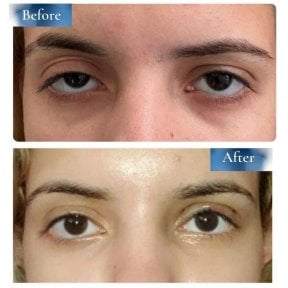
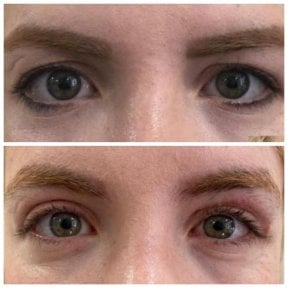
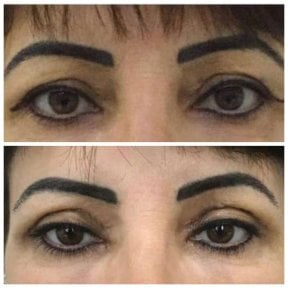
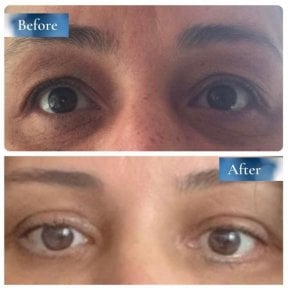
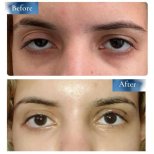
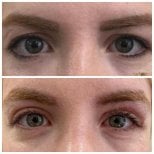
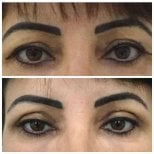
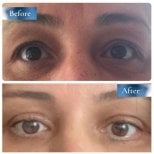
Patient Consensus: Patients in Turkey highlight the convenience of all-inclusive packages. These bundles include local anaesthesia, pre-op tests, and hotel stays. Experience shows that unedited before-and-after photos help confirm a surgeon’s ability to design natural-looking creases.
Regular blepharoplasty in Turkey removes excess skin and fat to rejuvenate ageing eyes. Double eyelid surgery creates a permanent upper lid crease. This is for patients who did not have one before. Both involve incisions. However, blepharoplasty focuses on tissue reduction. Double eyelid surgery prioritises structural crease formation.
Bookimed Expert Insight: Turkish centres like Private Bagcilar Safak Hospital often assign ophthalmologists for double eyelid surgery. These specialists are used instead of general plastic surgeons. Dr Ahmet Satici has performed 20,000+ eye procedures. Using an eye specialist helps make the new crease functional and medically safe.
Patient Consensus: Turkish clinics provide seamless transfers between the airport and hotel. Patients appreciate how fast doctors respond to queries. They also value the efficiency of the surgical schedules. Recovering in Istanbul is convenient because many all-inclusive packages include five nights of accommodation.
Australian patients should plan for a 7 to 10-day stay in Turkey for double eyelid surgery. This timeframe allowing for the initial consultation and the 1–2 hour procedure. It also covers a 7-day recovery period before stitch removal and the flight home.
Bookimed Expert Insight: Clinics like Private Bagcilar Safak Hospital offer video consultations for remote planning before you leave Australia. This helps Dr Ahmet Satici, who has performed 20,000+ procedures, confirm your suitability. This pre-travel step prevents any unexpected changes to your surgical plan upon arrival in Istanbul.
Patient Consensus: Patients in Turkey describe the process as efficient with dedicated drivers and supportive hospital staff. They recommend asking all surgical questions during the first 5-minute consultation. This is because subsequent check-ups often involve different medical team members.