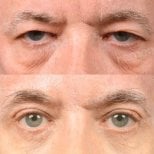
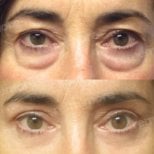
How Much Does Blepharoplasty (Eyelid correction) Cost in Turkey in AUD?
In Turkey, eyelid correction typically costs from AUD $1,100 to AUD $3,300. Prices depend on whether you treat upper, lower, or both eyelids and the chosen anaesthetic. Most Turkish packages include 4 or 5-star hotel accommodation, VIP airport transfers, and all necessary preoperative blood tests.
Upper and lower eyelid surgery: AUD $2,300 to AUD $3,900 for a complete rejuvenation.
Upper eyelid surgery: AUD $980 to AUD $2,400, focuses on removing hooded skin.
Lower eyelid blepharoplasty: AUD $980 to AUD $2,900, targets under-eye bags and puffiness.
Double eyelid operation: AUD $2,300 to AUD $4,400 to create a visible supratarsal crease.
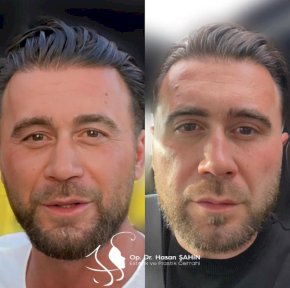
Bookimed Expert Insight: Choosing a specialist with high surgical volumes offers the best value. Professionals like Dr. Hasan Sahin have performed over 12,000 procedures at JCI-accredited facilities. Some clinics offer comprehensive packages for approximately A$3,360 that include full-board meals and 24-hour nursing support. This level of post-operative care often exceeds what is standard in higher-priced private Australian clinics.
How we get this price: Bookimed recalculates it daily from each clinic's lowest listed price for Blepharoplasty (Eyelid correction), taken from clinic price lists and package offers. The "from" price is the lowest starting price among 72 clinics in Turkey (unusually low outliers excluded). Clinics pay Bookimed a commission but can't change these figures. Last price update: November 27, 2026.
Best Blepharoplasty (Eyelid correction) Clinics in Turkey for Australians: 22 Verified Options and AUD Prices
A Fox Eye Lift is a cosmetic surgery that subtly elevates the outer corners of the eyes, creating an almond-shaped appearance, with minimal recovery time required.
Reshaping of the outer corners of the eyes to achieve an almond-like appearance, enhancing eye symmetry and aesthetic appeal, with minimal recovery time.
This cosmetic procedure reshapes the eyes to achieve a more elongated, almond-like appearance by adjusting eyelid positioning, enhancing facial harmony and symmetry.
How to find best offer with Bookimed?
Discover options on the website: deals, clinics, and doctors.
Select your favourites.
Share photos or describe your issue.
Send a request.
Receive free offers for your needs with prices and details.
Compare and finalise your choice.
Book your clinic visit.
Pay at the clinic. Bookimed fees are $0 for you.
From start to finish, the Bookimed coordinator keeps you safe and comfortable during your medical journey.
100% free, non-binding assessment of your case after photos download.
Instant FREE personalised offers to make the right choice.
Expert guidance in choosing the perfect Plastic Surgery doctor and clinic.
Special packages and exclusive prices for our patients.
24/7 Bookimed guidance at no cost, guaranteed.
Hassle-free translation of your medical documents for clinics.
Multilingual staff — no language barrier with Bookimed coordinator.
Bookimed ensures transparent and secure payments. Patients pay at the clinic with no additional fees.
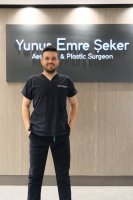
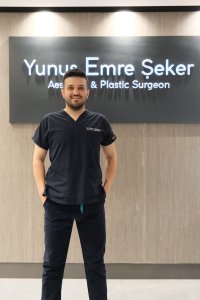
Dr. Seker performs precise blepharoplasty with an artistic eye for natural results, trained under Prof. Dr. Omer Ozkan – a pioneer in facial transplantation.
Specializes in facial aesthetic and reconstructive surgery
Trained at Akdeniz University Hospital – a leading center for advanced surgical training
Focuses on preserving function while enhancing eyelid aesthetics
Contributed to academic research in plastic surgery techniques
Dr. Omer Faruk Oge is an ophthalmologist at Lokman Hekim Istanbul Hospital. He specializes in surgeries for strabismus, cataracts, and retinal diseases. He is a member of the European Society of Cataract and Refractive Surgeons. Dr. Oge also focuses on pediatric eye health and ocular aesthetics.
Trained at the Beyoglu Eye Training and Research Hospital.
Treats complex conditions including amblyopia and retinal disorders.
Dr. Pashazade holds the European Board of Plastic, Reconstructive and Aesthetic Surgery (EBOPRAS) certification – a mark of excellence in eyelid surgery standards.
Trained at Istanbul University Cerrahpaşa and Bursa Uludağ University
Specializes in natural-looking results with functional integrity
Active participant in international aesthetic surgery congresses
Practices at Quartz Hospital with individualized care
Video Stories from Bookimed Patients
Véronique
If you're considering a change, definitely look into Bookimed. They made the whole process a breeze.
Procedure: Blepharoplasty (Eyelid correction)
Reviews about Bookimed: Discover Patients' Insights
The surgeon did an excellent job – the incisions were made using the traditional method and are now hidden in the natural folds of the skin
I was worried that the scars from the upper and lower eyelid surgery would be noticeable. Fortunately, the surgeon did an excellent job – the incisions were made using the traditional method and are now hidden in the natural folds of the skin. I have no complaints about him whatsoever. However, the overall impression was greatly marred by the clinic itself, where the conditions were unsatisfactory. Recovery is still ongoing. My eyes are still swollen, and I’ve noticed that when I smile, one side looks slightly different. I hope this will pass. The main advice I would give to anyone considering this procedure is to prepare thoroughly for the period before and after the operation.
Lesley • Blepharoplasty (Eyelid correction)
United Kingdom
4 Apr 2026
Verified review.
We will be going back for other treatment and truly can’t recommend them enough
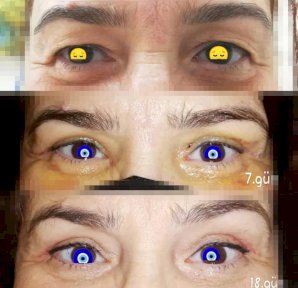
Sitting in the clinic in Antalya, the surgeon explained how the laser-assisted technique for my upper eyelids would function during the procedure. The whole service was smooth and we had a fantastic time throughout our stay. The aftercare was good. I was thrilled with how my eyes looked at 12 days, although at day 15 my biggest challenge is that they are still puffy. My eyes look natural and smooth when I smile. It is a process. We will be going back for other treatment and truly can’t recommend them enough. If you are considering eyelid surgery, ensure you have a few weeks to let the initial swelling settle.
Anonymous • Blepharoplasty (Eyelid correction)
Germany
24 Apr 2026
Verified review.
I now feel better than I expected
What I remember most about the whole process was the doctor’s approach. Before the operation, he personally marked the incision lines on my upper eyelids and honestly explained what I could realistically expect from the result. The procedure was carried out under general anaesthetic, and I now feel better than I expected. It was a great help that the doctor personally checked on me after the operation, and the clinic provided clear aftercare instructions. There were no additional costs. The only advice I would give to future patients is to make sure you confirm the exact date and time of the operation in advance.
Tanja Alles • Blepharoplasty (Eyelid correction)
Germany
9 Oct 2025
Verified review.
From the very beginning of my enquiry at Bookimed to the last taxi ride to the airport after the procedures, everything went without a single obstacle
I was on 29 September 2025 at Lockman hekim clinic for breast and eyelid reduction.All my fears and doubts were in vain.
From the very beginning of my enquiry at Bookimed to the last taxi ride to the airport after the procedures, everything went without a single obstacle.
Everything went smoothly and smoothly.
We arrived very early, we were taken to the clinic and our interpreter Olga was already in touch with us. We were placed in a beautifully decorated room, on the same day all the necessary medical parameters were taken. The doctor clearly explained what would happen and how it would be done.
We were in the clinic for 3 days and then to the hotel. It was also clean, beautifully designed, rich breakfast.
I recommend Lokman Hekim and Dr Marat Yaman if you want to change your appearance.
Food, staff, I can't single out anything, everything was good.
About Bookimed service
Very high quality service. Quick responses to all my enquiries and subsequently attentive attitude.
Надежда • Blepharoplasty (Eyelid correction)
Norway
24 Oct 2023
Verified review.
If I had a choice, I would contact the same surgeon and the same clinic
I had plastic surgery on the upper and lower eyelids. I can describe my experience as follows: an absolute feeling of safety and comfort throughout the provision of the service. Compassionate staff, talented surgeon, modern equipment and techniques. And subsequent support, which is also very important. If I had a choice, I would contact the same surgeon and the same clinic. On the upper eyelids the seams are very neat, on the lower eyelids I couldn’t find them at all. I am very grateful to my consultant doctor Stanislav from Bookimed for choosing the clinic and doctor, for his participation and support ❤️
About Bookimed service
I am very glad that I contacted them. They selected a clinic for me that suited my budget with an amazing surgeon and excellent service.
I am very grateful to all the staff for their attentiveness and prompt assistance. I travelled alone, but I didn't feel lonely, I had support from all sides ☺️ Transfer is super, I didn't even expect that it would be so VIP, the drivers are very well-mannered, attentive, careful driving! The hotel is great, I got even more than положено👍🏼 The interpreter Olga provided all kinds of help, support and was always there for me! 🫶 I had a difficult operation on my nose, but Murat Yaman is a professional and did everything to the maximum and even more, I do not regret that out of all the options I was offered I chose him 🥰 I hope my nose will be beautiful) Thank you so much 😊
Transfer, ward, doctor, interpreter, hotel, staff
Some of the staff when I was lying in the ward forgot to bring me ice, water, but that's the way it is, I understand that they have a high workload and can't keep everything in their heads, so in the end they brought it a little later ) This is a trifle and the only small minus, I would not take it into account compared to the way they ran over me.
About Bookimed service
I accidentally found an advert on the internet and decided to just ask about rhinoplasty)))) In the end I had it done 😄 Although I didn't really plan to decide so quickly. The manager did his best, well done ))
Nataliya • Blepharoplasty (Eyelid correction)
United Kingdom
8 Aug 2026
Verified review.
The doctor is a professional, a master, a Creator!
The doctor is an amazingly warm, kind, and attentive person. He listened to my wishes and made adjustments with which I was 100% in agreement.
The doctor is a professional, a master, a Creator! The team is excellently selected, and the staff is attentive and polite. The coordinator was always in touch, and I felt supported at every stage. The surgery was under general anesthesia, and now I feel better than I expected. Care in the clinic was round-the-clock, the staff was always nearby, and later remained in contact. No additional expenses were incurred.
Future patients are advised to bring button-up pajamas and fully prepare for the surgery as instructed by your coordinator. This is important.
The doctor is a professional, a master, a creator!!! The team is wonderfully selected, the staff is attentive and polite. The coordinator is always in touch. I felt supported at every stage. Thank you for being there!
Anonymous • Blepharoplasty (Eyelid correction)
United States of America
1 Aug 2026
Verified review.
It felt like Dr
What stood out was the surgeon's personal attention. He personally checked on me after surgery. Beforehand, Dr. Yaman explained his deep plane technique very clearly for my facelift, which also included my upper and lower eyes, brows, and a lip lift. This personal touch was part of the overall atmosphere. Every thing had a positive vibe; everyone was professional and warm, and the facilities and transportation were exceptional. It felt like Dr. Yaman really cared for you as a person. My recovery is progressing about as expected. I received a clear aftercare guide and had no additional expenses. For me, a little more language support could be useful, but it didn't hinder the process.
Every thing had a positive vibe, everyone was professional and warm, facilities and transportation were exceptional,
Dr Yaman really cared for you as a person
I think maybe for me little more language, but it didn’t hinder me
Anonymous • Blepharoplasty (Eyelid correction)
United States of America
18 Apr 2026
Verified review.
You will be nervous but when you finish, you will be glad you did it
My biggest worry going into this was the recovery pain. Honestly, the most challenging part so far post-op has been the donor site soreness from my love handles, not my face. My cheeks and temples, where the fat was transferred, are still quite swollen. It’s definitely too early to tell what the final volume will be. Right now, there is a slight difference in symmetry between the sides, but that can be expected at this stage. The surgeon and the clinic staff were straightforward and capable, which I appreciated. My one tip for anyone considering this is simple. You will be nervous but when you finish, you will be glad you did it.
The results were great which is the most important.
Would have loved more reassurance with procedure and what exactly the doctor was about to do. More detail explanation with recovery timelines and what to do during recovery .
Anonymous • Blepharoplasty (Eyelid correction)
United Kingdom
15 June 2026
Verified review.
I would absolutely recommend this clinic
What worried me most was how I'd manage the recovery, especially the no-sitting rule. It's a challenge. Finding a comfortable sleeping position has been the hardest part so far. My projection already looks good, although it is still quite swollen. The areas where they performed the VASER lipo feel lumpy and hard, which I understand is part of the early healing process. Despite the discomforts of recovery, the surgeon and the entire staff were supportive and professional, which made a huge difference. I would absolutely recommend this clinic.
Staff are friendly and the clinic was professionally clean and the nurses were friendly always at your service when you need them everything was properly organised from airport transport to hospital I loved the clinic it was very comfortable wouldn’t mind staying there throughout my recovery,the doctor was friendly always coming to check on you.
The clinic food 2/5 Mayb because I’m not used to Turkish cuisine I ate fruits most of the time.
Аnastasiya • Blepharoplasty (Eyelid correction)
21 Aug 2025
Verified review.
I am satisfied with the results
I applied to organise a blepharoplasty procedure in July. I was offered several doctors and clinics. There was also an online consultation. After a month in Antalya, I had a consultation with a doctor at the clinic and after the operation. All this time Valeria accompanied me and was in touch with me. I am satisfied with the results. If I need anything else, I will contact only here.
I came to Soraca Med Clinic for an upper eye lift and was very satisfied! I recommend this clinic!
I came to Soraca Med Clinic for an upper eye lift and was very satisfied! I recommend this clinic! Competent and experienced doctors and accompanying staff. Responsive and friendly coordinators. Very nice hotel near the sea, thank you very much. My husband and I were very satisfied.
Anonymous • Blepharoplasty (Eyelid correction)
United States of America
25 Oct 2026
Verified review.
I felt like Dr
I consulted and had surgery the same day with Dr. Egen Er. Before I met the doctor they drew blood and obtained a EKG. I felt like Dr. Egen Er was great. He was honest and up front about expectations and what was worth getting done and wasn’t. He spoke very good English. I felt comfortable in his hands. My recovery from the fat redistribution procedure is progressing about as expected. When I came in for follow up and bandage removal he saw me in the reception area, so there was no 1:1 time. I go back tomorrow for my final check up and I’m hoping to have a little more time with him. The hospital is clean and staff professional. The overnight stay was difficult as English is not spoken by the nurses. A translation app is essential. I am thankful I took pictures of the aftercare documents, as no copies were given at discharge. There were no additional expenses. Everything was included as discussed and the hotel accommodation was good.
Dr. Egen Er was great. Was honest and up front about expectations and what was worth getting done and wasn’t. He spoke very good English. I felt comfortable in his hands.
English is not spoken by the nurses, so for the overnight stay, if you don’t know Turkish it can be difficult. I was able to make my needs known but it was a bit overwhelming being in a different country and unable to communicate after surgery. I am very thankful I took pictures of the after care. documentation (they have you sign everything before surgery) as no copies were given and I was unable to communicate this effectively. WiFi is good and I was able to use an app to help translate.
Anonymous • Blepharoplasty (Eyelid correction)
United Arab Emirates
25 Aug 2026
Verified review.
What stood out was this genuine care that the end result was as good as was possible
The doctor was good and appears to have done a good job. I didn't feel like a number; he seemed to want to get the best outcome possible and it meant something to him. What stood out was this genuine care that the end result was as good as was possible. The procedure was under general anesthesia, and my recovery is progressing about as expected. The clinic itself is great. The only issue was with the night staff, who didn't seem to know what they were doing as much as the day staff did. The clinic has stayed in touch afterward, which is reassuring. One thing to note is that there were additional expenses for take-home medications, which I think should have been included in the initial quote. For future patients, I’d say most things are covered under general expectations, so no special preparation was needed.
The Dr was good and appears to have done a good job. I didn't feel like a number, he seemed to want to get the best outcome possible and it meant something to him.
The night staff didn't really seem to know what they were doing as much as the day staff.
Anonymous • Blepharoplasty (Eyelid correction)
Norway
12 Apr 2026
Verified review.
When I smile, my eyes look better than before
What worried me most before the operation was how the recovery would go. It’s been 10 days now, and I can say it really is a process. My biggest challenge at the moment is that my eyes are a bit swollen, and the incision sites from the upper eyelid correction are still a bit red. Despite this, I can already see positive changes. When I smile, my eyes look better than before. That’s the main thing. The surgeon’s work and the clinic as a whole were of a high standard, so I’d give them a 4/5. To anyone considering something similar, my advice would be: be clear about what you want to do and stay as calm as possible.
A friendly manner. Attentiveness towards patients.
A certified medical writer with 10+ years of experience, developed Bookimed’s trusted content, backed by a Master’s in Philology and medical expert interviews worldwide.
Dr. Ergin Er is a plastic, reconstructive and aesthetic surgeon who has performed more than 10,000 aesthetic procedures. He is a multiple award winner at Turkish National Congresses of Plastic Surgery and completed advanced training at Baylor College of Medicine in Houston, Texas.
This page may feature information relating to various medical conditions, treatments, and healthcare services available in different countries. Please be advised that the content is provided for informational purposes only and should not be construed as medical advice or guidance. Please consult with your doctor or a qualified medical professional before starting or changing medical treatment.
FAQ about Blepharoplasty (Eyelid correction) in Turkey
These FAQs come from real patients seeking medical assistance through Bookimed. Answers are given by experienced medical coordinators and trusted clinic representatives.
What are the possible risks of blepharoplasty surgery in Turkey?
Blepharoplasty in Turkey is generally safe when performed by experienced specialists. Common risks include temporary swelling, bruising, and dry eyes for up to 14 days. Rare but serious complications involve asymmetry, prominent scarring, or lagophthalmos. This is the inability to close eyelids fully if too much skin is removed.
Incision management: Specialist surgeons hide incisions within natural eyelid creases so scars are barely visible.
Asymmetry risks: Eyelid height differences can occur during healing but most settle within several months.
Vision protection: Consultations with ophthalmologists, like at Private Bagcilar Safak Hospital, help prevent rare corneal damage.
Recovery tracking: Post-operative swelling is normal and typically requires 10–14 days for the initial settling phase.
Bookimed Expert Insight: While lower-cost clinics exist, the safest results come from surgeons with high-volume experience. Dr. Ahmet Satici has performed 20,000+ procedures. This experience significantly helps avoid surgical over-resection. Choosing a JCI-accredited facility like Memorial Şişli Hospital further reduces infection risks through internationally recognised safety protocols.
Patient Consensus: Patients mention that swelling and asymmetry are common during the first month of recovery in Turkey. Natural results appear as puffiness settles. Having a dedicated interpreter helps manage any anxiety about the healing process.
What should I expect in my recovery after blepharoplasty in Turkey?
Recovery after blepharoplasty in Turkey typically involves a seven to ten-day initial healing period. Most patients return to work within 14 days. However, residual puffiness persists for three weeks. Clinics like Lokman Hekim Istanbul Hospital provide all-inclusive aftercare. This includes stitch removal and VIP transfers.
Immediate care: Apply ice for 20 minutes every hour for the first two days.
Sleep position: Maintain a 45-degree head elevation using extra pillows for three days.
Activity limits: Avoid exercise for three weeks and skip makeup for two weeks.
Long-term healing: Expect dry eyes or light sensitivity to persist for one month.
Bookimed Expert Insight: Standard packages offer a one-night stay. However, Dr. Ahmet Satici and Dr. Hasan Sahin, top-rated surgeons, recommend a longer stay. These surgeons suggest staying in Turkey for five to nine days. This window allows surgeons to personally monitor initial swelling. They can also perform a final physical check before the long-distance flight back to Australia.
Patient Consensus: Pain is virtually non-existent. However, managing swelling requires patience while waiting for results to feel natural. Packing a neck pillow and preservative-free eye drops helps. This makes the flight home to Australia much more comfortable.
What kind of results can I expect from eyelid surgery in Turkey?
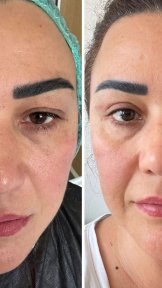
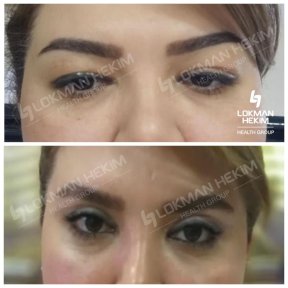
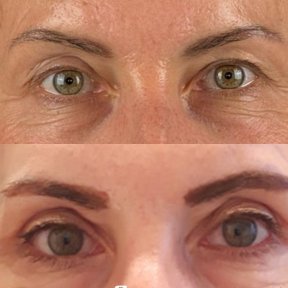
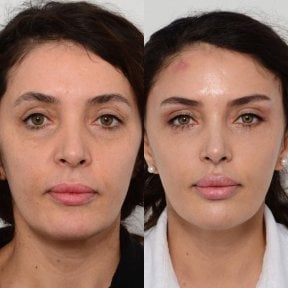
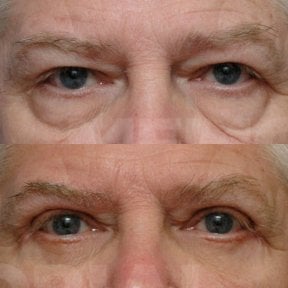
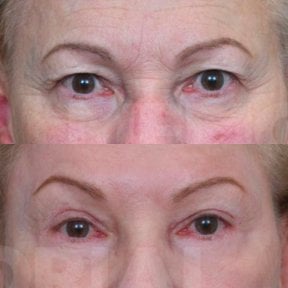
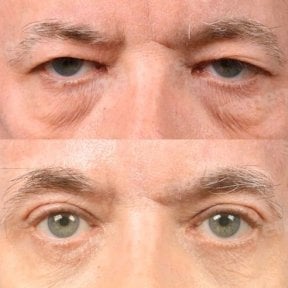
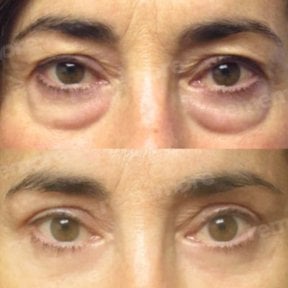
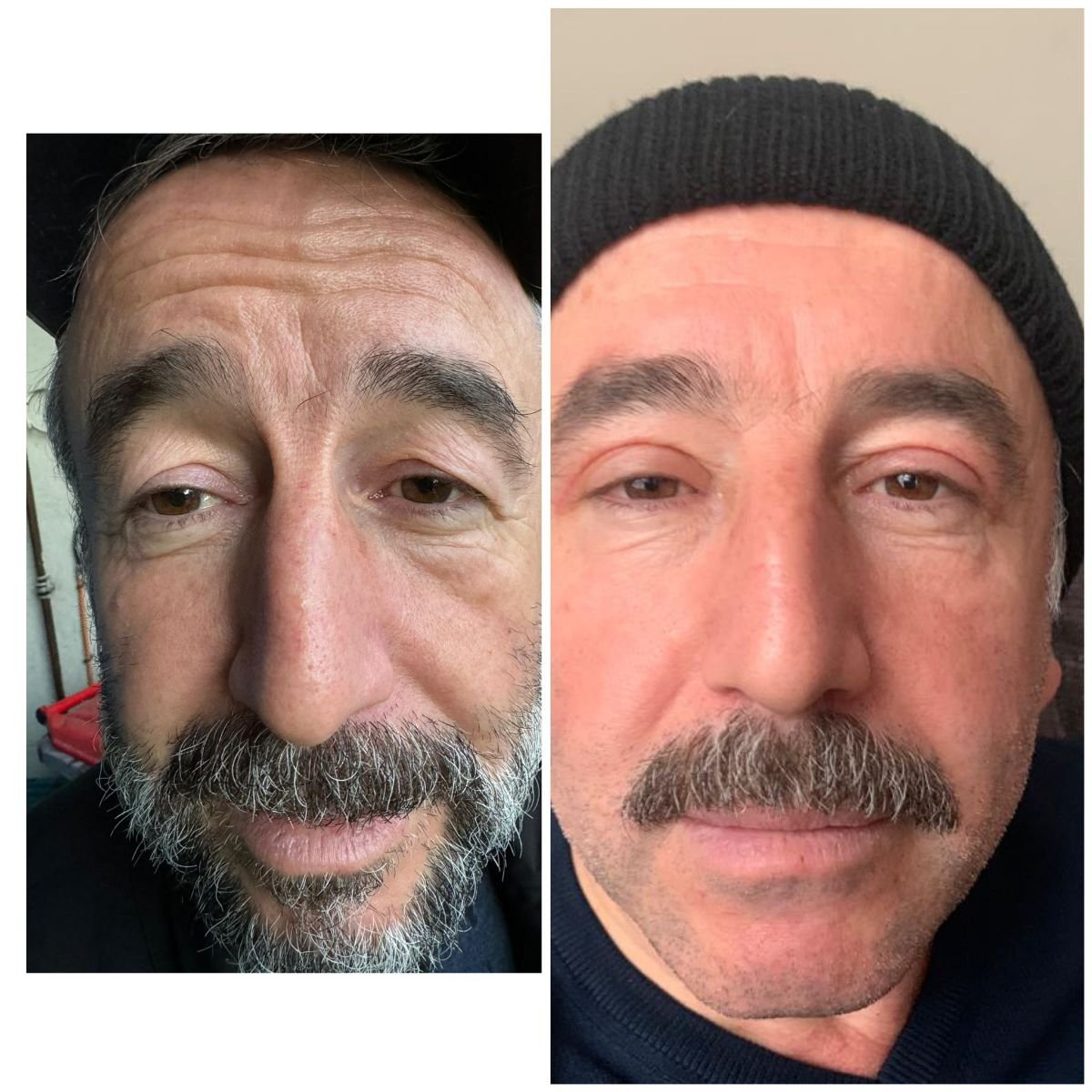
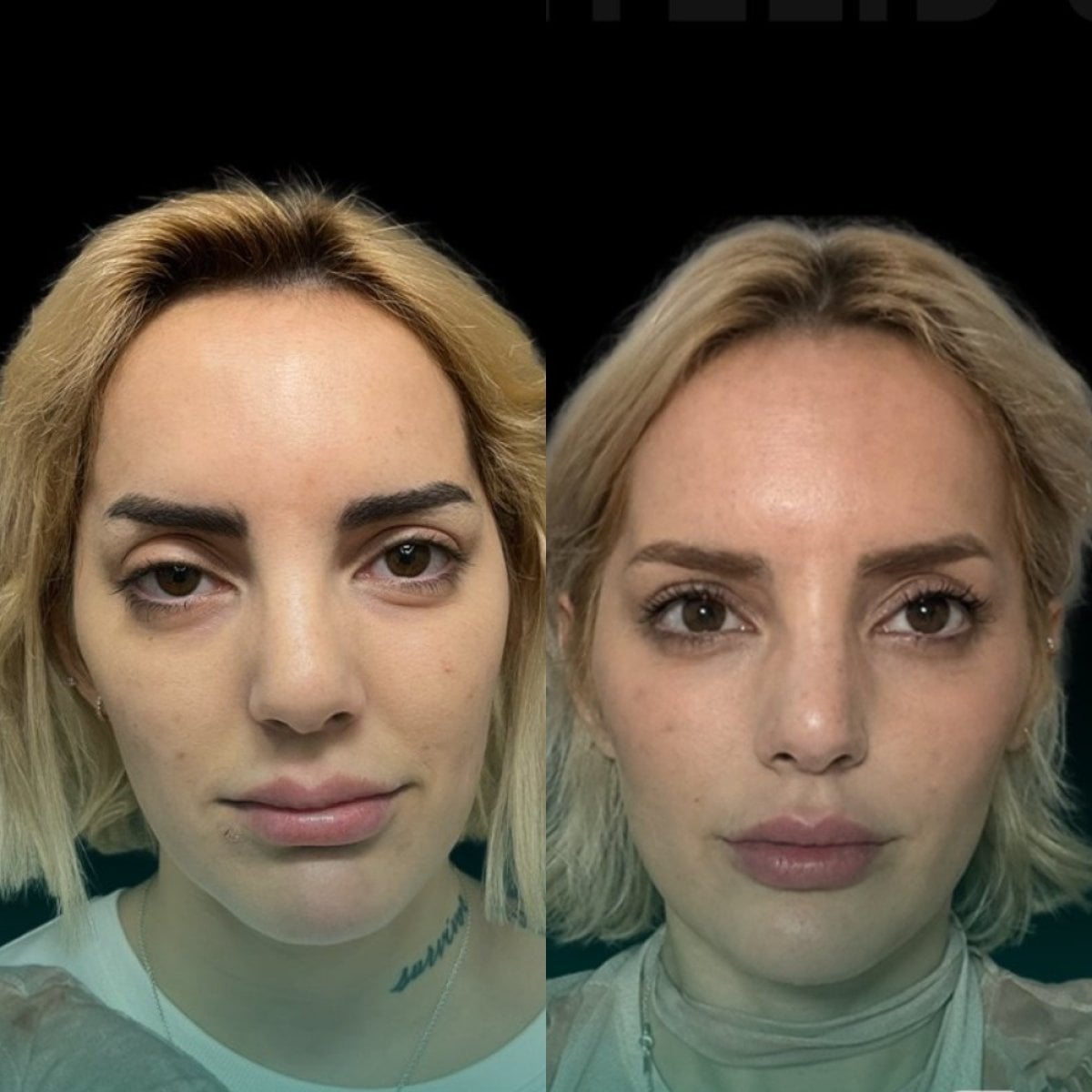
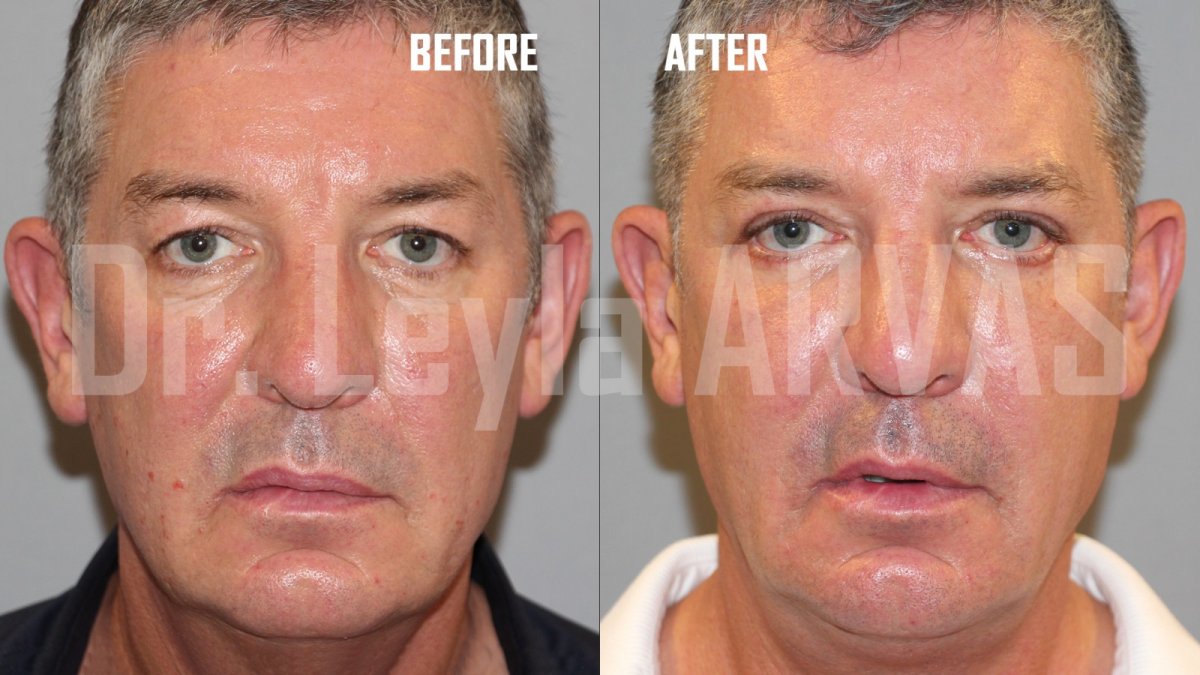
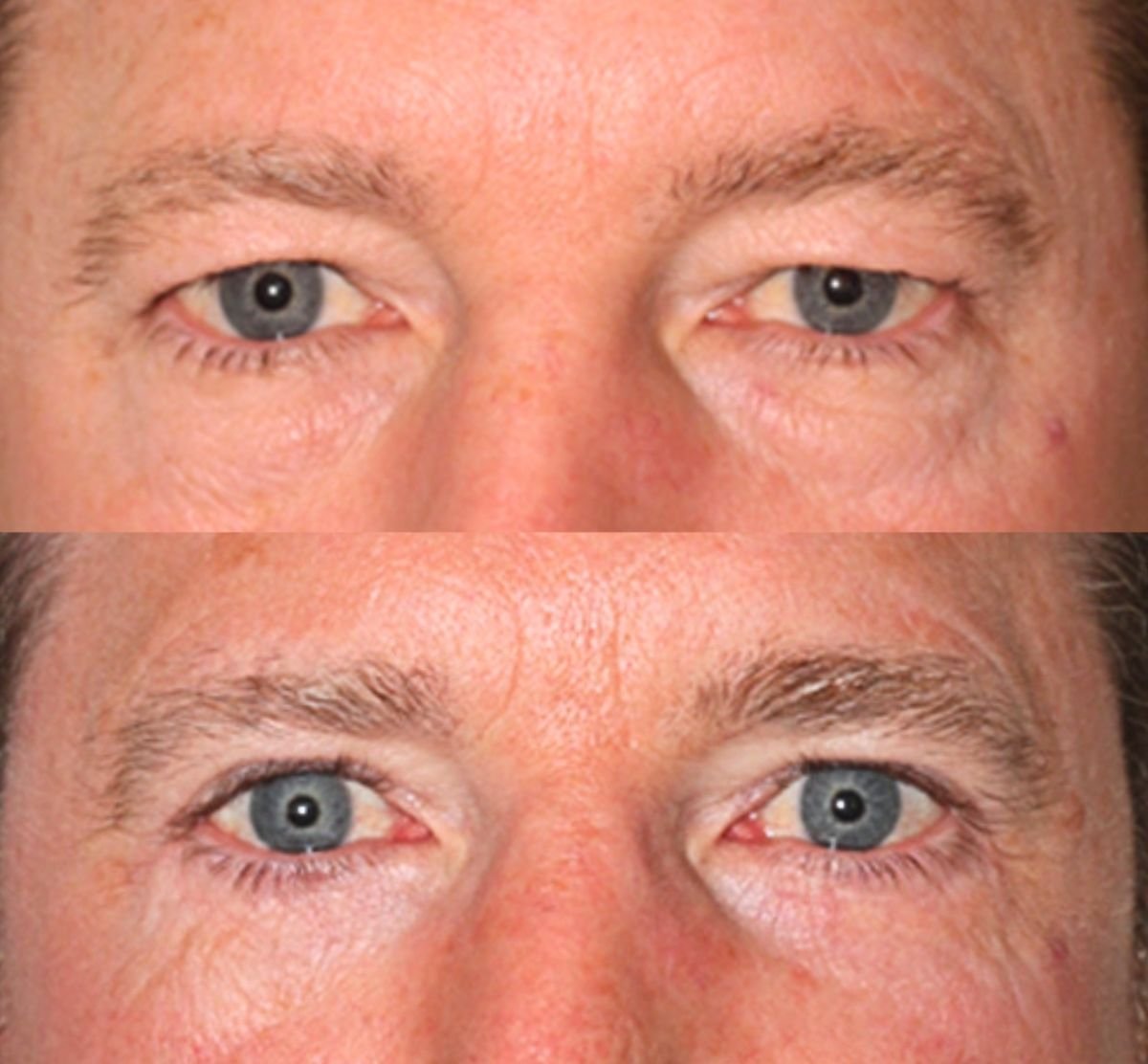
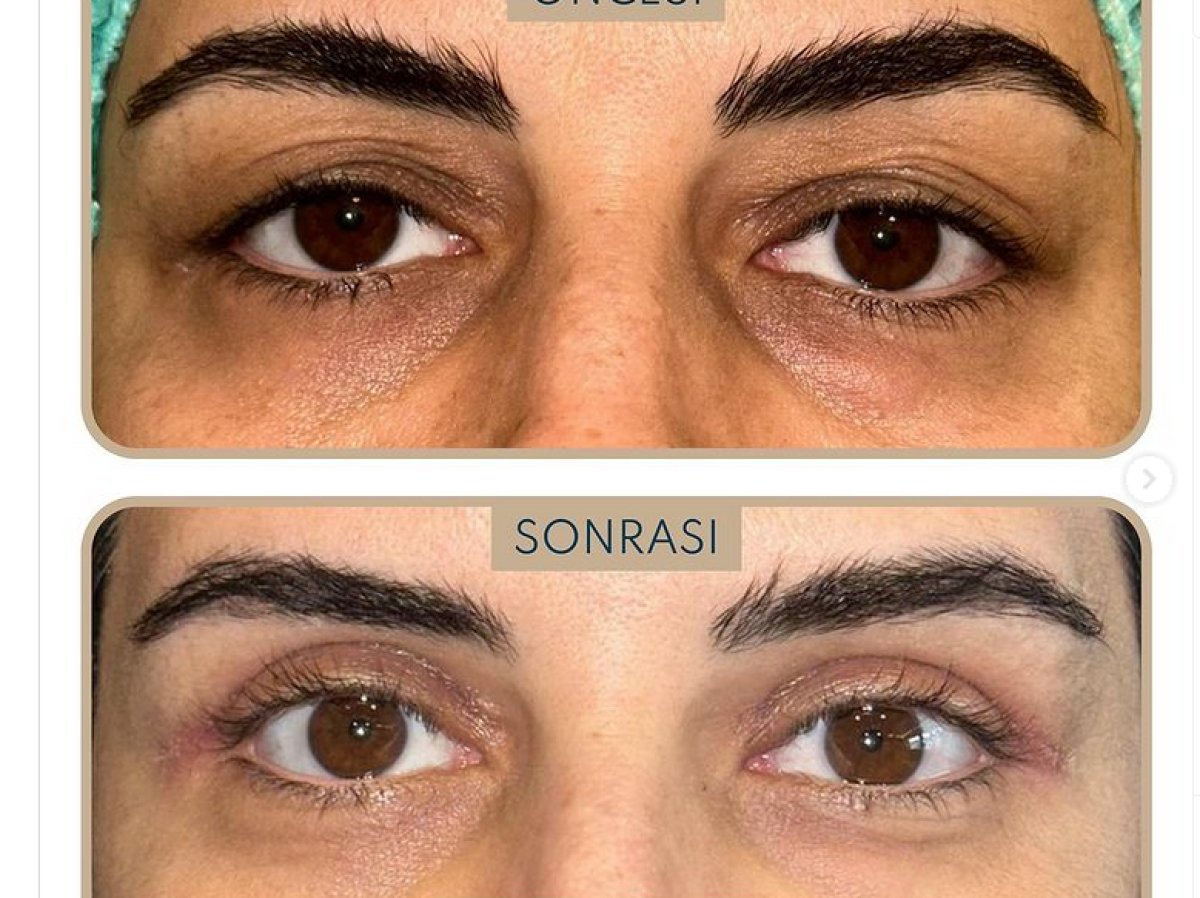
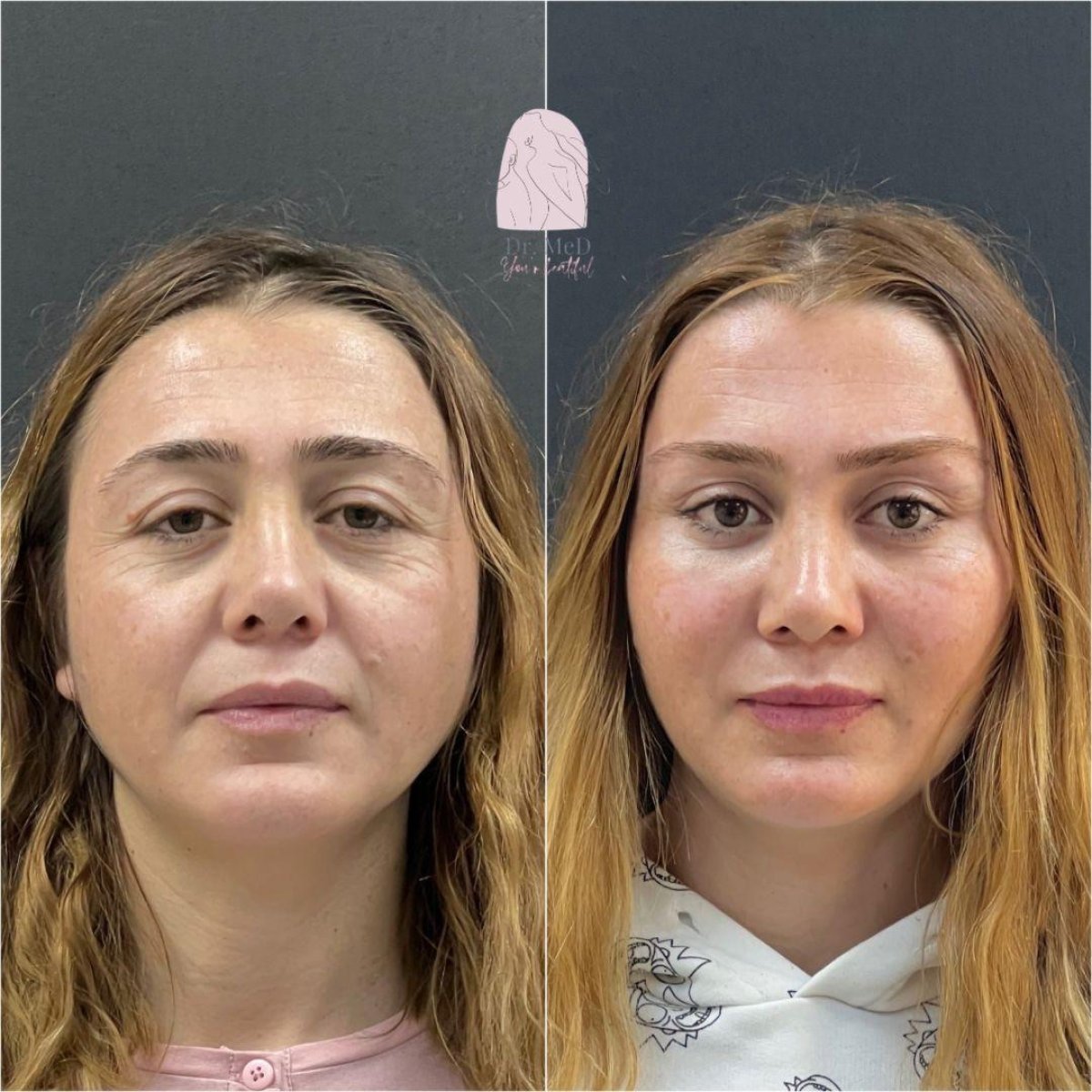
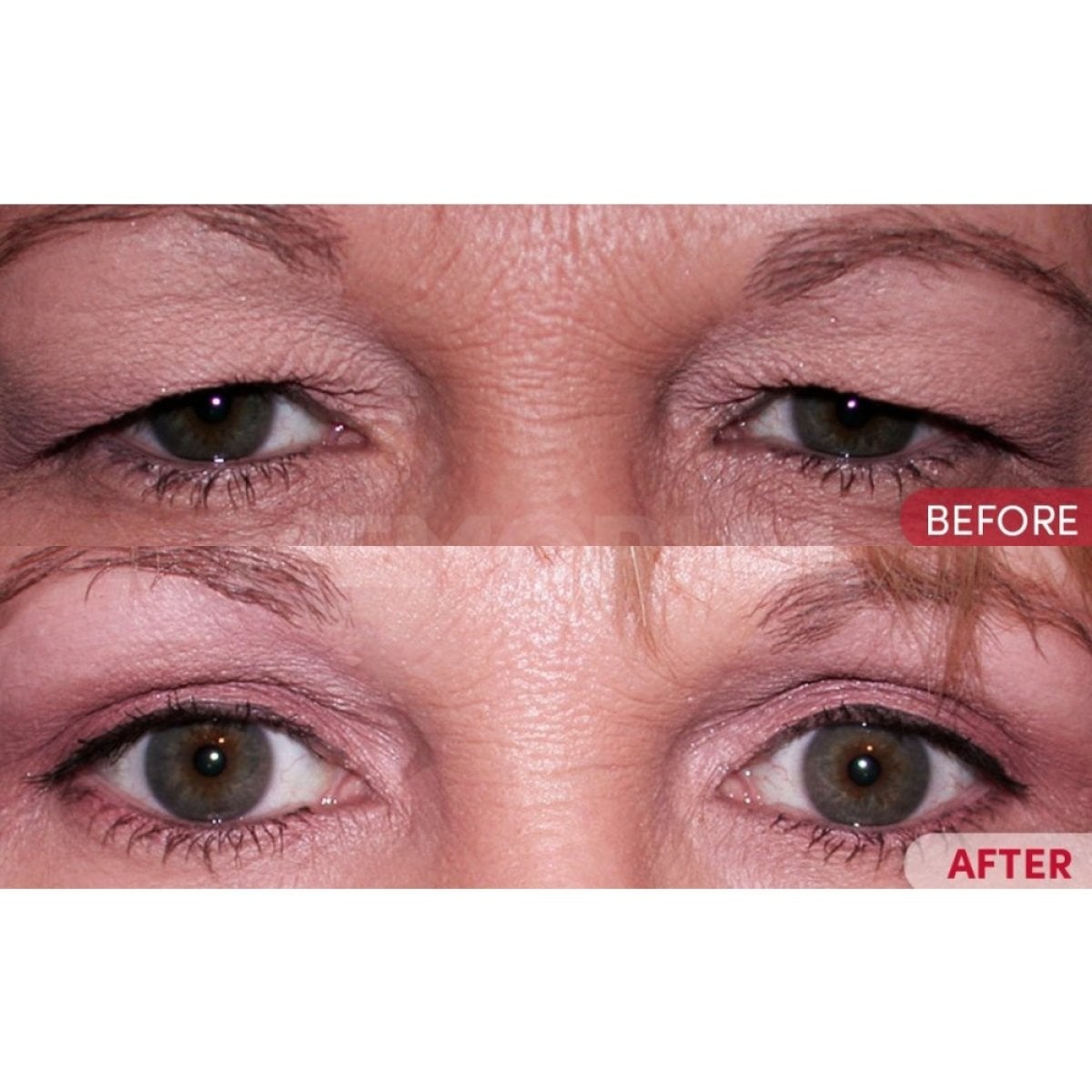
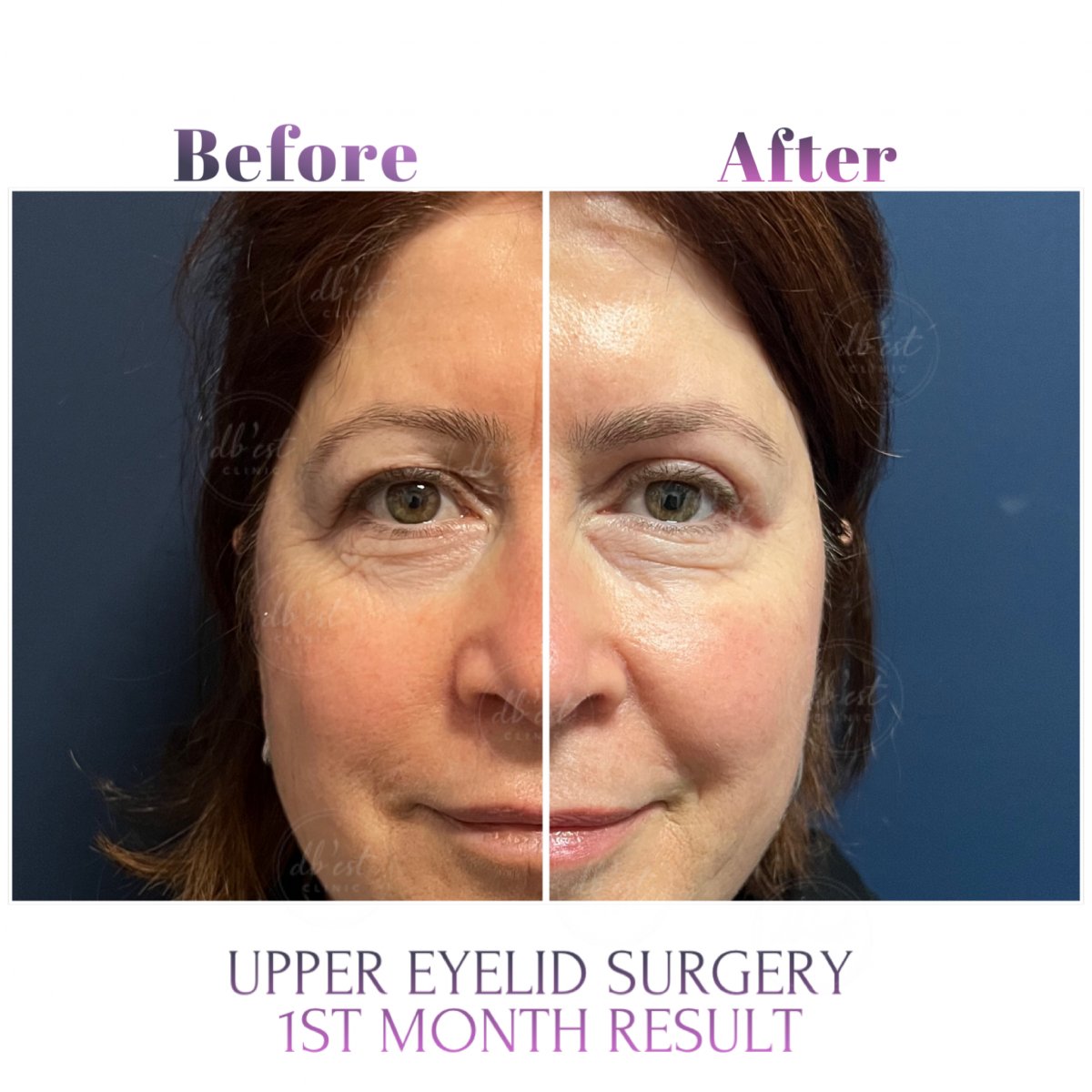
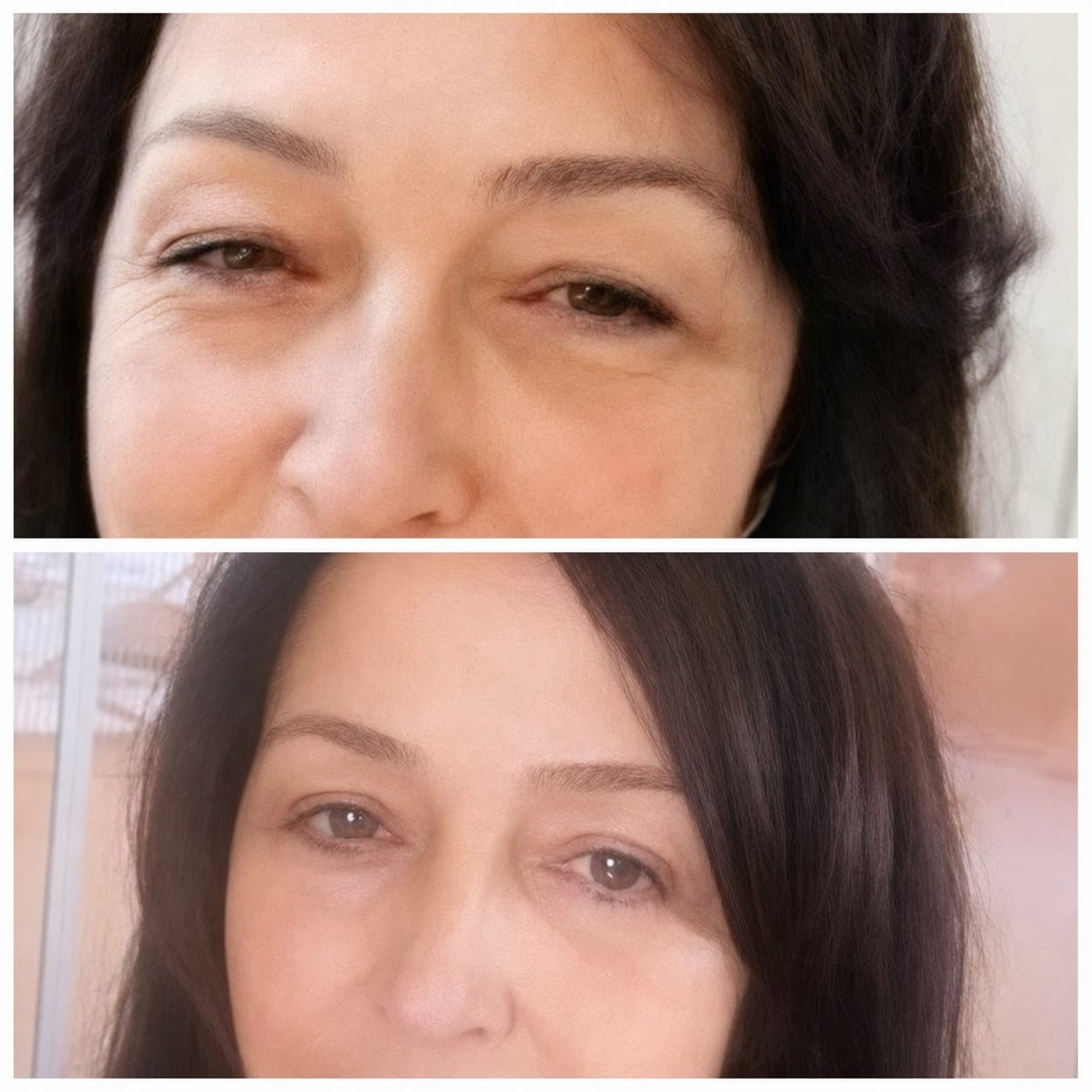
Eyelid surgery in Turkey removes excess skin and fat while tightening lax muscles. This delivers a refreshed appearance. Patients typically achieve more alert eyes, reduced puffiness, and improved peripheral vision. Surgeons often hide incisions within natural eyelid creases. This makes scarring virtually invisible once fully healed.
Visible rejuvenation: Removes drooping skin and bags for a more youthful, rested appearance.
Improved field of vision: Clears hooded skin that may block upper peripheral sight lines.
Brief hospital stay: Most procedures require 0 to 1 day in the theatre.
Swift initial healing: Bruising and swelling generally resolve within 1 to 2 weeks.
Long-lasting outcomes: Results are considered permanent, though natural ageing continues over decades.
Bookimed Expert Insight: Turkish specialists often prefer local anaesthesia with sedation for upper lids. This allows same-day discharge at clinics like Soraca Med. Dr Yunus Emre Seker frequently performs these as 0-day hospital stay procedures. This helps international patients return to their hotel comfortably only hours after surgery.
Patient Consensus: Many patients describe feeling more confident with their refreshed look after visiting Istanbul. They often mention that results look natural rather than over-tightened. Subtle changes make them look less tired without appearing like they had surgery. Most find the initial recovery smoother than they first expected.
How long should I stay in Turkey for blepharoplasty surgery?
Patients should plan to stay in Turkey for 7 to 10 days for blepharoplasty. This timeframe allows for surgery, initial recovery, and the critical suture removal. The removal is typically performed between days 7 and 14. Specialists like Dr. Ahmet Satici or Dr. Hasan Sahin handle this.
Hospitalisation: Most patients undergo surgery with same-day discharge or a 1-night stay max.
Suture removal: Surgeons usually remove stitches between 7 and 10 days after the operation.
Recovery peak: Swelling and bruising generally peak around day 4 before starting to subside.
Travel safety: Staying 7 days allows the anaesthetist to clear the patient for the flight home.
Bookimed Expert Insight: Lower-priced packages like those at Central Hospital Etiler start from $700. However, they often omit accommodation. Choosing mid-range packages around A$4,500 usually includes 5 to 6 hotel nights. This aligns perfectly with the clinical requirement for suture removal before flying home.
Patient Consensus: Patients can expect puffy eyes for the first 12 days in Turkey, though incision lines fade quickly. The process feels natural when they smile, provided they follow the 3-week exercise ban.
Where are the best clinics for blepharoplasty in Turkey?
Top-rated clinics for blepharoplasty in Turkey include Memorial Şişli Hospital, Istanbul Aesthetic Plastic Surgery Center, and Private Bagcilar Safak Hospital. These JCI-accredited facilities in Istanbul and Antalya specialise in upper, lower, and total eyelid correction. They use surgical or radiofrequency techniques with English-speaking specialists.
Specialist expertise: Dr Ergin Er has performed 10,000+ procedures and won multiple Turkish Society prizes.
Accreditation standards: Memorial Şişli Hospital was the first in Turkey to achieve JCI accreditation.
High-volume surgeons: Prof Ahmet Satici at Bagcilar Safak Hospital has performed over 20,000 successful surgeries.
International recognition: Db'est Clinic is co-founded by an EBOPRAS-certified surgeon and regularly serves Australians.
Bookimed Expert Insight: While many search for the lowest price, the best value often lies in clinics with on-site ophthalmology departments. At Private Bagcilar Safak Hospital, plastic surgeons work alongside ophthalmologists. This means eyelid function and eye health are prioritised during aesthetic adjustments.
Patient Consensus: Patients in Turkey appreciate how surgeons hide stitches within natural skin folds for a refreshed, scarless appearance. Many feel more comfortable choosing clinics that include 24/7 nurse support and daily remote recovery monitoring.

















 Anna Leonova