67 Best Scoliosis Treatment Clinics in Turkey — AUD Prices

Medically reviewed by
Kayhan Turan
How it works
What's the Cost of Scoliosis Diagnosis and Treatment in Turkey?
Scoliosis treatment cost in Turkey typically ranges from AUD $120 to AUD $390 for initial specialist assessments and AUD $23,800 to AUD $42,200 for spinal surgery. Total expenses depend on the degree of curvature, the choice between robotic or traditional surgery, and the length of hospital stay. Patients save around 50–70% compared to private healthcare costs in Australia, with Istanbul, Ankara, and Bursa serving as the primary medical hubs.
Typical Scoliosis Treatment Costs in Turkey
- Consultation with an orthopedist: AUD $120 – AUD $390
- Spine X-ray: AUD $60 – AUD $150
- Consultation with a neurosurgeon: AUD $120 – AUD $380
- Lab tests: AUD $75 – AUD $410
- Scoliosis surgery: AUD $23,800 – AUD $42,200
- Surgical treatment of scoliosis: AUD $13,600 – AUD $28,600
- ApiFix system implantation: AUD $45,200 – AUD $63,300
- Stem cell therapy for scoliosis: Price on request
- Conservative treatment of scoliosis: AUD $3,800 – AUD $9,000
- Coagulogram: from AUD $75
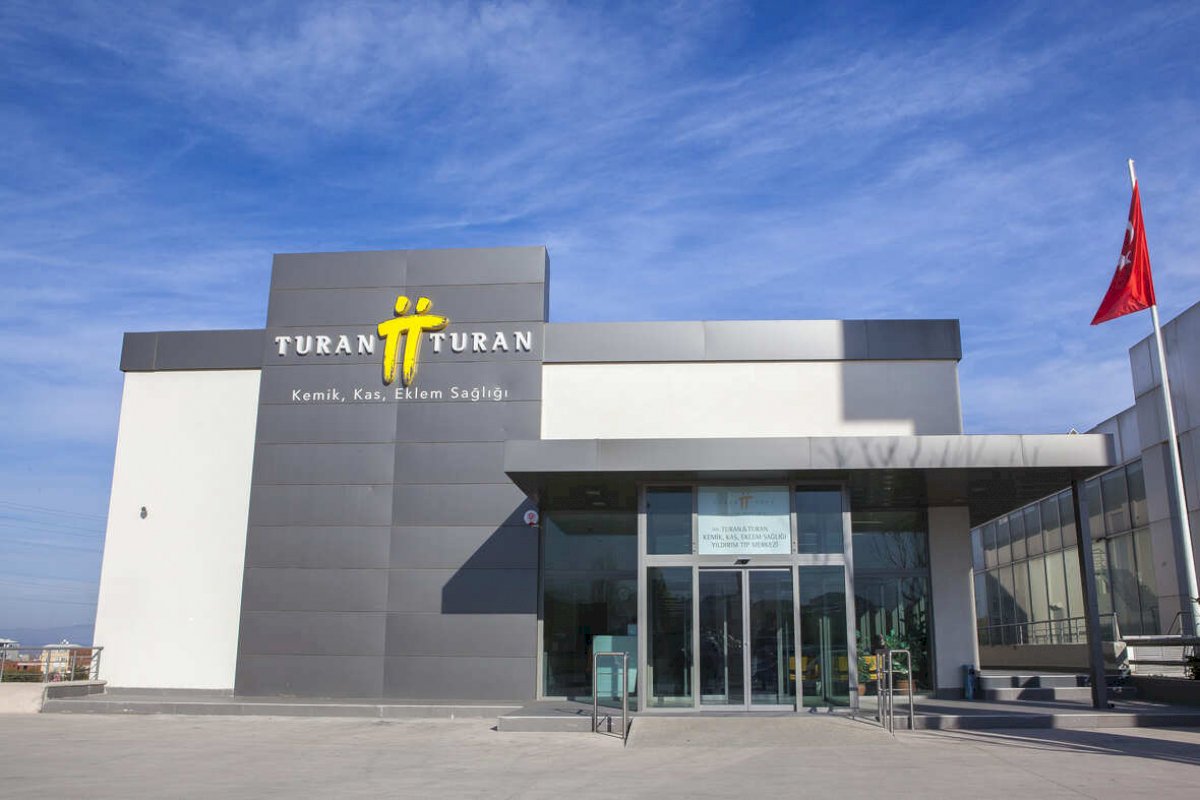
Bookimed Expert Insight: Patients needing precision for complex spinal corrections benefit from robotic-assisted systems. Turan Turan Health Group uses the Mazor X Stealth system for enhanced surgical accuracy. For international patients, Anadolu Medical Center offers value through its Johns Hopkins affiliation and personal coordinators. Smaller clinics like Quartz Hospital are popular with Australians seeking standard surgical care at competitive rates starting around A$40,500.
| Turkey | Thailand | |
|---|---|---|
| Surgical treatment of scoliosis | from AUD $13,600 | ≈ AUD $21,100 |
| Scoliosis surgery | from AUD $23,800 | ≈ AUD $33,100 |
| Open Midline Decompression with Ligament Reconstruction | from AUD $22,100 | ≈ AUD $14,300 |
| Conservative treatment of scoliosis | from AUD $3,800 | ≈ AUD $1,400 |
| ApiFix system implantation | from AUD $45,200 | ≈ AUD $18,100 |
Best Scoliosis Treatment Centres in Turkey for Australians: 67 Verified Options and AUD Prices

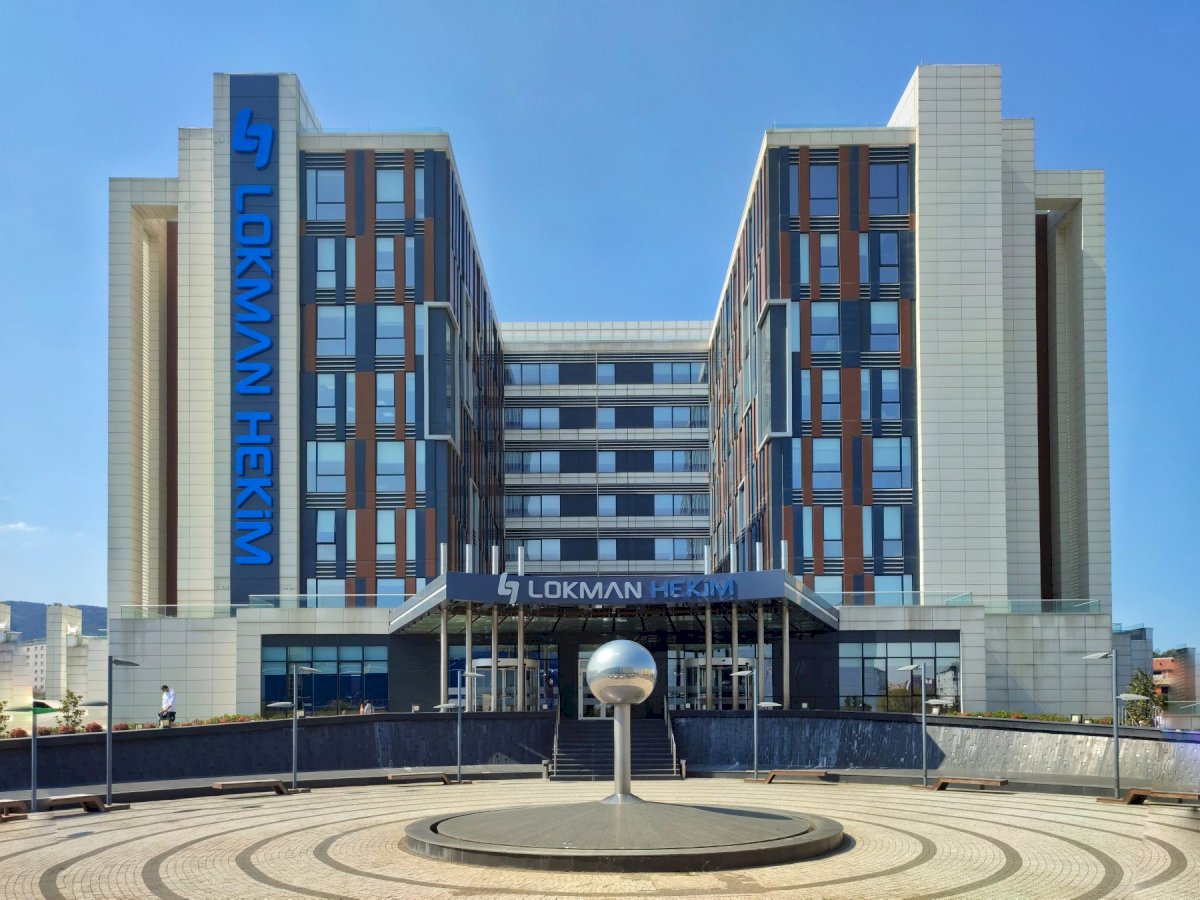


Hisar Hospital Intercontinental
Yusuf Bayram




Memorial Ataşehir Hospital
Zafer Orkun Toktas

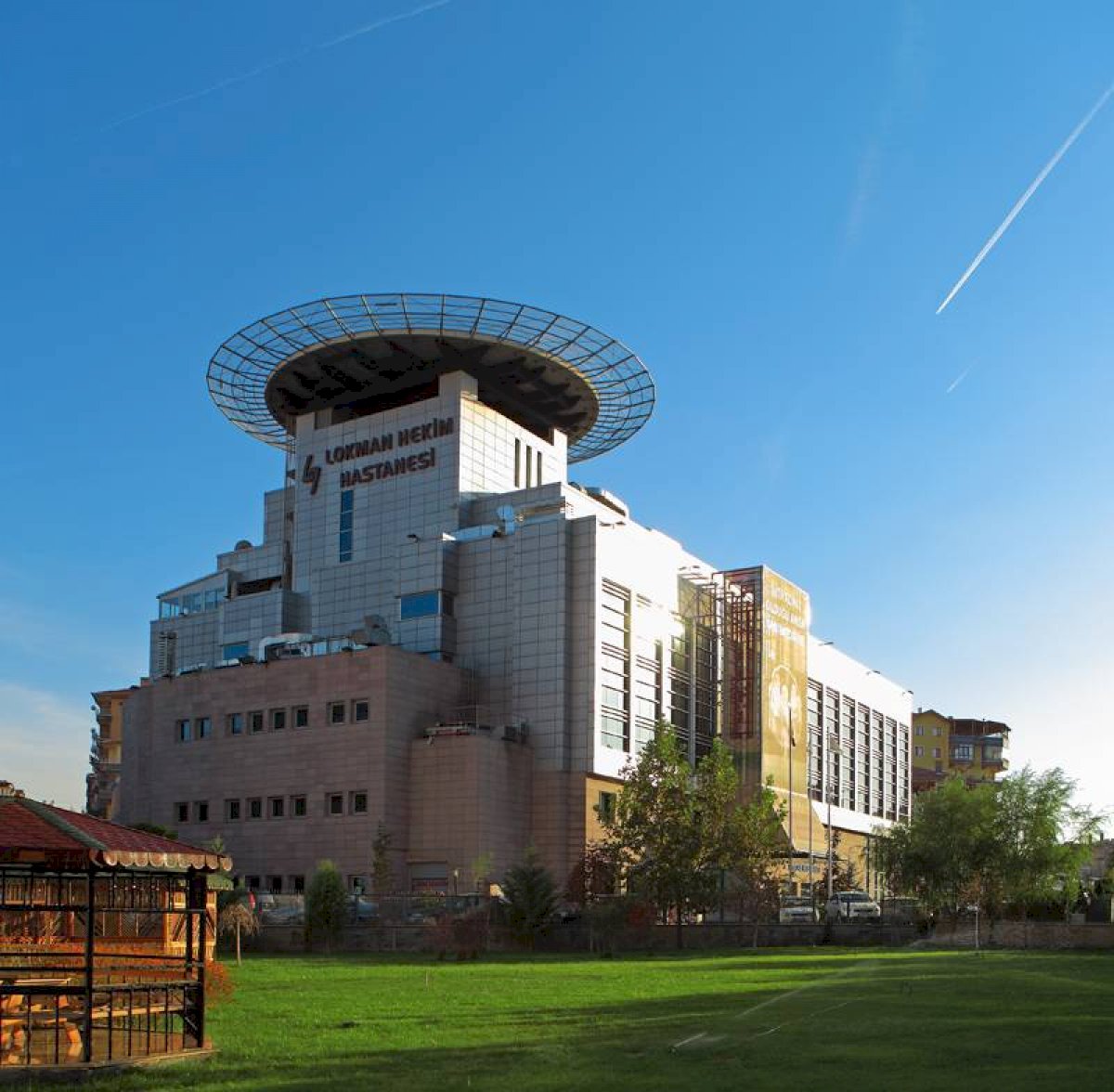
Lokman Hekim University Ankara Hospital
Cahit Kural



Quartz Hospital
Aysel Pasazade



Turan Turan Health Group
Yunus Uysal


Memorial Bahçelievler Hospital
Onur Yaman


Get a Medical Assessment for Scoliosis Treatment in Turkey: consult with 72 experienced doctors for Australian patients now
View all DoctorsYusuf Bayram
Over 1,000 spinal surgeries performed – Dr. Bayram specializes in scoliosis and spinal deformities at Hisar Hospital Intercontinental.
- 14 years of orthopedic surgery experience
- Expert in posterior correction, stabilization, and fusion techniques
- Trained at Umraniye Training and Research Hospital
- Performs both surgical and non-surgical treatments
Aysel Pasazade
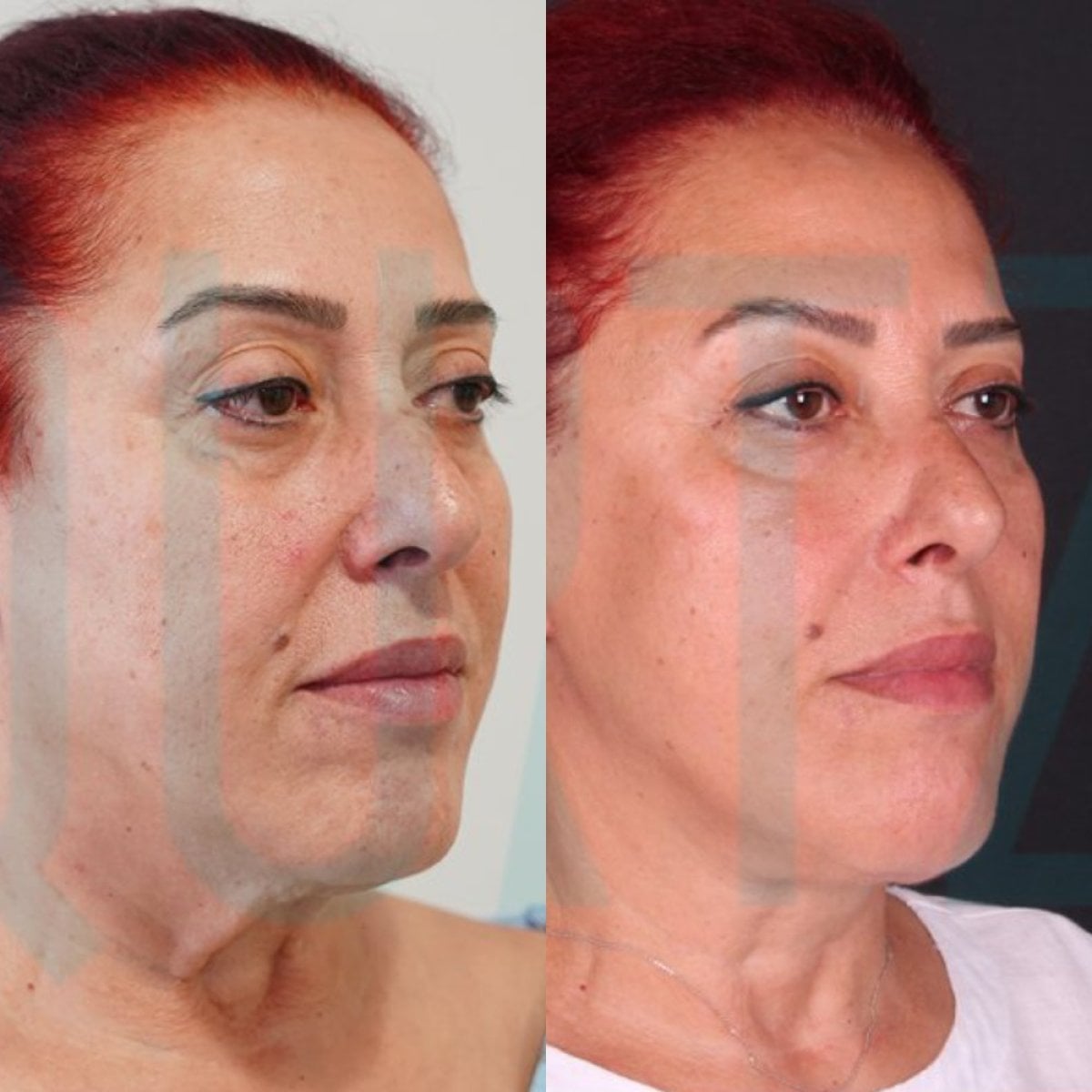
Dr. Aysel Pasazade is a plastic and reconstructive surgeon at Quartz Hospital in Istanbul. She holds the prestigious EBOPRAS certification. This credential confirms her competence meets high European standards. Dr. Pasazade specializes in complex body and facial transformations.
- Performs deep plane facelifts, rhinoplasty, and mommy makeovers.
- Graduated from Istanbul University Cerrahpaşa Faculty of Medicine.
- Completed residency training at Bursa Uludağ University.
- Treats over 6,500 international patients annually at Quartz Hospital.
Zafer Orkun Toktas
The doctor is an experienced neurosurgeon with over 15 years of clinical practice in Turkey. Throughout a distinguished career, the doctor has served in various high-profile medical institutions, including Memorial Ataşehir Hospital, VM Medical Park Pendik Hospital, and Bahçeşehir University Medical Park Göztepe Hospital.
Specializing in neurosurgical procedures, the doctor has extensive experience in managing complex neurological conditions and providing comprehensive patient care. Having served in both private hospital systems and state-run facilities, the doctor possesses a broad clinical background in surgical interventions and neurological health management.

Turkan Tunerir
Reviews about Bookimed: Discover Patients' Insights
All reviews
Share this content
Video Stories from Bookimed Patients
 Anna Leonova
Expert Overview about Scoliosis Treatment in Turkey
What are the potential risks and complications of scoliosis surgery in Turkey?
Scoliosis surgery in Turkey is generally safe. JCI-accredited centres report complication rates below 5%. Common risks include surgical site infections, blood loss, and implant issues. Neuromonitoring helps surgeons manage rare neurological risks. Most patients recover well within twelve to fifteen days.
- Infection management: Surgical site infection risks are around 1–2% in sterile hospital environments.
- Neuromonitoring use: Surgeons use real-time signals to track spinal cord safety during the procedure.
- Implant stability: Modern Stryker implants reduce the chance of rods shifting or breaking later.
- Blood loss: Specialists use techniques to manage significant blood loss during surgery.
Bookimed Expert Insight: Technical safety often depends on the hardware used. While many Turkish clinics offer competitive pricing, packages from Estexper Clinic include Stryker implants. Higher-tier packages at Hisar Hospital also bundle 2-stage or 3-stage neuromonitoring. This provides a high level of spinal cord protection throughout complex multi-level fusions.
Patient Consensus: Patients in Turkey describe professional teams and comfortable ward facilities that aid recovery. They note that having translators helps them understand every safety step and post-operative instruction clearly.
What is the typical recovery timeline after having scoliosis surgery in Turkey?
Recovery after scoliosis surgery in Turkey typically involves a 7-day hospital stay. This is followed by 2 weeks of local monitoring. Most patients return to light activities within 6 weeks. Full bone fusion and a return to normal life generally take 6 to 12 months.
- Hospital phase: Patients usually stay 7 nights for monitoring and assisted walking practice.
- Initial mobility: Most people begin walking with assistance within 1 to 3 days after surgery.
- Local recovery: Surgeons often require 15 days in Turkey before clearing patients for international flights.
- Functional milestones: Basic self-care becomes manageable within 6 weeks as surgical soreness subsides.
Bookimed Expert Insight: Turkish packages often include 15 nights of hotel accommodation. The first 14 days carry the highest fatigue levels. Clinics like Estexper Clinic bundle this stay so patients are stable before the flight to Australia. This period is vital for managing pain and checking the wound heals before travel.
Patient Consensus: Patients note the first fortnight is the most physically demanding due to intense tiredness. They highlight that recovery often feels non-linear, with good days following periods of stiffness.
What surgical techniques are used for scoliosis treatment in Turkey?
Turkish surgical centres use scoliosis techniques including posterior segmental instrumentation with Stryker pedicle screws and rods. High-volume specialists perform motion-preserving methods like ApiFix and multi-stage corrections. Most JCI-accredited hospitals integrate real-time neuromonitoring to protect spinal cord function during surgery.
- Posterior instrumentation: Surgeons use rods and Stryker pedicle screws to stabilise and straighten the spine.
- ApiFix system: This minimally invasive non-fusion implant provides dynamic correction for moderate curves.
- Neuromonitoring data: Specialists use intraoperative monitoring to track nerve signals. This helps prevent neurological injuries.
- Multi-stage approaches: Complex deformities may require 1-stage, 2-stage, or 3-stage surgical plans.
Bookimed Expert Insight: Turkish neurosurgeons and orthopaedists often specialise in high-complexity cases. Some doctors report over 2,700 neurosurgery procedures. Posterior fusion is standard. However, specialised clinics like Hisar Hospital Intercontinental offer staged surgeries. This allows surgeons to manage severe Cobb angles more safely than a single long operation.
Patient Consensus: Patients in Turkey highlight the professionalism of multidisciplinary teams. They also note the importance of confirming the surgical approach beforehand. Experience shows that translator support and coordinated nursing care help the recovery process.
Are there scoliosis specialists in Turkey for both children and adults?
Turkey hosts scoliosis specialists for children and adults at JCI-accredited centres. Experts like Prof. Cagatay Ozturk and Dr Emre Acaroglu specialise in complex spinal deformities. They use neuromonitoring and robotic systems to increase surgical safety and improve patient outcomes.
- Expertise: specialists like Prof. Cagatay Ozturk treat both paediatric and adult spinal deformities.
- Accreditation: centres such as Memorial Sisli and Hisar Hospital hold JCI-accredited surgical facilities.
- Technology: clinics use Stryker implants and specialised neuromonitoring for real-time nerve protection.
- Care scope: Lokman Hekim University hospitals provide dedicated units for both age groups.
Bookimed Expert Insight: Many surgeons perform spinal work. However, Turkish specialists like Dr Emre Acaroglu at Memorial Ankara have focused on scoliosis for 30 years. Data shows clinics like Hisar Hospital perform approximately 250,000 procedures annually. Patients should look for surgeons who belong to the Scoliosis Research Society for complex cases.
Patient Consensus: Patients feel confident with these professional teams. They often mention comfortable rooms and helpful translators in Istanbul. Turkish medical specialists provide attentive recovery support for children and adults.
What options are available for scoliosis treatment in Turkey besides surgery?
Turkey offers several non-surgical scoliosis treatments including the Schroth method, custom bracing, and physical therapy. Specialists also provide stem cell therapy and targeted rehabilitation to manage pain. These conservative approaches focus on slowing curve progression in children and improving spinal function in adults.
- Schroth therapy: 3D exercises improve posture and strengthen muscles supporting the spine at specialised clinics.
- Custom bracing: Orthopaedists use tailored corsets to prevent worsening curves in adolescents still growing.
- Stem cell therapy: Some clinics, such as Estophia Hospital, offer regenerative options for spinal conditions.
- Clinical rehabilitation: Specialists like Dr Mustafa Tekkesin provide percutaneous spinal procedures and specialised rehabilitation.
Bookimed Expert Insight: Many search for non-surgical fixes. Leading Istanbul centres like Memorial Şişli Hospital prioritise comprehensive diagnostics including 3D CT scans. Our data shows that top Turkish neurosurgeons often integrate conservative care with monitoring technologies. This helps ensure spinal stability before recommending any intervention.
Patient Consensus: Patients note that Turkish specialists inspire confidence through professionalism and clear communication. Many highlight that the medical equipment is excellent. They also suggest confirming what treatment plans include to help manage expectations.
When can a patient return to sports after scoliosis treatment in Turkey?
Patients typically resume light activities within 4 to 8 weeks after scoliosis surgery in Turkey. Most return to non-contact sports after 3 to 6 months. High-impact contact sports usually require waiting 6 to 12 months. This timing depends on the number of vertebrae fused and surgeon approval.
- Light activity: Patients start walking or stationary cycling approximately 4–8 weeks after the procedure.
- Baseline competition: Adolescent athletes often return to their competitive baseline level within 3–6 months.
- Contact sports: Rugby and football usually require restricted activity for 6–12 months for safety.
- Stable results: Modern pedicle screw methods provide high stability, which helps support a faster recovery.
- Personalised recovery: Surgeons like Prof. Cagatay Ozturk tailor timelines based on the specific vertebral segments fused.
Bookimed Expert Insight: Turkish centres often include extended 15-night hotel stays in scoliosis packages. Estexper Clinic is one example. This time lets patients finish their 4-week follow-up and start supervised light rehabilitation. It also reduces the risk of long-haul travel complications during early recovery.
Patient Consensus: Patients in Turkey report excellent results and appreciate the professional team approach. Having an attendant chair and inclusive meals makes the initial recovery period more comfortable for families.
How do doctors in Turkey diagnose scoliosis and plan treatment?
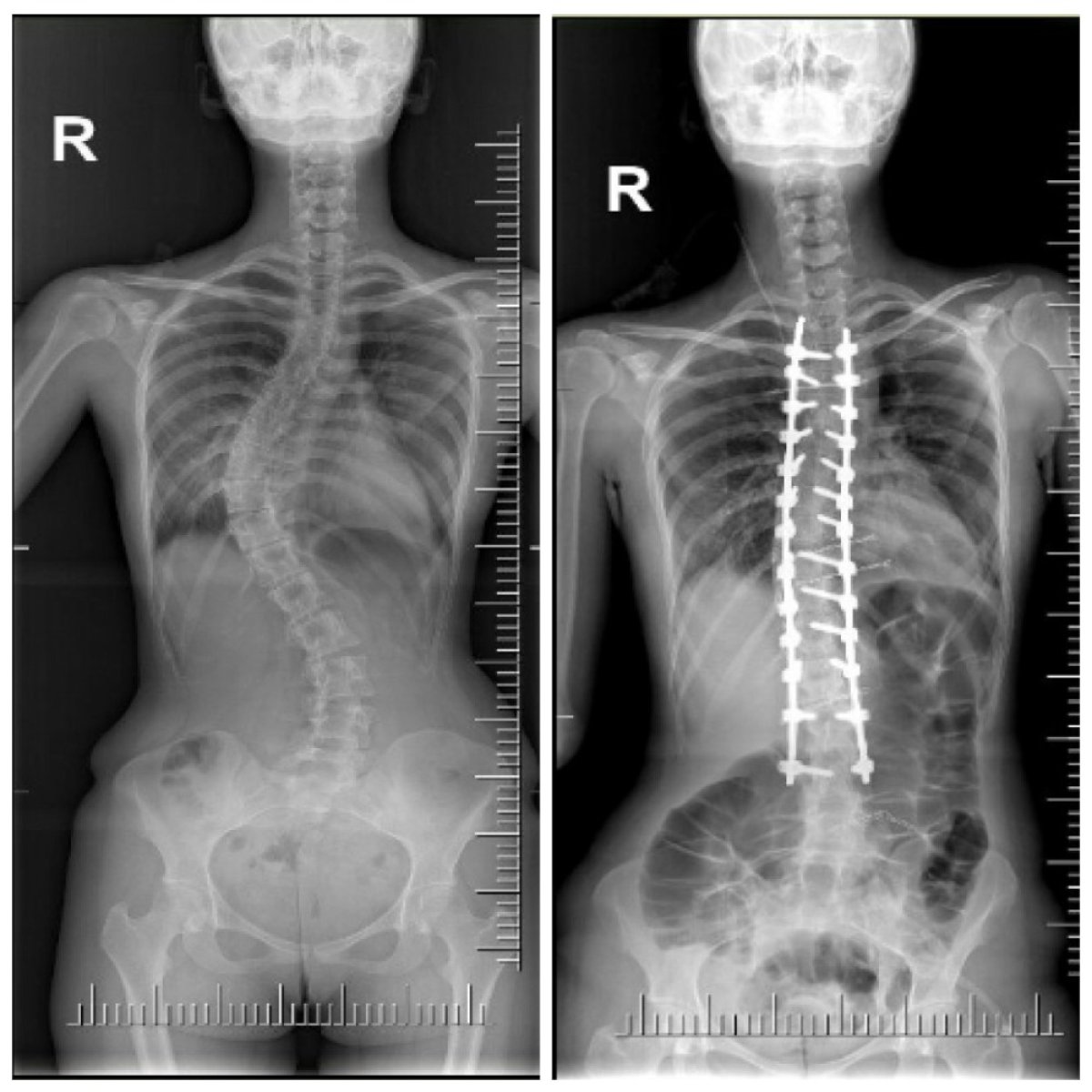
Doctors in Turkey diagnose scoliosis using 3D CT scans, MRI, and spinal X-rays. They use these to assess bone structure and nerve health. Specialists like Prof. Dr. Deniz Konya or Dr. Emre Acaroglu create plans. These involve bracing, posterior segmental instrumentation, or neuromonitored surgery to protect the spinal cord.
- Diagnostic tools: Specialists use 3D CT scans and MRI to map spinal curves and nerve pathways.
- Clinical expertise: Surgeons like Prof. Cagatay Ozturk belong to the international Scoliosis Research Society.
- Nerve monitoring: Hospitals use neuromonitoring during surgery to track nerve function for better patient outcomes.
- Surgical methods: Procedures include posterior segmental instrumentation using Stryker implants or the ApiFix system for stabilisation.
Bookimed Expert Insight: Turkish neurosurgeons often lead scoliosis cases rather than general orthopaedists. Clinics like Estexper Clinic and Hisar Hospital offer multi-stage surgeries with A$21,200 to A$36,200 packages. These include 7–15 nights of accommodation. This is vital for safe recovery before long-haul flights back to Australia.
Patient Consensus: Patients in Turkey note that surgical teams inspire confidence from the first consultation. They highlight the comfort of hospital rooms and the helpfulness of translators during recovery.