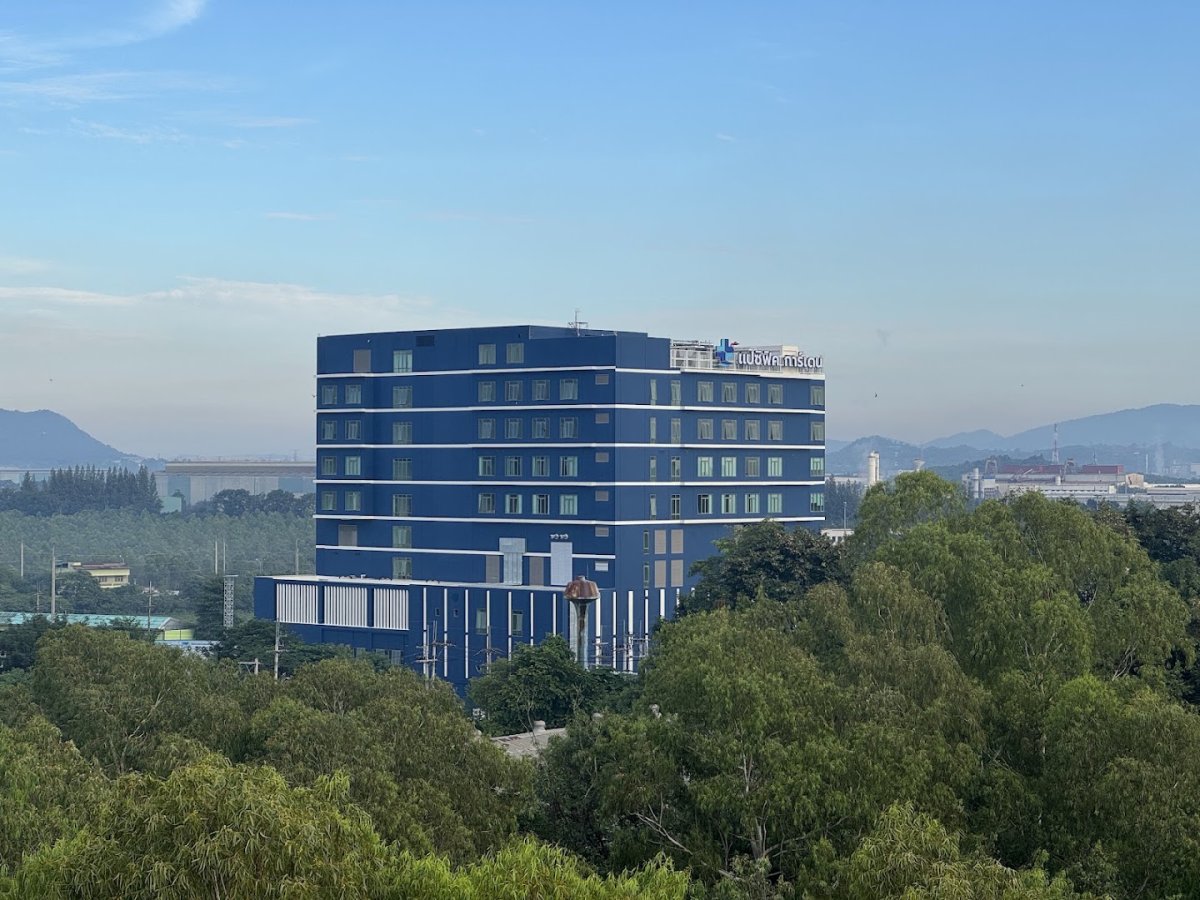
 Laparoscopic Hernia Repair Surgery (1 side)
Advertiser Disclosure
Last updated: 19/11/2026
6 Best Surgery Clinics in Thailand — AUD Prices

85 %
patient recommendation
7 K+
patients
Meet the experts behind this page
Medically reviewed by
Abdulcabbar Kartal
Authored by Anna Leonova
Head of Content Marketing Team
1M+ patient inquiries
32+ countries
3,341 partner clinics
13,692 certified doctors
How Much Does Surgery Cost in Thailand in AUD?
Surgery in Thailand typically costs from AUD $2,300 / ฿51,000 to AUD $6,300 / ฿142,800, depending on the complexity, hospital tier, and surgeon experience. Packages often include surgeon fees, anaesthetic, operating room use, hospital stays, and airport transfers.
- Laparoscopic inguinal hernia repair: AUD $4,100 / ฿91,800 to AUD $6,300 / ฿142,800 for minimally invasive repair.
- Сholecystectomy: AUD $4,800 / ฿108,800 to AUD $7,600 / ฿170,000 for gall bladder removal surgery.
- Hiatal hernia repair: AUD $5,300 / ฿119,000 to AUD $11,800 / ฿265,200 for upper stomach treatment.
- Appendectomy: AUD $3,800 / ฿85,000 to AUD $8,800 / ฿197,200 for surgical removal of the appendix.
- Hospital tier variations: Facilities in Bangkok with JCI accreditation typically charge 15–20% more than regional clinics.
Bookimed Expert Insight: High-volume centres like Wansiri Hospital and Asia Cosmetic Hospital offer specialised care with high success rates. For example, Wansiri Hospital reports a 99% success rate for complex procedures like deep plane facelifts. Bundled packages provide excellent value, such as urological treatments at Menness Wellness Clinic starting around A$1,300. This often makes private Thai healthcare more accessible than private Australian out-of-pocket expenses.
| Thailand | Turkey | |
|---|---|---|
| Surgery | from AUD $2,300 / ฿51,000 | from AUD $3,000 / ฿68,000 |
| Umbilical hernia repair | from AUD $14,200 / ฿319,600 | from AUD $3,300 / ฿74,800 |
| Stomach resection | ≈ AUD $14,300 / ฿323,000 | from AUD $4,100 / ฿91,800 |
| Rectal Prolapse Surgery | ≈ AUD $5,700 / ฿129,200 | from AUD $7,200 / ฿163,200 |
| Rectal Bleeding Surgery | ≈ AUD $2,300 / ฿51,000 | from AUD $3,600 / ฿81,600 |
Data verified by Bookimed as of November 2026, based on patient requests and official quotes from 661 clinics worldwide. Median costs are based on real invoices (2025–2026) and updated monthly. Actual prices may vary.
Your Benefits and Guarantees with Bookimed
Transparent Prices & Flexible Installments
No hidden fees – just official clinic prices. Pay at the clinic for Surgery upon arrival and use a flexible instalment plan if needed.
Verified Clinics & Doctors Only
Bookimed is committed to your safety. We only work with medical institutions that maintain high international standards in Surgery and have the necessary licenses to serve international patients worldwide.
Free 24/7 Assistance
Bookimed offers free expert assistance. A personal medical coordinator supports you before, during, and after your treatment, solving any issues. You're never alone on your Surgery journey.

Why we?
Your personal Bookimed medical coordinator
- Supports you at every stage
- Helps choose the right clinic and doctor
- Ensures quick and convenient access to information
Surgery Packages in Thailand — November 2026 (AUD Pricing for Australians)
Procedure type
Laparoscopic Hernia Repair Surgery (1 side)
 LAPAROSCOPIC INGUINAL HERNIA SURGERY
 Pearly Penile Papules Removal with Electrocautery — 2 Sessions Included

You’ve viewed 3 of 6 packages
Best Surgery Clinics in Thailand for Australians: 6 Verified Options and AUD Prices
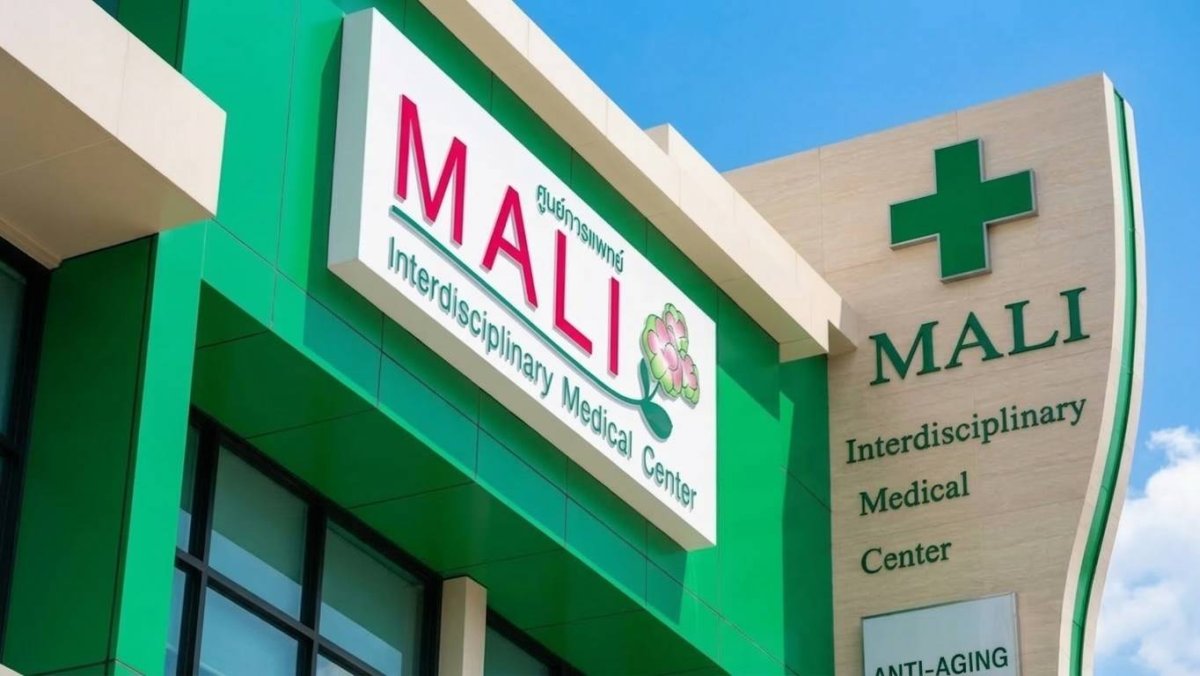
Mali Interdisciplinary Hospital
Thailand, Bangkok
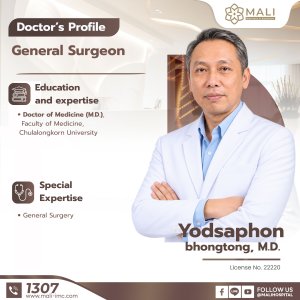
Yodsaphon Bhongtong
76 years of experience
Clinic is certified : 





Wansiri Hospital
Thailand, Bangkok
Saran Wannachamras
31 years of experience

accreditations : 
Clinic is certified : 
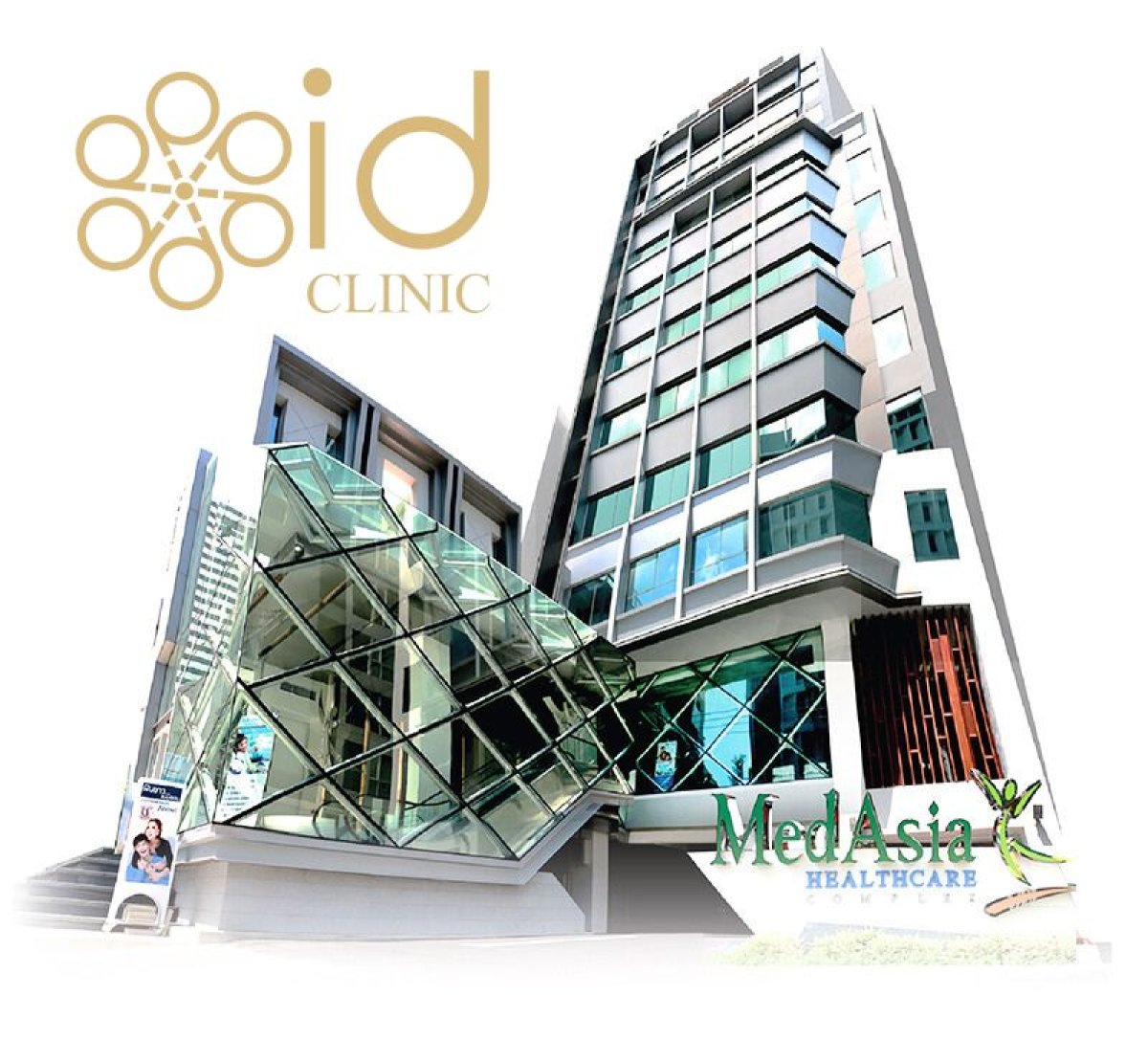
ID Clinic Bangkok
Thailand, Bangkok
Dr Siripong Luxanawong
29 years of experience

Clinic is certified :

Intrarat Hospital
Thailand, Bangkok
Dr Piya Assawaboonyadej
18 years of experience

Clinic is certified : 

Somchai Clinic
Thailand, Bangkok
You’ve viewed 8 of 37 clinics
Surgery Overview in Thailand
Takeaways
Related procedures & Costs
How it works
Benefits
Payment
patients recommend -
85%
Surgery Time - 3 hours
Stay in the country - 10 days
Rehabilitation - 14 days
Anaesthesia - General anaesthesia
Requests processed - 7852
Verified patient reviews - 6
Bookimed fees - $0
Types of Surgery
- Umbilical hernia repair - from AUD $14,198The operation fixes a bulge near the navel, reducing discomfort and preventing dangerous complications.
- Inguinal hernia surgery - from AUD $2,719The procedure treats a bulge in the groin area by pushing it back and strengthening the abdominal wall.
- Hiatal hernia repair - from AUD $5,286The procedure repairs abdominal tissue protrusions through the diaphragm, improving digestion and reducing discomfort.
- Cholecystectomy - from AUD $4,833The gallbladder removal to treat inflammation, or cancer with less scarring and quicker recovery.
- Surgery - from AUD $2,266The procedure involves correcting body defects or diseases through surgical interventions, performed typically under anesthesia.
- Appendectomy - from AUD $3,776The appendix is removed to prevent or treat inflammation, typically through a minimally invasive approach.
- Lipoma Removal - from AUD $559This operation eliminates benign fat tissue tumors, offering relief from discomfort and preventing potential growth complications.
- Endoscopic Retrograde Cholangiopancreatography (ERCP) - from AUD $3,625The procedure is a diagnostic tool helping visualize gallbladder, pancreas, and bile ducts, combining endoscopy and X-rays for effective diagnosis and treatment.
- Incisional hernia repair - from AUD $5,286The operation mends abdominal wall openings and strengthens them, preventing organ protrusion and alleviating pain.
How to find best solution with Bookimed?
Check available options for your case on the website.
Request a free consultation with documents assessment.
Download your medical records and describe your needs.
Receive customised free treatment plans with prices and details.
Compare them and finalise your choice.
Agree the date for your upcoming clinic visit.
Arrive and pay at the clinic. Bookimed fees are $0 for you.
From start to finish, the Bookimed coordinator keeps you safe and comfortable during your medical journey.
100% free, non-binding assessment of your medical records
Instant FREE personalised treatment plans to make the right choice
Expert guidance in choosing the perfect Surgery doctor and clinic.
Special packages and exclusive prices for our patients.
24/7 Bookimed guidance at no cost, guaranteed.
Hassle-free translation of your medical documents for clinics.
Bookimed's multilingual team ensures comfortable communication.
Bookimed ensures transparent and secure payments. Patients pay at the clinic with no additional fees.
Available Payment Methods:
How to Secure an Appointment:
1. Documents: Passport and ticket copies.
or
2. Deposit:
- Bookimed deposit: $200 or €200.
- Clinic deposit: Pay a set percentage in advance.
For more information, see our Payment Policy
Our Trusted Doctors for Australian Patients
View all Doctors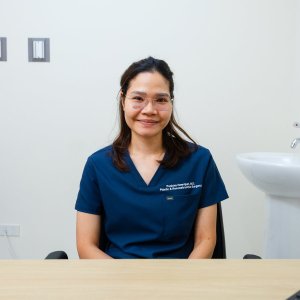
verified
Panicha Hemvipat
6 years of experience
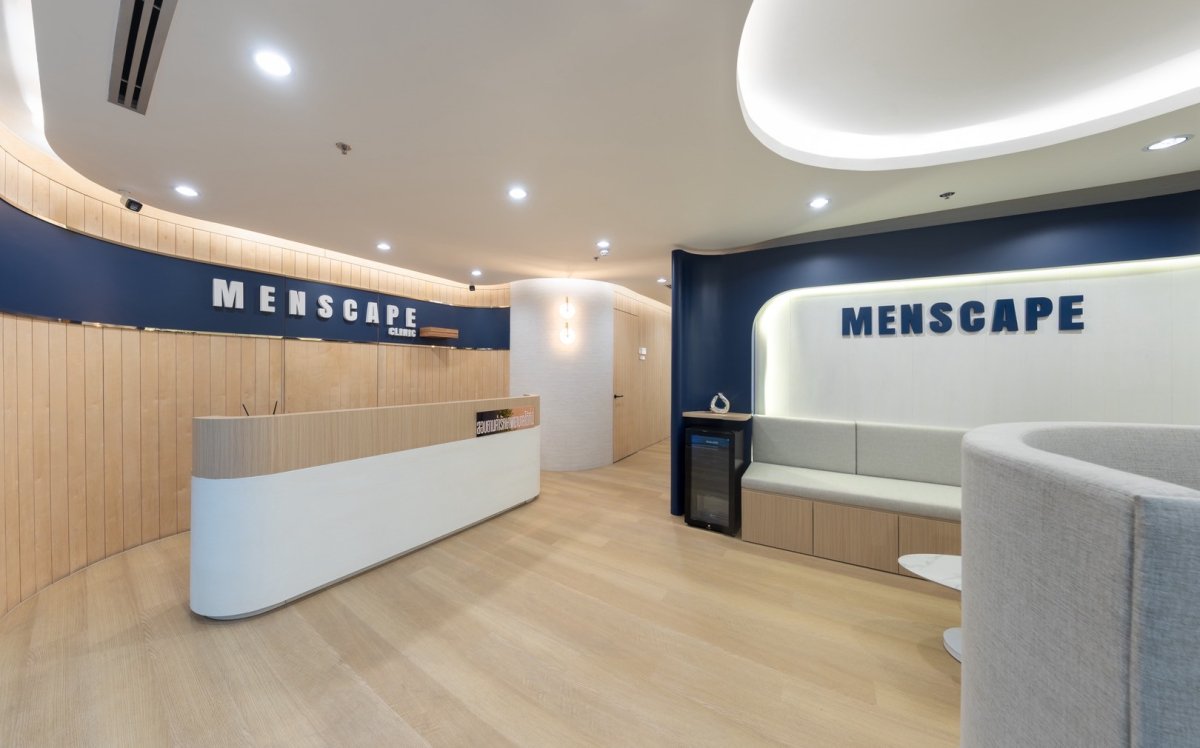
Dr. Panicha Hemvipat (“Pam”) is a board-certified plastic and reconstructive surgeon at Menscape Clinic in Bangkok with more than 6 years of clinical experience. Her work covers body contouring, male chest contouring (gynecomastia surgery), facial rejuvenation and reconstructive procedures. She trained in medicine and plastic surgery at Chulalongkorn University.

verified
Dr Pimchaya Panichkul
24 years of experience
Dr. Pimchaya Panichkul is a licensed physician since 2002. Her training includes dermatology, surgery, anti-aging medicine, and facial plastic procedures.
Credentials: Doctor of Medicine (Rangsit University). Diploma in Dermatology and Surgery (USA). Certificate in Anti-aging Medicine. Certificate in Facial Plastic Surgery (Korea). Professional membership: Panasia Cosmetic.
verified
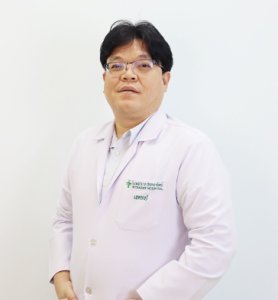
Doctor Puttapong Serttikul
19 years of experience
Dr. Puttapong Serttikul brings 19 years of surgical expertise, including specialized training in laparoscopic colorectal surgery and ERCP.
- Trained in gastrointestinal endoscopy at Lopburi Cancer Hospital
- Completed ERCP training at Rajavithi Hospital
- Member of NHSO Region 4 Audit Committee since 2015
- Performs laparoscopic colorectal procedures

verified
Thanadeth Vongjarukorn
25 years of experience
Dr. Vongjarukorn specializes in minimally invasive surgery, trained in Japan and Thailand. He brings advanced techniques to Intrarat Hospital.
- Clinical Fellowship in Minimally Invasive Surgery at Police General Hospital
- Trained in endoscopic and laparoscopic surgery at Fukuoka Red Cross Hospital, Japan
- Member of the Royal College of Surgeons of Thailand
- General Surgeon at Veterans General Hospital before joining Intrarat
Video Stories from Bookimed Patients
Valentina
Traveling from Spain to Istanbul for a liposuction was a life-changing experience.
Procedure: Liposuction
Randolph
Stay strong, stay informed, and never underestimate the power of cutting-edge treatments and a solid support system.
Procedure: Radioembolization for liver cancer
Reviews about Bookimed: Discover Patients' Insights
All reviewsAnonymous • Surgery
Thailand
17 Aug 2026
Everything perfect
The information was partly very good, and the clinic is perfect. However, what the price for this very good service is, should have been clearer from the beginning of the process – that was my biggest concern. Nevertheless, my doctor instilled confidence by personally conducting all examinations, showing me my eye scans, and explaining the appropriate laser technique for the surgery on my one eye. Everything perfect. So far, recovery is proceeding as expected. The clinic remains in contact and is easily reachable, which greatly supports the aftercare. I cannot advise anything for the preparation as everything necessary was available on site.
Sometimes very good information on what to do! Perfect clinic!
What is the price for this very good information must be clear to see from the beginning of the process.
Anonymous • Inguinal hernia surgery
United Kingdom
21 Aug 2026
From the very first contact to the complimentary transport after my treatment, the service was first class
If you are thinking about this surgery, my main piece of advice is to bring someone with you. The staff were all busy, and while having a private room was good, it could have become very lonely if I hadn’t brought my friend to stay. The hospital staff made her very welcome and the accommodation provided for her was comfortable. My surgeon was thorough. He clearly explained the mesh options for the laparoscopic repair and also personally checked on me after the procedure. I'm still in early recovery, but I'm feeling better than expected. It was also good that there were no additional expenses on top of the price I paid.
Причина, по которой я выбрал эту клинику, заключалась в оперативности, с которой они всё для меня организовали. Начиная с первого контакта с Дариной через WhatsApp и заканчивая бесплатным транспортом до моего места проживания после лечения, сервис был первоклассным.
Я взял с собой свою подругу, которая помогла с переводом. Она следила за тем, чтобы я был в курсе всего, что происходило. Хотя поддержка для перевода на английский язык была, она не была действительно проверена.
Anonymous • Vasectomy
Germany
9 Mar 2025
The doctor at the clinic did an amazing job
Bookimed was a perfect help to organize all my needs around my surgery. The doctor at the clinic did an amazing job. Overall, my expectations were more than just met.
A big thanks to everyone from bookimed and the clinic to make it such a smooth experience.
I really appreciated the full support from Bookimed and the perfectly professional doctor.
The experience in conjunction of bookimed and the clinic together was perfectly fine.
About Bookimed service
Everyone I was in contact with was super friendly and helpful. I was a bit confused at one point when to talk to the clinic and when to organize things through bookimed, but bookimed was always there to help me back on track.
Share this content
Updated: 19/11/2026
Authored by
 Anna Leonova
Head of Content Marketing Team
A certified medical writer with 10+ years of experience, developed Bookimed’s trusted content, backed by a Master’s in Philology and medical expert interviews worldwide.
Reviewed by Bookimed Medical Advisor

Abdulcabbar Kartal
Colorectal surgeon
Assoc. Prof. Dr. Abdulcabbar Kartal is a colorectal and general surgeon specializing in HIPEC and bariatric surgery. He is certified by the European Society of Coloproctology (FEBS-C) and has performed over 500 bariatric surgeries.
This page may feature information relating to various medical conditions, treatments, and healthcare services available in different countries. Please be advised that the content is provided for informational purposes only and should not be construed as medical advice or guidance. Please consult with your doctor or a qualified medical professional before starting or changing medical treatment.
FAQ about Surgery in Thailand
These FAQs come from real patients seeking medical assistance through Bookimed. Answers are given by experienced medical coordinators and trusted clinic representatives.
Are surgeons and medical facilities in Thailand qualified and experienced for surgery?
Surgeons and medical facilities in Thailand are highly qualified. Major hospitals hold Joint Commission International (JCI) and ISO certifications. Many specialists possess international fellowships from the USA or Japan. They work in centres performing over 1,000,000 procedures annually with 0% post-surgery complication rates.
- Global accreditations: Leading hospitals like Bumrungrad and Bangkok Hospital Pattaya hold JCI and GHA certifications.
- International training: Specialists like Dr Rattalerk Arunakul at KDMS held fellowships at Yale and Cedars-Sinai.
- Specialised technology: Facilities use robotic surgery, AI diagnostics, and Clean Room standards with automated filtration.
- Specialised expertise: Doctors such as Dr Thanadeth Vongjarukorn specialise in minimally invasive and laparoscopic techniques.
Bookimed Expert Insight: Thailand’s top-tier hospitals operate on a massive scale. This building immense surgical proficiency. Bumrungrad International Hospital serves 1,000,000 patients annually. Half of these are international visitors. This high volume means surgeons often handle more complex cases in a month than many regional specialists see in a year.
Patient Consensus: Thailand offers many experienced surgeons and high-volume private hospitals in major medical hubs. Quality varies between large internationally recognised facilities and smaller clinics. Hospital choice matters immensely. Patients suggest verifying the surgeon's specific credentials and training before booking any procedure.
What critical questions should I ask before booking surgery in Thailand?
Before booking surgery in Thailand, verify the surgeon's board certification with the Medical Council of Thailand. Confirm their specific experience and case volume for your procedure. Essential checks include JCI accreditation and ICU availability. Ask for written policies regarding revision surgery and return-to-fly timelines. You should also confirm procedures for complications before departing Bangkok.
- Surgeon credentials: Confirm your specialist is certified by the Medical Council of Thailand.
- Hospital standards: Prefer facilities with JCI or ISO certifications, such as Bumrungrad International.
- Revision policy: Get written confirmation on costs if a revision or correction is needed.
- Fly-home timeline: Ask for the exact number of days required before safe air travel.
Bookimed Expert Insight: While many search for the lowest price, the real value is in multispecialty hospitals. Facilities like Bumrungrad or Sikarin Hospital serve over 250,000 patients annually. They have on-site ICUs and emergency teams. This provides a safety net that smaller day clinics cannot offer for complex surgeries.
Patient Consensus: Patients in Thailand suggest confirming your operating surgeon performs the entire procedure themselves. They recommend getting an itemised list of included garments and medications to avoid last-minute shopping.
When is it safe to fly home to Australia after having surgery in Thailand?
Safe flying times from Thailand to Australia vary by procedure. They generally range from 7 to 28 days. Minor surgeries usually allow travel after 7–14 days. Complex body lifts often require 3–4 weeks to manage deep vein thrombosis (DVT) risks.
- Minor procedures: Most patients require 7–14 days before flying home to Australia.
- Major surgeries: Waiting 21–28 days is standard for extensive incisions or combination procedures.
- Medical clearance: Surgeons at JCI-accredited clinics like Bumrungrad International provide written fit-to-fly certificates.
- DVT prevention: Hydrate, wear compression garments, and walk hourly during the 9-hour flight.
Bookimed Expert Insight: Major Bangkok centres perform 2,000+ to 1,000,000+ procedures annually. These clinics have significant data on long-haul travel safety. Clinics like Dr. Chen Surgery Hospital include hyperbaric oxygen therapy to reduce swelling faster.
Patient Consensus: Patients suggest staying extra days near the hospital for drains or mobility limits. They recommend booking luggage assistance and arranging a follow-up appointment with an Australian GP.
What procedures are commonly performed by medical tourists in Thailand?
Medical tourists in Thailand frequently undergo cosmetic surgery, dental work, and orthopaedic procedures. These treatments are popular due to JCI-accredited facilities and Western-trained specialists. Common surgeries include breast augmentation, rhinoplasty, joint replacements, and bariatric procedures in Bangkok and Pattaya.
- Cosmetic surgery: Specialists perform rhinoplasty, facelifts, liposuction, and breast augmentation with high success rates.
- Dental care: Patients seek dental implants, veneers, and full-mouth reconstructions at specialised aesthetic clinics.
- Orthopaedic surgery: Major centres provide minimally invasive spine surgery and joint replacements for international patients.
- Bariatric surgery: Private hospitals offer gastric sleeve and bypass procedures for weight loss management.
Bookimed Expert Insight: Thailand leads in high-volume care. Bumrungrad International Hospital alone serves 1 million patients annually. Our data shows clinics like ID Clinic Bangkok report success rates of 95–96% for aesthetic work. Patients often choose these centres for bundled surgical fees and VIP services.
Patient Consensus: Visitors frequently highlight the convenience of bundled services. These include airport transfers and hotel-style hospital wards. Experienced coordinators make booking straightforward for cosmetic and dental work. This helps provide a smooth experience from arrival through to recovery.
Is it safe to participate in holiday activities before or after surgery in Thailand?
Participating in holiday activities in Thailand is safe if surgery is scheduled at the start of the trip. Patients must prioritise rest for at least 3–7 days post-surgery. Specialists at JCI-accredited hospitals like Bumrungrad International Hospital manage recovery in VIP units.
- Early scheduling: Book surgery first. This allows 10–14 days for recovery before flying home.
- Heat management: Avoid direct sun. Thailand’s humidity can increase postoperative swelling and discomfort.
- Water safety: Skip swimming and saunas. This prevents wound infection from tropical bacteria.
- Light activity: Limit movement to gentle walks in air-conditioned malls after the initial rest.
Bookimed Expert Insight: Coordination data shows that choosing clinics like Dr. Chen Surgery Hospital reduces physical exertion. They provide free airport transfers and 24-hour nursing care. These logistics are vital for patients who often underestimate fatigue from anaesthesia.
Patient Consensus: Visitors recommend treating the first week as medical recovery rather than a holiday. Many suggest booking accommodation near the clinic. This avoids long commutes while managing postoperative grogginess and mobility limits.