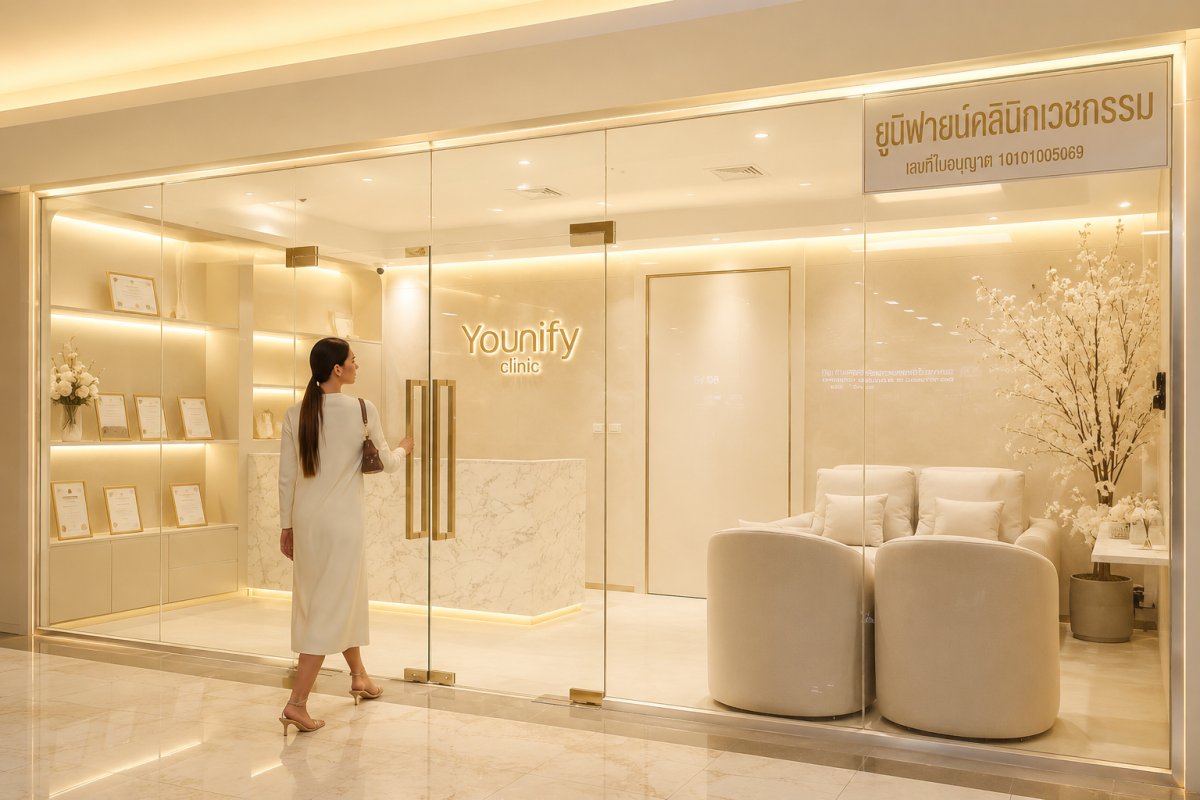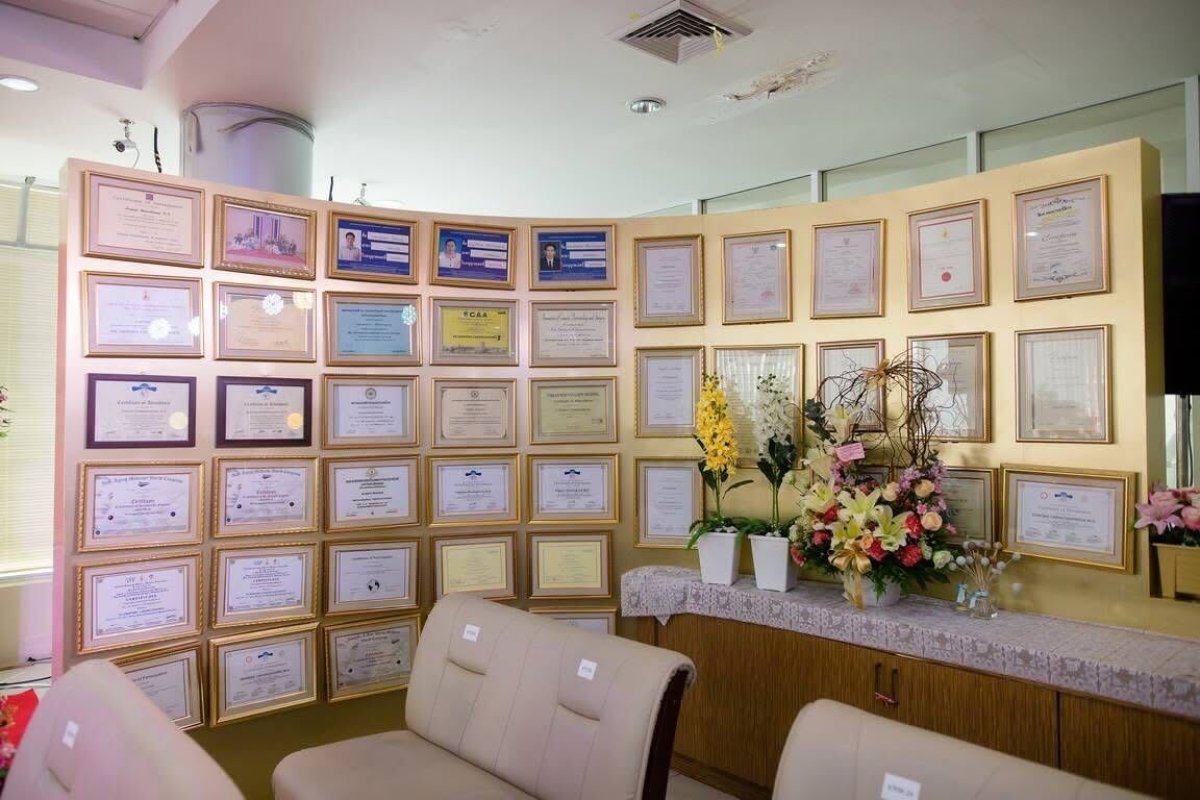
Somchai Clinic
Thailand, Bangkok

Medically reviewed by
Abdulcabbar Kartal
Dr. Puttapong Serttikul specializes in incisional hernia repair with advanced laparoscopic training, currently practicing at Inthrarat Hospital.

Dr. Livia Kapusta is a pediatric cardiologist at Sourasky Medical Center in Tel Aviv. She specializes in managing congenital cardiac conditions in children and infants. Dr. Kapusta earned medical qualifications from Tel Aviv University and Radboud University Nijmegen. She works at Israel's largest multidisciplinary hospital, ranked among the world's best by Newsweek.
 Anna Leonova

Incisional hernia recurrence in Thailand generally ranges between 5-10% for complex cases. Laparoscopic techniques and reinforcing mesh significantly lower these risks. Recurrence typically depends on patient health and abdominal pressure. The complexity of the original surgical site also plays a role.
Bookimed Expert Insight: Surgeons in Thailand, such as Dr Puttapong Serttikul at Intrarat Hospital, often complete training in laparoscopic colorectal surgery. This training is vital for incisional hernias. It focuses on complex abdominal wall management. Patients should confirm if their surgeon uses this laparoscopic approach so the mesh is positioned securely.
Patient Consensus: Success in Thailand depends on preparing before travel by losing weight and quitting smoking. Patients find that following strict lifting limits after returning home helps the mesh heal properly.
Hospitals in Thailand perform incisional hernia repair using laparoscopic, robotic-assisted, and traditional open techniques. Surgeons often use synthetic mesh to reinforce the abdominal wall. This significantly reduces the chance of recurrence. Minimally invasive methods are preferred for faster recovery and smaller scars.
Bookimed Expert Insight: Many general surgeons perform basic repairs. Patients with recurrent hernias should look for specialists with specialised laparoscopic training. For example, Dr Puttapong Serttikul at Intrarat Hospital has specific training in laparoscopic colorectal surgery. This training is vital when navigating complex scar tissue from previous operations.
Patient Consensus: Patients in Thailand recommend confirming the specific mesh placement method and fixation type. Ask about sutures or tacks during the initial consultation. Many travellers suggest arranging pre-operative CT scans. This helps the surgeon plan the most effective approach for large hernias.
When choosing a surgeon for incisional hernia repair in Thailand, prioritise specialists trained in laparoscopic colorectal surgery or abdominal wall reconstruction. Look for board-certified specialists at established Bangkok hospitals. These facilities should maintain international safety standards and a proven record in managing complex, recurring abdominal hernias.
Bookimed Expert Insight: Many general surgeons offer hernia checks. However, the best outcomes in Thailand often come from specialists like Dr Puttapong Serttikul. He has specific training in laparoscopic colorectal surgery and gastrointestinal endoscopy. This specialised background is vital because incisional hernias often involve complex abdominal adhesions from previous surgeries.
Patient Consensus: Patients in Thailand recommend choosing a major hospital over a small clinic. This helps ensure access to imaging and emergency care. They suggest asking specifically about mesh types. Patients should also get a clear plan for wound checks before flying home.
Incisional hernia repair in Thailand typically requires 4 to 6 weeks for a full recovery. Patients usually spend 1 to 2 days in a Bangkok hospital before being discharged. Total recovery time depends on whether a surgeon uses open or laparoscopic (keyhole) techniques.
Bookimed Expert Insight: Thai specialists like Dr Puttapong Serttikul at Intrarat Hospital often recommend laparoscopic colorectal training techniques. Keyhole surgery typically allows Australians to fly home sooner than traditional open surgery. This approach reduces the stiffness often felt with mesh repairs.
Patient Consensus: The first two weeks in Thailand are often the most limiting. Patients suggest booking help for basic tasks like getting out of bed. Walking helps recovery. However, handling heavy luggage too soon causes significant discomfort.
Plan for a stay between 7 and 21 days in Thailand for an incisional hernia repair. This timeframe allows surgeons to monitor potential complications. It also helps confirm the wound is stable for long-haul flights. Specialists like Dr Puttapong Serttikul at Intrarat Hospital use laparoscopic techniques to help speed up recovery.
Bookimed Expert Insight: Thailand’s high-volume centres like B.Care Medical Center serve 22,000+ patients annually. These hospitals often provide streamlined pre-operative screenings. This allows Australian patients to finish all scans and surgery within 48 hours. This efficiency adds 2 extra days to the post-operative healing window before flying.
Patient Consensus: Visitors to Thailand recommend adding extra buffer days. This helps you walk comfortably before boarding. Patients suggest checking if you need drain removal or specific dressing changes before your flight home.