19 Best Heart Surgery Clinics in Thailand — AUD Prices

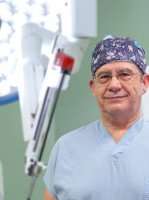
Medically reviewed by
Hasim Ustunsoy
How Much Do Heart Surgery Procedures Cost in Thailand in AUD?
Heart surgery in Thailand typically costs from AUD $23,000 / ฿527,000 up to AUD $51,400 / ฿1,176,400. Total expenses depend on the hospital tier, chosen surgical technique, and the length of intensive care required. Australians can expect 60% to 80% savings compared to private healthcare costs back home.
Typical Heart Surgery Costs in Thailand
- Consultation with a heart surgeon: AUD $67 / ฿1,500 – AUD $270 / ฿6,100
- Coronary angiography: AUD $1,500 / ฿34,000 – AUD $5,300 / ฿122,400
- Coronary artery bypass grafting: AUD $28,900 / ฿663,000 – AUD $44,500 / ฿1,020,000
- Open heart surgery: AUD $19,300 / ฿442,000 – AUD $32,700 / ฿748,000
- Heart valve replacement: AUD $37,100 / ฿850,000 – AUD $62,300 / ฿1,428,000
- Transcatheter aortic valve implantation (TAVI): AUD $46,000 / ฿1,054,000 – AUD $62,300 / ฿1,428,000
- Coronary stenting: AUD $10,400 / ฿238,000 – AUD $22,300 / ฿510,000
- Installing heart pacemaker: AUD $12,500 / ฿285,600 – AUD $28,900 / ฿663,000
- Radiofrequency ablation: AUD $2,700 / ฿61,200 – AUD $14,100 / ฿323,000
- Aortic aneurysm surgery: AUD $35,600 / ฿816,000 – AUD $59,400 / ฿1,360,000
Main cardiac hubs include Bangkok, Pattaya, and Chiang Mai. Hospitals in Bangkok often charge 15-20% more than regional facilities. Many Australians choose Thailand to avoid long public waiting lists. Request a consultation with a specialist to get accurate pricing for your specific case.
| Thailand | Turkey | |
|---|---|---|
| Transluminal Arterial Angioplasty (PTA) and Stenting | ≈ AUD $9,600 / ฿221,000 | from AUD $3,700 / ฿85,000 |
| Transcatheter aortic valve implantation (TAVI) | ≈ AUD $46,000 / ฿1,054,000 | from AUD $20,800 / ฿476,000 |
| Replacement of the aortic valve | from AUD $37,100 / ฿850,000 | from AUD $17,800 / ฿408,000 |
| Radiofrequency ablation with 3D mapping | from AUD $9,600 / ฿221,000 | from AUD $12,000 / ฿275,400 |
| Radiofrequency ablation | from AUD $2,700 / ฿61,200 | from AUD $7,400 / ฿170,000 |
All Heart Surgery conditions
Your Benefits and Guarantees with Bookimed
Transparent Prices & Flexible Installments
No hidden fees – just official clinic prices. Pay at the clinic for Heart Surgery treatment upon arrival and use a flexible instalment plan if needed.
Verified Clinics & Doctors Only
Bookimed is committed to your safety. We only work with medical institutions that maintain high international standards in Heart Surgery treatment and have the necessary licenses to serve international patients worldwide.
Free 24/7 Assistance
Bookimed offers free expert assistance. A personal medical coordinator supports you before, during, and after your treatment, solving any issues. You're never alone on your Heart Surgery treatment journey.

Your personal Bookimed medical coordinator
- Supports you at every stage
- Helps choose the right clinic and doctor
- Ensures quick and convenient access to information
Best Heart Surgery Clinics in Thailand for Australians: 19 Verified Options and AUD Prices












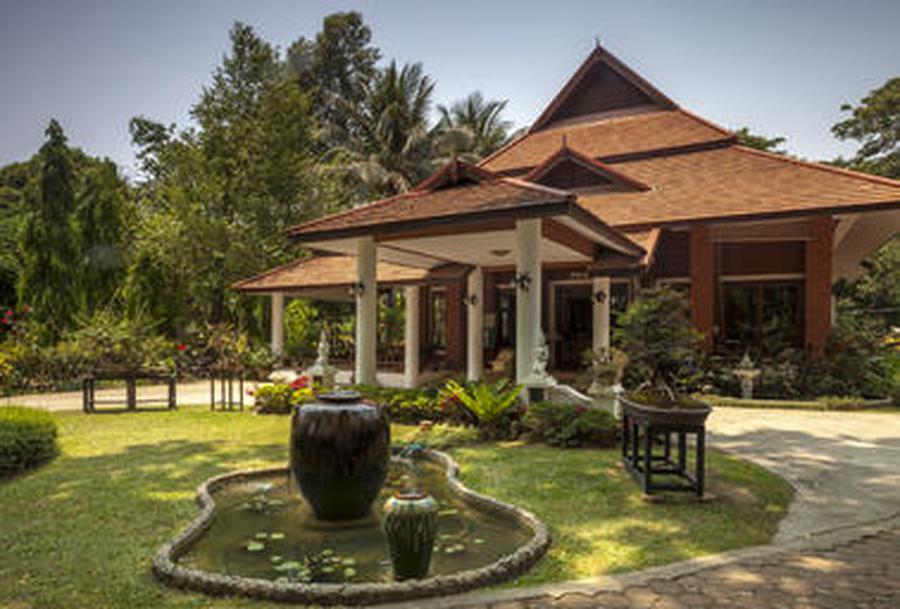
Mantak Chia | Universal Healing Tao | Tao Garden (Tao Garden Health Spa & Resort)

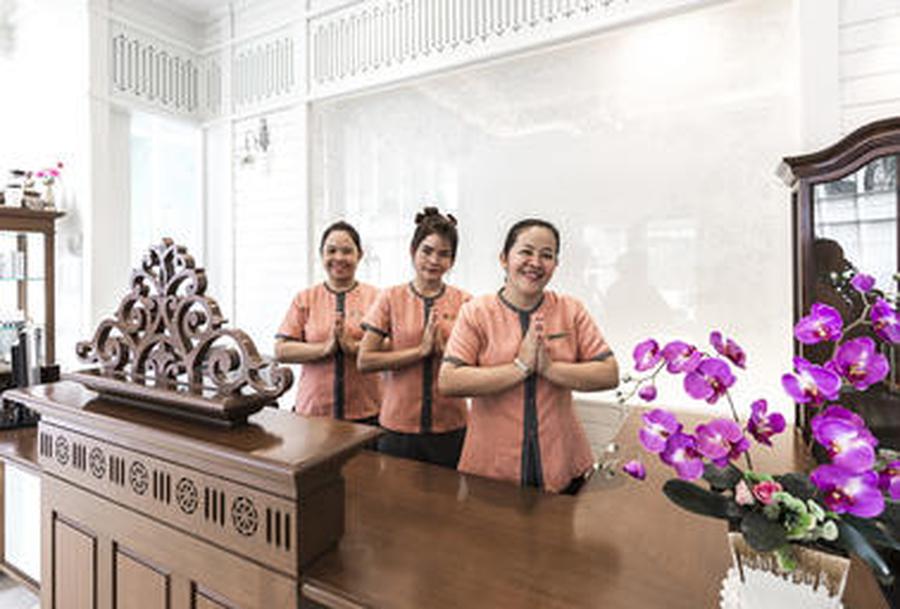


Eartone
Top Heart Surgery centres in Thailand for Australians
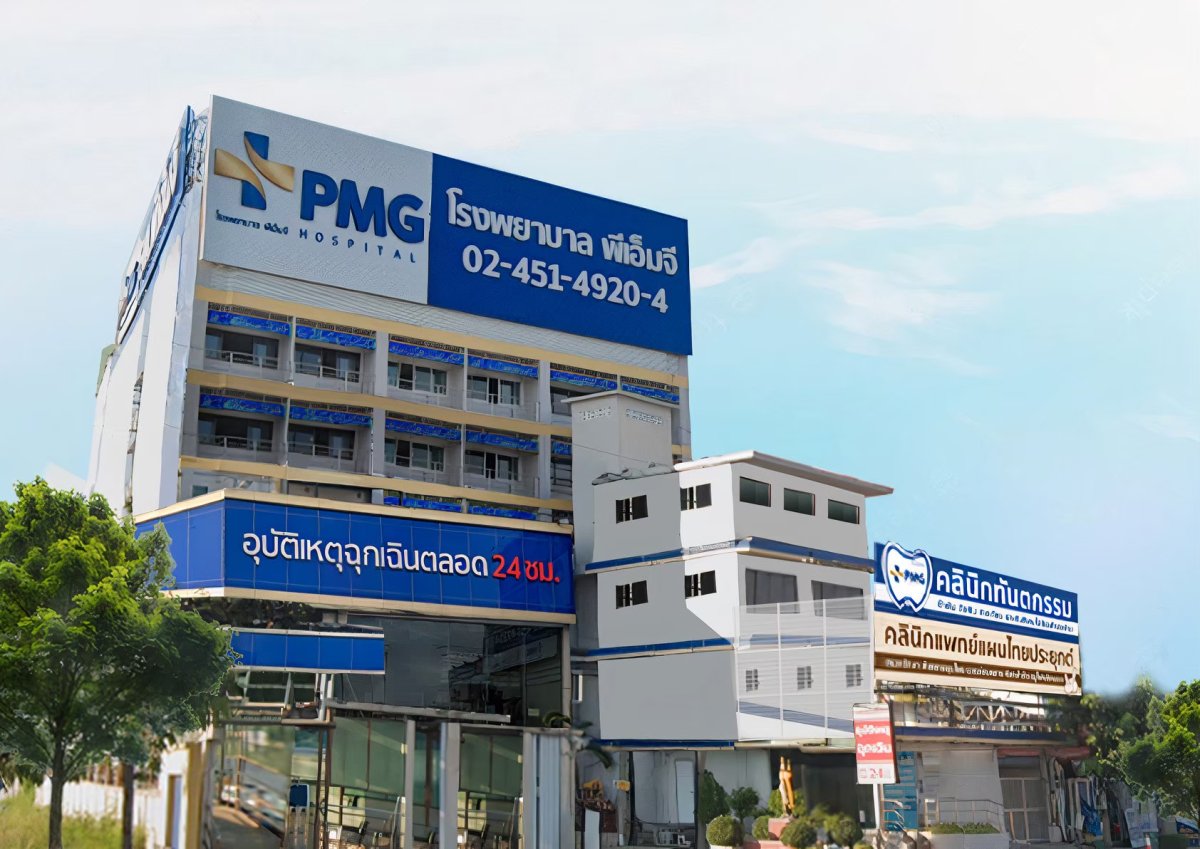
- PMG Hospital, Thailand
- Intrarat Hospital, Thailand
- Bumrungrad International Hospital, Thailand
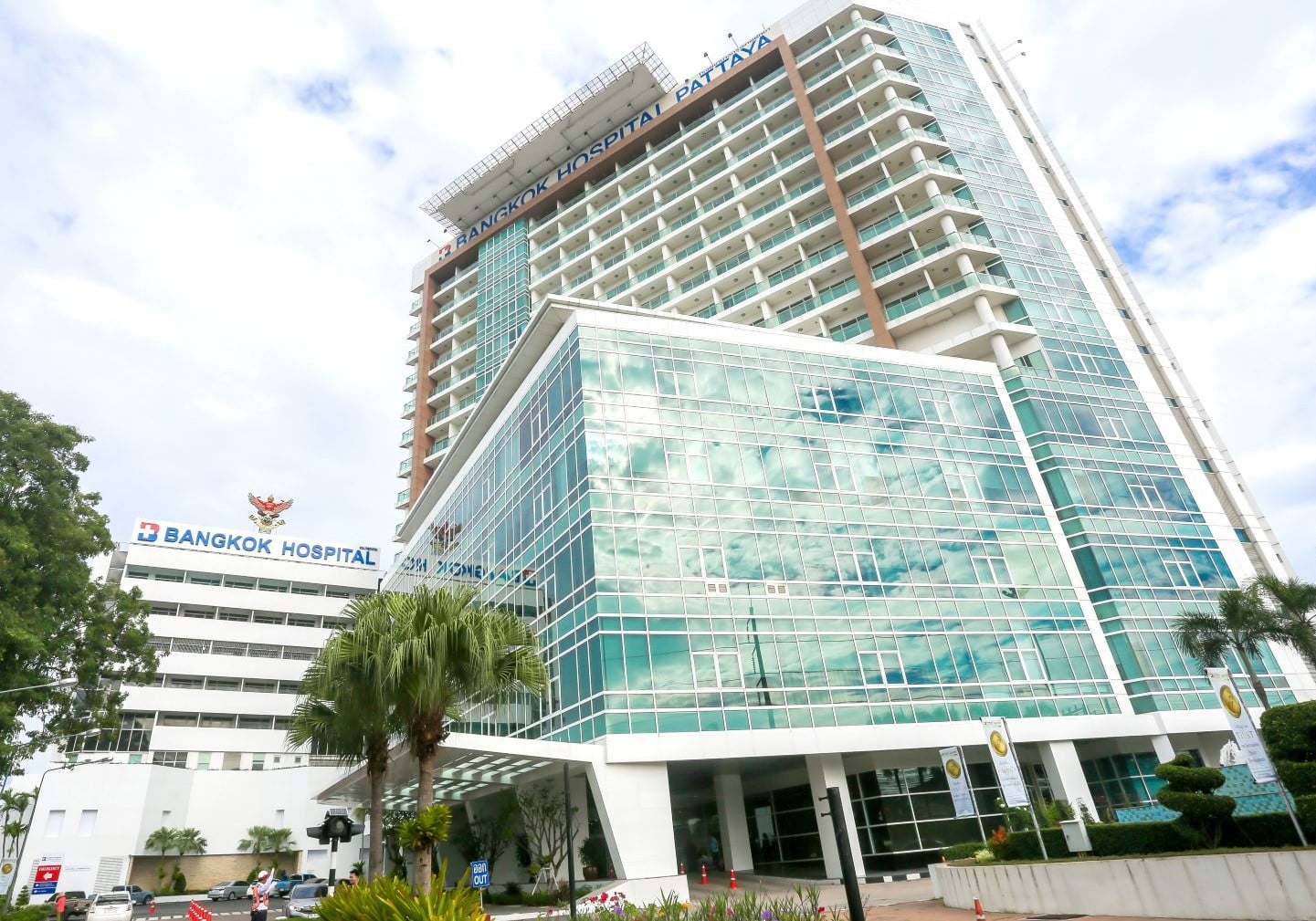
- Bangkok Hospital Pattaya, Thailand
- Sikarin Hospital, Thailand
- Mantak Chia | Universal Healing Tao | Tao Garden (Tao Garden Health Spa & Resort), Thailand
- B. Care Spa, Thailand
- Thanyapura Health & Sports Resort, Thailand
- Eartone, Thailand
Our Trusted Doctors for Australian Patients
View all Doctors
Thanaphat Pomyukon
Dr. Thanaphat Pomyukon is a gastrointestinal and general surgeon at Mali Interdisciplinary Hospital in Bangkok. He earned his medical degree from the prestigious Chulalongkorn University. Dr. Pomyukon holds a Thai Board Diploma in General Surgery from Roi Et Hospital. He treats digestive system diseases, breast lumps, and gallstones.
- Specializes in surgical repair for hernias and hemorrhoid treatment.
- Performs gastrointestinal endoscopy, including gastroscopy and colonoscopy.
- Practices at Mali Interdisciplinary Hospital, which holds American AACI accreditation.
- Works within a gastro-colonoscopic unit at a GHA-accredited facility.

Natthaphon Srithurawanit
Dr. Natthaphon Srithurawanit is a regenerative medicine specialist at Mali Interdisciplinary Hospital in Bangkok. He integrates conventional and precision medicine to treat chronic non-communicable diseases. Dr. Srithurawanit focuses on reducing healing times through restorative techniques at a GHA-accredited facility.
- Performs stem cell therapy for tissue repair and anti-aging rejuvenation.
- Conducts aesthetic procedures including PRP therapy, Botox, and laser treatments.
- Provides precision medical screenings including basic and premium health check-ups.
- Works at an AACI-accredited hospital serving 50,000 international patients annually.

Dr Koravee Wirojskoolchai
Dr. Koravee Wirojskoolchai is a board-certified general surgeon at PMG Hospital in Bangkok. He earned his medical degree at Rangsit University. His primary certification comes from Somdech Phra Pinklao Hospital, Royal Thai Navy Medical Department. Dr. Wirojskoolchai also holds certification in anti-aging and nutritional medicine.
- Trained in JCI Hospital Standards and International Healthcare Service Standards.
- Completed specialized training in medical informatics for hospital development.
- Participant in the Thai Chelation Medical Association’s therapy seminars.
- Works at PMG Hospital, which holds Global Healthcare Accreditation for international services.
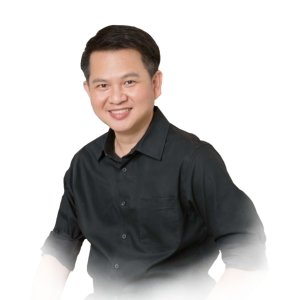
Dr Keerapat Phiromkraiphakdi
Dr Keerapat Phiromkraiphakdi is a specialist in cosmetic surgery with extensive training in the United States.
- Expert in plastic and general surgery with over a decade of experience
- Trained at prestigious institutions including UTHSC and UMC
- Medical Professor at Srinakharinwirot University
- Member of the Thai Society of Plastic Surgeons
Share this content
Video Stories from Bookimed Patients
 Anna Leonova
FAQ about Heart Surgery in Thailand
How can I verify the quality and safety of heart surgeons and hospitals in Thailand?
Verify heart surgery quality in Thailand by confirming JCI accreditation and international surgeon fellowships. Hospitals like Bumrungrad International and Sikarin hold JCI Gold Seals. Top specialists often complete fellowships at Western institutions, such as Stanford University. These centres treat thousands of international patients annually.
- JCI accreditation: Confirms hospitals meet global safety and infection control standards.
- Surgeon credentials: Top specialists like Dr Manoon Somranthin hold international cardiovascular fellowships.
- Hospital rankings: Bumrungrad International is frequently listed in Newsweek World’s Best Hospitals.
- Specialised units: Facilities like Intrarat Hospital feature dedicated cardiac centres for complex cases.
Bookimed Expert Insight: Thai hospitals with high international volume often have better infrastructure for Australians. For instance, Bumrungrad International serves patients from 190 countries and provides robotic surgery. Centres with 4.5+ ratings typically offer better support for English speakers. This volume helps surgeons maintain precision in procedures like valve replacements or bypass surgery.
Patient Consensus: Patients note that major Thai hospitals feel more like five-star hotels than clinical theatres. They highlight the speed of getting diagnostic results and the thoroughness of consultations.
Is it safe to fly home after undergoing major heart surgery in Thailand?
Safe air travel after major heart surgery in Thailand requires at least 10 to 14 days of recovery. For long-haul flights to Australia, surgeons usually recommend waiting 4 to 6 weeks. Patients need a fitness to fly certificate and must meet specific clinical milestones before boarding.
- Clinical clearance: Surgeons at JCI-accredited centres like Bumrungrad International Hospital must verify stable healing.
- Imaging requirements: Post-operative chest X-rays must confirm no trapped air remains in the chest.
- Physical mobility: Patients must walk for 30 minutes comfortably without experiencing chest pain.
- Luggage restrictions: Sternal healing takes 6 to 12 weeks, limiting lifting to under 4.5kg.
Bookimed Expert Insight: Thai hospitals like Bumrungrad and Sikarin Hospital frequently manage international cases. They use digital health records, making it easier to provide surgical summaries for Australian GPs. This integration is vital if a patient needs post-flight follow-up care in Australia.
Patient Consensus: Patients suggest arranging airport mobility assistance and keeping cardiac medications in carry-on luggage. Many recommend travelling with a companion in Thailand to handle physical tasks during recovery.
How long must I stay in Thailand before and after heart surgery?
Patients should plan for a 14 to 21-day stay in Thailand for major heart surgery. This includes 2–3 days for pre-operative diagnostics and 5–10 days of hospital recovery. Patients also need at least 10 days post-discharge for wound monitoring and fit-to-fly safety requirements.
- Pre-operative phase: Arrive 2–3 days early for ECG, echocardiography, and surgeon consultations.
- Hospital stay: Expect 5–10 days in JCI-accredited facilities like Bumrungrad International Hospital.
- Clinical recovery: Spend 1–2 days in ICU followed by several days in a ward.
- Travel clearance: Doctors provide fit-to-fly certificates roughly 10–14 days after hospital discharge.
Bookimed Expert Insight: Major Bangkok centres like Bumrungrad International Hospital serve over 50% international patients. Their discharge teams are experts at coordinating with airlines. This high volume helps them time fit-to-fly clearances to match recovery milestones. This simplifies logistics for Australians flying home.
Patient Consensus: Patients in Thailand find that the required recovery window provides peace of mind. Arriving early helps with acclimatisation. Staying post-surgery ensures specialists can monitor wound healing before the long-haul flight back to Australia.
What lifestyle and medication modifications must I make before departing for heart surgery in Thailand?
Preparing for heart surgery in Thailand requires pausing blood thinners, such as Warfarin or Clopidogrel, 5 to 7 days before departure. Patients must stop herbal supplements like fish oil. They should also improve their physical health for long-haul travel. Follow strict fasting protocols for diabetes medications. This coordination helps JCI-accredited facilities maintain surgical schedules.
- Medication pause: Pause aspirin and NSAIDs 7 days before surgery. Use paracetamol for pain relief.
- Supplement restrictions: Stop fish oil and Vitamin E 14 days before flying. This prevents operative bleeding.
- Travel safety: Use compression stockings on flights. Walk the aisle hourly to prevent blood clots.
- Infection control: Avoid shaving the surgical site. This prevents micro-cuts and reduces surgical site infection risks.
Bookimed Expert Insight: Thai cardiac centres like Bumrungrad International Hospital and Bangkok Hospital Pattaya manage large volumes. They treat up to 1,000,000 patients annually. This high throughput means surgical teams use pre-operative protocols adjusted for international flight risks. Patients should request a flight-safe medication plan from their specialist. Doctors here often suggest short-acting injectable thinners for the 9-hour journey from Australia.
Patient Consensus: Patients in Thailand note the importance of pre-booking airport wheelchair assistance. This avoids straining the heart before procedures. Many recommend bringing original pharmacy labels for all prescriptions. This ensures smooth passage through Thai customs.
How do I prepare my medical documentation before travelling to Thailand for heart surgery?
Patients must organise a complete cardiac history including digital angiograms, echocardiograms, and cardiology reports. Secure an official hospital confirmation letter and a Fit to Fly certificate signed by a GP. These documents are vital for visa processing at JCI-accredited facilities such as Bumrungrad International Hospital.
- Imaging files: Provide digital DICOM format files for angiograms, CT scans, and MRIs.
- Medication list: Document exact dosages and brand names for all current heart medications.
- Hospital letter: Secure signed confirmation stating the diagnosis, procedure, and passport details.
- Clinical summary: Create a one-page summary listing allergies, past procedures, and emergency contacts.
Bookimed Expert Insight: Data shows that top Bangkok clinics like Sikarin Hospital tailor services for Australian and New Zealand patients. These hospitals often require coagulation results and kidney function tests to be under 30 days old. Local surgeons like Dr Manoon Somranthin have 30+ years of experience. They use these recent values to finalise surgical plans immediately upon arrival.
Patient Consensus: Patients in Thailand recommend carrying physical and digital backups of every record. Including a direct contact for a home-based cardiologist helps local teams coordinate support after surgery.
Do I need a special visa for medical travel to Thailand for heart surgery?
Australians do not strictly need a special medical visa for heart surgery in Thailand if the stay is under 60 days. The Visa Exemption program covers most cardiac procedures. However, dedicated medical visas like the Tourist MT or Non-Immigrant O provide safer legal grounds for recovery extensions.
- Visa exemption: Australians enter visa-free for up to 60 days for short treatment stays.
- Medical visa (MT): Single-entry permit for 60 days, specifically for medical treatment and recovery.
- Non-Immigrant O: Best for bypass surgery, allowing 90 days for observation and flight clearance.
- Required documents: Passport valid for 6 months, official hospital appointment letter, and health insurance.
Bookimed Expert Insight: JCI-accredited facilities like Bumrungrad International Hospital and Bangkok Hospital Pattaya handle 50% international patients. They provide the formal, signed letters required by Thai Immigration. These documents make your legal entry reason medical. This simplifies extending your stay if recovery takes longer.
Patient Consensus: Patients find the visa process straightforward when using hospital documentation. They often mention that having a proper medical letter makes entering Thailand for surgery feel more secure.