 Neck and Back Pain Treatment in Bangkok — Image-Guided Injection, Radiofrequency Ablation, No Open Surgery
Advertiser Disclosure
Last updated: 20/11/2026
8 Best Radiofrequency ablation Clinics in Thailand — AUD Prices
Want to explore more options? You can also browse all 8 clinics below.

85 %
patient recommendation
6 K+
patients
Meet the experts behind this page
Medically reviewed by
Hasim Ustunsoy
Authored by Anna Leonova
Head of Content Marketing Team
How it works
We've transformed the clinic search process, making it simple, fast, and personal.
Answer a few questionsTake a short quiz to share your Radiofrequency ablation goals.
Get personalised offers3 clinics, handpicked based on your answers, provide tailored treatment plans and quotes.
Choose the best optionCompare offers and choose the clinic that suits you best.
You can also browse all 8 clinics below.
1M+ patient inquiries
32+ countries
3,323 partner clinics
13,325 certified doctors
How Much Does Radiofrequency ablation Cost in Thailand in AUD?
Radiofrequency ablation in Thailand typically costs from AUD $2,700 / ฿61,200 to AUD $14,300 / ฿323,000. Prices depend on the specific medical condition, the technology used, and the chosen medical hub. In Australia, patients often face high private out-of-pocket costs or long public waitlists for similar procedures. Standard inclusions often cover the procedure, anaesthetic, and a brief hospital stay.
- Radiofrequency ablation with 3D mapping: AUD $9,800 / ฿221,000 to AUD $18,900 / ฿425,000 for complex cardiac arrhythmias.
- Radiofrequency ablation of the liver: AUD $6,300 / ฿142,800 to AUD $9,800 / ฿221,000 for targeted tumour treatment.
- Endovenous radiofrequence ablation (EVRF): AUD $2,700 / ฿61,200 to AUD $4,500 / ฿102,000 for treating varicose veins.
- Regional variations: Packages in Bangkok often cost 15–20% more than in regional hubs like Pattaya.
- Advanced technology: 3D mapping or MRI guidance typically adds a premium over standard ablation techniques.
Bookimed Expert Insight: Choosing a world-class facility in Bangkok offers access to exceptional technological standards. Bumrungrad International Hospital is ranked among the top 10 hospitals worldwide and uses AI and robotic surgery. For those seeking value, Bangkok Hospital Pattaya provides JCI-accredited care outside the capital. These clinics frequently treat Australians, ensuring staff understand the specific needs of patients from this region.
| Thailand | Turkey | |
|---|---|---|
| Radiofrequency ablation | from AUD $2,700 / ฿61,200 | from AUD $3,300 / ฿74,800 |
| Transurethral needle ablation (TUNA) | ≈ AUD $3,500 / ฿78,200 | ≈ AUD $2,700 / ฿61,200 |
| Radiofrequency ablation with 3D mapping | from AUD $9,800 / ฿221,000 | from AUD $12,200 / ฿275,400 |
| Radiofrequency ablation of the liver | ≈ AUD $6,300 / ฿142,800 | from AUD $17,800 / ฿401,200 |
| Magnetic Resonance-guided Focused Ultrasound Surgery (MRgFUS) | ≈ AUD $9,800 / ฿221,000 | from AUD $28,700 / ฿646,000 |
Data verified by Bookimed as of November 2026, based on patient requests and official quotes from 202 clinics worldwide. Median costs are based on real invoices (2025–2026) and updated monthly. Actual prices may vary.
Radiofrequency ablation Packages in Thailand — November 2026 (AUD Pricing for Australians)
Procedure type
Neck and Back Pain Treatment in Bangkok — Image-Guided Injection, Radiofrequency Ablation, No Open Surgery
Best Radiofrequency ablation Clinics in Thailand for Australians: 8 Verified Options and AUD Prices











Radiofrequency ablation Overview in Thailand
Takeaways
Related procedures & Costs
How it works
Benefits
Payment
patients recommend -
85%
Surgery Time - 2 hours
Stay in the country - 3 days
Rehabilitation - 1 day
Anaesthesia - Local anaesthesia
Requests processed - 6767
Bookimed fees - $0
Types of Radiofrequency ablation
- Radiofrequency ablation - from AUD $2,719The procedure uses heat to destruct problematic tissues, relieving chronic pain, and curing some types of cancer effectively.
- Radiofrequency ablation with 3D mapping - from AUD $9,818This therapy uses heat and 3D heart images to kill abnormal cells causing irregular beats, improving heart health.
How to find best solution with Bookimed?
Check available options for your case on the website.
Request a free consultation with documents assessment.
Download your medical records and describe your needs.
Receive customised free treatment plans with prices and details.
Compare them and finalise your choice.
Agree the date for your upcoming clinic visit.
Arrive and pay at the clinic. Bookimed fees are $0 for you.
From start to finish, the Bookimed coordinator keeps you safe and comfortable during your medical journey.
100% free, non-binding assessment of your medical records
Instant FREE personalised treatment plans to make the right choice
Expert guidance in choosing the perfect Cardiology doctor and clinic.
Special packages and exclusive prices for our patients.
24/7 Bookimed guidance at no cost, guaranteed.
Hassle-free translation of your medical documents for clinics.
Bookimed's multilingual team ensures comfortable communication.
Bookimed ensures transparent and secure payments. Patients pay at the clinic with no additional fees.
Available Payment Methods:
How to Secure an Appointment:
1. Documents: Passport and ticket copies.
or
2. Deposit:
- Bookimed deposit: $200 or €200.
- Clinic deposit: Pay a set percentage in advance.
For more information, see our Payment Policy
Our Doctors
View all Doctors
verified
Sanatcha Apakuppakul
9 years of experience
Dr. Sanatcha Apakuppakul is a board-certified cardiologist. Dr. Apakuppakul earned an M.D. from the Faculty of Medicine, Prince of Songkla University. Dr. Apakuppakul completed a residency in Internal Medicine at Phramongkutklao College of Medicine. Cardiology board certification was obtained at the Faculty of Medicine, Ramathibodi Hospital, Mahidol University.
Clinical focus includes heart and vascular medicine, diagnosis and treatment of cardiovascular disease, and electrophysiology. Dr. Apakuppakul treats arrhythmias such as atrial fibrillation, supraventricular tachycardia, and ventricular tachycardia. The practice includes implantable cardiac devices, including pacemakers, ICDs, and CRT-D. Dr. Apakuppakul also performs catheter ablation, including radiofrequency ablation.
verified
Nivit Karla
18 years of experience
Dr. Karla specializes in radiofrequency ablation with extensive training at Rajavithi Hospital's Cardiology Department.
- Trained in cardiology intervention at Rajavithi Hospital
- Over 18 years of experience in internal medicine
- Fluent in English and Thai for clear patient communication
Video Stories from Bookimed Patients
Randolph
Stay strong, stay informed, and never underestimate the power of cutting-edge treatments and a solid support system.
Procedure: Radioembolization for liver cancer
Reviews about Bookimed: Discover Patients' Insights
All reviewsAnonymous • Male Check-up
United Kingdom
26 Sept 2026
The actual male check-up itself was handled very well by everyone involved
The connection between Bookimed and the clinic was fairly seamless, and even the AI chat was okay. However, the system needs tightening up. Because I was 15 minutes late for my appointment, Bookimed’s platform mistakenly thought I hadn't attended the clinic at all, which created some unnecessary follow-up. That was the only issue. The actual male check-up itself was handled very well by everyone involved. From the surgeon to the general staff, the service was professional and attentive, and the clinic environment was good. I only had a blood test, but I imagine the clinic would handle other procedures well.
There was a fairly seamless connection between Bookimed and the clinic. Even the AI chat was okay.
Because I was 15 minutes late for my appointment, Bookimed thought I hadn't attended the clinic, so this needs tightening up.
Stephen • Male Check-up
United Kingdom
13 Sept 2026
I arrived early and was seen straight away. All my tests and scans for the male check-up were done professionally and quickly. Once completed, I went for a quick coffee and within an hour was seen by the consultant to run through all the results. He gave me recommendations for further consultations which I took, leading to an MRI and other future tests. Again, I got the results back straight away and had them explained to me. There were no real negatives. Everything was handled with professionalism and speed.
I arrived early and was seen straight away had all my tests and scans done professionally and quickly . Once completed I went for a quick coffee and within an hour was seen by the consultant to run through all the test and scan results and was given recommendations for further consultations which I took and went straight to the consultant’s and had a MRI and future tests . Again I got the results back straight away and had them explained to me .
No real negatives as everything was handled professionally and quickly .
Share this content
Updated: 20/11/2026
Authored by
 Anna Leonova
Head of Content Marketing Team
A certified medical writer with 10+ years of experience, developed Bookimed’s trusted content, backed by a Master’s in Philology and medical expert interviews worldwide.
Reviewed by Bookimed Medical Advisor
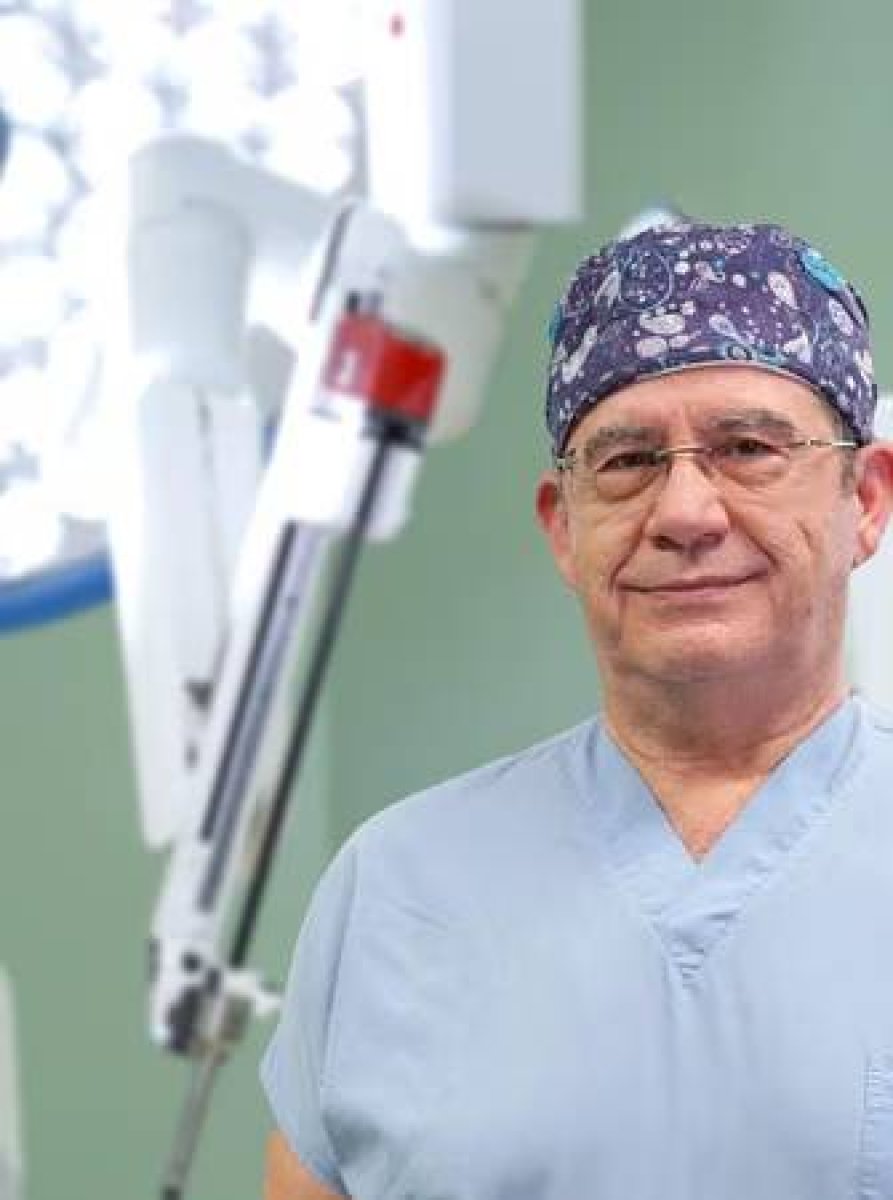
Hasim Ustunsoy
Cardiovascular surgeon
Prof. Dr. Haşim Üstünsoy is a cardiovascular surgeon specializing in robotic heart surgery, valve repair, and coronary artery bypass. He is a pioneer in robotic cardiac surgery using the Da Vinci system in Turkey.
This page may feature information relating to various medical conditions, treatments, and healthcare services available in different countries. Please be advised that the content is provided for informational purposes only and should not be construed as medical advice or guidance. Please consult with your doctor or a qualified medical professional before starting or changing medical treatment.
FAQ about Radiofrequency ablation in Thailand
These FAQs come from real patients seeking medical assistance through Bookimed. Answers are given by experienced medical coordinators and trusted clinic representatives.
How qualified are the physicians performing RFA in Thailand?
Physicians performing radiofrequency ablation in Thailand are internationally trained specialists, often holding fellowships from Australia, the United States, or Europe. These experts include interventional cardiologists and radiologists who must complete six years of medical school followed by five to eight years of residency and subspecialty training.
- Specialised training: Doctors complete a five-year residency plus a two-year fellowship in their organ subspecialty.
- Board certification: Practitioners hold certification from the Medical Council of Thailand ensuring strict clinical standards.
- Hospital standards: Specialists at Bumrungrad International Hospital maintain JCI and Global Healthcare Accreditation benchmarks.
- International credentials: Many surgeons, like Dr Nivit Karla, have advanced training in cardiology and interventional procedures.
- Language proficiency: Most specialists at major Bangkok hospitals are fluent in English and often treat Australians.
Bookimed Expert Insight: Thailand ranks sixth globally for medical travel, with major hospitals like Bumrungrad serving one million patients annually. The sheer volume of cases means Thai specialists often have more practical experience with complex radiofrequency ablation mapping than many Western peers. This high-volume environment allows clinics to offer advanced 3D mapping and specialised liver ablation starting from $4,200.
Patient Consensus: Patients recommend choosing high-volume specialists at major accredited hospitals to ensure the consultant personally performs the procedure. Practical advice includes confirming aftercare plans and remote imaging reviews with the specialist before returning to Australia.
Is Thailand a safe medical tourism destination for a major procedure?
Thailand is a safe and high-quality destination for radiofrequency ablation when performed at internationally accredited tertiary hospitals. Patients benefit from advanced 3D mapping technology and specialists often trained in Australia or the US. Leading facilities in Bangkok hold JCI accreditation and Global Healthcare Accreditation for medical tourism excellence.
- Rigorous accreditation: Over 60 hospitals hold JCI certification, ensuring strict safety and hygiene protocols.
- Advanced technology: Specialists use 3D mapping and HIFU to treat heart, liver, or prostate issues precisely.
- Expert specialists: Doctors like Dr Nivit Karla at PrimeCare Bkk have extensive training in interventional cardiology.
- Proven volume: Major centres like Bumrungrad International Hospital treat over 1 million patients annually.
Bookimed Expert Insight: While radiofrequency ablation in Thailand costs from $1,800 to $9,500, the real safety advantage lies in recovery. Major hospitals like Bumrungrad International Hospital offer high nurse-to-patient ratios. This level of inpatient monitoring is often unavailable for similar costs in Australia, where savings reach 82%.
Patient Consensus: Choosing a top-tier private hospital in a major city ensures better outcomes. Patients recommend verifying that specialists speak fluent English and coordinating with an Australian GP for follow-up care. Building in extra recovery days before the flight home is essential for safety.
What should I ask a medical coordinator before booking?
Confirm the specific ablation technique, the total itemised cost, and the medical background of the specialist handling the case. Patients should verify who reviews scans before travel and request a written discharge summary for their Australian GP. Ensure the clinic holds Joint Commission International accreditation.
- Technique confirmation: Verify if using 3D mapping or standard radiofrequency for precise target ablation.
- Cost breakdown: Request itemised quotes covering anaesthesia, facility fees, and post-operative pathology reviews.
- Clinical oversight: Ask if a medical specialist or sales agent reviews your pre-travel scans.
- GP documentation: Ensure the clinic provides operative reports and medication lists for Australian doctors.
Bookimed Expert Insight: Thailand's premier hospitals like Bumrungrad International Hospital serve over 1 million patients annually and hold Global Healthcare Accreditation. Coordinators at these high-volume centres often facilitate direct telehealth consultations before you fly. This is a vital step for Australian patients to confirm their eligibility for complex 3D mapping procedures.
Patient Consensus: Patients in Thailand suggest asking how soon you can fly home and who manages follow-up questions via video call. They recommend evaluating the coordinator's response speed and getting all emergency support numbers in writing before booking.
How does the procedure actually work?
Radiofrequency ablation in Thailand is a minimally invasive procedure that uses heat to treat damaged tissues. Specialists use imaging-guided probes to deliver electric currents, which create precise lesions to block pain signals or destroy tumours. This approach avoids large incisions and typically requires only local anaesthetic.
- Probe placement: Specialists use ultrasound or fluoroscopy for precise imaging-guided probe insertion.
- Nerve testing: Doctors perform stimulation testing to verify targets before starting the ablation.
- Energy delivery: High-frequency currents create heat via physical contact at the treatment site.
- Sedation levels: Patients usually remain awake but groggy under local anaesthetic and light sedation.
Bookimed Expert Insight: While the burn phase is brief, the total theatre time is longer due to setup. Leading Bangkok centres like Bumrungrad International Hospital combine AI with digital imaging to ensure probe accuracy. This precision helps explain why many patients only require a few days to recover.
Patient Consensus: Expect a quick procedure with a focus on meticulous imaging setup and nerve testing. Results often take a few days to show, so do not judge success immediately after surgery. Patients value having clear English-language instructions for managing any temporary bruising or stiffness back in Australia.
What is the typical recovery timeline?
Radiofrequency ablation recovery in Thailand typically involves returning to mobility within 24 to 48 hours. Most patients experience initial soreness or bruising for up to 14 days. Full therapeutic benefits generally appear between 2 and 6 weeks as internal inflammation resolves across accredited Bangkok cardiology and oncology centres.
- Mobility window: Most patients begin walking and light movement within 24–48 hours.
- Initial discomfort: Expect localized tenderness, swelling, or numbness for 5 to 14 days.
- Clinical results: Full functional benefits appear after 2–6 weeks once inflammation clears.
- Activity restrictions: Avoid heavy lifting, intense exercise, and heat exposure during week 1.
- Travel criteria: Surgeons recommend waiting several days before long-haul flights back to Australia.
Bookimed Expert Insight: High-volume centres like Bumrungrad International Hospital serve over 1,000,000 patients annually. Their data shows that "buffer days" are essential for Australian travellers. Adding 3–4 extra days in Bangkok before flying home ensures residual stiffness settles. This helps avoid discomfort during the 9-hour flight to Perth or Sydney.
Patient Consensus: Initial soreness is common and does not mean the procedure failed. Patients report feeling immediate mobility but advise waiting for swelling to subside before judging results. Avoid rushing into heavy activity to ensure the best long-term outcome in Thailand.
How long will I need to stay in Thailand before flying back home?
Patients should plan to stay in Thailand for 3 to 5 days after radiofrequency ablation before flying home. This allow for the initial 48-hour observation period and ensures any post-procedure pain flare-ups or reactions to sedation are managed by specialists in Bangkok or Pattaya before a long-haul flight.
- Observation window: Stay 48–72 hours locally to monitor for post-ablation reactions or discomfort.
- Hospital stay: Most procedures are day cases but clinics often recommend 1 night stay.
- Clinical review: Schedule a follow-up appointment for dressing changes 2 days after the procedure.
- Visa duration: Australian passport holders currently receive a 60-day visa exemption upon arrival.
- Flight safety: Avoid same-day flights to reduce risks of immobility and dehydration during travel.
Bookimed Expert Insight: While many websites suggest immediate travel, Bookimed data shows that top-tier facilities like Bumrungrad International Hospital often perform complex ablations that require longer monitoring. Patients choosing radiofrequency ablation with 3D mapping should budget for 5 days in Thailand to ensure the cardiac or nerve response has fully stabilised before boarding.
Patient Consensus: Travellers to Thailand recommend building in a buffer day for medication adjustments and only booking return flights once they can sit and walk comfortably. They suggest avoiding long flights immediately after sedation to manage the practical realities of recovery while in the air.
Which are the top hospitals for RFA in Thailand?
Top hospitals for radiofrequency ablation in Thailand include JCI-accredited facilities like Bumrungrad International Hospital and Bangkok Hospital Pattaya. These centres specialise in cardiac electrophysiology, liver tumour ablation, and orthopaedic pain management. They use techniques such as 3D mapping and ultrasound guidance to ensure precise outcomes.
- Clinical excellence: Bumrungrad International Hospital serves 1,000,000 patients annually with JCI and GHA accreditations.
- Cardiac expertise: Vejthani Hospital specialises in advanced electrophysiology study for heart rhythm disorders.
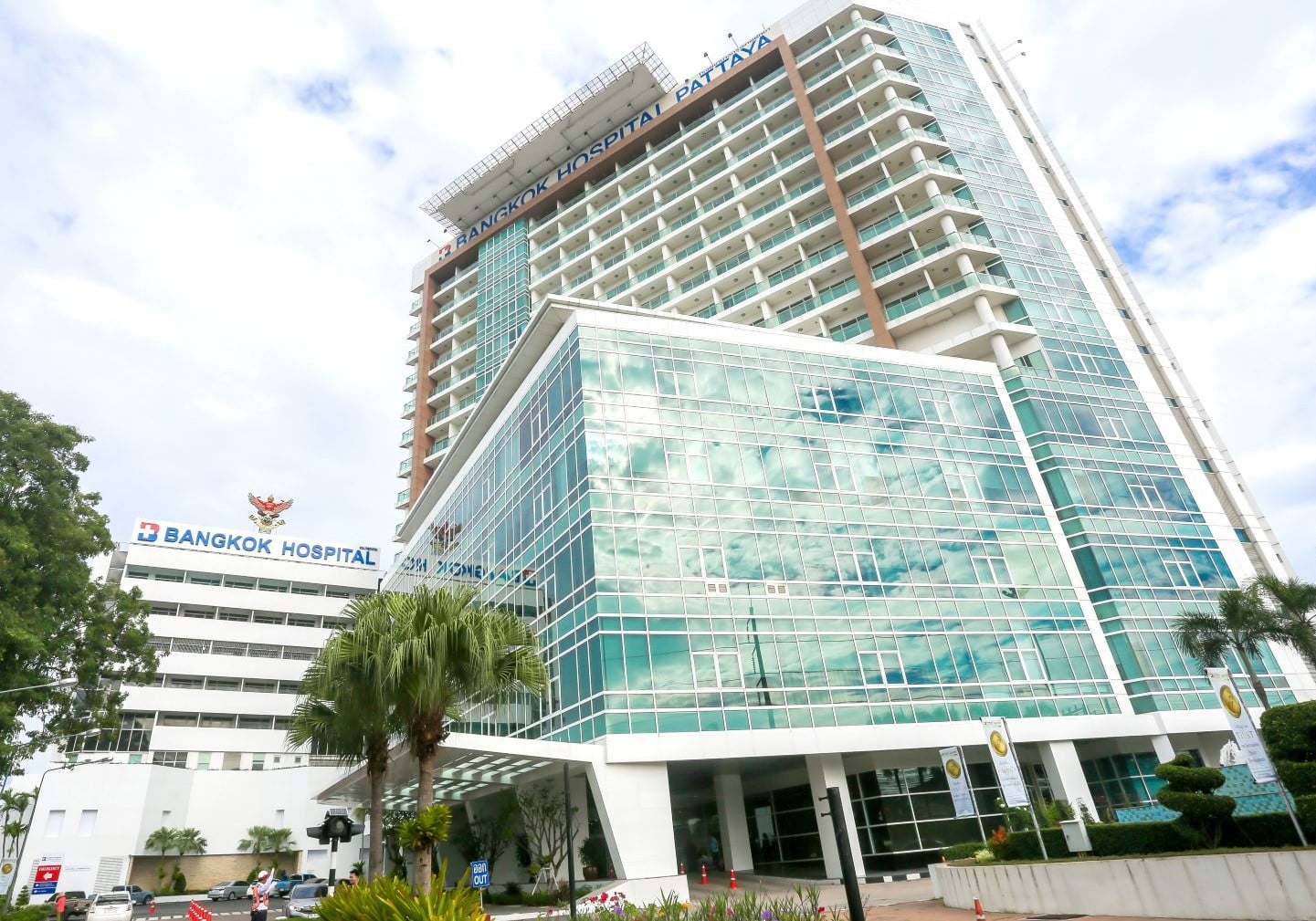
- Regional leader: Bangkok Hospital Pattaya serves 400,000 patients yearly with Temos and ISO standards.
- Diverse techniques: Centres offer specialized procedures like endovenous radiofrequency ablation for varicose veins.
- Highly-trained doctors: Doctors such as Dr Nivit Karla at PrimeCare Bkk hold extensive cardiology credentials.
Bookimed Expert Insight: While major hospitals like Bumrungrad and Bangkok Hospital Pattaya dominate the market, specialized clinics in Bangkok offer significantly lower costs for specific tasks. For instance, endovenous radiofrequency ablation (EVRF) for veins starts at A$2,500, whereas complex cardiac or oncology-related ablation can reach A$24,000 depending on the technology used.
Patient Consensus: Patients suggest focusing on the doctor’s monthly procedure volume rather than just the hospital name. They recommend confirming all costs for imaging and anaesthesia upfront and ensuring a clear follow-up plan for your Australian GP.