Replacement of the aortic valve Clinics in Thailand — AUD Prices


Medically reviewed by
Hasim Ustunsoy
How Much Does Replacement of the aortic valve Cost in Thailand in AUD?
Replacement of the aortic valve in Thailand typically costs from AUD $37,800 / ฿850,000 to AUD $57,400 / ฿1,292,000. Prices depend on the surgical approach, valve type, and clinic location in Bangkok or Pattaya. Fees usually cover the prosthetic valve, surgeon fees, and intensive care stays.
- Procedure technique: TAVI is generally 20–40% more expensive than traditional open-heart surgery.
- Valve selection: Biological tissue valves often carry a higher initial cost than mechanical alternatives.
- Hospital location: Facilities in Bangkok may have higher rates than regional centres.
- Hospital tier: Leading international hospitals often price 15–25% higher than local private clinics.
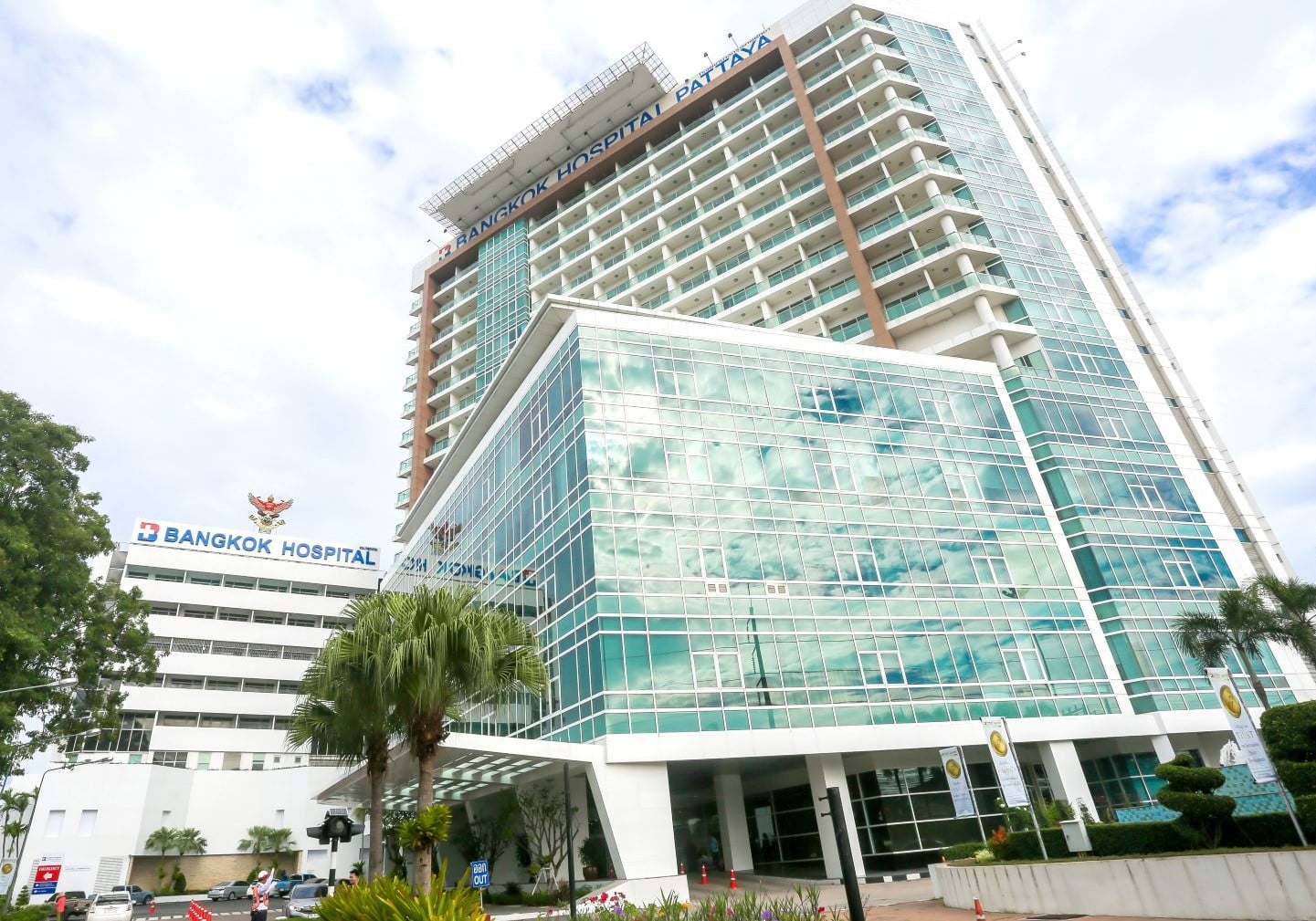
Bookimed Expert Insight: Choosing high-volume centres like Bumrungrad International Hospital offers exceptional value for money. They treat over one million patients annually and hold JCI accreditation. This ensures quality systems meet international standards. For regional options, Bangkok Hospital Pattaya provides specialised heart surgery care. This clinic is certified by TÜV NORD, so its quality systems have been independently checked.
Your Benefits and Guarantees with Bookimed
Transparent Prices & Flexible Installments
No hidden fees – just official clinic prices. Pay at the clinic for Replacement of the aortic valve upon arrival and use a flexible instalment plan if needed.
Verified Clinics & Doctors Only
Bookimed is committed to your safety. We only work with medical institutions that maintain high international standards in Replacement of the aortic valve and have the necessary licenses to serve international patients worldwide.
Free 24/7 Assistance
Bookimed offers free expert assistance. A personal medical coordinator supports you before, during, and after your treatment, solving any issues. You're never alone on your Replacement of the aortic valve journey.

Your personal Bookimed medical coordinator
- Supports you at every stage
- Helps choose the right clinic and doctor
- Ensures quick and convenient access to information
Best Replacement of the aortic valve Clinics in Thailand for Australians: 2 Verified Options and AUD Prices












Replacement of the aortic valve Overview in Thailand
- Heart Valve Replacement - from AUD $37,763This surgery replaces damaged heart valves, improving blood flow and heart function.
- Replacement of the aortic valve - from AUD $37,763The operation substitutes an impaired heart valve with a healthy one, enhancing blood flow and cardiac function.
- Bookimed deposit: $200 or €200.
- Clinic deposit: Pay a set percentage in advance.
Video Stories from Bookimed Patients
Share this content
 Anna Leonova
FAQ about Replacement of the aortic valve in Thailand
What is the success rate of aortic valve replacement surgery in Thailand?
Thailand maintains over 95% immediate success for transcatheter aortic valve implantation (TAVI). It also shows 90% to 94% long-term survival for surgical replacements. Leading Bangkok facilities hold JCI accreditation and serve 1,000,000+ patients annually. These centres match international standards for 30-day mortality rates between 1.5% and 4.2%.
- Procedure success: Minimally invasive TAVI reaches 95% success for high-risk or elderly patients.
- Survival rates: Traditional open surgery survival exceeds 90% over five years for most patients.
- Accredited excellence: Bumrungrad International Hospital holds GHA and JCI accreditations for complex heart surgery.
- Specialised infrastructure: Bangkok Heart Hospital uses hybrid theatres for integrated surgical and catheter treatments.
Bookimed Expert Insight: While many search for the lowest price, data shows patient volume indicates quality. Hospitals like Bumrungrad International and Bangkok Hospital Pattaya manage up to 1,000,000 patients annually. This high-volume environment helps surgical teams maintain sharp skills for complex valve revisions.
Patient Consensus: Success in Thailand depends on choosing high-volume centres with dedicated cardiac intensive care units. Patients suggest confirming anticoagulation management and follow-up plans before returning to Australia.
What types of aortic valve replacement procedures are available in Thailand?
Thailand provides a full spectrum of aortic valve replacement options. These include transcatheter aortic valve implantation (TAVI), minimally invasive cardiac surgery (MICS), and traditional open-heart surgery (SAVR). Leading JCI-accredited centres like Bumrungrad International Hospital use 3D endoscopic equipment and robotic systems for these cardiac interventions.
- TAVI and TAVR: Catheter-based technique for high-risk patients that avoids major chest incisions.
- Minimally invasive surgery: Uses small thoracotomy incisions to reduce pain and speed up physical recovery.
- Traditional SAVR: Standard open-heart approach for complex cases or patients requiring multiple bypasses.
- The Ross procedure: Specialist surgery switching the pulmonary valve into the aortic position.
- Mechanical and biological: Choice between lifetime-durable carbon valves or tissue valves from animal sources.
Bookimed Expert Insight: Aortic valve replacement in Thailand costs from $25,000 to $38,000. The real value lies in the hospital infrastructure. Centres like Bumrungrad International serve over 1,000,000 patients annually and maintain Joint Commission International (JCI) accreditation. This high volume means surgical teams possess massive experience with complex valve anatomies.
What is the difference between biological and mechanical valves for heart replacement in Thailand?
Biological valves made from animal tissue last 10–20 years. These offer a simpler lifestyle without lifelong blood thinners. Mechanical valves use synthetic materials for lifetime durability but require daily anticoagulants. Aortic valve replacement in Thailand costs between $25,000 and $38,000, saving Australians roughly 73%.
- Biological valves: Made from pig or cow tissue to avoid long-term anticoagulant medication.
- Mechanical durability: Crafted from carbon and titanium to last a patient's entire lifetime.
- Medication needs: Mechanical valve recipients require lifelong warfarin and regular blood monitoring.
- TAVI availability: Thai centres like Bumrungrad offer minimally invasive biological valve entry via catheters.
Bookimed Expert Insight: Mechanical valves are cheaper initially. However, biological TAVI procedures in Bangkok often provide better long-term value for Australian travellers. Avoiding lifelong medication and blood tests simplifies care once home. High-volume hospitals like Bumrungrad International Hospital manage over 1 million patients annually. This means specialists are highly proficient in both techniques.
Patient Consensus: Biological valves make life easier because there are fewer diet and bleeding restrictions. Patients suggest confirming a follow-up plan for blood monitoring with an Australian GP if choosing a mechanical option.
When is it safe to fly home to Australia after aortic valve replacement in Thailand?
Safe travel times for the 7 to 12-hour flight home depend on the surgical approach used. Patients generally wait 4 to 6 weeks after open-heart surgery. Minimally invasive TAVI procedures usually require 2 to 4 weeks for cardiovascular stability.
- Open-heart timeline: Patients must wait 4 to 6 weeks for the sternum to stabilise.
- TAVI recovery: Catheter-based procedures allow for a shorter 2 to 4-week waiting period.
- Mandatory minimum: Most Thai hospitals require at least 14 days of in-country monitoring.
- Airline clearance: Carriers like Qantas require a formal Fit to Fly certificate before boarding.
- Blood clot prevention: DVT risk requires compression stockings and regular movement.
Bookimed Expert Insight: Patients should budget for 3 weeks in Bangkok or Pattaya. Thai JCI-accredited centres like Bumrungrad International Hospital manage high international volumes. They often require this extra week to stabilise anticoagulation levels before long-haul travel.
Patient Consensus: Travellers recommend direct flights to Australia to avoid exhausting connections. Success depends on carrying a discharge summary and valve details in hand luggage. Patients in Thailand found extra recovery time essential for managing fatigue before flying.
How long must an international patient stay in Thailand for an aortic valve replacement?
International patients must plan for a 14 to 21 day stay in Thailand. This covers an aortic valve replacement and the required medical clearance for long-haul travel. Accredited Bangkok hospitals typically require 5 to 10 days as an inpatient.
- Surgical timeline: Open-heart surgery generally requires 14 to 24 days total in the country.
- Hospital stay: Patients spend 5 to 10 days in hospital, including time in the ICU.
- Clinical clearance: Doctors monitor heart rhythm and wound healing for 7 to 14 days post-discharge.
- Airline requirements: Doctors must issue a formal Fit-to-Fly certificate before patients board international flights.
Bookimed Expert Insight: Major hubs like Bumrungrad International Hospital serve over 500,000 international patients annually. Their cardiologists are experienced at managing the strict blood-thinner calibration needed before long flights. Patients should choose Bangkok-based accommodation to stay near their surgical team during the first fortnight.
Patient Consensus: Travellers recommend avoiding fixed return dates. Flexibility allows for essential post-operative reviews in Thailand. These reviews check for fluid build-up or heart rhythm issues before departure.
Which hospitals in Thailand are recommended for aortic valve replacement?
Bumrungrad International Hospital and Bangkok Hospital Pattaya are recommended for aortic valve replacement in Thailand. These JCI-accredited facilities specialise in heart surgery. They offer open-heart procedures and minimally invasive TAVI for complex valvular conditions. Patients receive care from multidisciplinary cardiac teams with international experience.
- Bumrungrad International Hospital: Features a heart valve centre using 3D-endoscopic and robotic tools.
- Bangkok Hospital Pattaya: Serves as the main cardiac diagnostic hub for Thailand's Eastern Seaboard.
- Accreditation standards: Leading centres hold JCI and Global Healthcare Accreditation for international patient services.
- Clinical volume: Bumrungrad manages 1,000,000+ patients annually. About 50% arrive from 190+ different countries.
Bookimed Expert Insight: Bangkok Hospital Pattaya offers care equivalent to Bangkok hubs with JCI and Temos accreditations. This is a strategic choice for patients seeking a quiet recovery outside the capital. Data shows these hospitals maintain 70+ specialised departments to manage elderly patients with multiple health conditions.
Patient Consensus: Patients recommend choosing major Bangkok cardiac centres with on-site intensive care units. They suggest confirming telehealth follow-up options for medication and anticoagulation management before returning to Australia.