3 Best Mitral valve prolapse Treatment Clinics in Thailand — AUD Prices

Medically reviewed by
Hasim Ustunsoy
What's the Cost of Mitral valve prolapse Diagnosis and Treatment in Thailand?
Mitral valve prolapse treatment cost in Thailand typically runs from AUD $7,400 / ฿166,600 to AUD $16,600 / ฿374,000 for a valvuloplasty. Major surgical interventions like heart valve replacement range between AUD $37,600 / ฿850,000 and AUD $63,300 / ฿1,428,000. Total expenses depend on the technique used, such as robotic-assisted surgery, and the specific clinic tier. Australians generally save 40–70% compared to local private prices by choosing facilities in Bangkok or Pattaya.
Typical Mitral Valve Prolapse Treatment Costs in Thailand
- Plastic surgery for cardiac valve: AUD $20,300 / ฿459,000 – AUD $27,900 / ฿629,000
- Valvuloplasty: AUD $7,400 / ฿166,600 – AUD $16,600 / ฿374,000
- Heart valve replacement: AUD $37,600 / ฿850,000 – AUD $63,300 / ฿1,428,000
- Pediatric mitral valve replacement: AUD $36,100 / ฿816,000 – AUD $57,200 / ฿1,292,000
Bookimed Expert Insight: For complex cardiac care, JCI-accredited hubs like Bumrungrad International Hospital offer high-tech robotic surgery. This often leads to shorter hospital stays and faster recovery for international patients. Smaller facilities like Sikarin Hospital are well-versed in treating Australians and offer competitive heart surgery rates. Patients should consider Bangkok Hospital Pattaya for specialized care on the East Coast, which balances quality with accessible pricing.
| Thailand | Turkey | |
|---|---|---|
| Valvuloplasty | from AUD $7,400 / ฿166,600 | from AUD $12,000 / ฿272,000 |
| Plastic surgery for cardiac valve | ≈ AUD $20,300 / ฿459,000 | from AUD $15,100 / ฿340,000 |
| Pediatric Mitral Valve Replacement | ≈ AUD $36,100 / ฿816,000 | from AUD $18,100 / ฿408,000 |
| Mitral Valve Replacement | ≈ AUD $33,100 / ฿748,000 | from AUD $21,500 / ฿486,200 |
| Mitral Valve Repair | ≈ AUD $25,600 / ฿578,000 | from AUD $25,900 / ฿584,800 |
Your Benefits and Guarantees with Bookimed
Transparent Prices & Flexible Installments
No hidden fees – just official clinic prices. Pay at the clinic for Mitral valve prolapse treatment and use a flexible instalment plan if needed.
Verified Clinics & Doctors Only
Bookimed is committed to your safety. We only work with medical institutions that maintain high international standards in Mitral valve prolapse treatment and have the necessary licenses to serve international patients worldwide.
Free 24/7 Assistance
Bookimed offers free expert assistance. A personal medical coordinator supports you before, during, and after your treatment, solving any issues. You're never alone on your Mitral valve prolapse treatment journey.

Your personal Bookimed medical coordinator
- Supports you at every stage
- Helps choose the right clinic and doctor
- Ensures quick and convenient access to information
Best Mitral valve prolapse Treatment Centres in Thailand for Australians: 3 Verified Options and AUD Prices














Share this content
Video Stories from Bookimed Patients
 Anna Leonova
Expert Overview about Mitral valve prolapse Treatment in Thailand
What are the main treatment options for mitral valve prolapse in Thailand?
Thai cardiac centres provide mitral valve repair and replacement via traditional open-heart or minimally invasive surgery. JCI-accredited hospitals in Bangkok and Pattaya specialise in valve plastic surgery and valvuloplasty. These procedures address severe regurgitation using 128-slice CT scans and cardiac catheterisation for precision.
- Valve repair: Surgeons perform plastic surgery or valvuloplasty to fix the native valve.
- Valve replacement: Mechanical or biological valves replace severely damaged native mitral valves.
- Diagnostics: Specialists use 128-slice CT and MRI to assess valve leakage severity.
- Minimally invasive options: Smaller incisions between ribs reduce recovery time and infection risks.
Bookimed Expert Insight: Thai hospitals like Bumrungrad International maintain a 50% international patient mix. This proves their systems suit Australians. Their 90-minute door-to-balloon time for cardiac emergencies reflects a high-speed efficiency rarely found elsewhere. This infrastructure supports complex valve repairs. In these repairs, timing and precision are critical for long-term heart health.
Patient Consensus: Patients in Thailand note that moderate leakage often stays stable for years under routine monitoring. They emphasise that while medications manage symptoms, only surgical repair or replacement permanently fixes the valve.
Which hospitals in Thailand are best for mitral valve prolapse treatment?
Top Thai hospitals for mitral valve prolapse treatment include Bumrungrad International and Bangkok Heart Hospital. These JCI-accredited centres specialise in minimally invasive valve repair and replacement. Technologies like 3D endoscopic surgery and MitraClip are available. Most leading facilities serve thousands of international patients annually.
- Bumrungrad International Hospital: Performs 24/7 emergency cardiac interventions with 90-minute door-to-balloon times.
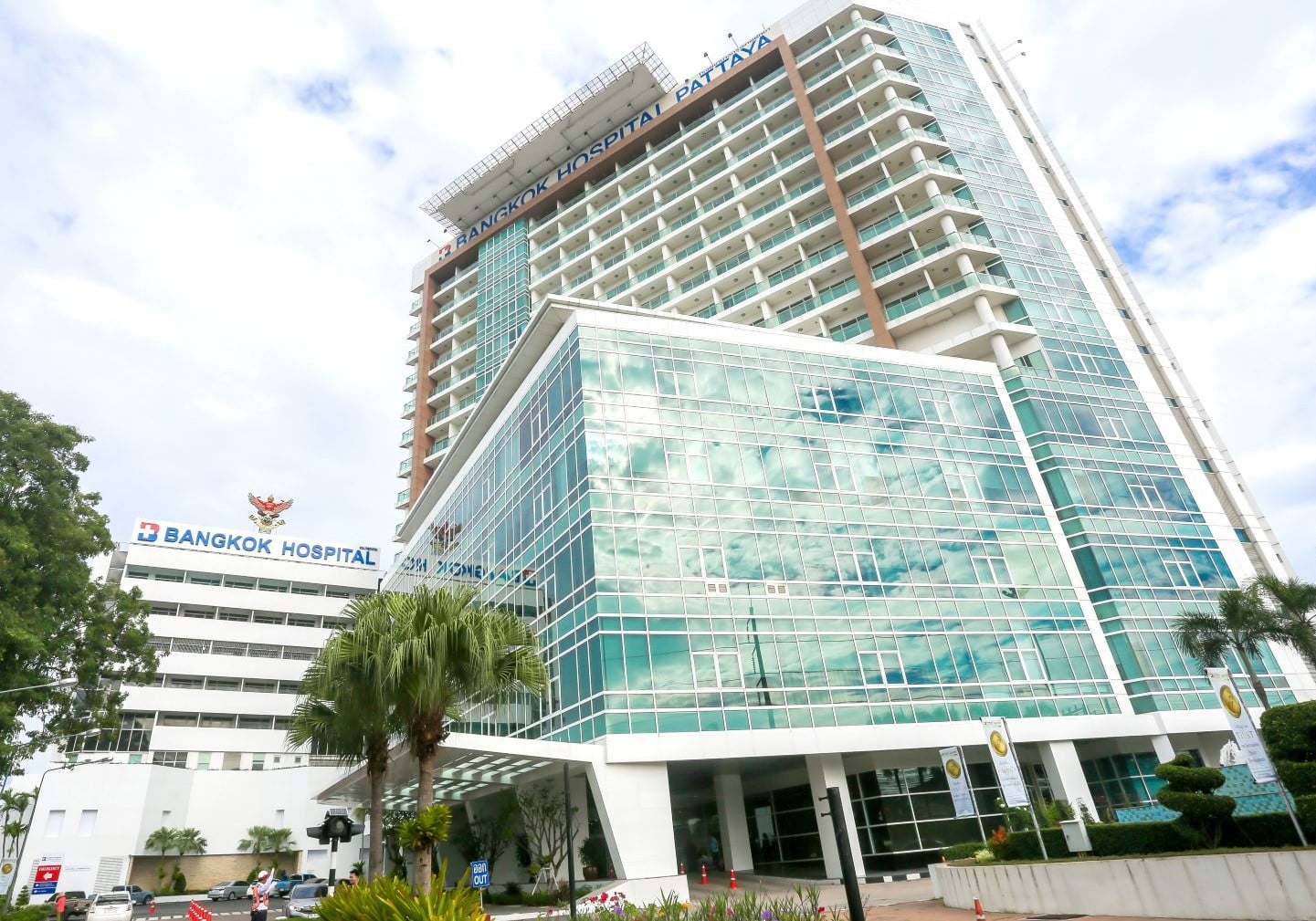
- Bangkok Hospital Pattaya: Uses 128-slice CT scans to image coronary arteries in 4 seconds.
- Sikarin Hospital: Provides dedicated cardiovascular surgery centres for heart valve replacements and pacemakers.
- Accreditation standards: Major centres hold JCI and ISO certifications recognised by Australian health experts.
Bookimed Expert Insight: Thailand ranks 8th globally for medical tourism. This is driven by high-volume centres like Bumrungrad, which treats 1,000,000 patients yearly. Australian patients should note that all-inclusive packages are rare for cardiac surgery. Still, clinics like Sikarin include free airport transfers and English interpreters. This reduces logistical stress for those travelling from Australia for complex valve repairs.
Patient Consensus: Patients recommend choosing hospitals with dedicated valve-surgery teams rather than general medicine departments. Many note: major Bangkok private hospitals provide the best specialist care for complex heart procedures.
Are minimally invasive or robotic options available for mitral valve prolapse treatment in Thailand?
JCI-accredited hospitals in Bangkok and Pattaya offer minimally invasive and robotic mitral valve prolapse treatments. Surgeons perform repairs through small 4–5 cm keyhole incisions. These techniques avoid the need to crack the breastbone. This approach typically results in less scarring and faster recovery.
- Robotic systems: Surgeons use robotic arms for greater precision in tight chest spaces.
- Endoscopic surgery: High-definition 3D cameras guide valve repair through tiny port-site incisions.
- Transcatheter options: Catheter-based repairs like MitraClip treat patients who are unsuitable for traditional surgery.
- Specialised centres: Facilities like Bumrungrad International Hospital offer dedicated cardiac intervention programs.
Bookimed Expert Insight: Thailand's leading cardiac centres manage large patient volumes from over 150 countries. These include Sikarin Hospital and Bangkok Hospital Pattaya. Thanks to these high volumes, the hospitals maintain specialised catheterisation labs. These labs handle complex valve replacements and pacemaker surgeries alongside standard repairs. There is a high volume of international cases. This means support staff are highly experienced with English-speaking patients.
Patient Consensus: Patients in Thailand note that surgeons review imaging carefully before deciding between repair and replacement. Many find robotic repair practical. Their anatomy and fitness levels must qualify them for a mini thoracotomy.
How long does recovery from mitral valve prolapse treatment in Thailand take, and how long do I need to stay?
Recovery from mitral valve prolapse treatment in Thailand requires a stay of 14 to 30 days. Catheter-based repairs allow discharge in 2 to 5 days. Surgical repairs need 7 to 10 hospital days. Patients usually reach full functional recovery within 2 to 3 months.
- Stay duration: Plan 21 to 30 days for surgical repairs to ensure flight safety.
- Hospital discharge: Catheter patients often leave within 5 days. Surgical patients stay 10 days.
- Initial healing: Gentle walks are possible after 2 weeks. Full independence takes 4 to 6 weeks.
- Travel clearance: Most surgeons advise waiting 6 to 8 weeks before long-haul flights to Australia.
Bookimed Expert Insight: Leading Bangkok facilities like Bumrungrad International Hospital and Sikarin Hospital maintain JCI accreditation. This helps Australians get the documents they need for recovery extensions. Hospitals often provide dedicated visa extension counters. These services are vital for patients needing the recommended 14-day clinical stabilisation period before flying home.
Patient Consensus: Patients in Thailand note significant improvement by day four. However, chest tubes remain for several days. While basic independence returns by week 4, most advise allowing 6 to 12 weeks before attempting the long flight back to Australia.