25 Best Hip replacement Clinics in Republic of Korea — AUD Prices

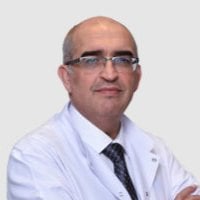
Medically reviewed by
Kayhan Turan
How it works
How Much Does Hip replacement Cost in Republic of Korea in AUD?
Hip replacement in the Republic of Korea typically costs from AUD $15,100 to AUD $22,600. Prices fluctuate based on the surgical approach, the prosthetic material selected, and the hospital's tier. Standard inclusions usually cover pre-operative tests, the prosthesis, anaesthetic, and initial physical therapy during the hospital stay.
- Total hip replacement: AUD $60,200 to AUD $75,300 for a complete joint reconstruction.
- MAKOplasty: AUD $27,100 to AUD $30,100 for robotic-assisted precision surgery.
- Hip arthroscopy: AUD $10,500 to AUD $18,100 for minimally invasive joint repair.
- Robotic-assisted premium: Typically adds 15–25% to the base cost for enhanced surgical accuracy.
Bookimed Expert Insight: While Seoul is a major hub, hospitals like Kang Dong Hospital in Busan offer competitive orthopedic care. High-volume centres like Samsung Medical Center and Asan Medical Center perform thousands of operations annually. Some facilities use digital systems like BESTcare at Seoul National University Bundang Hospital to improve patient safety. For Australian patients, South Korea's high-tech infrastructure provides surgical precision often exceeding private options at home.
| Republic of Korea | Thailand | Turkey | |
|---|---|---|---|
| Hip replacement | from AUD $15,100 | from AUD $12,800 | from AUD $9,000 |
| Total hip replacement for developmental dysplasia of the hip | ≈ AUD $21,100 | ≈ AUD $17,300 | from AUD $9,900 |
| Total hip replacement (arthroplasty) revision | ≈ AUD $21,100 | ≈ AUD $17,300 | from AUD $11,300 |
| Total hip replacement | from AUD $60,200 | from AUD $11,300 | from AUD $17,900 |
| Revision hip arthroplasty | ≈ AUD $24,100 | ≈ AUD $21,800 | from AUD $15,100 |
Best Hip replacement Clinics in Republic of Korea for Australians: 25 Verified Options and AUD Prices







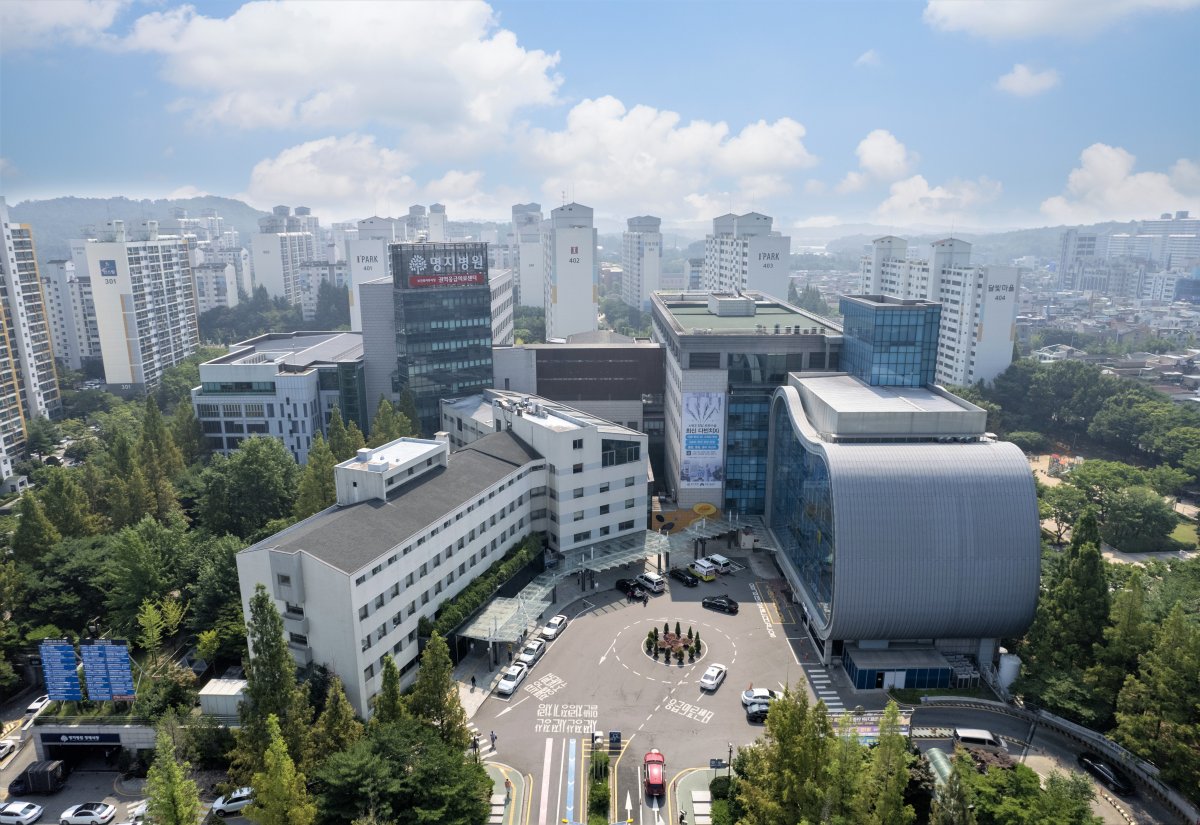



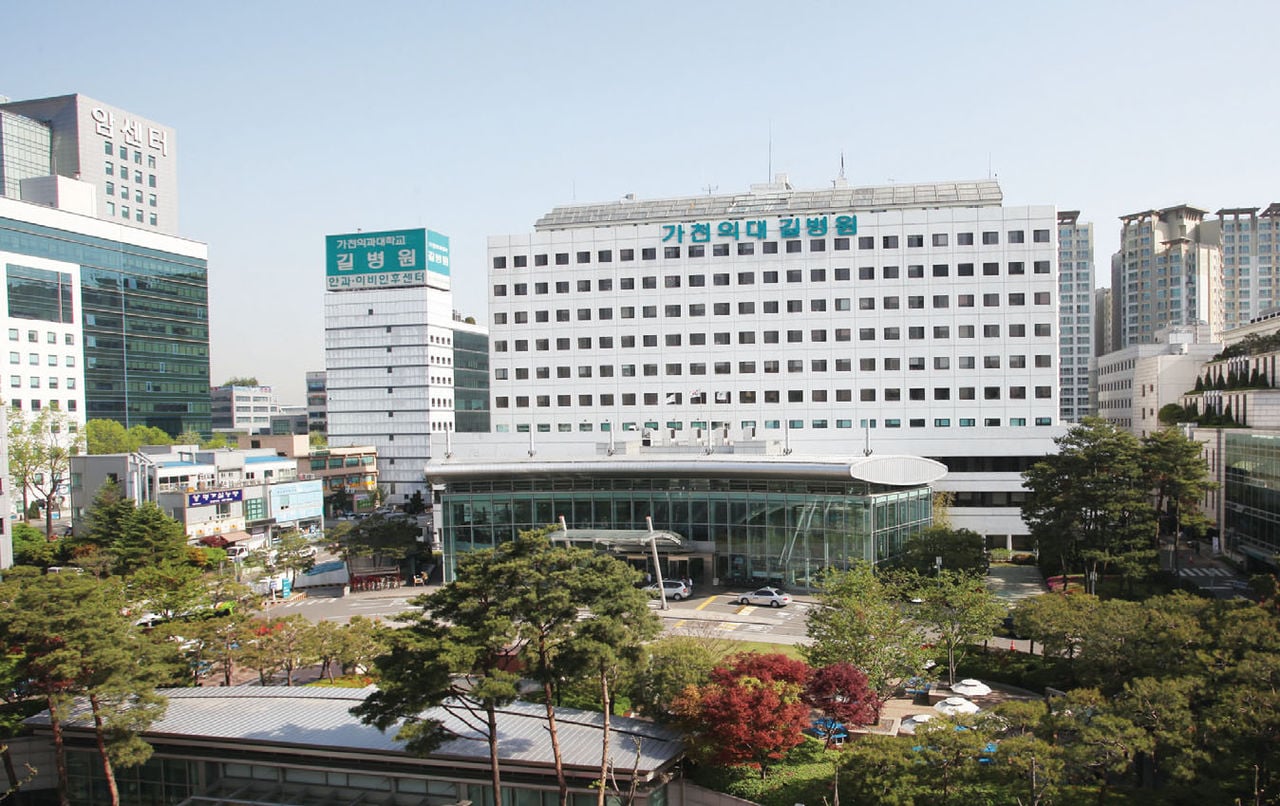






Hip replacement Overview in Republic of Korea
- MAKOplasty - from AUD $27,107The procedure uses robotics for precise knee and hip replacements, reducing recovery time and enhancing mobility.
- Hip replacement - from AUD $15,060The operation substitutes damaged hip joints with artificial ones, reducing pain and improving movement.
- Hip Arthroscopy - from AUD $10,542This therapy involves utilizing a camera and small tools to diagnose and treat hip joint problems, providing minimal recovery time.
- Total hip replacement - from AUD $60,238The operation replaces damaged hip joint with artificial parts, improving mobility and relieving pain.
- Bookimed deposit: $200 or €200.
- Clinic deposit: Pay a set percentage in advance.
Our Doctors
View all Doctors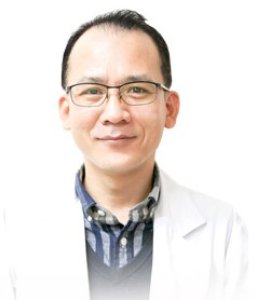
Lee Dongyeop
Dr. Lee Dongyeop is an orthopedic surgeon specializing in arthroscopy and joint replacement. He performs arthroscopic surgery (joint endoscopy) and total knee replacement. He treats shoulder disorders, sports injuries, and chronic knee conditions.
Credentials: M.D.-Ph.D. combined program, The Catholic University of Korea Graduate School of Medicine. Internship and orthopedic surgery residency, The Catholic University of Korea Catholic Medical Center. Clinical Instructor (fellow), Seoul St. Mary's Hospital, The Catholic University of Korea.
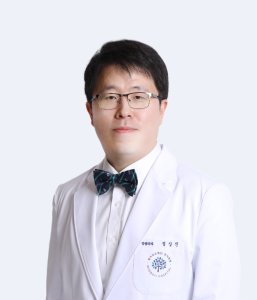
Jung Sang Jin
Dr. Jung Sang Jin is a Clinical Professor of Orthopedic Surgery at Myongji Hospital, an educational partner of Hanyang University. He specializes in joint replacement, knee conditions, lower-extremity trauma, diabetic foot, arthritis, and osteoporosis.
He earned his MD and MSc from Konyang University. He completed his internship and orthopedic residency at Konyang University Hospital. He then finished a hip and knee arthroplasty clinical fellowship at Samsung Medical Center. He also completed AO Recon advanced arthroplasty training in Davos. In addition, he finished the AO Trauma Masters and AO Recon Hip and Knee courses. He is a member of the Korean Orthopaedic Association, Korean Knee Society, Korean Fracture Society, Korean Society of Sports Medicine, Korean Hip Society, and AO Trauma and AO Recon. He has published on hip replacement outcomes. He received a KOA poster award in 2023.
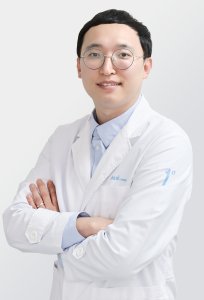
Woo Kyung Kwak
Dr. Woo Kyung Kwak is an orthopedic surgeon at Leadheal Hospital in Seoul. He specializes in minimally invasive bunion correction using the MICA technique. Dr. Kwak also performs total knee arthroplasty and arthroscopic joint surgery. He completed the FIFA Diploma in Football Medicine for sports injury management.
- Completed training at the Arthrex Surgical Skills Laboratory and the AO Trauma course.
- Served as the Chief of Orthopedic Surgery at Armed Forces Daejeon Hospital.
- Maintains membership in the Korean societies for orthopedics, arthroscopy, and sports medicine.
- Acts as a scientific reviewer for international Springer Nature medical journals.
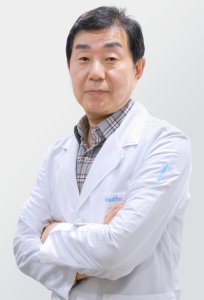
Jang Hyo Kim
Dr. Jang Hyo Kim is an orthopedic surgeon at Leadheal Hospital in Seoul. He specializes in joint preservation and complex reconstruction. He completed a fellowship in Ilizarov external fixation surgery in Russia. Dr. Kim currently serves as the Joint Center Director at Very Good Hospital. He is an adjunct professor at Kyung Hee University.
- Performs arthroscopy and replacement for the shoulder, knee, and hip.
- Treats spinal conditions using instrumentation, fusion, and discectomy.
- Holds TPI therapy certification for muscle and joint pain management.
- Full member of the Korean Orthopaedic Association and the Korean Hip Society.
Reviews about Bookimed: Discover Patients' Insights
All reviewsShare this content
Video Stories from Bookimed Patients
 Anna Leonova
FAQ about Hip replacement in Republic of Korea
What is the success rate and quality of care for hip replacement in Republic of Korea?
Republic of Korea maintains high success rates for hip replacement. The 5-year implant survival rate reaches 90%–100%. Quality of care is driven by robotic-assisted systems and muscle-sparing techniques at JCI-accredited facilities. Surgeons often specialise in complex femoral head necrosis and advanced arthritis cases.
- Revision rates: Korean revision surgery rates average just 4.2 per 100,000 persons annually.
- Robotic precision: Clinics use computer navigation and MAKOplasty for superior implant alignment and longevity.
- Specialised implants: Local innovations include the Proxima cementless artificial hip for better bone integration.
- Clinical scale: Major hubs like Samsung Medical Center perform over 45,000 surgeries per year.
Bookimed Expert Insight: South Korea’s secret to high success lies in hospital volume and homegrown tech. Leading centres like Ewha Womans University Medical Center developed their own cementless Proxima joints. They have deep vertical expertise and perform thousands of hip procedures each year. This combination results in exceptionally low revision rates for international patients.
Patient Consensus: Patients report high satisfaction with the friendly staff and top-notch equipment in Seoul. Many were impressed by the comfortable rooms and the highly qualified specialist teams.
What techniques are available for hip replacement in Republic of Korea?
Republic of Korea offers innovative hip replacement techniques including robotic-assisted surgery, minimally invasive approaches, and computer-navigated systems. Leading centres like Severance Hospital and Wellton Hospital specialise in these methods. These methods improve implant precision, reduce muscle trauma, and speed up recovery for international patients.
- Robotic systems: da Vinci and Mako systems provide high-precision implant placement for optimal joint alignment.
- Minimally invasive: Techniques first introduced by Wellton Hospital reduce tissue damage and scarring during surgery.
- Computer navigation: Surgeons use real-time digital tracking for exact positioning of prosthetic joints.
- Specialised implants: Ewha Womans University Medical Center developed the Proxima cementless joint for better bone integration.
- Hip arthroscopy: Surgeons perform this minimally invasive diagnostic procedure to treat joint disorders without major incisions.
Bookimed Expert Insight: South Korea leads in joint innovation. This is illustrated by Ewha Womans University Medical Center developing their own cementless Proxima implants. Standard total hip replacement ranges from $40,000 to $50,000. However, choosing a specialised centre often provides access to these proprietary Korean technologies not available elsewhere.
Patient Consensus: Patients in Seoul highlight the highly qualified and friendly hospital staff. They describe the medical equipment and treatment methods as top-notch. Patients find their recovery comfortable during their stay.
How long do I need to stay in Republic of Korea for hip replacement surgery?
Hip replacement patients should plan to stay 14–21 days in the Republic of Korea. This window covers the initial four-day hospital stay, suture removal at 10 days, and crucial early physiotherapy. This ensures a safe long-haul flight back to Australia.
- Hospital stay: Inpatient care usually lasts 3–5 days for gait training and pain management.
- Mobility milestones: Most patients begin walking with assistance within 24 to 48 hours.
- Suture removal: Surgeons typically remove stitches 7–10 days after the procedure.
- Flight safety: Medical clearance for long flights typically requires waiting at least 14 days.
Bookimed Expert Insight: Many Seoul centres like Wellton Hospital use muscle-preserving techniques to speed up discharge. However, Australian patients should not fly before day 14. Bookimed data shows that staying local for the full two-week suture period significantly reduces the risk of deep vein thrombosis. This is crucial for the 10-hour flight home.
Patient Consensus: Staff in Seoul are highly qualified and helpful during the 3–5 day hospital stay. Patients should expect to use a walker for several weeks and plan for professional rehabilitation once back in Australia.
Where are the best clinics for hip replacement in Republic of Korea?
Samsung Medical Center and Asan Medical Center are leading choices for hip replacement in South Korea. They offer robotic-assisted surgery and minimally invasive techniques. Highly specialised centres like Wellton Hospital and Ewha Womans University Medical Center provide expert joint care. They have high-volume surgical experience and offer cementless implants.
- Technological integration: Samsung Medical Center uses digital systems for real-time CT and MRI image sharing during surgery.
- Specialised implants: Ewha Womans University Medical Center developed the Proxima cementless hip joint for faster bone integration.
- Surgical volume: Wellton Hospital ranks first in Seoul for hip replacement volume among specialised orthopaedic facilities.
- Robotic precision: Nanoori Hospital offers MAKOplasty, a robotic-assisted system that improves implant alignment and longevity.
- International support: Asan Medical Center provides free airport transfers and dedicated personal coordinators for foreign patients.
Bookimed Expert Insight: University hospitals offer massive scale. However, specialised centres like Wellton Hospital permit family members to watch live operation feeds. This transparency is unique to South Korea. It reflects the high confidence surgeons have in their minimally invasive protocols.
Patient Consensus: Patients often praise the highly qualified staff and top-notch medical equipment in South Korean hospitals. Rooms are frequently described as very comfortable. The overall treatment methods are considered modern and professional.
What is included in the cost of hip replacement surgery in Republic of Korea?
Hip replacement surgery in the Republic of Korea typically covers the surgical procedure, hospital stays, and pre-operative screenings. Packages often bundle anaesthetist fees, prosthesis costs, and initial physiotherapy. Leading centres in Seoul integrate digital imaging and robotic-assisted technology like MAKOplasty for precise implant placement.
- Medical components: Covers surgeon fees, anaesthesia, and reputable implants such as Stryker or Proxima.
- Hospital stay: Includes several nights in the ward for monitoring and initial recovery.
- Diagnostic tests: Packages usually bundle blood work, X-rays, and CT scans for planning.
- Patient support: Major clinics provide free interpreters and dedicated coordinators for international patients.
Bookimed Expert Insight: While many Seoul clinics offer all-inclusive bundles, the real value lies in the implant technology. Ewha Womans University Medical Center developed the cementless Proxima hip joint, which can speed up bone integration. Choosing a clinic that manufactures or specialises in specific implant types often results in more tailored long-term results.
Patient Consensus: Staff at Korean hospitals are highly qualified and friendly. Patients find the medical equipment and comfortable recovery rooms top-notch. Many recommend confirming if VIP transfers from Incheon Airport are included. Confirming if physiotherapy and wound care are bundled helps avoid extra costs in Republic of Korea.