28 Best Vagus nerve stimulation Clinics in Turkey — AUD Prices

Medically reviewed by
Antonio Russi
How it works
How Much Does Vagus nerve stimulation Cost in Turkey in AUD?
Vagus nerve stimulation in Turkey typically costs from AUD $22,500 to AUD $54,800. The final price depends on the device model, clinic tier, and the neurosurgeon's experience. Packages usually include the implantable device, surgical fees, preoperative testing, and hospital accommodation.
- Device type: Standard or smart generators significantly impact the hardware cost.
- Medical hub: Packages in Istanbul may cost 15–20% more than in regional cities like Antalya.
- Hospital tier: University-affiliated hospitals often charge more for specialized neurosurgical equipment.
- Surgical complexity: The severity of epilepsy or depression can influence the total surgical time.
Bookimed Expert Insight: Choosing specialized neuropsychiatric centers offers excellent value for Australian patients. NP Istanbul Brain Hospital, for instance, is the second-ranked brain hospital in Europe. Full-board packages start around A$35,000 at JCI-accredited clinics like Istinye University Medical Park. These often include 5 to 7 days of hospital stay for careful monitoring. Experienced professors like Dr. Erhan Arslan frequently perform these complex neuromodulation procedures.
| Turkey | Thailand | |
|---|---|---|
| Vagus nerve stimulation | from AUD $22,500 | ≈ AUD $36,100 |
Best Vagus nerve stimulation Clinics in Turkey for Australians: 28 Verified Options and AUD Prices


Valued Med Hub Hospitals
Dogan Gucluhan Guclu



Hisar Hospital Intercontinental
Ertugrul Pinar




Istanbul Florence Nightingale Hospital
Mehmet Osman Akcakaya


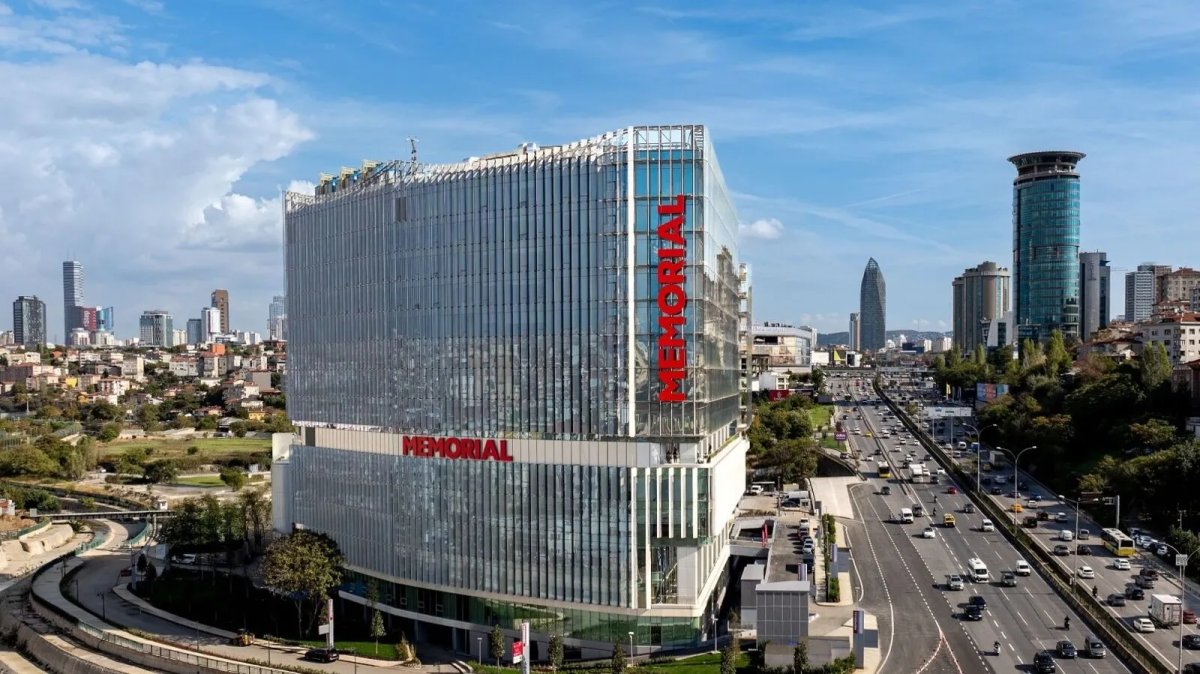
Memorial Göztepe Hospital

Memorial Ataşehir Hospital
Zafer Orkun Toktas


Medical Park Bahcelievler Hospital









Vagus nerve stimulation Overview in Turkey
- Vagus nerve stimulation - from AUD $22,538This therapy sends electrical impulses to the brain, controlling mood and seizure activity, beneficial for psychiatric and epilepsy patients.
- Surgical treatment of epilepsy - from AUD $14,424Brain tissue removal causing seizures, improving patients" quality of life and reducing medicines.
- Medication treatment for epilepsy - from AUD $1,953This therapy uses drugs to control seizures, helping patients lead normal, active lives.
- Bookimed deposit: $200 or €200.
- Clinic deposit: Pay a set percentage in advance.
Our Trusted Doctors for Australian Patients
View all DoctorsErtugrul Pinar
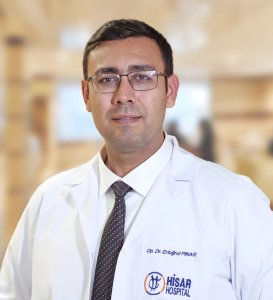
Dr. Ertugrul Pinar is a neurosurgeon at Hisar Hospital Intercontinental in Istanbul. He treats adult and pediatric patients with complex brain and spine diseases. Dr. Pinar focuses on brain tumors, vascular aneurysms, and skull base pathologies. He works at a JCI-accredited hospital that serves over 500,000 patients annually.
- Performs specialized procedures including transnasal tumor resection and brain aneurysm repair.
- Treats a wide range of conditions like pituitary adenomas and arteriovenous malformations.
- Expertise covers both surgical oncology and reconstructive spine surgery for herniated disks.
- Provides care for pediatric neurosurgical cases including hydrocephalus and shunt surgeries.

Erhan Arslan
Dr. Erhan Arslan is a neurosurgeon at VM Medical Park Pendik Hospital in Istanbul. He achieved his professorship in 2020. Dr. Arslan specializes in brain aneurysm repair and tumor surgery. He treats complex conditions like spinal stenosis and moyamoya disease. Dr. Arslan practices at a JCI-accredited facility.
- Performs minimally invasive and pediatric neurosurgical procedures.
- Expert in deep brain stimulation and anterior cervical discectomy.
- Published research on brain tumors and spinal cord ischemia in prestigious journals.
- Member of the Turkish Neurosurgery Association.

Mehmet Tonge
Specializes in Stereotactic & Functional Neurosurgery – Dr. Tonge leads Medipol University's Parkinson’s and Movement Disorders Center.
- Completed Deep Brain Stimulation Fellowship in Maastricht
- 32 publications on Stereotactic and Functional Neurosurgery
- Member of WSSFN and ESSFN
- Board member of Turkish Neurosurgical Society

Dogan Gucluhan Guclu
Specializes in advanced neurosurgical techniques, including Gamma Knife surgery, at VM Medical Park Florya Hospital.
- Over 23 years of neurosurgery experience
- Expert in minimally invasive and endoscopic brain tumor surgeries
- Skilled in pediatric neurosurgery for conditions like spina bifida
- Published extensively on spinal surgery and brain tumor management
Video Stories from Bookimed Patients
Reviews about Bookimed: Discover Patients' Insights
All reviewsShare this content
 Anna Leonova
FAQ about Vagus nerve stimulation in Turkey
What conditions are treated with Vagus Nerve Stimulation in Turkey?
Vagus Nerve Stimulation (VNS) in Turkey primarily treats drug-resistant epilepsy and treatment-resistant depression. Leading neurosurgery centres in Istanbul also use VNS for obsessive-compulsive disorder (OCD) and chronic migraines. Specialists typically recommend VNS when medications or traditional surgeries fail to control symptoms effectively.
- Drug-resistant epilepsy: Controlled via implanted pulse generators for both adult and paediatric patients.
- Refractory depression: Used for chronic major depressive disorder when psychological therapies prove insufficient.
- Neuromodulation: Specialised clinics apply VNS as adjunctive therapy for severe, refractory OCD.
- Emerging applications: Non-invasive transcutaneous VNS (t-VNS) supports post-stroke rehabilitation and anxiety reduction.
Bookimed Expert Insight: Turkey’s neurosurgical capacity is high. Surgeons like Dr. Atilla Yilmaz have performed 1,000+ neuromodulation procedures. VNS packages range from $15,000 to $36,500. However, many Australian patients choose Turkey. This is because these costs often include full-board hospitalisation and professional interpreters.
Patient Consensus: Patients in Turkey report significant seizure reduction and normal encephalogram results after device connection. Families find the process clear and appreciate the support from interpreters and clinic staff.
Which are the top hospitals and medical centres for VNS in Turkey?
NP Istanbul Brain Hospital, Memorial Bahçelievler, and Medipol Mega University Hospital are top-tier centres for Vagus Nerve Stimulation (VNS) in Turkey. These JCI-accredited facilities specialise in drug-resistant epilepsy and neuromodulation. They feature 3T MRI diagnostics and multidisciplinary teams of neurosurgeons and neurologists.
- Clinic accreditations: Leading centres hold JCI and ISO certifications. They meet global patient safety standards.
- Specialist expertise: Surgeons like Assoc. Prof. Atilla Yilmaz have performed 1,000+ neuromodulation procedures.
- Comprehensive packages: Packages often bundle surgical fees, full board, and airport transfers for A$34,500–A$44,200.
- Diagnostic technology: Facilities use 3 Tesla MRI and long-term video-EEG for precise device programming.
Bookimed Expert Insight: Istanbul hospitals dominate this field because they function as regional training hubs. For example, Dr. Ersoy Kocabicak at Atlas University Hospital is a founding board member of the International DBS Association. Choosing a university-affiliated hospital gives access to surgeons who actively teach these complex neuromodulation techniques to other specialists.
Patient Consensus: Patients in Turkey report significant seizure reduction and normal encephalogram results following VNS surgery. International visitors appreciate the clear explanations from neurologists. They also value the seamless support provided by dedicated interpreters and clinic staff.
How long is the recovery and stay required in Turkey after the VNS procedure?
Vagus nerve stimulation in Turkey requires a hospital stay of 5 to 7 days. Some clinics, however, allow discharge within 24 hours. Patients generally need 2 to 5 days locally for wound checks. Initial recovery takes 1 to 2 weeks before resuming light daily activities.
- Hospital stay: Turkish neurosurgical packages typically include 5 to 7 nights of monitored inpatient care.
- Local stay: Specialists recommend staying in Istanbul for 2 to 5 days for post-operative reviews.
- Initial recovery: Neck and chest soreness usually subsides within 7 to 14 days after implantation.
- Device activation: Surgeons often wait 10 to 14 days post-surgery before initial programming and titration.
- Physical restrictions: Heavy lifting must be avoided for at least 4 to 8 weeks post-op.
Bookimed Expert Insight: Bookimed data shows a major difference between standard medical advice and all-inclusive packages. Basic clinical guidelines suggest same-day discharge. However, top Turkish clinics like VM Medical Park Pendik Hospital bundle 7 full days of hospitalisation. This extended stay guarantees close monitoring by the surgical team before the patient flies home.
Patient Consensus: Turkish patients report neck pain for 4 days and chest sensitivity for 2 weeks. Most feel functional after 7 days. However, many found incision areas remained tender for nearly a month.
What do medical travel packages for VNS in Turkey typically include?
Vagus nerve stimulation packages in Turkey include the programmable stimulator device, neurosurgeon fees, and pre-operative neurological diagnostics. These all-inclusive bundles typically cover 5 to 7 days of full-board hospitalisation, VIP airport transfers, and language assistance. Packages in Istanbul clinics range from $15,000 to $36,500.
- Surgical components: Includes the pulse generator device, lead wires, and theatre fees.
- Clinical team: Covers consultations with neurosurgeons and specialised anaesthetist fees.
- Hospital stay: Provides 5–7 nights of full-board inpatient care in private rooms.
- Logistics: Features VIP transfers between the airport, hotel, and accredited medical centres.
Bookimed Expert Insight: Leading centres like Istanbul Florence Nightingale Hospital bundle the initial device programming session, which occurs roughly one week after surgery. This allows for correct calibration before patients fly back to Australia.
Patient Consensus: Patients value how interpreters manage every hospital interaction and explain each step clearly. The transition from surgery to device connection is smooth. This often results in immediate improvements to seizure control.