11 Best Multiple subpial transections Clinics in Turkey — AUD Prices


Medically reviewed by
Fahad Mawlood
How it works
How Much Does Multiple subpial transections Cost in Turkey in AUD?
Multiple subpial transections in Turkey typically cost between AUD $18,900 and AUD $27,900. The final price depends on the complexity of the epilepsy case, pre-surgical brain mapping, and the specific clinic tier.
- Extratemporal resections: AUD $18,900 to AUD $27,900 for complex epilepsy surgery cases.
- Advanced neuro-imaging: Typically included in packages to map seizure foci precisely before the procedure.
- Neurological monitoring: Often covers intraoperative EEG to monitor brain activity during the transection process.
- Post-operative hospital stay: Standard packages usually include five days of inpatient care for recovery.
Bookimed Expert Insight: While base prices are competitive, the real value lies in the technology available at large Istanbul centres. Medipol Mega University Hospital uses intraoperative MRI and O-arm systems for high-precision mapping. Specialist packages, like those at Memorial Healthcare Group, typically run about A$35,900. These include transfers and five days of hospitalisation, which is vital for monitoring post-surgical seizure control.
| Turkey | Thailand | |
|---|---|---|
| Multiple subpial transections | ≈ AUD $18,900 | ≈ AUD $16,600 |
Best Multiple subpial transections Clinics in Turkey for Australians: 11 Verified Options and AUD Prices




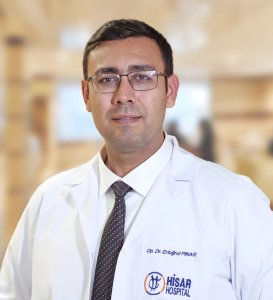
Hisar Hospital Intercontinental
Ertugrul Pinar




Memorial Şişli Hospital
Nabi Gokhan Ferahcan








Neurosurgeon Dr. Mehmet Beşir SÜRME
Mehmet Besir Surme


Multiple subpial transections Overview in Turkey
- Vagus nerve stimulation - from AUD $22,658This therapy sends electrical impulses to the brain, controlling mood and seizure activity, beneficial for psychiatric and epilepsy patients.
- Surgical treatment of epilepsy - from AUD $14,501Brain tissue removal causing seizures, improving patients" quality of life and reducing medicines.
- Medication treatment for epilepsy - from AUD $1,964This therapy uses drugs to control seizures, helping patients lead normal, active lives.
- Bookimed deposit: $200 or €200.
- Clinic deposit: Pay a set percentage in advance.
Our Trusted Doctors for Australian Patients
View all Doctors
Mehmet Tonge
Dr. Mehmet Tonge specializes in stereotactic and functional neurosurgery, with extensive research and clinical experience in movement disorders and epilepsy surgery.
- Over 22 years of expertise in functional neurosurgery
- Published 32 international articles on stereotactic techniques
- Board member of the Turkish Neurosurgical Society's Stereotactic & Functional Neurosurgery Section
- Fellowship-trained at Zurich University Hospital and Maastricht University
- Active member of WSSFN and ESSFN

Hasan Ozgur Ozdemir
Prof. Dr. Hasan Özgür Özdemir specializes in complex neurosurgical procedures, including multiple subpial transections, at Medical Park Antalya Hospital Complex.
- Over 24 years of experience in neurosurgery
- Expert in endoscopic brain surgery and vascular operations
- First place in Turkish Neurosurgical Society Proficiency Exam
- Member of Turkish Neurosurgical Society and Turkish Medical Association

Ramazan Sari
Associate Professor in Neurosurgery with over 22 years of experience, specializing in complex neurosurgical procedures at Istanbul Florence Nightingale Hospital.
- Specialized in neurosurgery at S.B. Göztepe Training and Research Hospital
- Contributed to establishing the Neurosurgery Department at Medipol University
- Advanced proficiency in English for international patient consultations
- Active in academic teaching and neurosurgery management since 2012

Baris Topcular
Dr. Baris Topcular specializes in neurology with extensive training in Switzerland and Turkey, focusing on complex neurological conditions.
- Graduated from Istanbul University Cerrahpaşa Faculty of Medicine
- Trained at the University of Basel Neurology Clinic
- Works at Istanbul Florence Nightingale Hospital
- Expertise in dementia and movement disorders
Video Stories from Bookimed Patients
Reviews about Bookimed: Discover Patients' Insights
All reviews


Share this content
 Anna Leonova

FAQ about Multiple subpial transections in Turkey
Why are patients travelling to Turkey for Multiple Subpial Transections?
Patients travel to Turkey for multiple subpial transections. The procedure offers a precise surgical solution for drug-resistant epilepsy. This condition cannot be treated with standard resections. The procedure costs between $12,500 and $18,500. This saves Australians up to 82% compared to domestic private costs.
- Functional neurosurgery: Surgeons target focal seizures in eloquent brain areas like speech or movement.
- Technology: Centres use 3 Tesla MRI, intraoperative MRI, and O-arm systems for precision.
- Specialists: Professors like Dr Nejat Akalan have published over 110 scientific papers on neurosurgery.
- Shorter wait times: Private networks in Istanbul provide rapid evaluations compared to Australian public lists.
- JCI accreditation: Major hospitals like Medipol Mega and Memorial hold international gold-standard safety certifications.
Bookimed Expert Insight: While basic epilepsy surgery starts at $9,600, subpial transections require specialised functional neurosurgeons. Medipol Mega University Hospital is a primary destination. This is because its neurosurgery department head, Dr Nejat Akalan, integrates intraoperative MRI. This provides accuracy during these delicate procedures.
Patient Consensus: Lower costs compared to Australia draw many patients to Turkey for complex neurosurgery. The high concentration of specialists allows for thorough comparisons. This also enables faster treatment than at home.
Why is Multiple Subpial Transection performed in critical brain areas for epilepsy patients in Turkey?
Neurosurgeons in Turkey perform multiple subpial transection (MST) to treat refractory epilepsy. They use it when seizure zones overlap with eloquent brain regions. This functional-sparing technique severs horizontal nerve fibres. This stops seizure spread but preserves vertical columns. These columns control movement, speech, and sensation.
- Functional preservation: MST protects vertical neuronal columns and blood supply in critical brain areas.
- Selective disruption: Surgeons make shallow cuts to interrupt horizontal pathways that synchronise epileptic activity.
- Eloquent mapping: Specialists use intraoperative MRI and O-arm systems to precisely map seizure zones.
- Surgical alternative: MST serves as a non-resective option when removing brain tissue risks permanent disability.
Bookimed Expert Insight: Turkish neurosurgery departments often combine MST with technologies like the O-arm system or intraoperative MRI. Prof. Nejat Akalan at Medipol Mega University Hospital uses these tools. They let him verify the seizure focus in real-time. With this high-tech approach, surgeons only sever the pathways necessary to stop seizures while protecting functional tissue.
Patient Consensus: Turkey is a preferred destination for epilepsy patients. Surgeons there offer function-sparing options like MST when traditional resection is too risky. Families find relief knowing that detailed surgical planning prioritises speech and motor control during brain surgery.
Which hospitals and specialists in Turkey are known for epilepsy and functional neurosurgery?
Turkey excels in epilepsy and functional neurosurgery through JCI-accredited tertiary centres that integrate neurology and neurosurgery departments. Leading hospitals like Memorial Bahçelievler and Medipol Mega use 3T MRI and intraoperative monitoring. They perform complex procedures such as multiple subpial transections and deep brain stimulation.
- Integrated care: Major hospitals house neurology, imaging, and neurosurgery departments under one roof.
- Advanced technology: Centres use 3T MRI, ROSA robotic assistance, and O-arm systems for precision.
- Expert specialists: Prof. Nejat Akalan and Dr Tahsin Ali Zirh lead complex functional neurosurgery teams.
- Accredited facilities: Memorial Bahçelievler and Medipol Mega hold JCI accreditation for high safety standards.
Bookimed Expert Insight: Turkish neurosurgery success relies on high-volume academic centres rather than standalone clinics. Medipol Mega University Hospital serves over 1,000,000 patients annually. This massive scale allows surgeons like Prof. Nejat Akalan to specialise deeply in sub-types like pharmacoresistant epilepsy surgery.
Patient Consensus: Large private hospital groups in Istanbul and Ankara are preferred for brain procedures. Patients value having EEG, MRI, and surgery coordinated in one location. Most recommend choosing established hospital brands that provide personal coordinators and airport transfers.
What is a Multiple Subpial Transection (MST) and how is it performed in Turkey?
Multiple subpial transection is a surgical procedure for drug-resistant epilepsy that preserves vital brain areas. Surgeons make shallow, parallel cuts through the grey matter to disconnect horizontal seizure pathways. This technique maintains vertical neural connections responsible for movement, speech and vision.
- Surgical approach: Surgeons perform a craniotomy to access the brain surface and designated gyrus.
- Nerve disconnection: Fine micro-instruments create precise cuts spaced 4 to 5 mm apart across the focus.
- Precise navigation: Teams use computer-assisted neuronavigation systems like Brainlab for accurate surgical mapping.
- Real-time monitoring: Intraoperative electrocorticography records direct brain activity to verify the seizure focus boundaries.
- Hospital recovery: Most patients stay in hospital for 5 days for monitoring and rehabilitation.
Bookimed Expert Insight: Turkish university hospitals often provide better value for complex epilepsy surgeries than general private clinics. Packages at major networks like Memorial average A$35,400. Medipol Mega University Hospital, however, offers access to specialised interventional neuroradiology and 35 operating theatres. This infrastructure is vital for managing medically refractory cases that need multiple surgical approaches.
Patient Consensus: Patients find the remote pre-assessment through document exchange helpful for planning their travel from Australia. They recommend confirming the neuro-intensive care unit backup. They also suggest discussing post-operative follow-up plans before arriving in Turkey.