
4.7
(6 reviews) 34 years of experience
20000 treatments
Droopy Eyelid (Ptosis) Surgery by Professor Performing 1,000+ Eyelid Procedures Annually — Remote Monitoring
In Turkey, hooded eyelid surgery typically costs from AUD $2,136 to AUD $4,272. Prices primarily depend on the surgeon's experience, clinic location in hubs like Istanbul or Antalya, and the complexity of the correction. Patients save around 62% compared to Australia, where the average cost is AUD $8,544. Packages often include preoperative tests, local anaesthesia, follow-up exams, and language assistance.
Bookimed Expert Insight: Choosing a specialist hospital over a general clinic can offer superior surgical results. For instance, Dr. Ahmet Satici at Private Bagcilar Safak Hospital has performed over 20,000 cases. A specialised ptosis correction package with a professor like Dr. Satici costs approximately A$6,720. This includes remote monitoring and comprehensive consultations, ensuring expert care for complex hooded or droopy eyelid cases.
| Turkey | Thailand | South Korea | |
| Hooded eyelid surgery | from AUD $2,136 | from AUD $2,563 | from AUD $1,424 |
Dr Muhammet Mustafa Aydinol is a specialized reconstructive surgeon based at Dr. MED in Istanbul, where he leads aesthetic and corrective facial procedures.
Dr Atilla Hacilar is a senior plastic surgeon at CE International Hospital who specialises in refined facial rejuvenation and corrective eyelid procedures.
Professor Cemal Firat is a highly qualified specialist in reconstructive and aesthetic surgery at Medical Park Antalya Hospital Complex. He holds the rank of Professor, representing the highest level of academic and clinical seniority in the Turkish medical system.
Associate Professor Burak Özkan is a Fellow of the European Board of Plastic, Reconstructive and Aesthetic Surgery (FEBOPRAS) based at Medipol Acıbadem District Hospital.
Hooded eyelid surgery in Turkey is safe when performed by board-certified specialists at accredited facilities. Many Istanbul clinics hold JCI accreditation. This means they comply with rigorous global safety standards. Surgeons often hold European Board (FEBOPRAS) certifications. Many have performed over 5,000 procedures, providing high technical proficiency for Australian patients.
Bookimed Expert Insight: Many general surgeons perform blepharoplasty. However, the highest safety levels are found with specialists like Prof Dr Ahmet Satici. He includes consultations with an ophthalmologist. This ensures eye health is evaluated alongside cosmetic correction. Such checks are vital for preventing post-operative dry-eye issues.
Patient Consensus: Patients in Turkey suggest confirming exactly which surgeon performs the operation. They advise checking that work is not delegated to a junior clinician. They value remote telehealth monitoring once they return home to Australia.
Turkish plastic surgeons are highly qualified to perform hooded eyelid surgery. Many hold international certifications from the European Board of Plastic, Reconstructive and Aesthetic Surgery (EBOPRAS). Others hold credentials from the International Society of Aesthetic Plastic Surgery (ISAPS). Surgeons commonly perform 1,000+ eyelid procedures annually in JCI-accredited facilities.
Bookimed Expert Insight: While many general plastic surgeons perform blepharoplasty, patients can find specialised ophthalmology-focused practices. Dr Ahmet Satici's practice is one such example. These specialists focus entirely on the eyes. They perform over 1,000 eyelid-specific procedures every year. This often provides more precise functional and aesthetic outcomes for complex hooded cases.
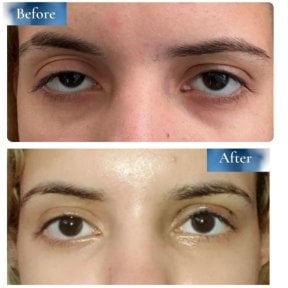
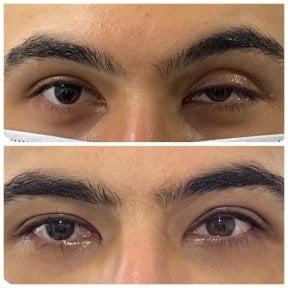
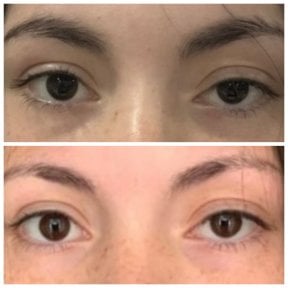
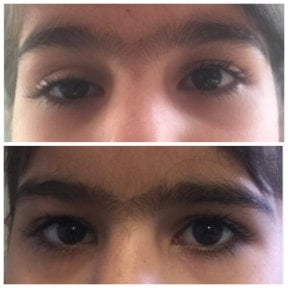
Patient Consensus: Patients in Turkey suggest checking individual board certifications. They also recommend requesting before-and-after photos for mature eyelid anatomy. Many appreciated using telehealth follow-ups and language support to manage their recovery after returning to Australia.
Hooded eyelid surgery in Turkey involves risks such as dry eyes, infection, and asymmetry. Specific complications include lagophthalmos. This occurs when removing excessive skin prevents the eye from closing properly. Most clinics manage these risks through preoperative screenings. They also use consultations with ophthalmologists to check ocular health before operating.
Bookimed Expert Insight: While most clinics offer surgery by general plastic surgeons, some Istanbul centres provide ophthalmologist-led eyelid care. Dr. Ahmet Satici at Safak Hospital has performed 20,000+ procedures. Choosing a specialist who uses remote monitoring helps manage recovery safely once patients return to Australia.
Patient Consensus: Turkey patients highlight the importance of discussing conservative tissue removal to avoid over-correction. They found using lubricating drops early and arranging local follow-up with a GP made managing initial dryness easier.
Patients should plan to stay in Turkey for 6 to 7 days for hooded eyelid surgery. This timeframe allows for a consultation, the 1–2 hour procedure, and a final check-up. The surgeon removes stitches before the long-haul flight back to Australia.
Bookimed Expert Insight: Patient data shows most clinics offer outpatient surgery. However, choosing a package with a one-night hospital stay provides better monitoring. Packages at Dr. Safa Manav Clinic offer this benefit. This helps Australians managing significant jet lag alongside surgical recovery.
Patient Consensus: Planning at least 7 days in Turkey provides a buffer for check-ups and rest. Most patients find their swelling settles enough within a week to feel comfortable flying.
Recovery from hooded eyelid surgery in Turkey spans 7 to 14 days for most social activities. Patients usually stay for 7 days. This allows board-certified surgeons to remove sutures before the flight to Australia. Initial swelling and bruising subside within 2 weeks.
Bookimed Expert Insight: Many clinics offer outpatient surgery. Choosing an all-inclusive package at Dr. Safa Manav Clinic provides support during the first 48 hours. This helps Australians recovering far from home without immediate family assistance.
Patient Consensus: Recovery in Turkey involves watery eyes and temporary unevenness. Most patients report appearing presentable within 2 weeks. Expect eyes to look worse before improving. Final symmetry appears after several months of subtle settling.
Hooded eyelid surgery in Turkey leaves minimal scarring. Surgeons place incisions within the natural eyelid crease. These marks are invisible when eyes are open. They typically fade into thin, pale lines. Thin eyelid skin heals quickly due to excellent blood supply in the face.
Bookimed Expert Insight: Turkish specialists often combine hooded eyelid correction with ophthalmological expertise for perfect crease alignment. Dr Ahmet Satici performs 1,000+ eyelid procedures annually and includes ophthalmologist consultations. This dual focus keeps the scar exactly where the natural fold occurs for the most discreet result.
Patient Consensus: Patients in Turkey report that incision lines look like natural folds within months. They recommend viewing long-term before-and-after photos to see how scars completely vanish over time.
Australian Medicare and private health insurance generally exclude coverage for medical procedures performed overseas. Most lid correction surgeries in Turkey are considered elective cosmetic procedures. While costs range from $1,500 to $3,000, patients typically pay out-of-pocket. These services sit outside the Australian healthcare system.
Bookimed Expert Insight: While insurance is unlikely to help, some Turkish clinics provide all-inclusive value. Dr. Safa Manav Clinic and others often bundle airport transfers, pre-operative tests, and follow-up care. This transparency makes budgeting easier for Australians than navigating fragmented local fees.
Patient Consensus: Patients find Turkish clinics accessible with English-speaking staff and simplified booking. Many report that the lower total cost more than offsets the lack of insurance rebates.