12 Best Intraarterial chemotherapy Clinics in Turkey — AUD Prices


Medically reviewed by
Fahad Mawlood
How it works
How Much Does Intraarterial chemotherapy Cost in Turkey in AUD?
Intraarterial chemotherapy in Turkey typically costs from AUD $7,600 to AUD $16,600. Prices depend on the specific cancer type, the number of required cycles, and the complexity of the arterial mapping. In Australia, patients often face significant out-of-pocket costs or long waitlists.
- Number of cycles: Total costs increase with each session required to treat the tumour effectively.
- Diagnostic mapping: Preoperative angiography or PET-CT scans can add 10–15% to the base treatment price.
- City location: Specialist clinics in Istanbul typically cost 15–20% more than those in regional hubs.
- Paediatric cases: Specialist protocols for conditions like retinoblastoma often require unique pricing and multi-disciplinary teams.
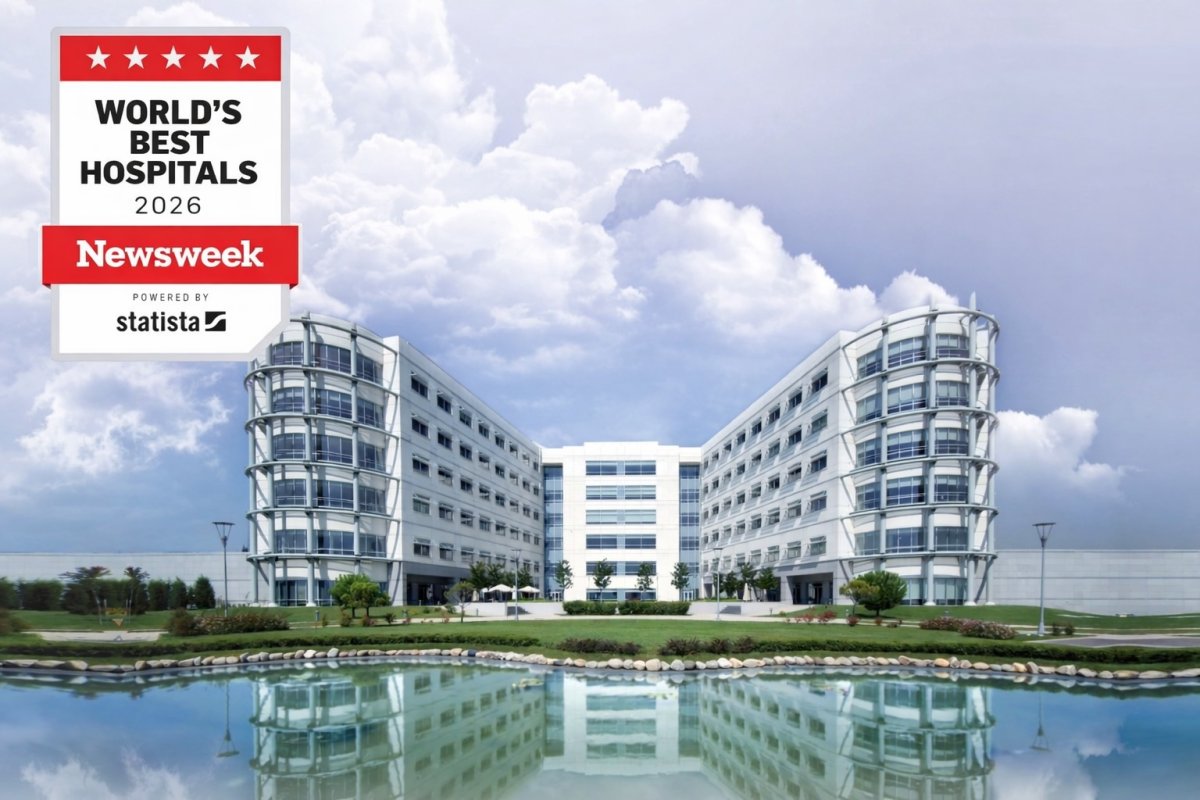
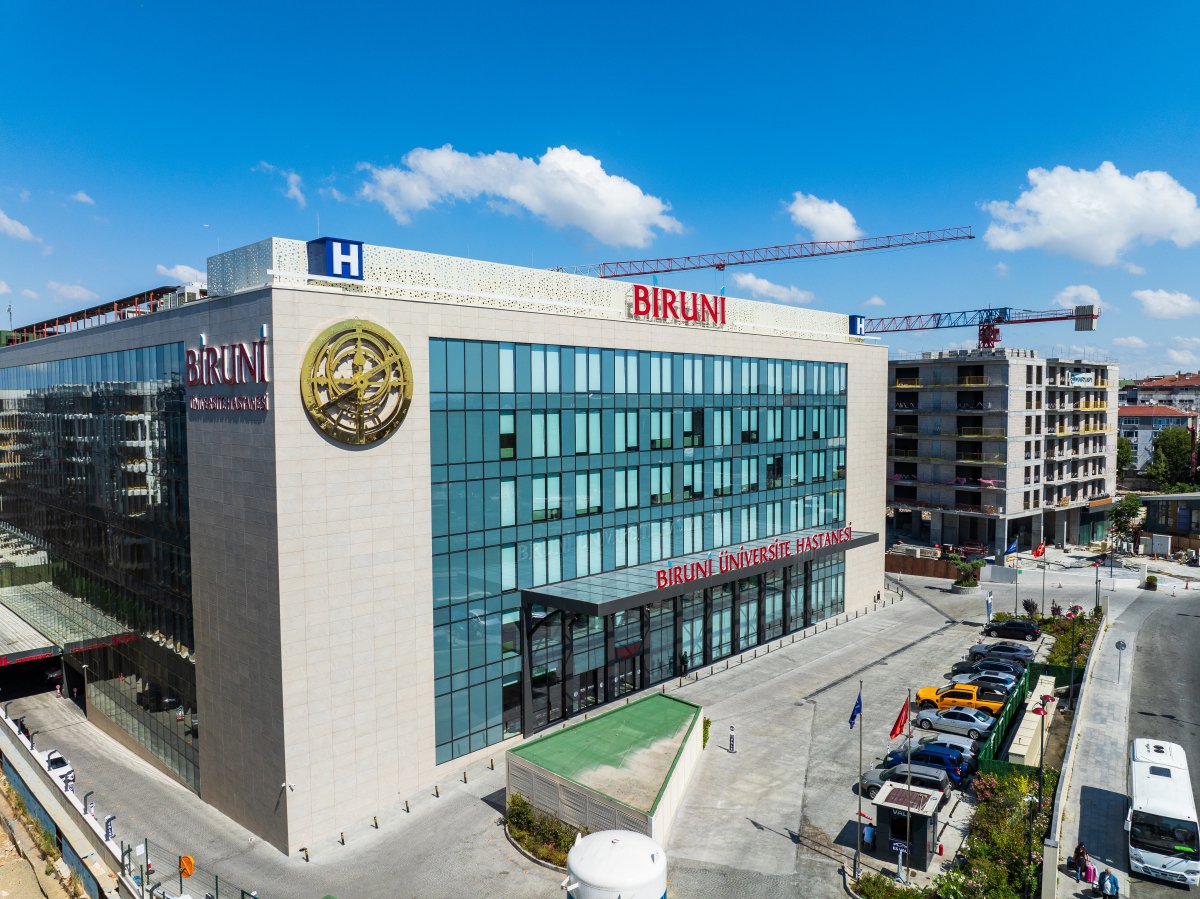
Bookimed Expert Insight: Choosing a Turkish centre with international ties can provide higher value for complex oncology. Anadolu Medical Centre uses Johns Hopkins Hospital protocols, offering globally recognised standards for approximately A$54,000. For Australian families, Biruni University Hospital is a notable choice as it specifically accommodates Australian patients. These facilities often combine diagnostic mapping and hospitalisation into one manageable plan.
| Turkey | Thailand | |
|---|---|---|
| Intraarterial chemotherapy | from AUD $7,600 | ≈ AUD $6,000 |
Best Intraarterial chemotherapy Clinics in Turkey for Australians: 12 Verified Options and AUD Prices





Hisar Hospital Intercontinental
Oguzhan Babacan








Intraarterial chemotherapy Overview in Turkey
- Chemotherapy - from AUD $1,511This therapy treats cancer by using drugs to destroy cancer cells and prevent their growth.
- Hyperthermic Intraperitoneal Chemotherapy (HIPEC) - from AUD $27,189The operation heats chemotherapy drugs and applies them directly inside the belly to kill hidden cancer cells.
- Intraarterial chemotherapy - from AUD $7,553This therapy delivers cancer-fighting drugs directly to the tumor, improving treatment effectiveness and reducing side effects.
- Chemotherapy for liver cancer - from AUD $4,532This therapy targets and kills cancer cells in the liver, using drugs given by mouth or injection.
- Chemoembolization of the liver - from AUD $15,860This therapy combines cancer-killing drugs and blockage of blood supply to shrink liver tumors rapidly and effectively.
- Chemotherapy for lung cancer - from AUD $1,208This therapy utilizes drugs to kill lung cancer cells, often given via injection or oral tablet, enhancing survival rates.
- Chemotherapy for prostate cancer - from AUD $2,266This therapy uses drugs to kill prostate cancer cells, delivered through veins or pills, enhancing survival rates.
- Chemotherapy for uterine cancer - from AUD $4,532This therapy uses drugs to kill cancer cells in the uterus, effectively controlling disease progression.
- Chemotherapy for pancreatic cancer - from AUD $2,266This therapy uses drugs to destroy pancreatic cancer cells, helping to shrink tumors and ease symptoms.
- Chemotherapy for breast cancer - from AUD $7,099This therapy targets and destroys breast cancer cells, using powerful drugs, enhancing survival and recovery rates.
- Chemotherapy for ovarian cancer - from AUD $2,568This therapy treats ovary tumors using drugs specific to kill cancer cells, enhancing survival rates.
- Chemotherapy for esophageal carcinoma - from AUD $2,568This therapy uses potent drugs to kill esophageal cancer cells, preventing their spread and improving patient survival rates.
- Chemotherapy for Brain Tumor - from AUD $1,511This therapy involves using drugs to shrink or kill brain cancer cells, providing an effective, non-surgical option.
- Lymphoma chemotherapy - from AUD $4,985This therapy treats lymphoma by killing cancer cells, using powerful drugs through injection or pill form.
- Leukemia chemotherapy - from AUD $22,054This therapy treats blood cancer using strong medicines, aiming to destroy harmful cells completely.
- Bookimed deposit: $200 or €200.
- Clinic deposit: Pay a set percentage in advance.
Our Doctors
View all Doctors
Muhammet Derda Ozer
Associate Professor Ozer specializes in ocular oncology with advanced training at Wills Eye Institute – a global leader in eye cancer treatment.
- 22 years of experience in ophthalmology
- Expertise in intraarterial chemotherapy for ocular tumors
- Published multiple studies on innovative eye cancer treatments
- Member of Turkish Ophthalmological Association

Ceyhun Bozkurt
Prof. Bozkurt brings 36 years of pediatric oncology expertise, specializing in intraarterial chemotherapy at Medical Park Bahcelievler Hospital.
- Associate Professor in Pediatric Hematology-Oncology
- Trained at Harvard's Dana-Farber Cancer Institute for neuro-oncology
- Vice Director of Stem Cell Transplant Unit
- Published 40+ peer-reviewed articles on childhood cancers
- Member of European Bone Marrow Transplant Group
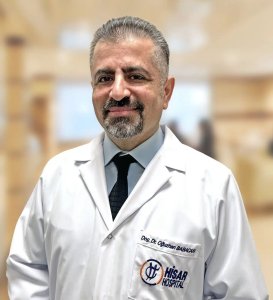
Oguzhan Babacan
Dr. Oguzhan Babacan is a pediatric hematologist-oncologist at Hisar Hospital Intercontinental in Istanbul. He specializes in bone marrow transplantation for children with leukemia and lymphoma. Dr. Babacan has performed allogeneic, autologous, and haploidentical stem cell transplants for 13 years. He treats rare blood disorders and solid tumors in pediatric patients.
- Performs complex bone marrow transplants for leukemia and lymphoma cases.
- Treats childhood blood disorders like thalassemia, hemophilia, and aplastic anemia.
- Expertise in pediatric oncology, including neuroblastoma and Ewing's sarcoma.
- Works at Hisar Hospital, a JCI-accredited facility in Turkey.

Hilmi Apak
Dr. Apak specializes in pediatric hematology-oncology with 26 years of experience, including bone marrow transplantation and CAR T-cell therapy at Biruni University Hospital.
- Head of Pediatric Hematology-Oncology Division at Istanbul University-Cerrahpaşa
- Published 75 international papers on pediatric oncology
- Assistant editor for Turkish Pediatrics Archives Periodical
- Board member of Turkish Pediatric Society
Video Stories from Bookimed Patients
Reviews about Bookimed: Discover Patients' Insights
All reviewsShare this content
 Anna Leonova

FAQ about Intraarterial chemotherapy in Turkey
What are the main advantages and risks of intra-arterial chemotherapy in Turkey?
Intra-arterial chemotherapy (IAC) in Turkey delivers high-dose drugs directly to tumours via micro-catheters. This significantly reduces systemic side effects like fatigue or hair loss. Leading Istanbul centres use this specialised approach for paediatric retinoblastoma and liver malignancies. This often saves organs that might otherwise require radical surgery.
- Drug concentration: Targets tumours with higher doses than standard intravenous routes.
- Systemic toxicity: Spares healthy tissue, reducing bone marrow suppression and nausea.
- Organ preservation: Helps avoid radical enucleation or radiation in paediatric eye cancer.
- Procedural risks: Possible arterial occlusion, thrombosis, or localised haemorrhage during catheterisation.
- Clinical support: Top hospitals like Anadolu Medical Center hold IASIOS interventional oncology certification.
Bookimed Expert Insight: Turkish university hospitals often provide a critical advantage for paediatric cases. They combine interventional radiology with specialised paediatric oncology teams. Prof. Dr. Ceyhun Bozkurt at Medical Park Bahcelievler, for instance, integrates Harvard-level neuro-oncology training into localised delivery protocols. This multidisciplinary setup is vital. Managing the local vascular risks of IAC requires immediate access to imaging and paediatric anaesthesia teams.
Patient Consensus: Patients value the faster access to complex procedures and the willingness of Turkish specialists to take on difficult cases. They recommend choosing established JCI-accredited hospitals for full interventional radiology backup and clear follow-up plans once they return to Australia.
What conditions are commonly treated with intra-arterial chemotherapy in Turkey?
Specialists in Turkey commonly use intra-arterial chemotherapy to treat retinoblastoma, liver tumours, and advanced gastrointestinal cancers. This targeted approach delivers high-dose medication directly to the tumour via the blood supply. It effectively manages localised malignancies in the head, neck, and limbs while sparing healthy tissue.
- Retinoblastoma treatment: Specialists use superselective arterial infusion to save the eye and avoid removal.
- Liver malignancies: Doctors treat primary hepatocellular carcinoma and metastatic gastrointestinal tumours using targeted delivery.
- Gastrointestinal cancers: Patients frequently seek care for colon and gastric cancers with peritoneal spread.
- Soft tissue sarcomas: Surgeons use regional infusion to shrink limb tumours before performing bone-sparing surgery.
- Head and neck tumours: Targeted delivery concentrates medication in the regional blood supply for localised control.
Bookimed Expert Insight: Turkish oncology centres like Anadolu Medical Center and Memorial Antalya often combine intra-arterial delivery with international protocols. While basic chemotherapy costs from $1,000, targeted arterial procedures range from $5,000 to $11,000. This investment typically includes access to specialists with JCI-accredited training and Western-affiliated standards.
Patient Consensus: Patients travelling to Turkey for cancer care often highlight the availability of specialised options for colon and gastric tumours. The ability to access intensive treatment for specific stages of lung cancer is also a common theme.
What is intra-arterial chemotherapy (IAC) as performed in Turkey?
Intra-arterial chemotherapy (IAC) in Turkey is a minimally invasive technique. It delivers concentrated medication directly into the blood vessel supplying a tumour. Specialists primarily use it to treat retinoblastoma in children. The technique often avoids eye removal or external radiation through high-resolution biplane angiography suites.
- Targeted delivery: Surgeons thread microcatheters into specific arteries to concentrate drugs at the tumour site.
- Childhood cancer focus: The technique achieves primary eye-salvage in over 70% of advanced retinoblastoma cases.
- Reduced side effects: Localised infusion avoids systemic toxicity like hair loss or bone marrow suppression.
- Specialist centres: JCI-accredited facilities like Anadolu Medical Center and Medipol Mega provide interventional neuroradiology.
Bookimed Expert Insight: Turkish oncology centres often combine IAC with diagnostic tools like 640-slice CT scanners. This precision allows specialists like Dr. Ceyhun Bozkurt to treat complex cases while minimising damage to healthy tissue. Patients should confirm the specific interventional neuroradiologist performing the catheterisation to verify high-volume expertise.
Patient Consensus: Families value receiving detailed protocols in writing before travelling to Turkey for oncology care. They suggest confirming follow-up arrangements with Australian GPs to manage recovery after these specialised procedures.
Why is Turkey a popular destination for intra-arterial chemotherapy?
Turkey is a leading centre for intra-arterial chemotherapy. This is because it offers rapid access to specialised interventional radiology and JCI-accredited oncology departments. Patients benefit from superselective catheterisation techniques at significant savings. Costs range between $5,000 and $11,000, compared to Australian private healthcare prices.
- Accredited facilities: Leading centres like Anadolu Medical Center hold IASIOS certification for interventional oncology.
- Expert specialists: Surgeons like Associate Professor Muhammet Derda Ozer have performed 25,000+ specialised procedures.
- Technology: Hospitals use 640-slice CT scanners and MR-LINAC for precise tumour targeting.
- Immediate access: Private Turkish hospitals provide rapid scheduling, avoiding long waiting lists for oncology.
Bookimed Expert Insight: Turkish university hospitals often provide the best value for complex interventional procedures. For instance, Biruni University Hospital operates 70 departments. It has a hybrid operating theatre specifically designed for catheter-directed therapies. This high-volume environment helps medical teams maintain sharp technical precision for superselective chemotherapy delivery.
Patient Consensus: Patients in Turkey appreciate the speed of receiving targeted treatment plans. They also value the specialised attention from private hospital coordinators. They value the ease of arranging second opinions. They also appreciate the comprehensive support provided for international arrivals.