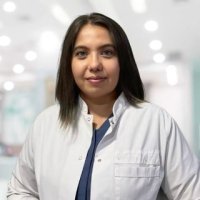

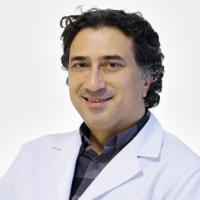
Medically reviewed by
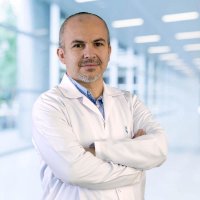
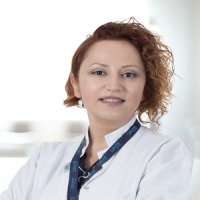
Ergin Er
A tummy tuck in Turkey typically costs from AUD $3,000 to AUD $5,900. Prices vary based on the surgical technique, the surgeon's experience, and the extent of skin removal required. Most Turkish packages include hospitalisation, hotel stays, VIP transfers, and follow-up care.
Bookimed Expert Insight: Choosing high-volume clinics provides significant value beyond the base price. Specialists like Dr. Ergin Er and Dr. Hasan Sahin have performed over 10,000 procedures each. Packages around A$7,600 often include 5-star accommodation and comprehensive post-op care. Some clinics, like Dr. MED, offer VASER liposculpture with a 99.5% success rate. This level of specialisation is often more accessible in Turkey than in Australia.
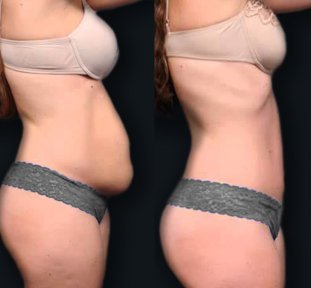
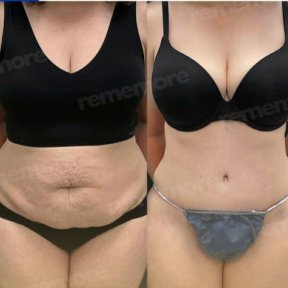
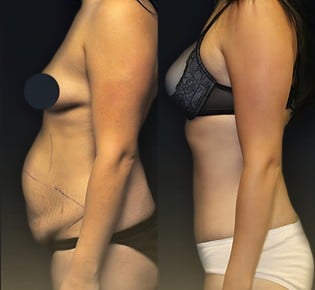


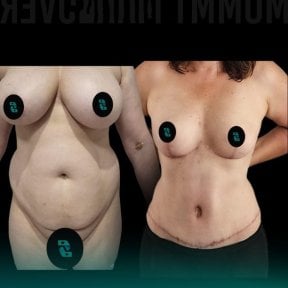
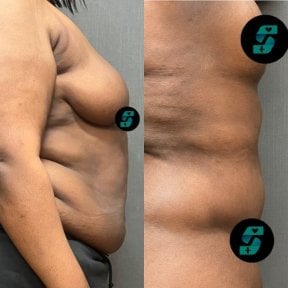
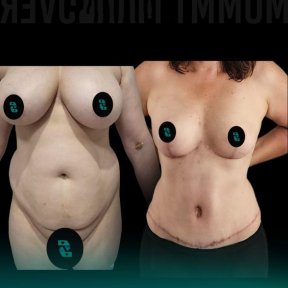
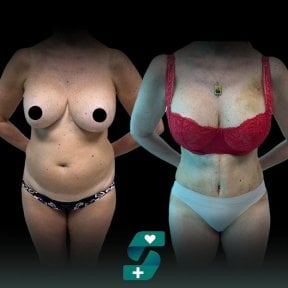
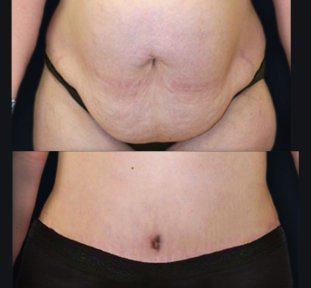

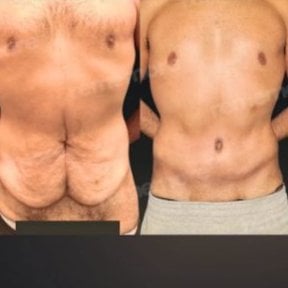




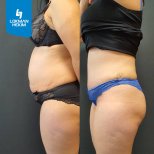
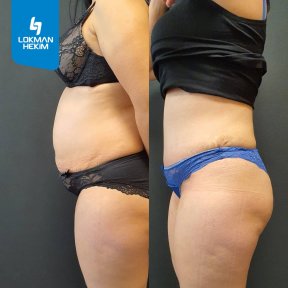
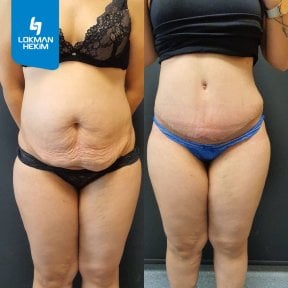
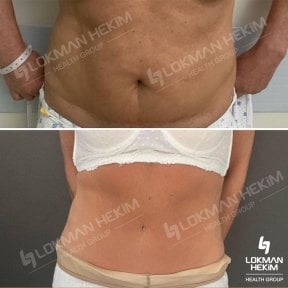
Dr. Yaman performs 500-600 procedures annually, specializing in natural-looking results for body contouring at Lokman Hekim Istanbul Hospital.
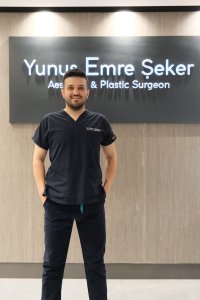
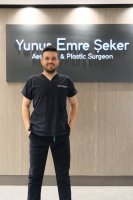
Dr. Yunus Emre Seker is a plastic surgeon at Soraca Med in Antalya. He participated in the world’s first successful uterus transplant surgical team. He also helped perform the first double-arm transplant in Turkey. Trained under Prof. Ömer Özkan, a global pioneer in reconstructive transplantation. Dr. Seker specializes in ethnic rhinoplasty and facial rejuvenation.
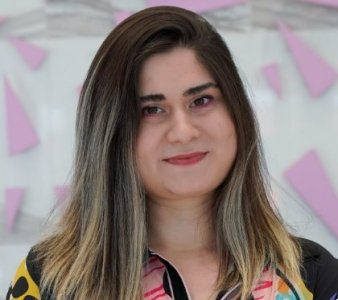
EBOPRAS-certified plastic surgeon – Dr. Pasazade combines European standards with individualized care for natural-looking tummy tuck results.

Dr. Aydinol is a member of prestigious plastic surgery societies, including the International Society of Aesthetic Plastic Surgery.







 Anna Leonova

Tummy tuck surgery in Turkey follows standard medical protocols. The primary risks are fluid collection, infection, and delayed wound healing. High-volume centres like Dr. MED Clinic and Memorial Healthcare Group mitigate these risks. They use JCI-accredited facilities and experienced surgeons. For example, Dr. Ergin Er has performed 10,000+ procedures.
Bookimed Expert Insight: Data across high-volume Istanbul clinics shows a clear pattern. The most successful outcomes occur when patients stay in Turkey for 10–14 days. Many packages, like those at Lokman Hekim, include only 3 hospital nights. However, the most experienced surgeons recommend a longer local stay. This way, drains are out and wounds are stable. Patients can then safely take the 20-hour flight back to Australia.
Patient Consensus: Patients in Turkey find the first 15 days of recovery physically demanding. Standing straight remains a major challenge. They suggest arranging a travel companion. They also suggest securing wholemeal snacks and laxatives immediately after surgery. This helps manage early post-operative discomfort.
Recovery after a tummy tuck in Turkey requires 1 to 3 days in hospital. This is followed by at least 1 week of local rest before flying home. Surgeons often perform muscle repair and liposuction simultaneously. Most patients return to light duties within 14 days and see full results after 3 months.
Bookimed Expert Insight: Bookimed data shows that packages from clinics like Memorial Bahçelievler often include 7 nights. These are in a 5-star hotel. This surplus time is vital. The most serious complications generally occur within the first 14 days. Staying longer in Turkey allows the surgeon to monitor the initial healing phase. This happens before patients board a long-haul flight.
Patient Consensus: Recovery in Turkey involves intense early soreness and difficulty moving. Patients recommend packing laxatives and button-up clothes. Most felt significantly better after 3 weeks. They appreciated the 24/7 WhatsApp support from their Turkish medical teams.
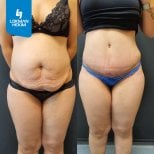
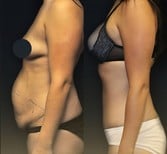
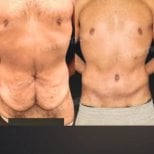
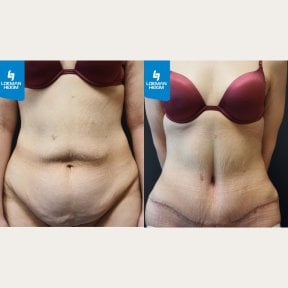
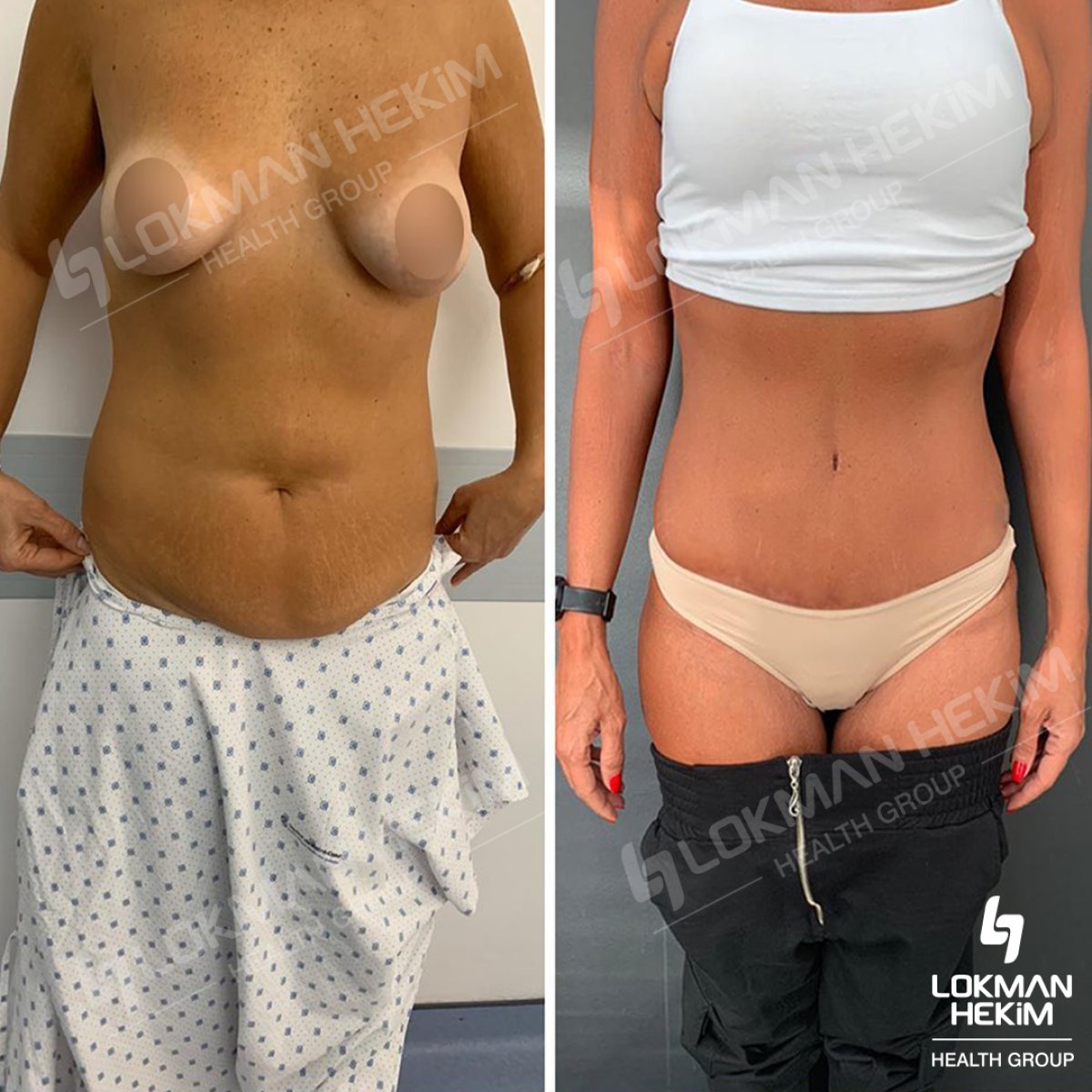
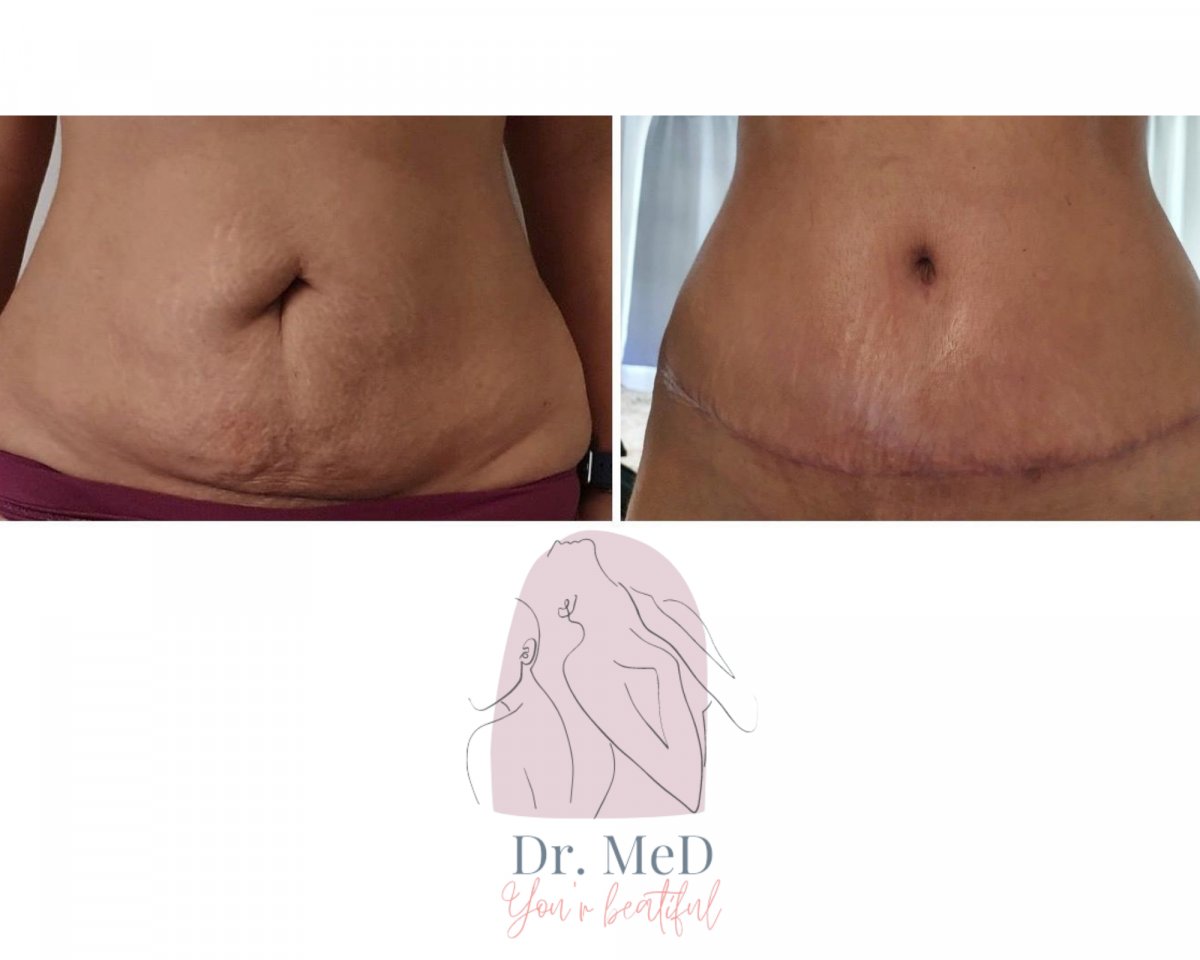
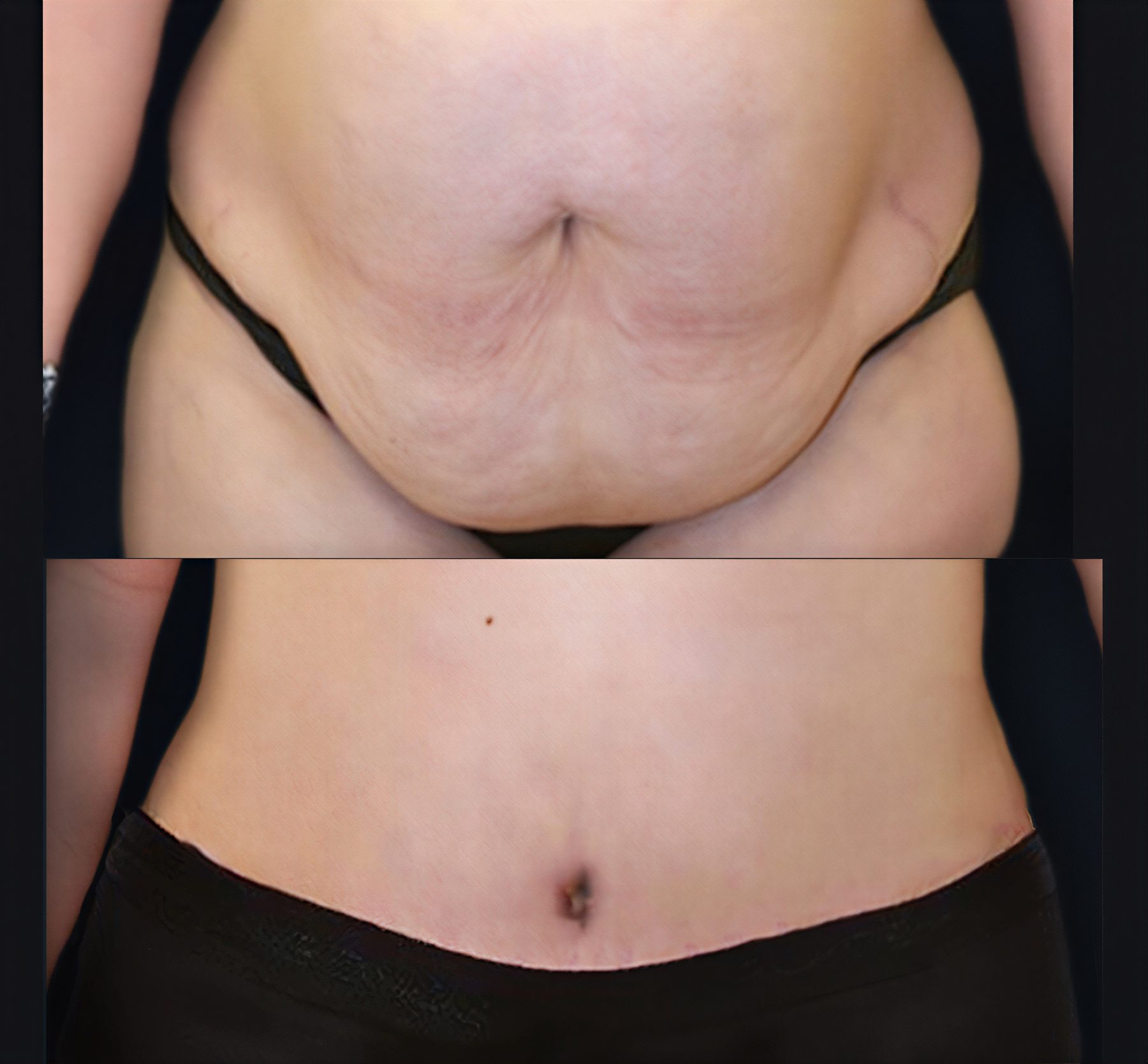
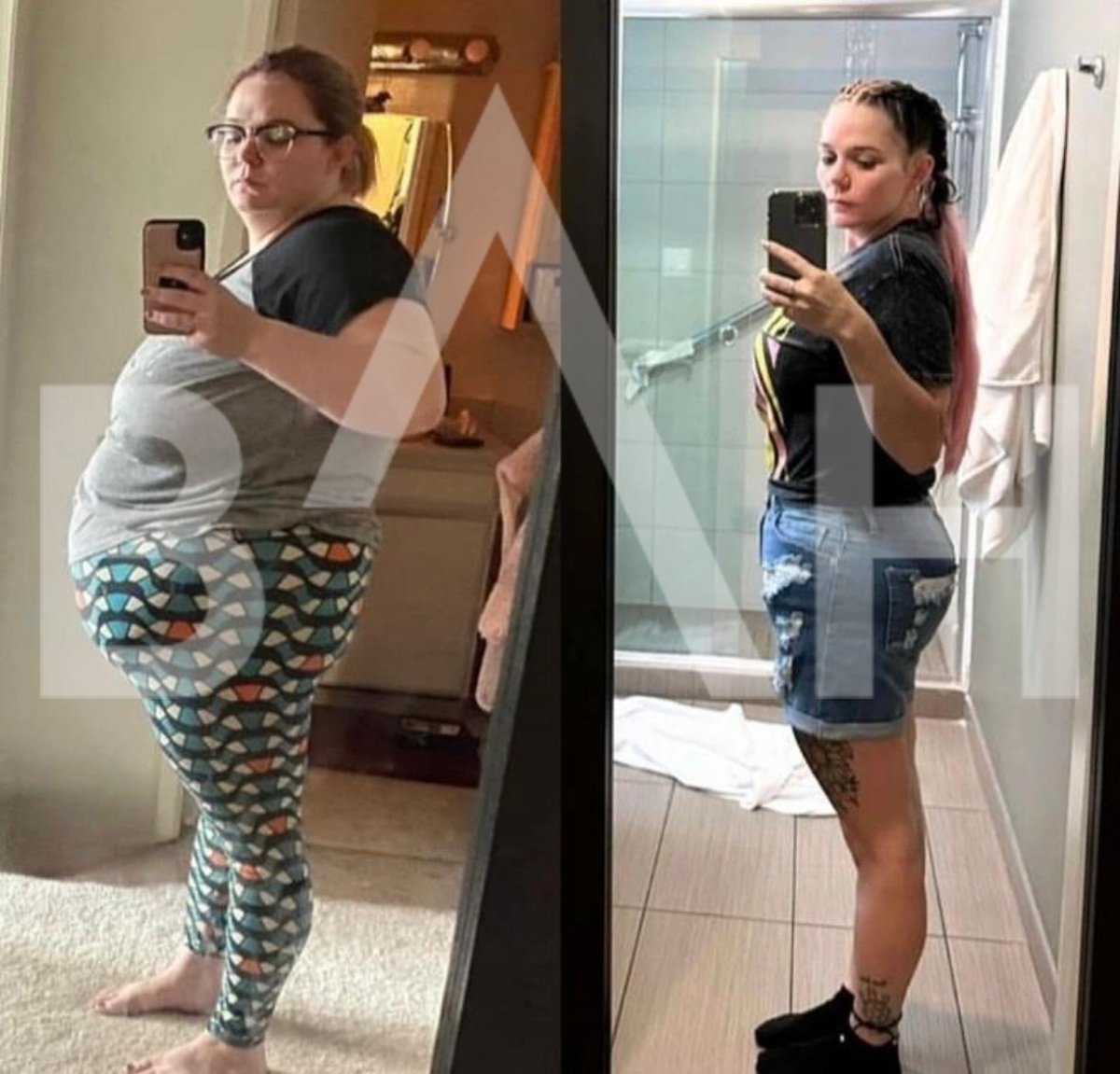
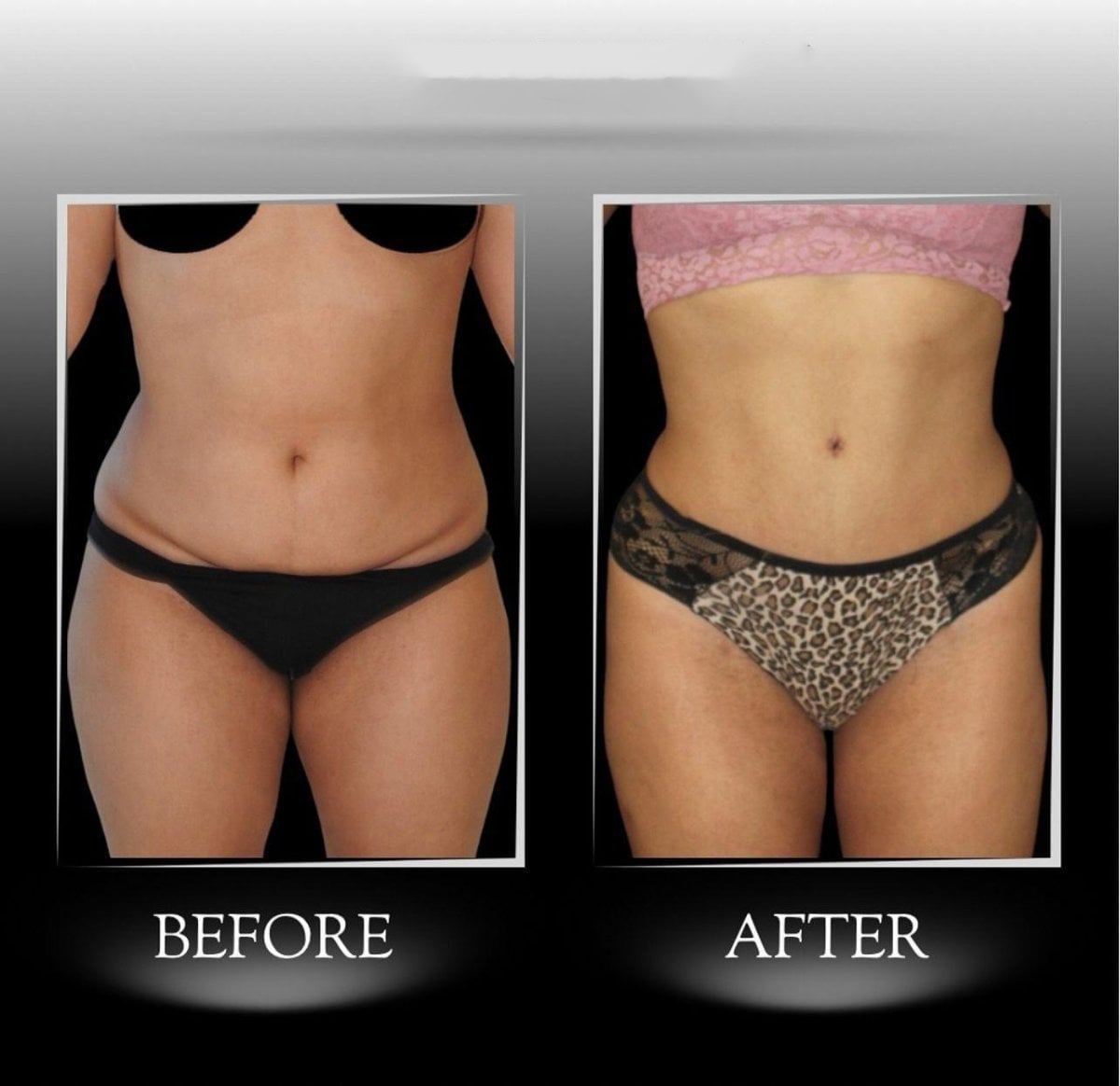
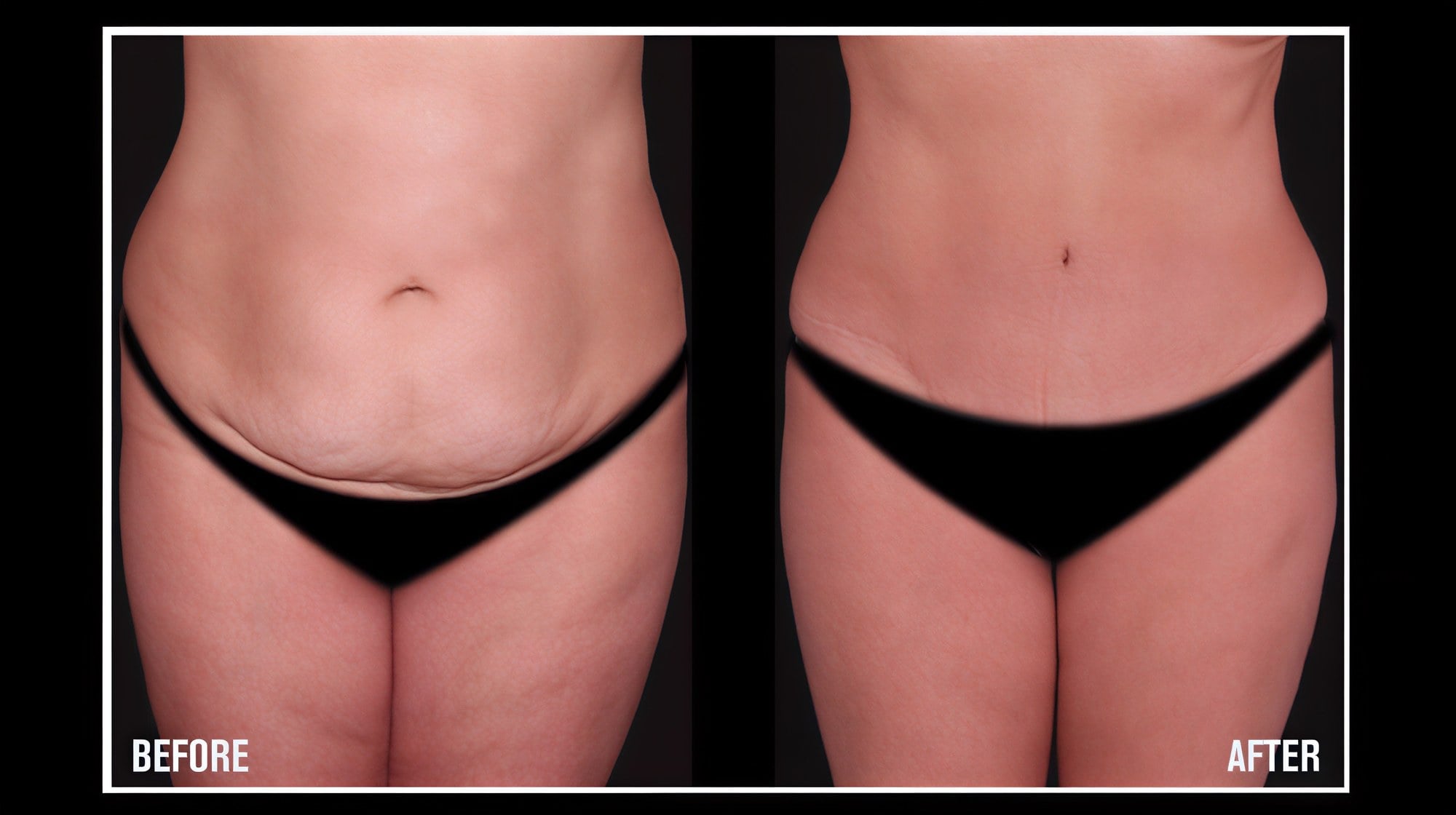
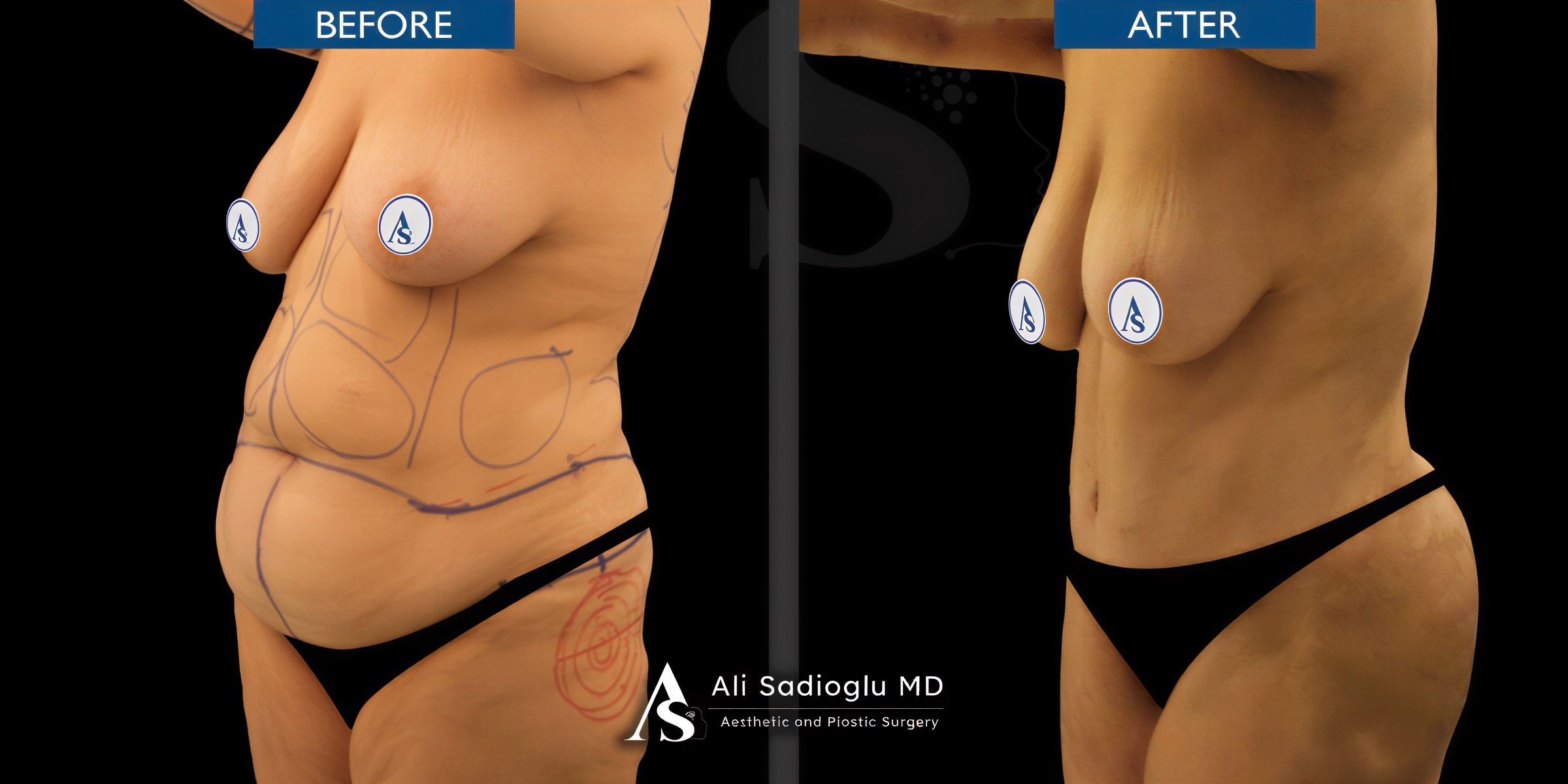
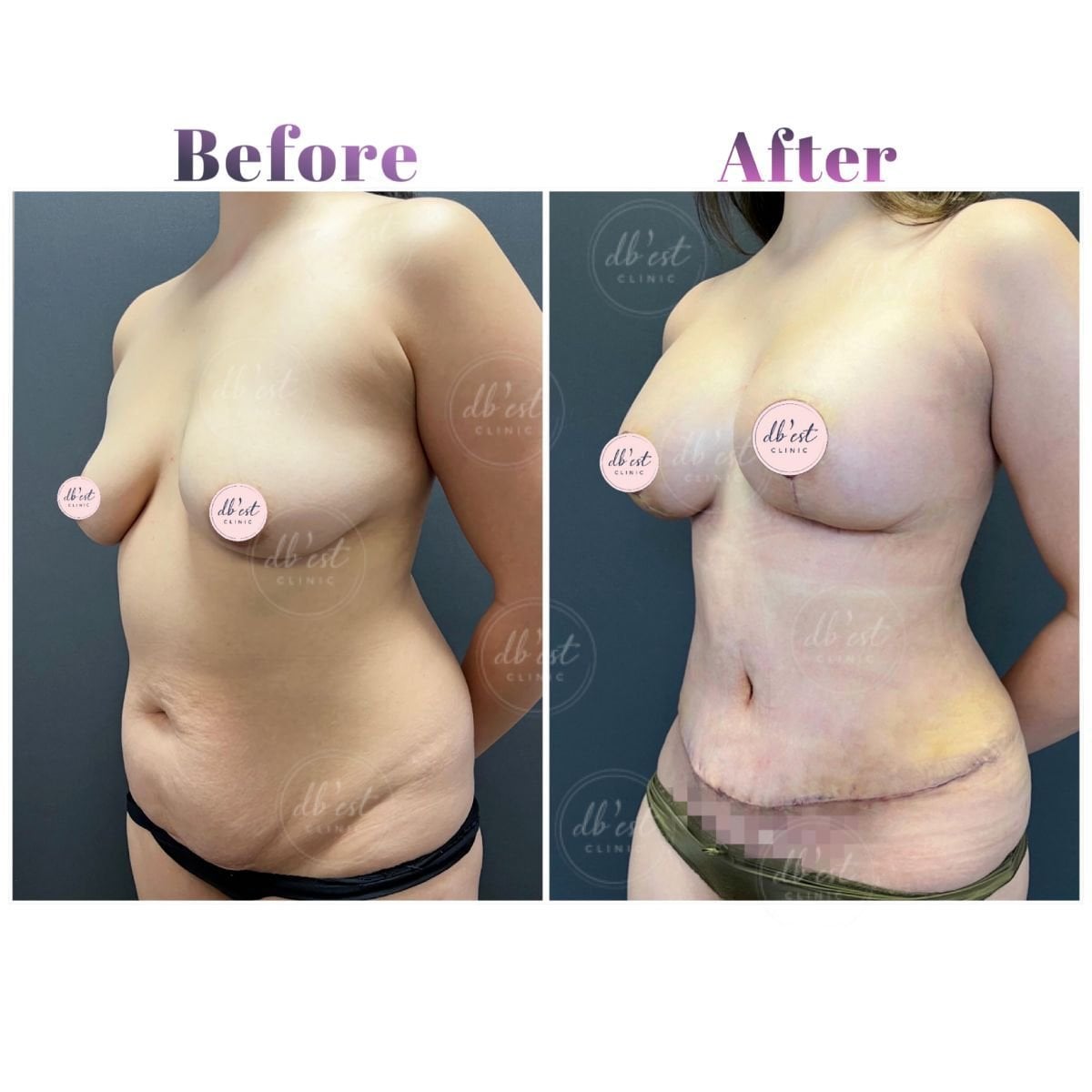
Scarring is unavoidable after a tummy tuck in Turkey, as surgeons must remove excess skin and tissue. Specialist surgeons usually place incisions low on the abdomen. They typically place them within the bikini line, so the scars are hidden by underwear or swimwear. Scars generally fade and mature over 12–18 months.
Bookimed Expert Insight: Patient data shows that the most successful "hidden" results come from combining a tummy tuck with 360° liposuction. This approach prevents "dog ears" or skin folds at the edges of the scar. Some providers even offer scar-reduction laser treatments as part of premium recovery packages.
Patient Consensus: People in Turkey often find their incisions are cleaner than expected and fade into a thin line. Patients should book airport wheelchair assistance. Walking long distances after surgery is very difficult. Patients should prepare with wholemeal snacks and probiotics. This helps manage the unique physical demands of initial recovery.
Most patients spend 7–10 days in Turkey after a tummy tuck. This timeframe covers 1–2 days of hospitalisation and initial post-operative checks. During this period, surgeons typically remove drains and confirm healing progress. They then clear patients for the flight back to Australia.
Bookimed Expert Insight: Many standard packages only include 5–6 hotel nights. However, Bookimed data shows that patients who choose 7–8 night stays have smoother recoveries. Clinics like Memorial Şişli Hospital and Memorial Ataşehir Hospital provide 7 nights as standard. This gives extra time for drain removal without rushing the flight home.
Patient Consensus: Recent patient experiences in Turkey show that the first week is physically demanding. Standing upright feels difficult. Using wheelchair assistance at Istanbul’s large airport makes the journey home manageable. This is especially helpful when travelling solo.
Turkey is a major hub for abdominoplasty because it combines internationally recognised expertise with all-inclusive care. Patients access board-certified surgeons like Dr Ergin Er, who has performed 10,000+ procedures, and JCI-accredited facilities in Istanbul for a fraction of Australian private healthcare costs.
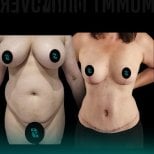
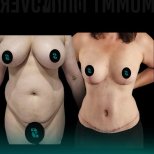
Bookimed Expert Insight: Bookimed data shows high-volume clinics like Dr. MED Clinic report a 98.5% success rate for mommy makeovers. Choosing a clinic that treats 4,000+ international patients annually often comes with dedicated 24/7 coordinator support via WhatsApp.
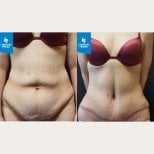
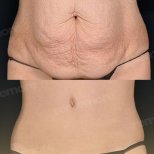
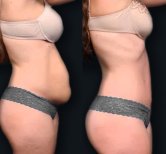
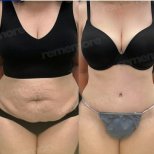
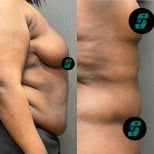
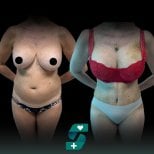
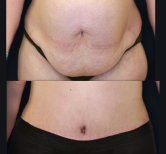
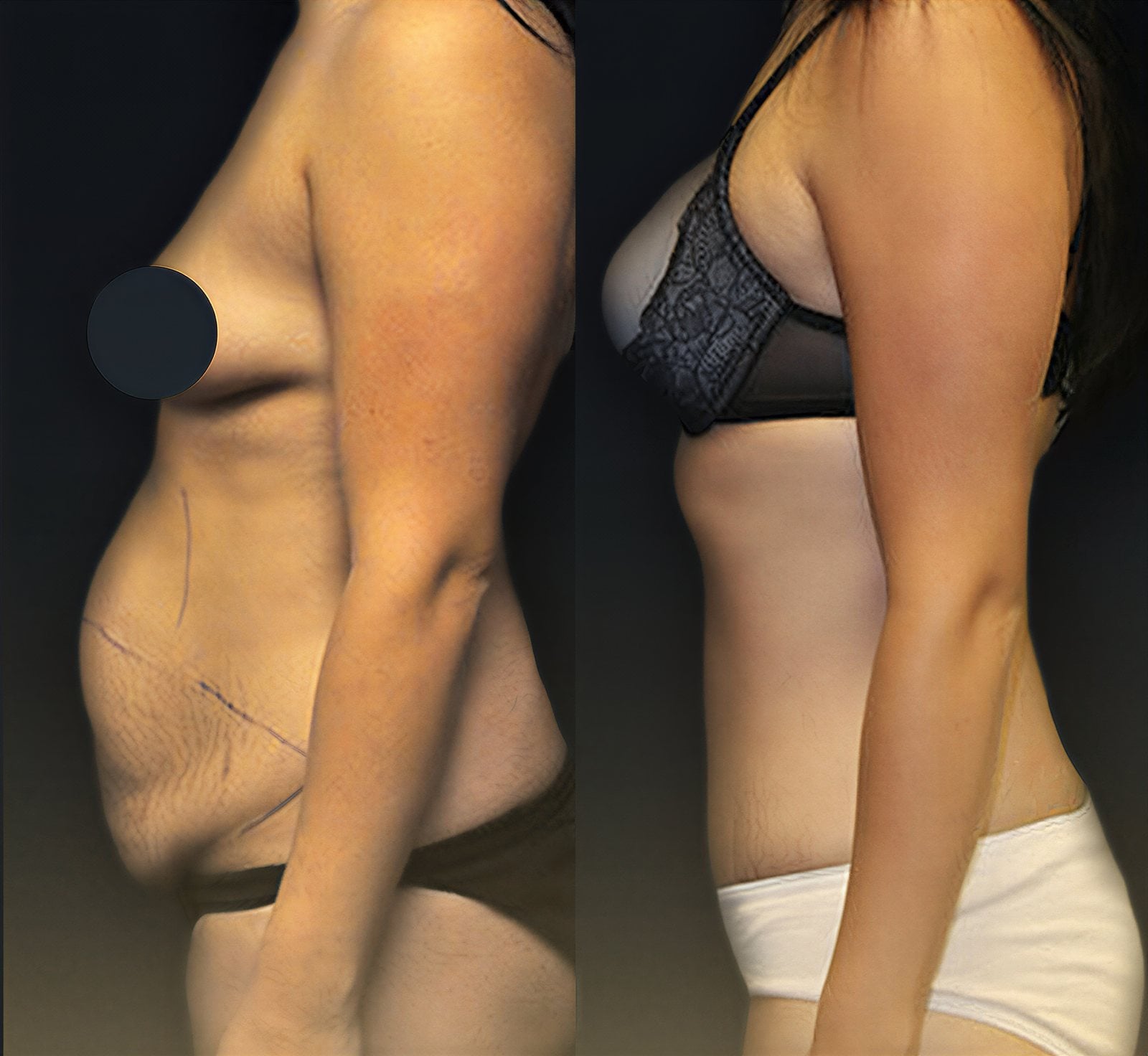
Patient Consensus: Patients from Australia describe neat, thin scarring and flat results that look natural. They recommend booking airport wheelchair assistance for the long journey home to manage early mobility challenges.