16 years of experience
Ultra Shock Pulse+P-Shot - Certified Treament
Red light therapy in Thailand typically costs from AUD $286 / ฿A9,723 to AUD $572 / ฿A19,446. Final prices depend on the target area, equipment grade, and clinic location. Patients save around 0% by travelling to Thailand from Australia, where sessions cost AUD $143 / ฿A4,861 on average. Standard inclusions often cover the light session and basic skin assessment.
Bookimed Expert Insight: Australian patients often find better value in specialized combination packages. For instance, Eternity Clinic offers an integrative protocol for approximately A$2,500. This package bundles red light therapy with PRP sessions, blood tests, and hormone screening. Choosing a JCI-accredited facility like Navamin 9 Hospital ensures international quality standards without the high private fees found in Australia.
| Thailand | Turkey | ||
| Red Light Therapy | from AUD $214 / ฿A7,292 | from AUD $286 / ฿A9,723 | from AUD $357 / ฿A12,154 |
No hidden fees – just official clinic prices. Pay at the clinic for Red Light Therapy upon arrival and use a flexible instalment plan if needed.
Bookimed is committed to your safety. We only work with medical institutions that maintain high international standards in Red Light Therapy and have the necessary licenses to serve international patients worldwide.
Bookimed offers free expert assistance. A personal medical coordinator supports you before, during, and after your treatment, solving any issues. You're never alone on your Red Light Therapy journey.
Dr. Ariyapon Lortaraprasert focuses on hair restoration surgery, dermatology, and aesthetic medicine. He is a member of the International Society of Hair Restoration Surgery (ISHRS), FUE Europe, and the World FUE Institute. He is certified in ARTAS robotic system training.
His credentials include a Certificate of Dermatology (Dermatological Society of Thailand) and a Certificate of Aesthetic Medicine (AAAM). He is trained in Thermage, Restylane, Botox, Dysport, Juvederm, and Ulthera. He attended seven ISHRS meetings (2014–2020) and two FUE Europe meetings (2016, 2019). He also joined a live surgery workshop (2019), a regenerative hair surgery meeting (2019), and the 8th A4M Thailand Congress (2016).
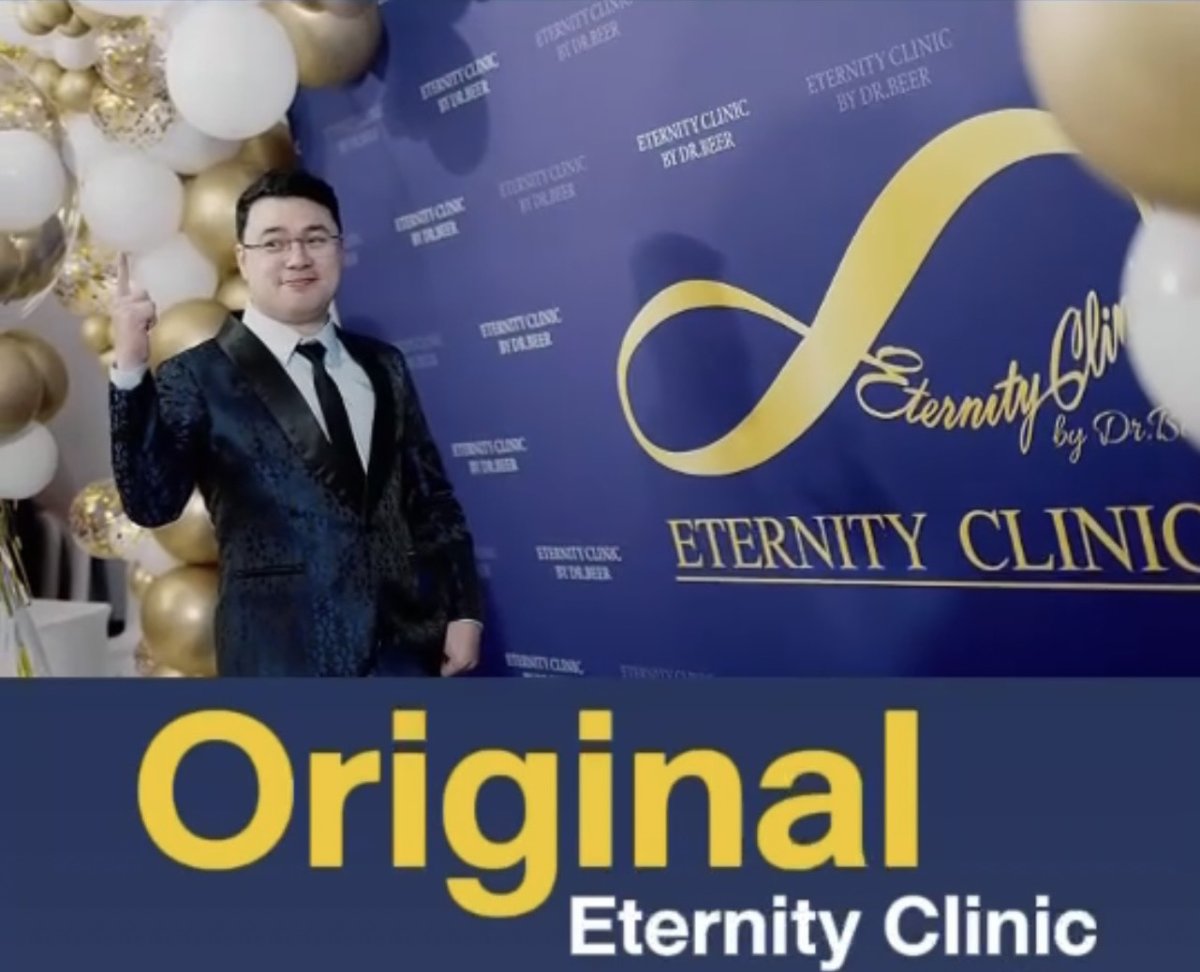
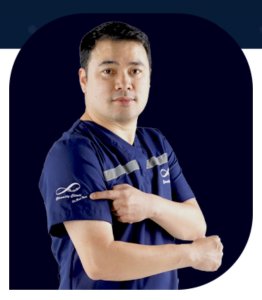
Dr. Suebpong Angchoun (Dr. Beer) is a urologist and men’s health specialist. He is the founder and medical director of Eternity Clinic. His work focuses on minimally invasive surgery and male sexual health. He also serves as director of the Urology Center at Bangkok Hospital Phuket.
Education/Accreditations: M.D. (2003), Prince of Songkla University. Diploma, Thai Board of General Surgery (2008). Diploma, Thai Board of Urology (2011), Prince of Songkla University.
Clinical focus: erectile dysfunction, testosterone replacement therapy, endoscopic urology (minimally invasive), kidney stones, and prostate health.
Dr. Suebpong Angchoun (Dr. Beer) is a urologist and men’s health specialist. He founded Eternity Clinic and is its medical director. He also directs the Urology Center at Bangkok Hospital Phuket. His practice focuses on minimally invasive (endoscopic) urology and male sexual health.
Education and accreditations: M.D. (2003), Prince of Songkla University. Diploma, Thai Board of General Surgery (2008). Diploma, Thai Board of Urology (2011), Prince of Songkla University. Clinical focus: erectile dysfunction, testosterone replacement therapy, kidney stones, and prostate health.
Dr. Chen Chaicharncheep is a board-certified orthopaedic surgeon. He is a member of the Medical Council of Thailand Board of Orthopaedic Surgery. Dr. Chen is also affiliated with the Korean Society of Aesthetic Surgery (KCCS). He holds advanced certificates in eye, nose, and lip surgery from Korea.
Dr. Chen has completed international fellowships and hands-on training in advanced aesthetic science. He has trained in minimally-invasive body contouring and deep plane face lifting at leading medical centers in South Korea, Singapore, Italy, and France. His expertise includes complex rhinoplasty, liposuction, fat transfer, and facial rejuvenation. Dr. Chen is committed to delivering excellent results and prioritizing patient safety.