3 Best Prostatectomy Clinics in Thailand — AUD Prices


Medically reviewed by
Yesim Yildirim
How Much Does Prostatectomy Cost in Thailand in AUD?
Prostatectomy in Thailand typically costs from AUD $14,300 / ฿323,000 to AUD $25,700 / ฿578,000. The final price depends on the surgical technique, the hospital tier, and whether lymph node removal is required. Standard bundles usually include the surgical team fees, a private hospital stay of 3 to 7 nights, and all necessary pre-operative diagnostics.
- Robotic da Vinci prostatectomy: AUD $37,800 / ฿850,000 to AUD $49,800 / ฿1,122,000 for high-precision surgery.
- Laparoscopic prostatectomy: AUD $14,300 / ฿323,000 to AUD $20,400 / ฿459,000, a minimally invasive keyhole approach.
- Transurethral resection of the prostate (TURP): from AUD $14,000 / ฿316,200 for benign enlargement.
- Regional variations: Packages in Bangkok or Pattaya typically cost 15–20% more than smaller cities.
Bookimed Expert Insight: Choosing a major hub like Bangkok provides access to top-tier technology and highly experienced specialists. For example, Bumrungrad International Hospital is accredited by JCI and GHA, a global body that validates quality for travelling patients. Experts like Dr. Kittinut Kijvikai specialise in robotic-assisted surgery for better recovery. While these premium facilities in Bangkok may cost 40% more than regional clinics, they offer the highest safety standards for complex oncology cases.
| Thailand | Turkey | |
|---|---|---|
| Prostatectomy | ≈ AUD $14,300 / ฿323,000 | from AUD $6,000 / ฿136,000 |
| Transurethral resection of the prostate (TURP) | from AUD $14,000 / ฿316,200 | from AUD $4,200 / ฿95,200 |
| Robotic da Vinci prostatectomy | from AUD $37,800 / ฿850,000 | from AUD $15,100 / ฿340,000 |
| Laparoscopic prostatectomy | ≈ AUD $14,300 / ฿323,000 | from AUD $8,300 / ฿187,000 |
Your Benefits and Guarantees with Bookimed
Transparent Prices & Flexible Installments
No hidden fees – just official clinic prices. Pay at the clinic for Prostatectomy upon arrival and use a flexible instalment plan if needed.
Verified Clinics & Doctors Only
Bookimed is committed to your safety. We only work with medical institutions that maintain high international standards in Prostatectomy and have the necessary licenses to serve international patients worldwide.
Free 24/7 Assistance
Bookimed offers free expert assistance. A personal medical coordinator supports you before, during, and after your treatment, solving any issues. You're never alone on your Prostatectomy journey.

Your personal Bookimed medical coordinator
- Supports you at every stage
- Helps choose the right clinic and doctor
- Ensures quick and convenient access to information
Best Prostatectomy Clinics in Thailand for Australians: 3 Verified Options and AUD Prices









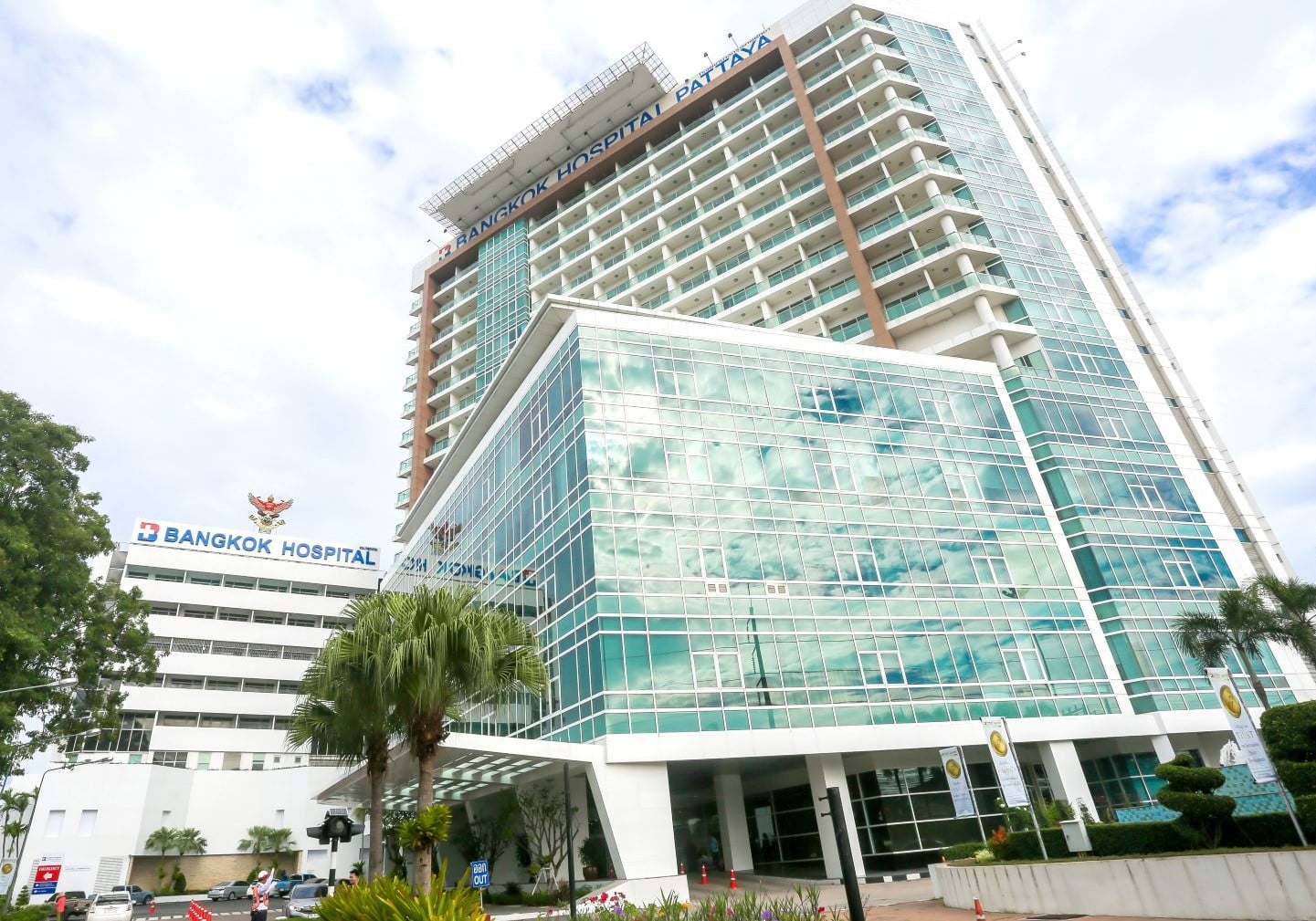




Prostatectomy Overview in Thailand
- Robotic da Vinci prostatectomy - from AUD $37,759The operation is a minimally invasive technique for prostate removal, using a robot for precision and reduced recovery time.
- Transurethral resection of the prostate (TURP) - from AUD $14,046The operation removes parts of the prostate via the urethra, easing urine flow. It"s less invasive and offers quicker recovery.
- Bookimed deposit: $200 or €200.
- Clinic deposit: Pay a set percentage in advance.
Our Doctors
View all Doctors
Kittinut Kijvikai
Dr. Kittinut Kijvikai specializes in robotic-assisted prostatectomy using the da Vinci system, focusing on improving perioperative outcomes for prostate cancer patients.
- Expert in both radical prostatectomy and robotic-assisted techniques
- Published research on neoadjuvant therapy benefits for prostate cancer
- Contributed to studies on robotic cystectomy for bladder cancer
- Member of urology research community with multiple publications
Video Stories from Bookimed Patients
Reviews about Bookimed: Discover Patients' Insights
All reviewsShare this content
 Anna Leonova

FAQ about Prostatectomy in Thailand
Will a prostatectomy cause long-term urinary incontinence or erectile dysfunction?
Prostatectomy in Thailand carries risks of urinary incontinence and erectile dysfunction, though long-term outcomes depend on the surgical technique. Nerve-sparing methods like robotic da Vinci surgery help preserve function. Most patients regain bladder control within 12 months, while erectile recovery can take up to 2 years.
- Recovery timeline: Urinary control often improves steadily, typically reaching maximum recovery within 12 months.
- Nerve-sparing options: Surgeons use da Vinci robotic systems to spare delicate nerves surrounding the prostate.
- Incontinence management: Pelvic floor exercises and rehabilitation are essential for regaining bladder control post-surgery.
- Potency rehabilitation: Doctors often recommend tablets or devices to maintain blood flow during nerve healing.
Bookimed Expert Insight: Surgeons at JCI-accredited centres like Bumrungrad International Hospital perform over 1,000 surgeries annually. This high volume is significant because surgical experience is the strongest predictor of nerve preservation. Choosing a specialist like Dr Kittinut Kijvikai, who focuses on robotic-assisted oncology, often results in better perioperative outcomes and faster functional recovery.
Patient Consensus: Recovery is often gradual rather than immediate. Many find that pelvic floor exercises and early rehabilitation are vital for regaining control in Thailand. Success usually involves a mix of physical therapy and medical aids while the body heals naturally over several months.
How long must I stay in Thailand before flying home after a prostatectomy?
Patients must stay in Thailand for 10 to 14 days before flying back to Australia after a prostatectomy. This window allows for essential catheter removal and surgical clearance. While immediate recovery takes 2 nights in theatre, urologists often recommend waiting 6 weeks for long-haul flights.
- Catheter removal: Surgeons remove the urinary catheter 7 to 14 days after surgery.
- Clinical clearance: You must receive an official fit-to-fly certificate from your urologist before boarding.
- DVT prevention: Flying too soon increases the risk of deep vein thrombosis and clots.
- Bladder control: Staying a few extra days helps you manage leaks before the flight.
Bookimed Expert Insight: Data from leading Bangkok centres like Bumrungrad International Hospital shows that robotic-assisted surgery is the standard for international patients. Dr Kittinut Kijvikai specialises in this technique, which typically allows for quicker mobility. This is vital because being mobile reduces flight risks like blood clots.
Patient Consensus: Visitors suggest staying a few days after catheter removal to ensure normal urine output. They recommend prioritising a final post-op review to check wound healing and pain levels before travel.
Which are the best hospitals in Thailand for prostate surgery?
Bumrungrad International Hospital and Bangkok Hospital (HQ) are the top-rated facilities for prostate surgery in Thailand. These JCI-accredited centres specialise in da Vinci robotic-assisted prostatectomies and minimally invasive treatments for enlarged prostates. They provide integrated cancer care through dedicated units like the Wattanosoth Cancer Hospital.
- Advanced robotics: Bumrungrad International Hospital uses the da Vinci Xi system for nerve-sparing radical prostatectomies.
- Expert specialists: Dr Kittinut Kijvikai at Bumrungrad specialises in robotic-assisted urological surgery and oncology.
- Diverse techniques: Facilities offer HoLEP laser surgery and Water Vapor Therapy (Rezum) for benign cases.
- Proven volume: Bumrungrad serves 1 million+ patients annually, including significant numbers of international patients.
Bookimed Expert Insight: Thailand’s leading private hospitals operate as massive medical hubs that manage far higher patient volumes than most Australian private clinics. Bumrungrad International Hospital, for instance, has over 1,300 doctors on staff. This high patient turnover means urologists there often perform more complex robotic surgeries in a month than many regional specialists do in a year.
Patient Consensus: Seeking large private hospitals ensures access to English-speaking staff and consistent international coordination. Patients suggest prioritising surgeons with a high annual volume of nerve-sparing procedures in Thailand. It is essential to secure detailed discharge notes before flying back to Australia.
What surgical techniques are available for a prostatectomy in Thailand?
Hospitals in Thailand offer traditional open surgery and minimally invasive options like laparoscopic and robotic-assisted radical prostatectomy. Major JCI-accredited centres such as Bumrungrad International Hospital and Bangkok Hospital Pattaya specialise in these techniques to treat prostate cancer and severe benign prostatic hyperplasia.
- Robotic-assisted surgery: Surgeons use da Vinci systems for high-definition 3D visualization.
- Laparoscopic approach: Keyhole surgery uses small incisions to reduce hospital stays.
- Open prostatectomy: This traditional technique provides direct access for complex anatomical cases.
- TURP procedure: Endoscopic method removes obstructive tissue via the urethra for enlargement.
Bookimed Expert Insight: While robotic surgery is popular, surgeon volume is the true quality signal in Thailand. Dr Kittinut Kijvikai at Bumrungrad International Hospital specialises in robotic-assisted cases. Our data shows clinics like this serve 1,000,000+ patients annually, maintaining very high technical proficiency.
Patient Consensus: Verify if your procedure is radical or simple as recovery timelines differ. Outcomes in Thailand depend on surgeon mastery rather than just the technology used. Many patients suggest discussing nerve-sparing goals during the initial consultation.
What is the typical recovery timeline after prostate surgery?
Recovery after prostate surgery involves 1–2 nights in hospital, with most men returning to normal daily activities within 4–6 weeks. Modern robotic-assisted techniques at Bangkok clinics allow for walking within days, though full functional recovery for continence and potency can take several months.
- Immediate mobility: Walking begins within 24 hours to boost circulation and prevent blood clots.
- Catheter management: A Foley catheter is used for 7–14 days to assist urethral healing.
- Work transition: Desk-based employees typically return to work within 2–4 weeks after surgery.
- Physical restrictions: Avoid lifting over 4.5kg or cycling for at least 6–12 weeks.
- Functional restoration: Regaining full bladder control usually occurs between 3 and 12 months.
Bookimed Expert Insight: Data from leading centres like Bumrungrad International Hospital shows that robotic-assisted surgery often reduces hospital stays compared to traditional methods. While surgical pain fades quickly, fatigue is the most persistent factor. Patients should budget for an extra 5–7 days in Thailand after discharge to ensure the catheter is removed by their specialist before flying home.
Patient Consensus: Recovery is a steady process measured in weeks, not days. Constipation and fatigue were more noticeable than incision pain, but walking early helped significantly. Managing expectations about initial urinary leakage is vital as bladder control strengthens gradually over several months.
What is typically included in a Thai prostatectomy package?
Thai prostatectomy packages bundle surgical fees, hospital accommodation, and pre-operative diagnostics into a single transparent price. Standard inclusions across JCI-accredited facilities features theatre charges, anaesthetist fees, and nursing care. Most bundles cover robotic-assisted or laparoscopic techniques for treating prostate cancer or enlargement.
- Hospitalisation: Packages typically include 3–7 nights in a private inpatient room.
- Surgical fees: Covers the urologist, anaesthetist, and surgical assistants for the full procedure.
- Theatre costs: Includes operating room time, advanced robotic equipment, and recovery bay monitoring.
- Medical supplies: Covers intravenous fluids, surgical drapes, and specialised suturing materials for recovery.
Bookimed Expert Insight: While base surgery costs from $9,500 to $17,000, specific techniques shift the final price significantly. Robotic-assisted surgery at centres like Bumrungrad International Hospital offers higher precision but carries a higher price point than laparoscopic options.
Patient Consensus: Patients find the bundled pricing through major hospitals helps with financial planning before travelling. Most advise checking whether pathology and catheter removal are included, as these often appear as extra charges.