 Radical Prostatectomy (With or Without Obturator Lymphadenectomy)
Advertiser Disclosure
Last updated: 12/11/2026
18 Best Prostatectomy Clinics in Turkey — AUD Prices
Want to explore more options? You can also browse all 18 clinics below.

85 %
patient recommendation
46 K+
patients
Meet the experts behind this page
Medically reviewed by
Yesim Yildirim
Authored by Anna Leonova
Head of Content Marketing Team
How it works
We've transformed the clinic search process, making it simple, fast, and personal.
Answer a few questionsTake a short quiz to share your Prostatectomy goals.
Get personalised offers3 clinics, handpicked based on your answers, provide tailored treatment plans and quotes.
Choose the best optionCompare offers and choose the clinic that suits you best.
You can also browse all 18 clinics below.
1M+ patient inquiries
32+ countries
3,323 partner clinics
13,325 certified doctors
How Much Does Prostatectomy Cost in Turkey in AUD?
Prostatectomy in Turkey typically costs between AUD $5,900 and AUD $14,800, depending on the surgical technique, specialist experience, and clinic location. Packages usually include the surgical procedure, hospital stay, airport transfers, and language assistance.
- Robotic da Vinci prostatectomy: AUD $14,800 to AUD $26,700 using high-precision robotic systems.
- Laparoscopic prostatectomy: AUD $8,200 to AUD $11,100 for a minimally invasive keyhole approach.
- Transurethral resection of the prostate (TURP): AUD $4,200 to AUD $13,400 to treat urinary issues.
- Thulium laser (THUFLEP): Advanced laser techniques often cost around A$8,900 for reduced bleeding.
- Robotic-assisted complexity: Adding lymphadenectomy to robotic surgery typically increases the overall package price.
Bookimed Expert Insight: Choosing high-volume centres provides significant value for Australian patients seeking robotic surgery. Anadolu Medical Center, affiliated with Johns Hopkins Hospital, offers robotic packages around A$28,000–A$37,800. These are led by surgeons like Dr. Ilker Tinay with 900+ robotic cases. For more budget-conscious plans, Hisar Hospital Intercontinental provides minimally invasive laser or open techniques for approximately A$8,900–A$9,000.
Data verified by Bookimed as of November 2026, based on patient requests and official quotes from 166 clinics worldwide. Median costs are based on real invoices (2025–2026) and updated monthly. Actual prices may vary.
Best Prostatectomy Clinics in Turkey for Australians: 18 Verified Options and AUD Prices
Procedure type
Radical Prostatectomy (With or Without Obturator Lymphadenectomy)


 Open Prostatectomy with Full Board & 24/7 Nursing — Transfer Included


 Prostatectomy — Full Board Nutrition & Private Room with 24/7 Care Included

You’ve viewed 3 of 18 packages
Prostatectomy Overview in Turkey
Takeaways
Related procedures & Costs
How it works
Benefits
Payment
patients recommend -
85%
Surgery Time - 2 hours
Stay in the country - 7 days
Rehabilitation - 4 days
Anaesthesia - General anaesthesia
Requests processed - 46119
Verified patient reviews - 8
Bookimed fees - $0
Types of Prostatectomy
- Prostatectomy - from AUD $5,937The operation involves removing the prostate gland to treat prostate cancer, resulting in reduced tumor spread.
- Robotic da Vinci prostatectomy - from AUD $14,843The operation is a minimally invasive technique for prostate removal, using a robot for precision and reduced recovery time.
- Transurethral resection of the prostate (TURP) - from AUD $4,156The operation removes parts of the prostate via the urethra, easing urine flow. It"s less invasive and offers quicker recovery.
- Laparoscopic prostatectomy - from AUD $8,164The procedure removes the prostate gland via small surgical openings. It"s minimally invasive, offering quicker recovery.
How to find best solution with Bookimed?
Check available options for your case on the website.
Request a free consultation with documents assessment.
Download your medical records and describe your needs.
Receive customised free treatment plans with prices and details.
Compare them and finalise your choice.
Agree the date for your upcoming clinic visit.
Arrive and pay at the clinic. Bookimed fees are $0 for you.
From start to finish, the Bookimed coordinator keeps you safe and comfortable during your medical journey.
100% free, non-binding assessment of your medical records
Instant FREE personalised treatment plans to make the right choice
Expert guidance in choosing the perfect Oncology doctor and clinic.
Special packages and exclusive prices for our patients.
24/7 Bookimed guidance at no cost, guaranteed.
Hassle-free translation of your medical documents for clinics.
Bookimed's multilingual team ensures comfortable communication.
Bookimed ensures transparent and secure payments. Patients pay at the clinic with no additional fees.
Available Payment Methods:
How to Secure an Appointment:
1. Documents: Passport and ticket copies.
or
2. Deposit:
- Bookimed deposit: $200 or €200.
- Clinic deposit: Pay a set percentage in advance.
For more information, see our Payment Policy
Our Trusted Doctors for Australian Patients
View all Doctors
verified
Cenk Acar
20 years of experience
Assoc. Prof. Dr. Cenk Acar has performed over 500 urological cancer surgeries, specializing in robotic and laparoscopic techniques at Hisar Hospital Intercontinental.
- Trained in robotic surgery at The Netherland Cancer Institute
- Pioneer of fluorescence imaging techniques in urological surgery
- Expert in prostate enucleation procedures like HOLEP and THUFLEP
- Focuses on quality of life outcomes in prostate cancer treatment

verified
Basri Cakiroglu
32 years of experience
Assoc. Prof. Basri Çakıroğlu specializes in urooncology, with a focus on prostatectomy procedures at Hisar Hospital Intercontinental.
- Over 32 years of experience in urology
- Specializes in endourology and urooncology
- Authored articles in international and local medical journals
- Completed residency at Taksim Teaching and Research Hospital
verified
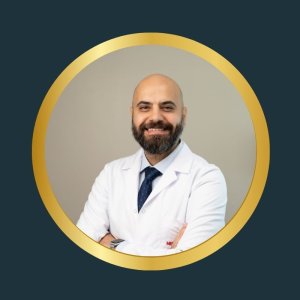
Dr Bugra Cetin
13 years of experience
Dr. Bugra Cetin is a pioneer in urology, specializing in advanced cellular therapies and minimally invasive techniques for prostatectomy.
- Performs radical retropubic prostatectomy with excellent outcomes
- Expert in laparoscopic and endoscopic urologic surgeries
- Board-certified urologist with PhD in Molecular Medicine
- Member of European Association of Urology and ISSM

verified
Baris Nuhoglu
29 years of experience
Video Stories from Bookimed Patients
Amanda
My companion and I were treated with such kindness — I have nothing but admiration for the entire team.
Procedure: Mastectomy
Randolph
Stay strong, stay informed, and never underestimate the power of cutting-edge treatments and a solid support system.
Procedure: Radioembolization for liver cancer
Reviews about Bookimed: Discover Patients' Insights
All reviewsAnonymous • Prostatectomy
Ukraine
19 Aug 2026
The organization was top-notch
The consultation with the doctor and his calm confidence greatly helped to manage my anxiety. I went through the examination calmly and confidently, feeling a professional and compassionate approach at every stage. The organization was top-notch. The coordinator was always in touch, promptly resolving any issues that arose, and the transfer was always on time, which was very important. The clinic is excellent, and the staff is caring. The doctor himself is polite and attentive. Thank you.
The coordinator was always in touch👍
Great clinic👍
The doctor was polite and attentive👍
Transfer was always on time👍
Максим Oslopov • Robotic da Vinci prostatectomy
6 Mar 2019


"He is very happy that he finally got rid of the cancer using the da Vinci robot
The Medipol Clinic in Istanbul was recommended to me by bookimed specialists.
I was very pleased with the additional service. We were met with my father at the airport and taken to the guest house, which was provided by the hospital free of charge, as well as free 3 meals a day, not only for my father, but also for me. Every day a car came for us to take us to the clinic, as well as to take us back. We were provided with the services of an interpreter.
Translator Murat turned out to be a very good person, he told everything and helped absolutely everything. operas atsiyu. Everything went fine, he is very happy that he finally got rid of the cancer using the da Vinci robot. The staff after the operation behaved very courteously and neatly.
Андрей • Robotic da Vinci prostatectomy
Kazakhstan
5 Jan 2022
My attending physician Ilker Tinay performed the operation brilliantly
For a long time I have chosen a clinic for performing robotic nerve-sparing surgery according to the Da Vinci method. In Kazakhstan, such operations are not performed. I wanted to go to Germany or Israel, negotiated with them, but due to covid restrictions I had to choose Turkey. And I did not regret it at all. From the proposed options I chose the Anadolu clinic. After 6 days I was already in Istanbul. The entire organization and coordination of treatment was at the highest level. For which I am very grateful to coordinator Eliza. She was always in touch and could be contacted for any question. Special thanks to the translators Zahida and Muhammad. They were very attentive and responsive, they were always interested in my condition and were in touch. Now directly about the treatment. After examination by an oncourologist and providing him with all the examinations at home, in 2 days I was scheduled for an operation. No extra examinations and money spinning were appointed. My attending physician Ilker Tinay performed the operation brilliantly. The operation lasted for about 5 hours, under general anesthesia, but by the evening I was already forced to walk, accompanied by nurses. And after another 2 days I was able to check out. In the department, everyone from the doctor to the orderlies performed their work competently and professionally. I would also like to say about the conditions. A separate room of about 20 sq. m with a shower, toilet, pull-out chair for an accompanying person, TV, refrigerator and even a safe. (My hotel room was worse). After I was discharged, the doctor examined me three more times and gave me recommendations. And now after 2 weeks I feel almost completely healthy and there are no side effects (although according to statistics this is possible and quite often). I would like to thank my attending physician Ilker Tinay for his qualified and attentive approach to my treatment. As a result, the cost of examination and treatment was significantly different for the better from the same in Europe or Israel. Thanks to everyone who took part in this.
About Bookimed service
Satisfied
Ivanka • Robotic da Vinci prostatectomy
Norway
21 Nov 2023
I have no words to describe how grateful I am to have met them
I will strongly recommend that hospital to everyone who needs a health care with exceptional organisation and high quality of care and services . Alisher who is a coordinator is an extraordinary person. Translator Gullnaz is also one of a kind. I have no words to describe how grateful I am to have met them. They help me to organise the treatment . I highly recommend professor Özdemir as well. All the team is very supportive, professional and helpful!
About Bookimed service
Dr. Hanna wich is my Bookimed coordinator is one of the most extraordinary persons I know . She is always ready to help and fiends what is needed.
Anonymous • Transurethral resection of the prostate (TURP)
Ukraine
22 Sept 2025
Everything's great!
Maintenance
Share this content
Updated: 12/11/2026
Authored by
 Anna Leonova
Head of Content Marketing Team
A certified medical writer with 10+ years of experience, developed Bookimed’s trusted content, backed by a Master’s in Philology and medical expert interviews worldwide.
Reviewed by Bookimed Medical Advisor
This page may feature information relating to various medical conditions, treatments, and healthcare services available in different countries. Please be advised that the content is provided for informational purposes only and should not be construed as medical advice or guidance. Please consult with your doctor or a qualified medical professional before starting or changing medical treatment.
FAQ about Prostatectomy in Turkey
These FAQs come from real patients seeking medical assistance through Bookimed. Answers are given by experienced medical coordinators and trusted clinic representatives.
What are the side effects of prostatectomy in Turkey?
Prostatectomy in Turkey carries risks common to radical prostate surgery. These primarily include urinary incontinence and erectile dysfunction. Specialists use the da Vinci robotic system to spare nerves. However, patients often require 3 to 12 months to regain full bladder control and sexual function.
- Urinary incontinence: Most patients experience temporary leakage, typically needing pads for 6 to 52 weeks.
- Erectile dysfunction: Nerve-sparing techniques help, but full recovery of erections often takes 6 to 24 months.
- Ejaculatory changes: Removal of seminal vesicles causes permanent dry ejaculation, though orgasms still occur.
- Physical changes: Patients may notice slight penis shortening or temporary discomfort from the post-operative catheter.
- Surgical risks: Potential complications include infection, bleeding, or rare fluid collection known as a lymphocele.
Bookimed Expert Insight: Surgeons like Dr Ilker Tinay at Anadolu Medical Center have performed 900+ procedures. This high volume is the best predictor of lower complication rates. Choosing doctors with such extensive robotic experience helps. It significantly improves the chances of preserving urinary and sexual health.
Patient Consensus: Expect temporary leakage when sneezing or lifting during the first few months in Turkey. Most men find the catheter annoying rather than painful. Still, they should plan for a slow recovery of sexual function.
Why is Turkey a good option for prostatectomy?
Turkey is a leading prostatectomy destination due to high-volume urological centres and JCI-accredited facilities. Specialist surgeons often use the da Vinci robotic system for radical and simple procedures. Australian patients benefit from all-inclusive packages that cover surgical fees, screenings, and logistics.
- Techniques: Specialists offer robotic, laparoscopic, and laser techniques like HoLEP or Thulium (THUFLEP).
- Certified expertise: Surgeons like Dr Fatih Kurtuluş hold Fellow of the European Board of Urology (FEBU) certification.
- Robotic precision: High-volume doctors, including Dr Ilker Tinay, have performed over 900 robotic surgery cases.
- Academic affiliations: Major centres like Anadolu Medical Center maintain affiliations with institutions like Johns Hopkins Medicine.
- Inclusions: Packages typically bundle surgical fees, hospital stays, VIP transfers, and language assistance.
Bookimed Expert Insight: While basic surgery is affordable, the best value lies in robotic packages. Centres like Anadolu Medical Center include 4 nights in a 4-star hotel and VIP transfers. These inclusions often cost less than just the surgical fee in Australia.
Patient Consensus: Patients in Turkey appreciate the seamless logistics including airport transfers and dedicated translators. Many found the recovery experience better than expected when treated by highly experienced surgical teams.
Who is a candidate for prostatectomy in Turkey?
Candidates for prostatectomy in Turkey are typically men with localised prostate cancer that has not spread. Ideal patients have early-stage disease (Stage I or II) and are in good health to undergo general anaesthesia. Robotic da Vinci and laparoscopic techniques often need a BMI below certain thresholds.
- Cancer stage: Suitable for localised tumours (Stage I–II) confined to the prostate gland.
- General health: Patients must be fit for major surgery and general anaesthesia protocols.
- Curative intent: For patients who need complete gland removal to treat malignant disease.
- PSA levels: Eligibility depends on PSA levels, Gleason scores, and recent MRI or PET scans.
- Technique suitability: Nerve-sparing surgery may help preserve erectile function and urinary control.
Bookimed Expert Insight: Anadolu Medical Center stands out for Australian patients. It is affiliated with Johns Hopkins Medicine and maintains a Top 10 global ranking. Surgeons like Dr Ilker Tinay have performed 900+ robotic cases. This volume is critical for radical procedures where precision determines long-term urinary continence.
Patient Consensus: Men choosing Turkey often focus on cancer treatment over benign issues. They find the coordination of hospital stays, translators, and transfers helpful. This makes navigating major surgery overseas manageable and efficient.
What types of prostate surgery are available in Turkey?
Turkish hospitals provide surgical options for benign enlargement and prostate cancer, including robotic-assisted Da Vinci surgery, HoLEP, and laparoscopic techniques. Accredited facilities in Istanbul and Antalya offer specialised care through board-certified urologists. They often follow protocols from international centres like Johns Hopkins Medicine.
- Robotic surgery: Surgeons use Da Vinci systems for precision cancer removal and nerve preservation.
- Laser treatments: HoLEP and ThuLEP provide minimally invasive solutions for benign prostate enlargement.
- Endoscopic methods: Standard TURP effectively treats medium-sized prostates without external abdominal incisions.
- HIFU ablation: This non-surgical ultrasound technique targets cancer cells while preserving healthy tissue.
Bookimed Expert Insight: While basic packages focus on surgery, the best value for Australians is found in multi-day hospital stays. Leading centres like Hisar Hospital include 4 nights of monitoring. This is critical for managing post-operative recovery before the long flight home.
Patient Consensus: Turkish clinics provide seamless coordination by bundling private rooms, 24/7 nursing, and translators into one package. Patients appreciate having all-inclusive support from airport arrival through to the final follow-up examination.
How long is recovery after robotic prostatectomy in Turkey?
Recovery after robotic prostatectomy in Turkey involves a 3–4 day hospital stay. This is far shorter than traditional open surgery. Most patients return to light activities within 2 weeks. The da Vinci XI system allows for smaller incisions. This reduces pain and accelerates the return to daily life.
- Hospitalisation period: Specialists typically require 3–4 days in-hospital monitoring to manage initial healing.
- Catheter removal: Surgeons usually remove the urinary catheter between 5 to 10 days post-surgery.
- Work timeline: Desk-based employees often return to work within 2 weeks of the procedure.
- Activity restrictions: Patients must avoid heavy lifting and strenuous exercise for at least 6 weeks.
Bookimed Expert Insight: Turkish centres like Anadolu Medical Center are ranked in the global top 10 by MTQUA. They offer packages including 4-star hotel stays. This is vital because patients feel well quickly due to robotic precision. However, they need professional monitoring nearby for at least 7–10 days before flying back to Australia.
Patient Consensus: Patients in Turkey often walk hours after surgery and feel normal within weeks. Continence typically improves by 45 days, though full physical recovery takes longer.
How is robotic prostatectomy in Turkey performed?
Robotic prostatectomy in Turkey uses the da Vinci surgical system to remove the prostate through five or six small incisions. Surgeons control robotic arms with 3D vision and wristed instruments. They perform precise movements. This spares surrounding nerves and blood vessels to preserve urinary and sexual function.
- Surgical approach: Surgeons operate via keyhole incisions rather than one large abdominal cut.
- Robotic precision: The da Vinci XI system translates hand movements into precise, tremor-free actions.
- Nerve-sparing technique: Doctors carefully separate the prostate from critical nerve bundles and vessels.
- Hospital stay: Patients typically stay 3 to 4 days in hospital for monitoring.
Bookimed Expert Insight: Turkish centres like Anadolu Medical Center provide a significant experience advantage. Their leading surgeons have performed 900+ robotic cases. Basic prostatectomies start at $4,000. However, choosing a high-volume robotic specialist helps make the anastomosis exceptionally precise. This is where the bladder is reattached to the urethra.
Patient Consensus: Recovery in Turkey is often straightforward with mild pain managed by basic medication. Most patients have their catheter removed after five days. They appreciate how clinics bundle transfers, translators, and follow-up care into one package.
When can I go back to Australia after prostatectomy in Turkey?
Most specialists recommend waiting 4 to 6 weeks before returning to Australia after a prostatectomy in Turkey. Clinicians remove the urinary catheter after 7 to 14 days. The long flight calls for more movement. This helps prevent deep vein thrombosis and maintain stable bladder control.
- Catheter removal: Surgeons typically remove the urinary catheter 7 to 14 days after surgery.
- Hospital stay: Patients usually remain in the hospital for 3 to 7 days for monitoring.
- DVT prevention: Long-haul flights require walking frequently to avoid blood clots during the 20-hour journey.
- Travel clearance: Doctors provide fit-to-fly paperwork only after performing a final physical follow-up examination.
- Physical limits: Driving is restricted for 2 weeks or until pain allows for emergency braking.
Bookimed Expert Insight: Anadolu Medical Center, affiliated with Johns Hopkins Medicine, often manages complex cases for Australians. Their surgeons, like Dr. Ilker Tinay (900+ procedures), suggest that robotic-assisted surgery reduces recovery time. However, the 4-week wait is vital for managing potential post-op incontinence on long flights.
Patient Consensus: Stay near the clinic until the catheter is out. Then attempt the flight home. Use aisle seating and compression socks. These help with energy levels and circulation during the trip to Australia.