


4.6
(33 reviews) 22 years of experience
Breast Lipofilling for Natural Enhancement — 5★ Hospital & Airport Transfer

Medically reviewed by
Ergin Er
Lipofilling (Fat Grafting) in Thailand typically costs from AUD $1,400 / ฿30,600 to AUD $3,000 / ฿68,000, depending on the treatment area and clinic location. Most high-end packages in Bangkok and Phuket include pre-operative tests, local or general anaesthesia, and post-operative medications.
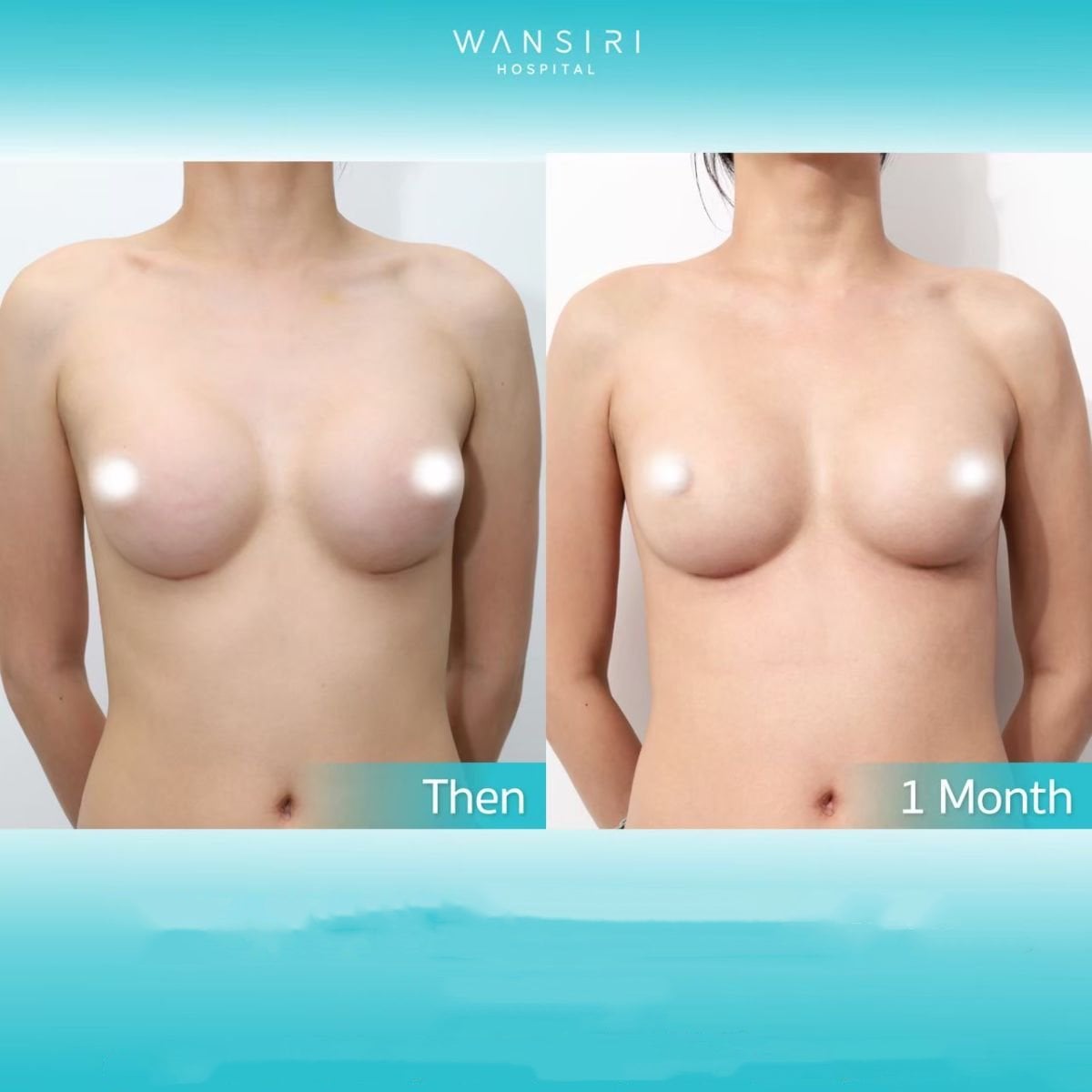
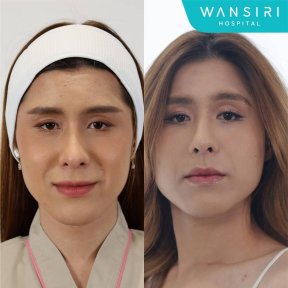
Bookimed Expert Insight: Paying for a comprehensive package provides excellent value for Australians. For instance, Wansiri Hospital offers breast lipofilling packages for approximately A$6,968. This includes a stay in a 5-star facility, 24-hour nursing, and full board meals. Choosing JCI-accredited centres like Yanhee International Hospital or Bumrungrad International ensures high quality standards while still saving thousands compared to private Australian fees.
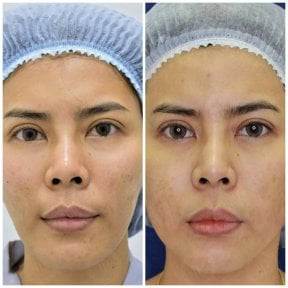

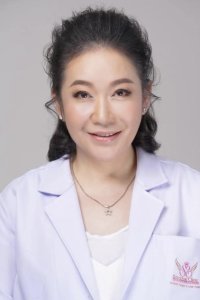

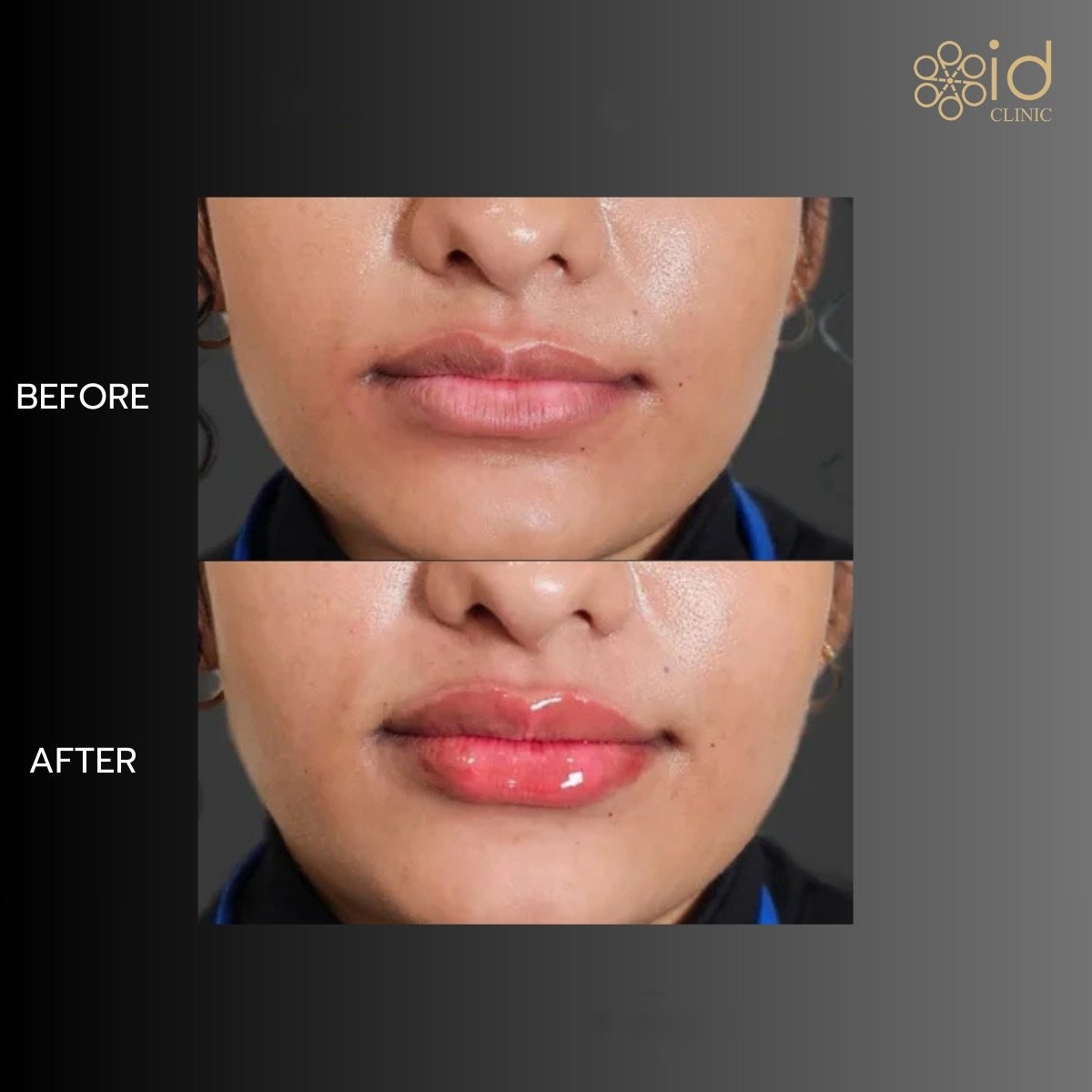
Specializes in lipofilling (fat grafting) procedures at ID Clinic Bangkok, Thailand.

Dr. Saran Wannachamras specializes in lipofilling (fat grafting) with extensive training in Plastic and Reconstructive Surgery at East Virginia School (EVIMS), USA.

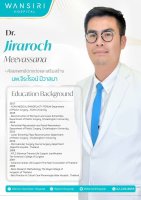
Specializing in fat grafting techniques – Dr. Meevassana brings precision to lipofilling procedures.
Dr. Pawcsuntorn brings specialized training in laser and dermatosurgery from Boston University, focusing on precise fat grafting techniques.

 Anna Leonova

Lipofilling in Thailand is safe when performed by board-certified specialists. Primary risks include fat resorption and travel-related DVT. Managing follow-up care from Australia also presents logistical challenges. Patients must account for unpredictable fat survival rates and potential touch-up procedures once home.
Bookimed Expert Insight: Many patients search for the lowest cost. However, top-rated hospitals like Bumrungrad and Yanhee maintain JCI accreditation and ISO standards. Dr Phatcharasak Kraisornphongsakul at ID Clinic has performed over 20,000+ procedures. Choosing high-volume, accredited specialists significantly reduces technical risks.
Patient Consensus: Confirm your actual surgeon's qualifications beforehand. Plan for variable fat survival rates. Establish a clear written aftercare plan. You should also budget for possible local revisions in Australia.
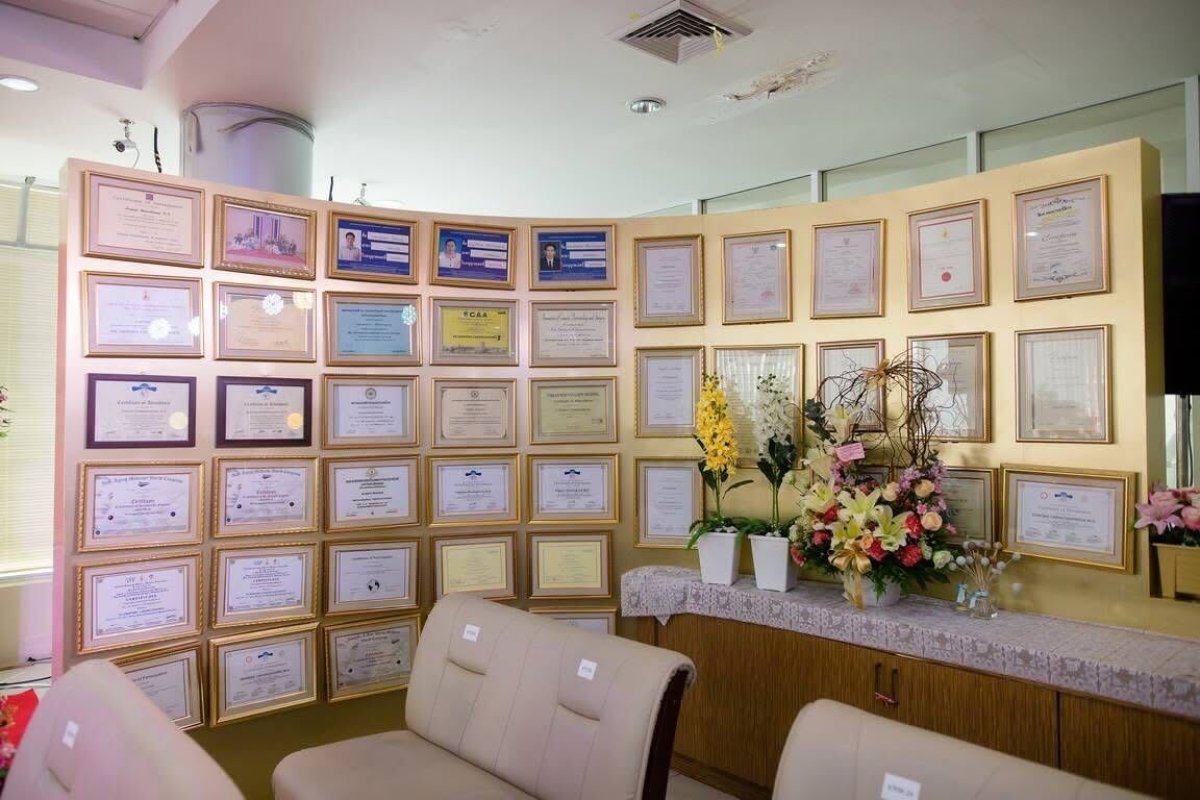
Safe lipofilling in Thailand requires verifying a specialist holds board certification in plastic surgery. They should operate in a Joint Commission International (JCI) accredited facility. Reputable Thai surgeons typically belong to the Society of Plastic and Reconstructive Surgeons of Thailand (ThPRS). This membership ensures they meet strict national surgical standards.
Bookimed Expert Insight: Thai medical facilities often function as full-scale hospitals rather than small clinics. Data shows Yanhee International Hospital employs 180 specialists and serves 450,000 patients annually. Choosing high-volume hospitals reduces risk. They have onsite emergency departments and intensive care units that standalone clinics lack.
Patient Consensus: Patients value clinics providing clear pre-travel communication and language assistance during recovery. They recommend choosing specialists who focus on fat grafting for specific body areas. Patients also look for detailed follow-up plans for when they return to Australia.
Lipofilling results in Thailand are permanent once the fat cells establish a blood supply. Roughly 30% to 50% of the injected fat is naturally reabsorbed within 6 months. The remaining 50% to 70% stays as living tissue. Permanent results depend on the surgeon's meticulous harvesting and purification techniques.
Bookimed Expert Insight: Data shows that high-volume centres like Yanhee International Hospital provide better survival rates. This is achieved by using specialised purification. Wansiri Hospital reports a 99.0% success rate across major plastic surgeries. For patients seeking significant volume, planning two staged sessions is often most effective.
Patient Consensus: Patients in Thailand note that initial swelling makes the area look overcorrected. Once things settle after 3 months, the soft volume provides a realistic, lasting improvement.
Recovery after lipofilling in Thailand typically takes 1 to 2 weeks. Patients should stay for 7 to 14 days for essential post-operative checks. Timelines depend on the fat volume transferred and donor site recovery.
Bookimed Expert Insight: Many clinics offer quick turnaround times. However, specialists like Dr. Jiraroch Meevassana at Wansiri Hospital include 1-day hospitalisation for monitoring. This 24-hour professional care helps manage initial swelling before you move to a hotel.
Patient Consensus: Patients suggest staying 14 days to cover surgery and the first review. Donor site soreness often lasts longer than the treated area. Patients should build in extra time for comfort.
Lipofilling is a cosmetic procedure where surgeons harvest fat from the abdomen or thighs via liposuction. They then reinject it into areas like the face, breasts, or buttocks. In Thailand, accredited specialists perform this three-stage surgical process using purification techniques for long-term cell survival.
Bookimed Expert Insight: Thai clinics often integrate VASER LipoSelection technology during the harvesting phase. This method at centres like Phuket Plastic Surgery Institute (PPSI) helps preserve fat cell integrity. It typically leads to more cells surviving the transfer. This is crucial as the body naturally absorbs some fat.
Patient Consensus: Patients find that choosing Thailand allows for recovery with hospital stays and professional nursing support. Many recommend staying extra time in-country for initial follow-up and potential touch-up sessions.
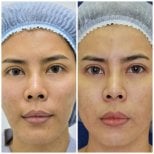
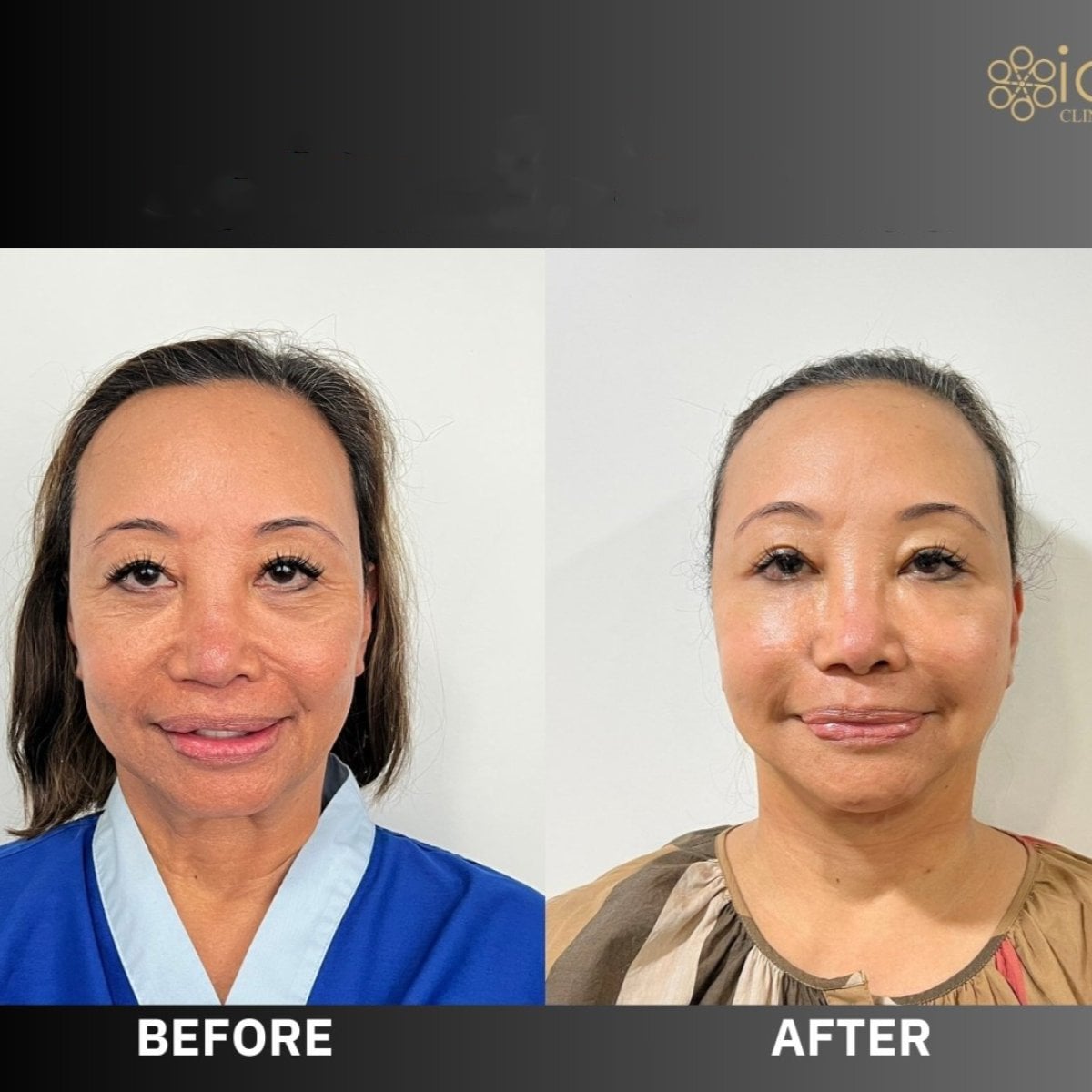
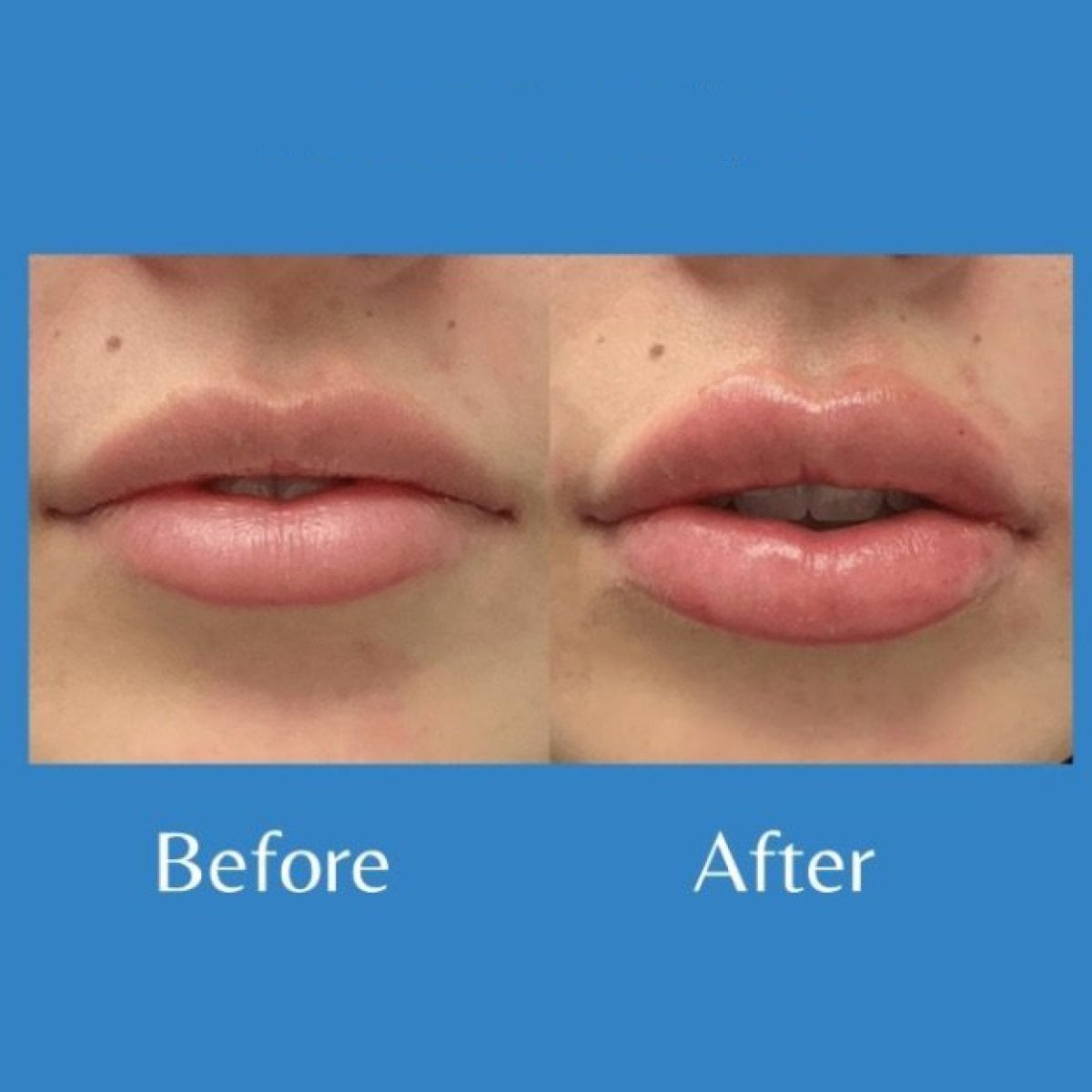
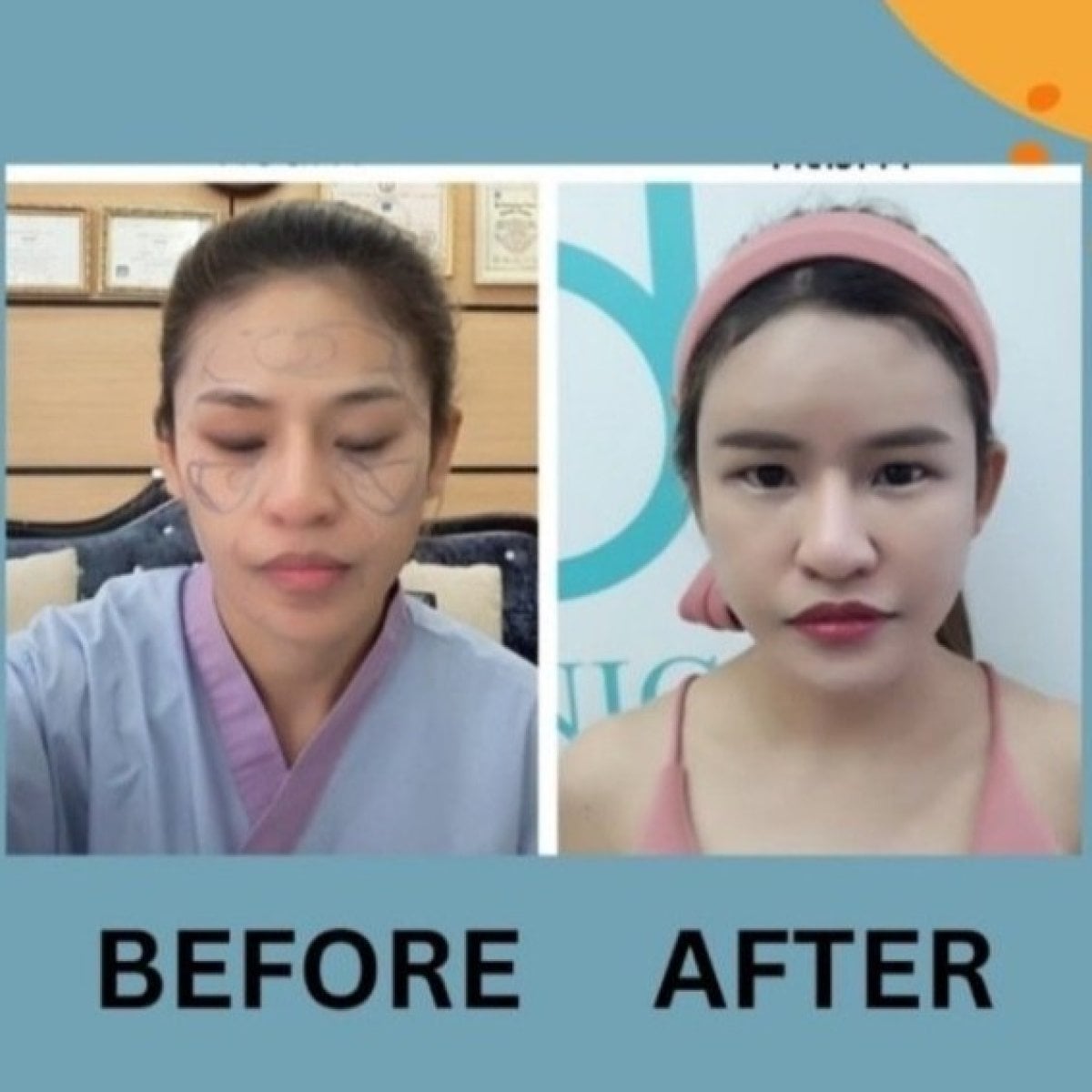
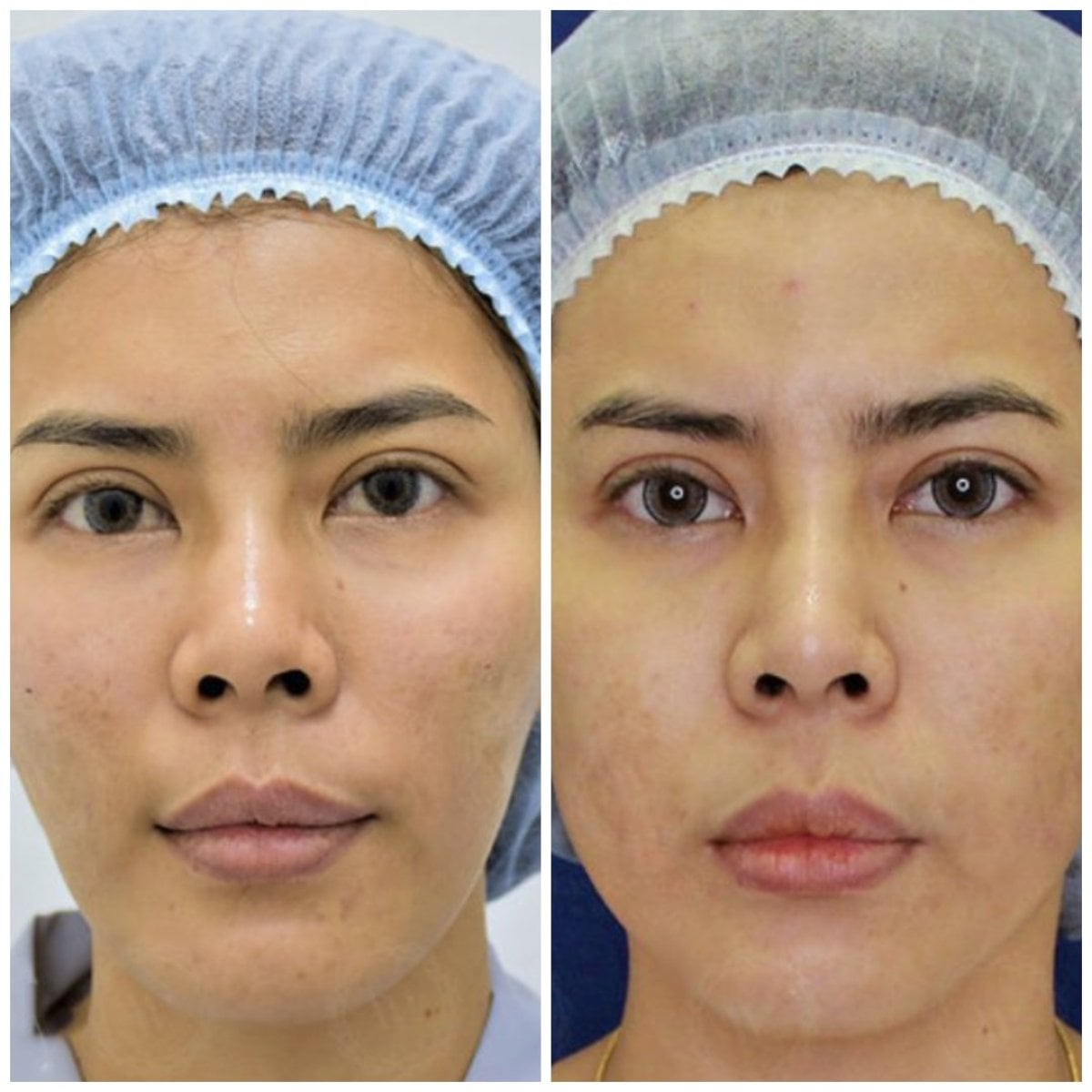
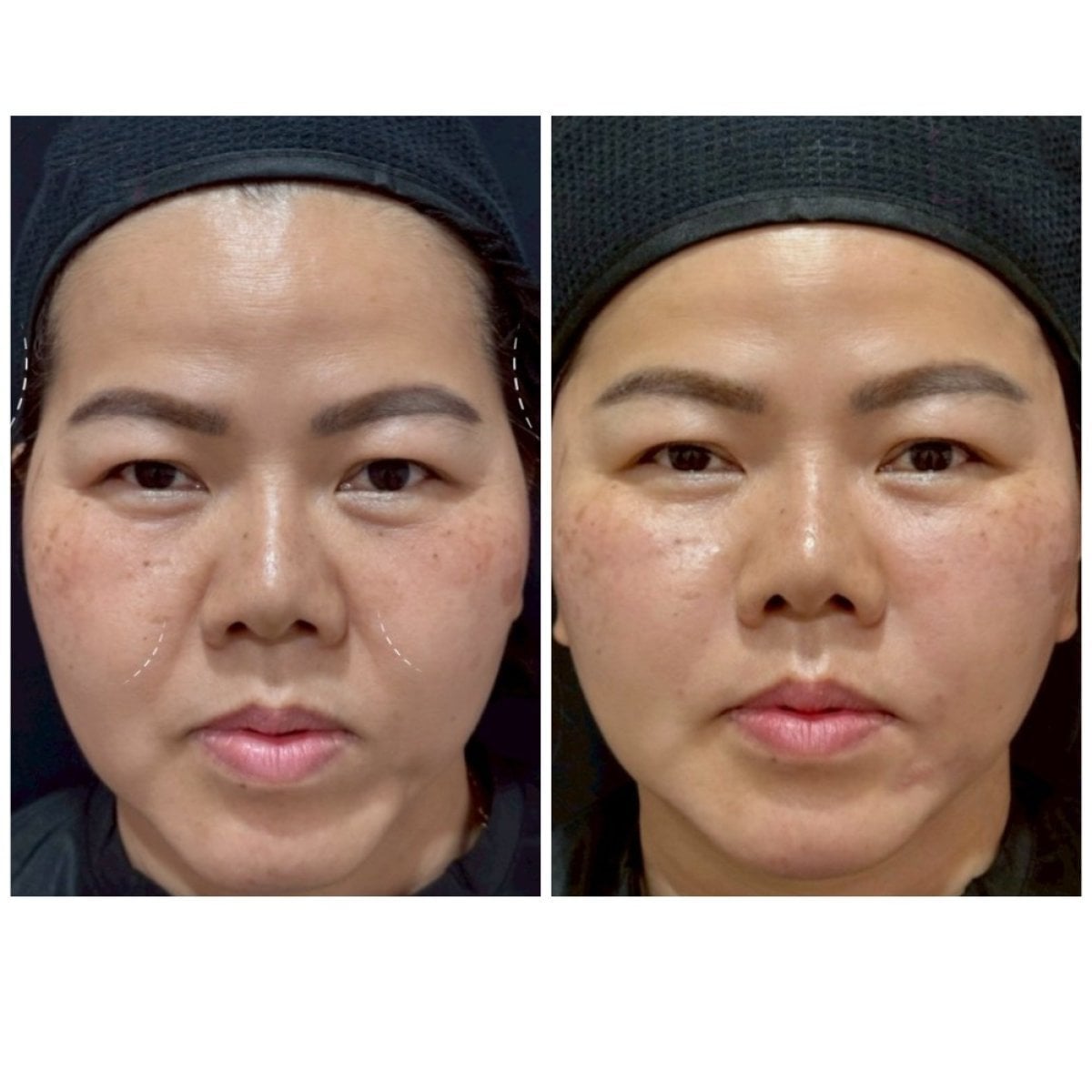
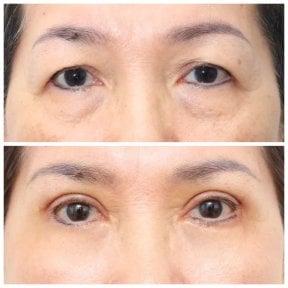
Thai clinics most frequently perform fat grafting for facial rejuvenation and breast enhancement. Patients typically seek facial fat transfer to restore volume in cheeks and under-eye hollows. Forehead smoothing and lip enhancements are also common. Body contouring often involves fat grafting to the breasts or buttocks.
Bookimed Expert Insight: Thai clinics see heavy volume for complex facial fat grafting. Surgeons like Dr Phatcharasak Kraisornphongsakul at ID Clinic Bangkok have performed over 20,000+ procedures. Experienced doctors use precise harvesting and injection techniques, which often leads to better fat retention.
Patient Consensus: Face and breasts are the top choices in Thailand. Results can vary, so patients suggest planning for potential follow-up sessions. Proper aftercare and checking a surgeon's success rate for your target area is essential.