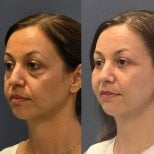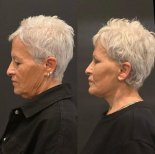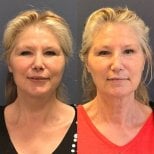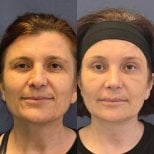
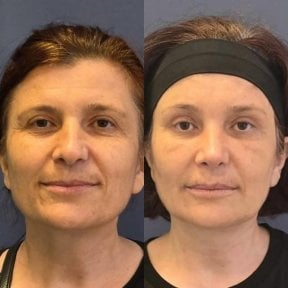
Lipofilling in Turkey typically costs from AUD $2,600 to AUD $4,900, with the final price depending on the treatment area, surgeon expertise, and chosen city. Istanbul, Antalya, and Izmir are the primary hubs for this procedure. Australians save approximately 64% compared to local prices, which average around AUD $10,300. Quotes usually include surgeon fees, hospital stays, and transfers.
Bookimed Expert Insight: While Istanbul is the primary hub, choosing clinics with specific international certifications ensures high quality. Lokman Hekim Istanbul Hospital and Memorial Şişli hold JCI accreditation, which audits patient safety. Specialists like Dr. Bulent Cihantimur use proprietary fat transfer systems to improve cell survival. Clinics such as Quartz Hospital and Dr. MED frequently serve Australian patients, often including multi-lingual assistants in their service packages.
| Turkey | Thailand | South Korea | |
| Lipofilling (Fat Grafting) | from AUD $2,600 | from AUD $2,000 | from AUD $2,100 |
Dr Murat Yaman has performed approximately 1,000 liposuctions using VASER technology, a critical first step for high-quality fat grafting and body contouring.
Dr. Aysel Pasazade is a plastic and reconstructive surgeon at Quartz Hospital in Istanbul. She holds the prestigious EBOPRAS certification. This credential confirms her competence meets high European standards. Dr. Pasazade specializes in complex body and facial transformations.
Dr. Yunus Emre Seker is a plastic surgeon at Soraca Med in Antalya. He participated in the world’s first successful uterus transplant surgical team. He also helped perform the first double-arm transplant in Turkey. Trained under Prof. Ömer Özkan, a global pioneer in reconstructive transplantation. Dr. Seker specializes in ethnic rhinoplasty and facial rejuvenation.
Dr Muhammet Mustafa Aydinol has performed over 900 successful procedures and is a leading voice in combining fat grafting with clinical aesthetics.
Fat grafting in Turkey is safe when performed in JCI-accredited facilities. The surgeon must be a board-certified plastic surgeon. Highly experienced specialists use techniques like the Cihantimur Fat Transfer System. This helps boost fat cell survival. Safety is bolstered by strict ISO quality standards and the use of autologous fat. This eliminates rejection risks.
Bookimed Expert Insight: Safety in fat grafting is linked to harvesting pressure rather than just surgeon fame. Data shows clinics using low-pressure harvesting and small fragment sizes (0.5–1mm). They get better long-term volume. Dr. Bulent Cihantimur developed a proprietary closed system. It is specifically designed to boost fat survival rates across Turkey.
Patient Consensus: Patients in Turkey highlight the importance of allowing 6–9 months. Final results take this time to settle. They recommend choosing clinics that provide transparent video consultations. These clinics also offer detailed aftercare support for a smooth recovery.
Turkish clinics frequently combine lipofilling with other surgeries in a single trip. Specialists often pair fat grafting with other surgeries. These include liposuction (body contouring), breast lifts (for volume), and deep-plane facelifts (facial rejuvenation). These combinations use JCI-accredited facilities and specialist anaesthetists for safety.
Bookimed Expert Insight: High-volume centres, such as Dr. MED, handle 4,500+ plastic surgeries annually. They report a 98.5% success rate for mommy makeovers. Combining procedures can save up to 64% compared to Australian costs of $7,200. High-definition VASER technology significantly improves the outcome of combined cases.
Patient Consensus: Turkish clinics provide comprehensive bundles including hospital stays, transport, and fresh food. Fat grafting recovery takes time, so prepare for several weeks of bruising. Choosing an experienced surgeon is vital. This helps achieve the desired volume and contour results in Turkey.
Fat grafting surgery in Turkey typically takes 1 to 3 hours. Small facial filling procedures usually finish within 2 hours. Larger body areas like the breasts or buttocks require 3 hours. Final results become clear at 9 months, after the swelling settles.
Bookimed Expert Insight: Many clinics claim high retention. However, our data shows 40–50% volume loss is the biological standard. Top specialists use proprietary systems to maximise cell survival. One such specialist is Dr. Bulent Cihantimur at Doctor B Clinic. Patients should expect surgeons to intentionally overfill areas by 50%. This compensates for the natural reabsorption process.
Patient Consensus: Expect a long recovery with noticeable bruising in donor areas. Plan for time off work. Results in Turkey stabilise at 9 months. Do not judge the final look too early.
Before undergoing fat grafting in Turkey, ask about the surgeon's fat survival rates. Also ask about their specific purification method, such as the Cihantimur Fat Transfer System or centrifuge processing. Confirm their board certifications with the Turkish Society of Plastic, Reconstructive and Aesthetic Surgeons (TPRECD) or international bodies like ISAPS.
Bookimed Expert Insight: Many search for the lowest price. However, the highest value lies in technical details like cannula size. Dr. Murat Yaman at Lokman Hekim Istanbul Hospital uses VASER to minimise trauma. This is vital for long-term fat retention. Smaller cannulas under 2 mm generally produce smoother, more natural-looking contours.
Patient Consensus: Patients in Turkey highlight the importance of thorough consultations. They also stress the importance of choosing doctors who provide detailed surgical notes. They recommend preparing for a long recovery. They also note that results settle gradually over several months.
Fat grafting in Turkey is a versatile procedure. It restores volume or contour in the face, breasts, buttocks, hands, and trauma-affected areas. Surgeons harvest fat from donor sites like the abdomen or thighs. They use VASER liposuction, then inject the fat into targeted areas for rejuvenation.
Bookimed Expert Insight: Data from clinics like Dr. MED shows that Turkish specialists often suggest multi-area packages. Combining hip contouring with abdominal liposuction is common for Australian patients. This approach provides a balanced silhouette. It also gives enough fat for grafting in larger areas, such as the buttocks.
Patient Consensus: Patients in Turkey report natural results for facial and body contouring. They highlight that recovery takes patience, especially for donor site bruising. Confirming specific treatment areas during consultations leads to higher satisfaction. Success requires choosing board-certified surgeons with extensive portfolios.
Fat transfer in Turkey is a surgical, permanent solution using the patient's own tissue. Fillers are non-surgical, temporary injections of synthetic materials like hyaluronic acid. Choosing fat transfer avoids rejection risks. It also provides natural-looking volume through specialised techniques. These include the Cihantimur Fat Transfer System at Estetik International.
Bookimed Expert Insight: Fat survival is the biggest variable in Turkey. Surgeons like Dr. Bulent Cihantimur use closed-loop systems to prevent air exposure. This helps more fat take hold. While Australian costs average $7,200, Turkish clinics often bundle fat grafting with VASER liposuction. This sculpts donor areas simultaneously.
Patient Consensus: Fillers are better if patients want a predictable, dissolvable result without downtime. Fat transfer looks beautiful and ages naturally. However, it requires patience during the long recovery and potential second rounds.
Patients should plan to stay in Istanbul for 7 to 10 days for fat grafting surgery. It covers the procedure and a 1-night hospital stay. A follow-up appointment is scheduled 7 days later. This is to remove stitches and get fit-to-fly clearance from the surgeon.
Bookimed Expert Insight: Bookimed data shows that high-volume centres like Dr. MED and Quartz Hospital often include a full year of digital aftercare. Only about 30% of injected fat typically survives the first 3 months. So, having long-term access to their surgeon via telehealth is vital for planning potential top-up sessions.
Patient Consensus: Many patients travel to Turkey. They found that a 10-day stay helped manage donor area bruising more comfortably. They recommend increasing calorie intake slightly for 3 months. This helps the new fat grafts survive.
Weight fluctuations after lipofilling in Turkey directly affect results. This happens because grafted fat behaves like living tissue from the donor site. Transferred cells expand during weight gain and shrink during weight loss. Maintaining a stable weight helps keep contouring permanent and proportionate. This applies to areas like the breasts, face, or buttocks.
Bookimed Expert Insight: Turkish surgeons often recommend a slightly overfilled result. This is because 40–50% of fat may be naturally absorbed. Clinics like Quartz Hospital or Dr. MED use VASER technology to harvest high-quality cells. This specific approach helps maximise the survival rate of the fat before their weight stabilises.
Patient Consensus: Patients in Turkey report that volume looks great initially. However, long-term success depends on avoiding drastic diets. Patients should expect significant bruising in donor areas. They should plan for several weeks of recovery before seeing final proportions.