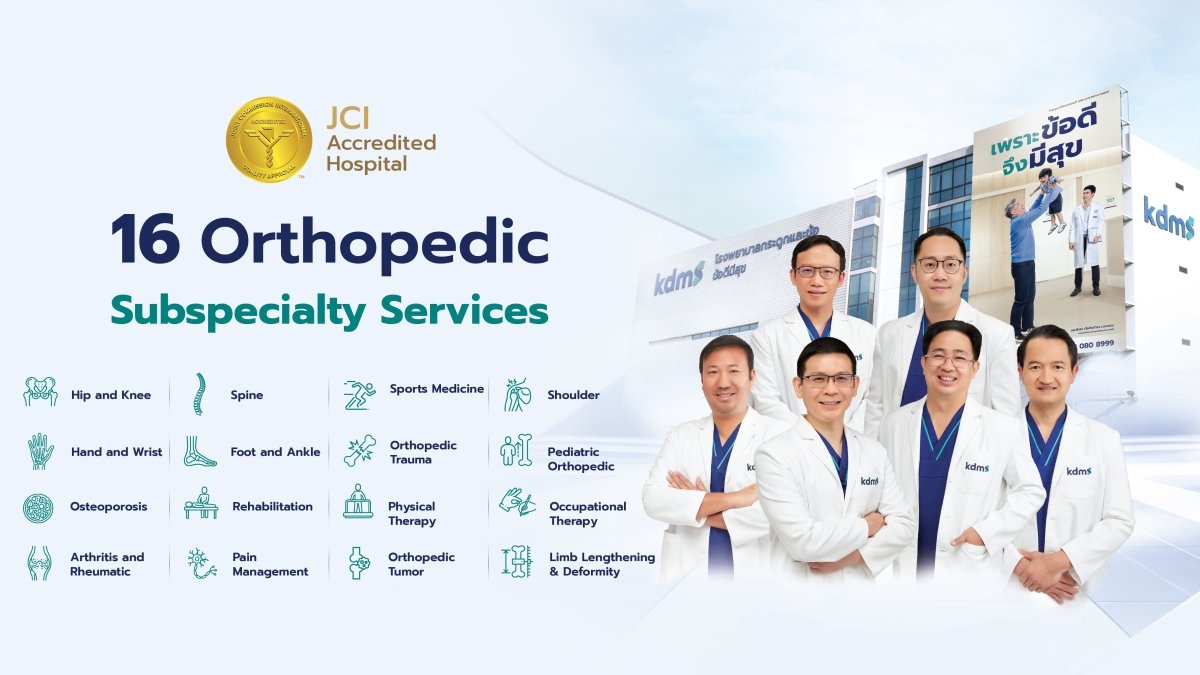
 Unicompartment Knee Arthroplasty (Both Sides) with Stryker Implant — VIP Room & Transfer
Advertiser Disclosure
Last updated: 16/11/2026
5 Best Knee replacement Clinics in Thailand — AUD Prices
Want to explore more options? You can also browse all 5 clinics below.

85 %
patient recommendation
23 K+
patients
Meet the experts behind this page
Medically reviewed by
Kayhan Turan
Authored by Anna Leonova
Head of Content Marketing Team
How it works
We've transformed the clinic search process, making it simple, fast, and personal.
Answer a few questionsTake a short quiz to share your Knee replacement goals.
Get personalised offers3 clinics, handpicked based on your answers, provide tailored treatment plans and quotes.
Choose the best optionCompare offers and choose the clinic that suits you best.
You can also browse all 5 clinics below.
1M+ patient inquiries
32+ countries
3,323 partner clinics
13,325 certified doctors
How Much Does Knee replacement Cost in Thailand in AUD?
Knee replacement in Thailand typically costs from AUD $8,700 / ฿200,600 to AUD $17,700 / ฿408,000, depending on whether the procedure is partial or total and if robotic assistance is used. Standard packages generally include surgeon fees, anaesthetic, several nights of private hospitalisation, and initial physiotherapy.
- Unicompartmental (partial) knee replacement: AUD $11,800 / ฿272,000 to AUD $17,000 / ฿391,000 for resurfacing a single damaged compartment.
- Revision knee arthroplasty: from AUD $40,600 / ฿935,000 when replacing or fixing a previous implant.
- Knee Arthroscopy: AUD $7,400 / ฿170,000 to AUD $8,100 / ฿187,000 for minor diagnostic or corrective keyhole surgery.
- Robotic-assisted surgery: Typically adds 30–50% to the cost for increased precision and potentially faster recovery.
Bookimed Expert Insight: Choosing specialized centres offers superior value beyond just the surgery. KDMS Specialized Orthopedic Hospital, Thailand's first orthopaedic-only facility, provides unicompartmental packages with Stryker implants and VIP rooms for about A$30,800. For budget-conscious travellers, Intrarat Hospital offers packages around A$11,400 with surgeons fellowship-trained in the USA. These clinics focus on efficiency, often reducing hospitalisation time and total out-of-pocket expenses for Australians.
Data verified by Bookimed as of November 2026, based on patient requests and official quotes from 262 clinics worldwide. Median costs are based on real invoices (2025–2026) and updated monthly. Actual prices may vary.
Best Knee replacement Clinics in Thailand for Australians: 5 Verified Options and AUD Prices
Procedure type
Unicompartment Knee Arthroplasty (Both Sides) with Stryker Implant — VIP Room & Transfer

 Knee Replacement with 4 Nights Hospitalization by Surgeon with 900+ Performed

 Knee Replacement Surgery Package
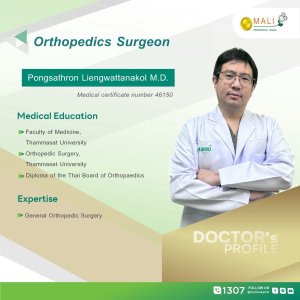


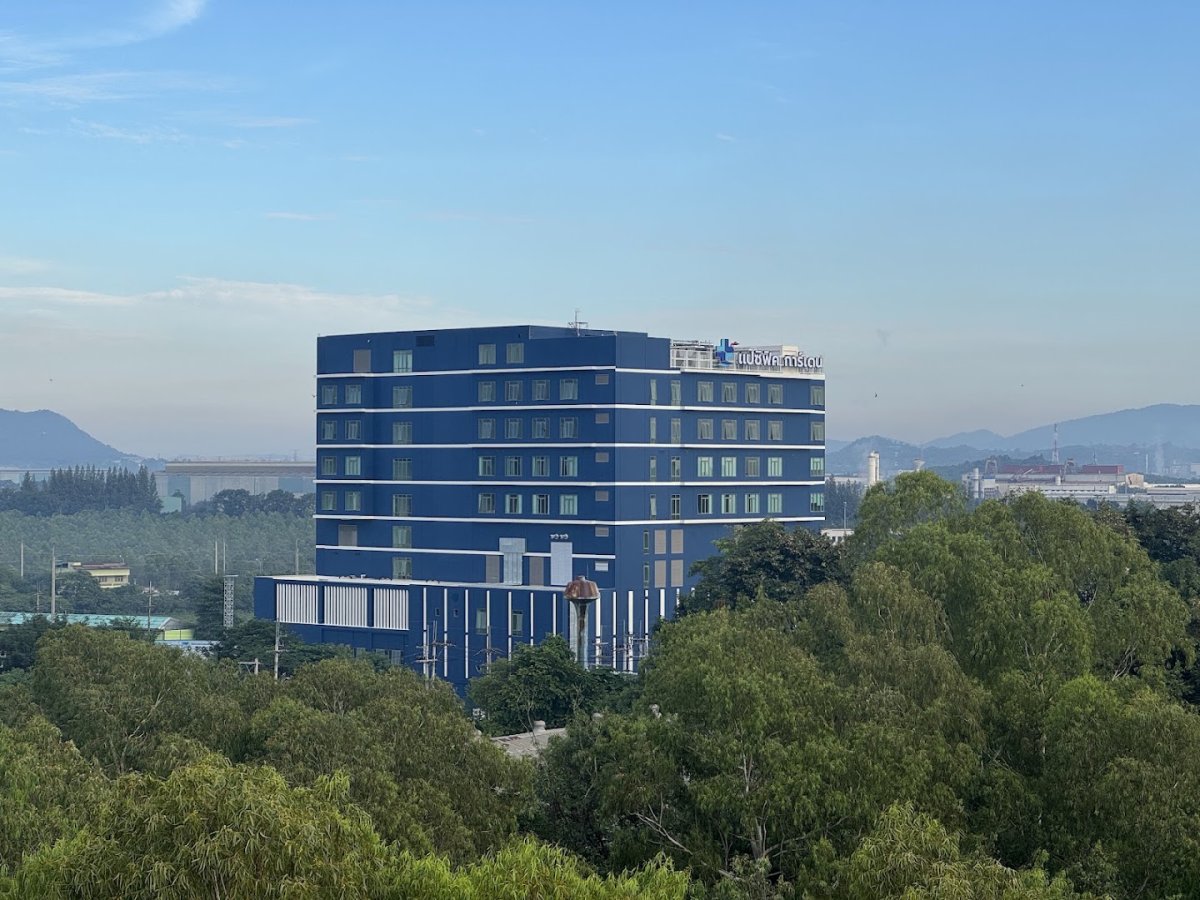 Total Knee Replacement (Standard Implant) – One Knee
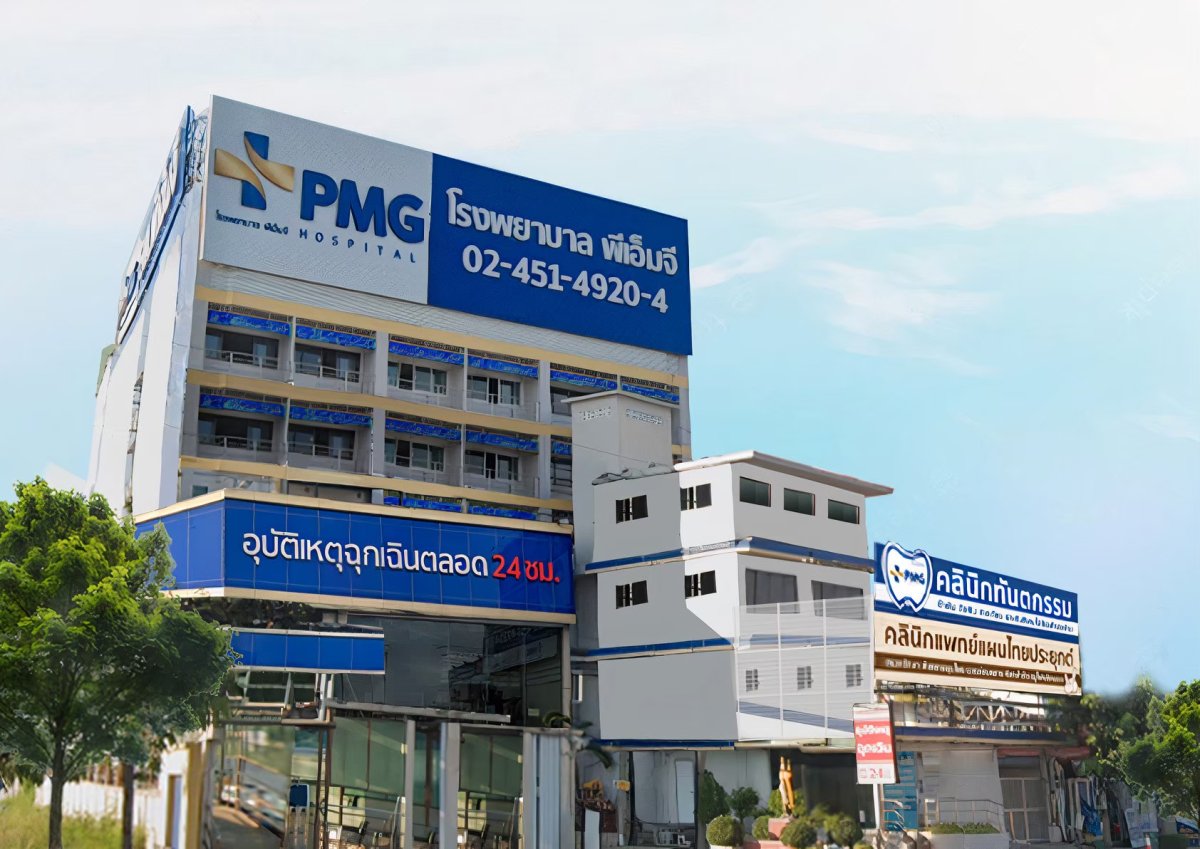 Total Knee Replacement Surgery Per Side
Knee replacement Overview in Thailand
Takeaways
Related procedures & Costs
How it works
Benefits
Payment
patients recommend -
85%
Surgery Time - 2 hours
Stay in the country - 14 days
Rehabilitation - 6 days
Anaesthesia - General anaesthesia
Requests processed - 23249
Verified patient reviews - 16
Bookimed fees - $0
Types of Knee replacement
- Knee Arthroscopy - from AUD $7,376The procedure involves inspecting or repairing knee joint issues through small incisions, offering quick recovery and less scarring.
- Knee replacement - from AUD $8,704The procedure replaces worn-out knee joint parts, enhances mobility, and reduces pain through surgical intervention.
- Knee MAKOplasty - from AUD $19,472This therapy is a robotic-assisted knee surgery, enhancing precision, reducing complications, and improving recovery times.
- Unicompartmental (partial) knee replacement - from AUD $11,801The procedure replaces only one part of the knee, less invasive and provides faster recovery.
- Total knee replacement (arthroplasty) revision - from AUD $8,704The operation restores an impaired knee joint by replacing a prior artificial implant with a new one.
- Revision knee arthroplasty - from AUD $40,568The operation replaces a worn-out knee joint prosthesis, relieving discomfort and enhancing mobility.
How to find best solution with Bookimed?
Check available options for your case on the website.
Request a free consultation with documents assessment.
Download your medical records and describe your needs.
Receive customised free treatment plans with prices and details.
Compare them and finalise your choice.
Agree the date for your upcoming clinic visit.
Arrive and pay at the clinic. Bookimed fees are $0 for you.
From start to finish, the Bookimed coordinator keeps you safe and comfortable during your medical journey.
100% free, non-binding assessment of your medical records
Instant FREE personalised treatment plans to make the right choice
Expert guidance in choosing the perfect Orthopedics doctor and clinic.
Special packages and exclusive prices for our patients.
24/7 Bookimed guidance at no cost, guaranteed.
Hassle-free translation of your medical documents for clinics.
Bookimed's multilingual team ensures comfortable communication.
Bookimed ensures transparent and secure payments. Patients pay at the clinic with no additional fees.
Available Payment Methods:
How to Secure an Appointment:
1. Documents: Passport and ticket copies.
or
2. Deposit:
- Bookimed deposit: $200 or €200.
- Clinic deposit: Pay a set percentage in advance.
For more information, see our Payment Policy
Our Trusted Doctors for Australian Patients
View all Doctors
verified
Dr Piya Assawaboonyadej
18 years of experience
Dr Piya Assawaboonyadej specializes in orthopedic oncology, bringing precision to knee replacements at Intrarat Hospital.
- Fellowship-trained in Orthopedic Oncology at the University of Iowa
- Lecturer at Naresuan University Hospital for 18 years
- Member of the Thai Musculoskeletal Tumor Society
- Published research on bone sarcoma and arthroscopic procedures

verified
Dr Theeracha Wuttiphan
26 years of experience
Specializes in minimally invasive knee replacements and stem cell therapy for arthritis and joint pain at ID Clinic Bangkok.
- Orthopedic surgeon with expertise in arthroscopic procedures
- Performs stem cell therapy for knee pain and arthritis
- Works at Vimut Vipavadi hospital and ID medical center
- Trained at Thammasat University Hospital and Rajavithi Hospital

verified
Apisit Rattanatanasarn
12 years of experience
Dr. Apisit Rattanatanasarn specializes in foot and ankle disorders, with advanced training from Thailand’s top institutions. His approach focuses on joint preservation and long-term functional outcomes.
- Fellowship-trained in Orthopaedic Foot and Ankle Surgery at Siriraj Hospital
- Member of Thailand Orthopaedic Foot & Ankle Society (THOFAS)
- Licensed by the Royal College of Orthopaedic Surgeons of Thailand
- Emphasizes accurate diagnosis and tailored treatment plans
verified
Wittawat Mingmongkolchaikul
16 years of experience
Specializes exclusively in knee and hip replacement surgery with fellowship training in adult reconstructive orthopedic surgery.
- Graduated with First Class Honors from Mahidol University
- Completed Thai Board of Orthopedic Surgery certification
- Performs both primary and revision joint replacements
Reviews about Bookimed: Discover Patients' Insights
All reviewsAnonymous • Knee replacement
1 Nov 2026
Waking up after the knee replacement surgery, my first impression was one of being in capable hands
Waking up after the knee replacement surgery, my first impression was one of being in capable hands. The staff was attentive. Throughout the process, the surgeon and clinical team demonstrated solid professionalism, and I felt properly supported during my stay. I appreciate that even now, during this early recovery phase, the clinic remains easy to reach whenever I have questions. One thing for others to note is that there were some additional expenses beyond the initial quoted price. Overall, it was a good experience.
Tess Raunig • Carpal Tunnel Syndrome Surgery
United States of America
25 June 2025
I am healing faster than I expected, and I am back to my computer, and piano based work 10 days later
Menness clinic is very professional, and I highly recommend them for carpal tunnel release. I had a bilateral open release done by Dr. Big, the orthopedic surgeon on staff at Menness clinic. I was nervous going in because my CTS was severe and I have cerebral palsy. I was pleased to learn that Dr. Big had performed surgery on people with CP previously, and knew exactly what to expect, and how to operate on me to get the best outcome possible. I am healing faster than I expected, and I am back to my computer, and piano based work 10 days later.
Iain • Stem cell therapy for knees
9 Aug 2025
I can't help but praise this procedure
I am absolutely thrilled with the treatment and service. I didn’t expect to feel any results for at least several months. After two days, I almost got rid of the pain, and I was told that I wouldn't feel the benefits for at least 2 months. Stay in touch. Anyone considering stem cells, contact me if you want an honest review. I can't praise this procedure enough. If I live 5 years without pain, I will definitely return for a follow-up procedure. Five-star staff and treatment ❤️
Anonymous • Stem Cell Therapy
16 Oct 2024
Things seem to go smoothly, no problems
Things seem to go smoothly, no problems, I'd like to be known in the reviews as gjj987,, because I am mostly private person
Can you put me down as gjj987 as I am a mostly private person, thank you
About Bookimed service
Well I won't know how successful the procedure has been until 1 year from now but here's hoping
Myriam • Consultation with an orthopaedist
Belgium
25 Jan 2026
Trustworthy atmosphere
A car picks you up and takes you back, which is great given the hospital's location. Trustworthy atmosphere
Excellent welcome and professionalism of the staff
Anonymous
4 Sept 2019
Everything is of high quality, fast and neat
Everything is of high quality, fast and neat. From administration to the doctor. I advise.
Share this content
Video Stories from Bookimed Patients
Dayana
I combined my vacation in Antalya with a check-up.
Procedure: Female check-up
Igor
It was great! Transfers, accommodation, treatment—all included.
Procedure: Dental Implant
Marina
Bookimed did everything for me. I didn't have to worry about anything.
Procedure: Female check-up
Updated: 16/11/2026
Authored by
 Anna Leonova
Head of Content Marketing Team
A certified medical writer with 10+ years of experience, developed Bookimed’s trusted content, backed by a Master’s in Philology and medical expert interviews worldwide.
Reviewed by Bookimed Medical Advisor
Kayhan Turan
Orthopedic surgeon
Dr. Kayhan Turan is an orthopedic surgeon specializing in robotic-assisted joint replacement and sports medicine. He performed Turkey's first robotic knee and hip replacements and has completed over 3,500 robotic surgeries.
Kayhan Turan LinkedinThis page may feature information relating to various medical conditions, treatments, and healthcare services available in different countries. Please be advised that the content is provided for informational purposes only and should not be construed as medical advice or guidance. Please consult with your doctor or a qualified medical professional before starting or changing medical treatment.
FAQ about Knee replacement in Thailand
These FAQs come from real patients seeking medical assistance through Bookimed. Answers are given by experienced medical coordinators and trusted clinic representatives.
Are hospitals in Thailand safe and internationally accredited for a knee replacement?
Hospitals in Thailand are safe and maintain high standards through international accreditations. Major facilities in Bangkok and Phuket hold Joint Commission International (JCI) and ISO 9001:2015 certifications. Many surgeons have completed clinical fellowships in Australia or the United States. They often specialise in robotic-assisted joint reconstruction.
- Accreditation standards: Facilities like Bumrungrad International Hospital and Sikarin Hospital maintain JCI-accredited safety protocols.
- Surgeon credentials: Dr Thongchai Theerajumyaporn at Intrarat Hospital completed clinical training in Melbourne, Australia.
- Technology: Specialists use robotic systems like MAKO and OMNI for precise implant alignment.
- Specialised care: KDMS Specialized Orthopedic Hospital focuses exclusively on musculoskeletal surgery and joint reconstruction.
Bookimed Expert Insight: Thai clinics often specialise in complex cases. LUX KOR Hospital focuses on knee replacements for overweight patients. They use Johnson & Johnson implants and provide 24-hour nurse support. This focus on high-BMI patients shows technical expertise not found in every facility.
Patient Consensus: Hospitals in Thailand offer high-quality care with English-speaking international services available. Patients recommend arranging local physiotherapy and wound checks before flying back to Australia. They often suggest saving copies of JCI documentation and medical reports for local GP follow-ups.
What are the professional qualifications of orthopaedic surgeons performing knee replacements in Thailand?
Orthopaedic surgeons in Thailand must hold a medical degree and a diploma from the Thai Board of Orthopaedic Surgery. Most specialists at international hospitals complete additional fellowships in adult reconstructive surgery. They also maintain memberships with the Royal College of Orthopaedic Surgeons of Thailand (RCOST).
- Medical education: Completion of a 6-year Doctor of Medicine (MD) degree from accredited universities.
- Specialist residency: A 4-year orthopaedic surgery residency overseen by the Royal College of Orthopaedic Surgeons.
- Subspecialist training: Many surgeons hold fellowships in hip and knee reconstruction or robotic-assisted surgery.
- Clinical experience: Leading surgeons such as Dr Piya Assawaboonyadej have performed 900+ procedures.
- International credentials: Experts often complete fellowships at Western institutions like Stanford University or the University of Iowa.
Bookimed Expert Insight: Thai orthopaedic specialists often bridge the gap between local and international training. Dr Thongchai Theerajumyaporn at Intrarat Hospital, for example, holds fellowships from the USA. He also has specialised training from SureCell in Melbourne, Australia. This cross-continental training is common among doctors at JCI-accredited facilities. These surgeons regularly manage high volumes of complex international cases.
Patient Consensus: Patients recommend checking if a surgeon specialises specifically in arthroplasty rather than general orthopaedics. Most foreigners find reassurance in surgeons who share documented evidence of their international fellowships.
What are the risks of flying back to Australia after a knee replacement in Thailand?
Flying from Thailand to Australia after knee replacement involves medical risks. The 7 to 9 hour flight duration makes travel challenging. Prolonged immobility in a pressurised cabin increases the chance of deep vein thrombosis (DVT). It also raises the risk of pulmonary embolism and surgical wound complications.
- Blood clot risk: Long-haul flights increase risks of DVT and life-threatening pulmonary embolism.
- Joint swelling: Cabin pressure and restrictive seating often cause severe stiffness and fluid buildup.
- Fit-to-fly clearance: Most airlines require formal medical paperwork from the surgeon for early travel.
- Wound integrity: Rapid altitude changes and stress may cause surgical incisions to reopen mid-flight.
- Airport security: Titanium or cobalt-chromium implants will trigger metal detectors, requiring secondary body scans.
Bookimed Expert Insight: Thai clinics frequently use robotic platforms like MAKO for knee surgery to improve precision. Surgeons such as Dr Rapeepat Narkbunnam at KDMS Specialized Orthopedic Hospital have training in these reconstructive methods. Shorter, robotic procedures often lead to less soft-tissue damage. This helps manage in-flight swelling more effectively.
Patient Consensus: Travellers highlight that airport transit is often more physically demanding than the flight. They recommend pre-booking wheelchair assistance and keeping discharge papers in carry-on luggage. Many found that staying hydrated and performing light leg exercises prevented the limb feeling overly tight.
How long do I need to stay in Thailand for my knee replacement procedure?
Most patients stay in Thailand for 14 to 21 days. This allows time for the surgery and recovery before the flight to Australia. This period includes 3 to 5 nights in hospital plus outpatient physiotherapy and wound monitoring.
- Inpatient stay: Packages often include 3 to 5 nights of hospitalisation for monitoring after surgery.
- Clinical clearance: Surgeons usually require 10 to 14 days post-surgery before issuing fit-to-fly certificates.
- Mobility milestones: Plan to stay until you can manage basic walking and stairs during physiotherapy.
- Clot prevention: A 14-day minimum stay helps reduce deep vein thrombosis risks during transit.
Bookimed Expert Insight: Clinics like KDMS Specialized Orthopedic Hospital and LUX KOR Hospital bundle 3 to 5 hospital nights. However, hotel stays are extra. Australians should book a hotel with wheelchair access for those final 10 days. Hotel rooms are not usually included in the base price.
Patient Consensus: Patients suggest staying long enough to manage stairs and confirm wound healing. Many found that staying at least 2 weeks allowed them to finish initial rehab and manage swelling.
Are robotic-assisted knee replacements available in Thailand?
Robotic-assisted knee replacements are available in Thailand at specialised orthopaedic centres and major international hospitals. Surgeons use platforms like Stryker Mako and VELYS to improve implant alignment. These procedures are primary options for knee reconstructions in Bangkok hubs.
- Specialised facilities: KDMS Specialized Orthopedic Hospital focuses exclusively on orthopaedic care.
- Precision platforms: Clinics offer Mako SmartRobotics and VELYS digital precision for personalised fits.
- Expert specialists: Surgeons such as Dr Rapeepat Narkbunnam specialise in robotic-assisted joint reconstruction.
- International standards: Major centres like Bumrungrad and Bangkok Hospital Pattaya maintain JCI accreditation.
Bookimed Expert Insight: Data shows that choosing a dedicated orthopaedic facility like KDMS can be safer. These centres house 50+ specialists and perform 1,000+ targeted procedures annually. This high volume often leads to better recovery results than general hospitals.
Patient Consensus: Patients find that robotic surgery in Thailand allows for faster walking after the procedure. Confirm the specific robot brand and surgeon case volume before travelling.
Can I have both knees replaced at the same time in Thailand?
Simultaneous bilateral knee replacement is available in Thailand for patients meeting specific health and safety criteria. Centres like KDMS Specialized Orthopaedic Hospital and LUX KOR Hospital perform one-stage double procedures. This approach requires excellent heart health and strong upper body motivation for rehabilitation.
- Clinical criteria: Doctors prefer patients under 75 with no history of severe heart disease.
- Technology: Surgeons use robotic-assisted platforms like MAKO for precise bone cuts and alignment.
- Package inclusions: Bilateral offers often bundle VIP rooms, nursing, hospital stays and airport transfers.
- Expert vetting: Dr Thongchai Theerajumyaporn at Intrarat Hospital holds clinical training credentials from Melbourne, Australia.
Bookimed Expert Insight: Data shows a massive experience gap in Thai orthopaedics. While general hospitals treat many cases, specialised facilities like KDMS focus purely on joints. Dr Piya Assawaboonyadej at Intrarat Hospital has performed 900+ procedures. Choosing a high-volume specialist is vital when bypassing the safety of a good leg.
Patient Consensus: Recovery in Thailand is more demanding without a good leg to lean on. Having a support person helps with basic care and transfers. Patients recommend staying at least 3 weeks before flying back to Australia.
How soon can I expect to start walking after a knee replacement in Thailand?
Patients typically start walking with assistance between 6 and 24 hours after surgery in Thailand. Leading Bangkok hospitals use robotic systems and recovery protocols. This allows most people to take small, supervised steps on the same day.
- Hospital day 1: Take initial short steps with a frame to help blood circulation.
- Hospital days 2–5: Practise walking to the bathroom with a physical therapist before discharge.
- Weeks 2–3: Transition to a cane while managing up to 15 minutes of walking.
- Weeks 4–6: Achieve independent movement and receive surgeon clearance for long-haul flights home.
Bookimed Expert Insight: While many clinics focus on the surgery, specific centres like LUX KOR Hospital specialise in bilateral procedures. This is vital because recovery timelines vary for single or double knee replacements. Australian patients should look for surgeons like Dr Thongchai Theerajumyaporn at Intrarat Hospital. He holds clinical training credentials specifically from Melbourne.
Patient Consensus: Initial steps in Thailand are short and supervised to prevent stiffness. Most travellers recommend booking hotels with lift access and arranging airport assistance for the journey back.