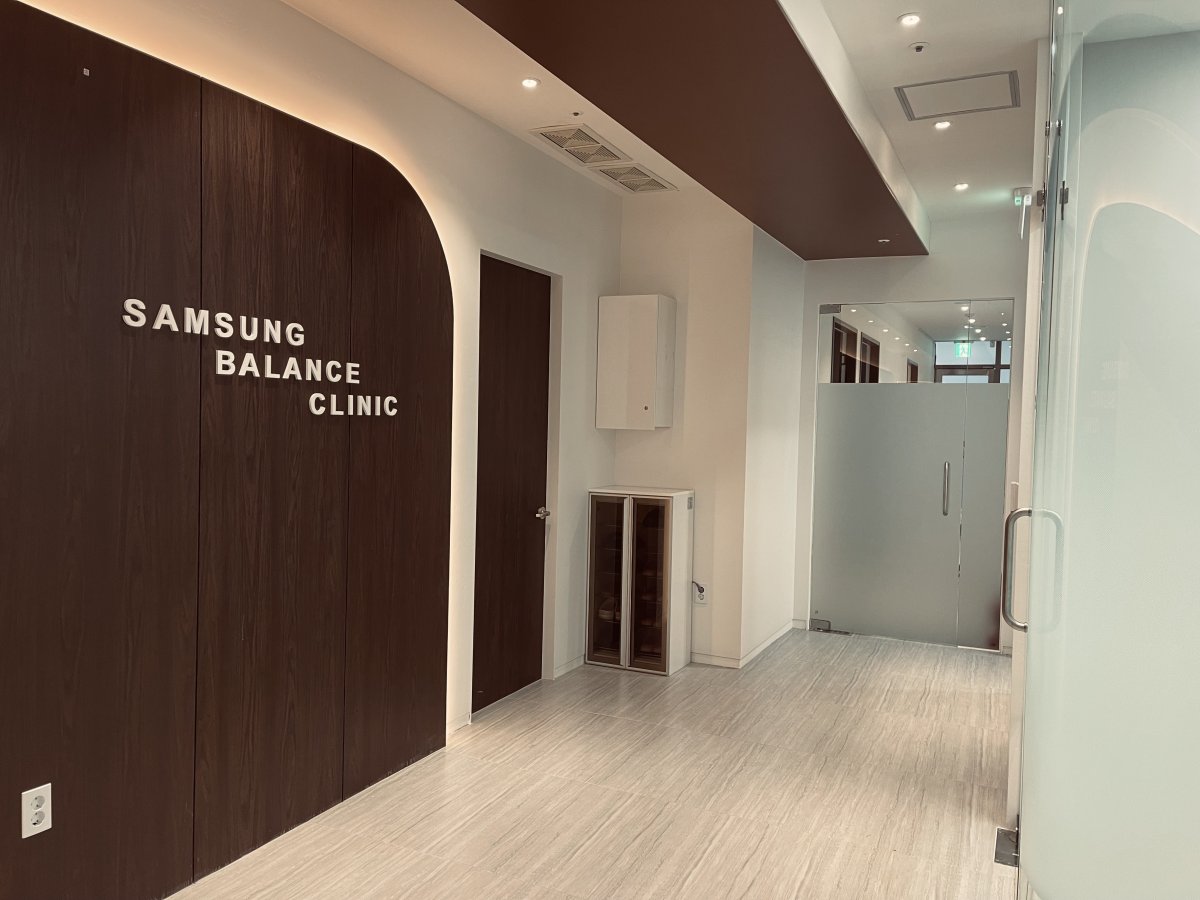
samsungbalance clinic
Republic of Korea, Seoul

Medically reviewed by
Kayhan Turan
Knee replacement in the Republic of Korea typically costs from AUD $19,300 to AUD $28,200. Final prices depend on the choice between unilateral or bilateral surgery, the implant brand, and the hospital tier. High-quality South Korean packages often include the prosthesis, surgery, pre-operative tests, and a hospital stay of up to two weeks.
Bookimed Expert Insight: Paying for a digital hospital in Seoul offers unmatched precision. Seoul National University Bundang Hospital uses the South Korean developed BESTcare system to prevent medical errors. While premium hubs like Asan Medical Center handle vast patient volumes, Busan-based Kang Dong Hospital offers competitive alternatives with decades of orthopedic focus. Many clinics like Leadheal Hospital specifically welcome Australian patients, providing high-tech joint replacement without long public waitlists.
| Republic of Korea | Thailand | Turkey | |
|---|---|---|---|
| Knee replacement | from AUD $19,300 | from AUD $8,800 | from AUD $5,200 |
| Unicompartmental (partial) knee replacement | from AUD $22,300 | from AUD $11,900 | from AUD $13,400 |
| Total knee replacement (arthroplasty) revision | ≈ AUD $16,300 | from AUD $8,800 | from AUD $9,800 |
| Total knee replacement (TKR) with OMNI | ≈ AUD $18,500 | ≈ AUD $14,100 | from AUD $16,300 |
| Total Knee Replacement (Arthroplasty) | from AUD $18,800 | from AUD $11,700 | from AUD $11,600 |
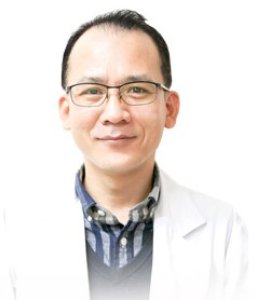
Dr. Lee Dongyeop is an orthopedic surgeon specializing in arthroscopy and joint replacement. He performs arthroscopic surgery (joint endoscopy) and total knee replacement. He treats shoulder disorders, sports injuries, and chronic knee conditions.
Credentials: M.D.-Ph.D. combined program, The Catholic University of Korea Graduate School of Medicine. Internship and orthopedic surgery residency, The Catholic University of Korea Catholic Medical Center. Clinical Instructor (fellow), Seoul St. Mary's Hospital, The Catholic University of Korea.
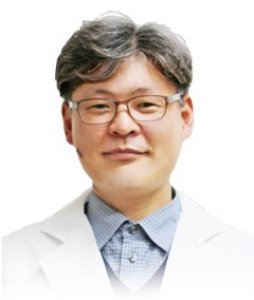
Dr. Yang Yeongjun is an orthopedic surgeon focused on joint care and arthroscopy. He treats knee and shoulder disorders and performs arthroscopic surgery and joint replacement (arthroplasty). He also manages trauma and sports conditions, including sports injuries, foot and ankle problems, carpal tunnel syndrome, and fractures.
He completed his orthopedic surgery residency at Catholic Medical Center. He then completed a fellowship at Catholic Medical Center St. Paul’s Hospital. He is a full member of the Korean Arthroscopy Society, the Korean Knee Society, and the Korean Shoulder and Elbow Society.
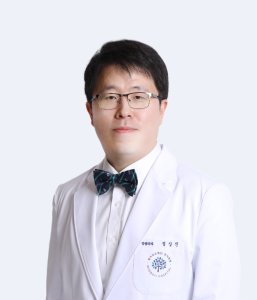
Dr. Jung Sang Jin is a Clinical Professor of Orthopedic Surgery at Myongji Hospital, an educational partner of Hanyang University. He specializes in joint replacement, knee conditions, lower-extremity trauma, diabetic foot, arthritis, and osteoporosis.
He earned his MD and MSc from Konyang University. He completed his internship and orthopedic residency at Konyang University Hospital. He then finished a hip and knee arthroplasty clinical fellowship at Samsung Medical Center. He also completed AO Recon advanced arthroplasty training in Davos. In addition, he finished the AO Trauma Masters and AO Recon Hip and Knee courses. He is a member of the Korean Orthopaedic Association, Korean Knee Society, Korean Fracture Society, Korean Society of Sports Medicine, Korean Hip Society, and AO Trauma and AO Recon. He has published on hip replacement outcomes. He received a KOA poster award in 2023.
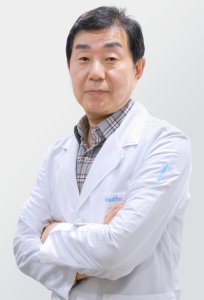
Dr. Jang Hyo Kim is an orthopedic surgeon at Leadheal Hospital in Seoul. He specializes in joint preservation and complex reconstruction. He completed a fellowship in Ilizarov external fixation surgery in Russia. Dr. Kim currently serves as the Joint Center Director at Very Good Hospital. He is an adjunct professor at Kyung Hee University.
 Anna Leonova
Australian citizens generally do not need a medical visa for knee replacement surgery in South Korea. This applies to stays under 90 days. Most patients enter on a visa-free tourist status. They can then access JCI-accredited facilities in Seoul and Incheon. These facilities offer robotic-assisted orthopaedic procedures and rehabilitation.
Bookimed Expert Insight: While a visa is rarely needed, hospitals like Gangnam Severance Hospital offer free interpreter services. These coordinators bridge the gap between surgeons and Australian patients during complex consultations. This support is vital when discussing OMNI robotic knee systems or cementless implants.
Patient Consensus: Standard tourist entry is sufficient for elective surgery in South Korea. Patients find that hospital departments efficiently handle airport transfers and accommodation bookings locally.
Most surgeons at major Republic of Korea hospitals speak English. Leading specialists often complete international fellowships or training in countries like Canada. Large JCI-accredited centres in Seoul maintain dedicated international healthcare departments. These departments include coordinators and 24/7 interpreters to assist Australian patients throughout their treatment.
Bookimed Expert Insight: Language support is most robust at university-affiliated hospitals. For example, Seoul National University Hospital treats 30,000+ international patients annually. These larger institutions typically embed 24/7 translation services into the surgical fee. Smaller private clinics, however, may rely on mobile translation apps or external staff.
Patient Consensus: Doctors at major Seoul hospitals communicate well in English. Patients find that international clinics provide professional medical translators to bridge any gaps. Using translation apps as a backup and bringing printed medical summaries helps ensure every detail is understood during appointments in the Republic of Korea.
Knee replacement recovery in South Korea typically involves a 7 to 14 day hospital stay. Most patients return to daily activities within 6 weeks, while tissue healing continues for 12 months. Specialists at Newsweek-ranked hospitals like Severance Hospital often use robotic systems to enhance precision.
Bookimed Expert Insight: South Korean orthopaedic centres like Leadheal Hospital handle over 40,000 patients annually. This massive volume means surgeons often perform 500+ joint replacements each year. This significantly reduces the likelihood of common surgical errors.
Patient Consensus: South Korea offers intensive daily rehabilitation during the first 3 weeks. Patients suggest getting a written physiotherapy protocol for a smooth transition to Australian clinics.
South Korea hosts several top-tier hospitals for knee replacement. These include Asan Medical Center, Severance Hospital, and Seoul National University Bundang Hospital. These facilities offer robotic-assisted surgery and MAKOplasty. They maintain Joint Commission International (JCI) accreditation and serve over 1,000,000 patients annually in major Seoul centres.
Bookimed Expert Insight: Major university hospitals handle massive volumes. However, specialised centres like Nanoori Hospital offer faster theatre access for international patients. Dr Kwangyeal Lee at Nanoori is certified by the Asia-Pacific Orthopaedic Association. This provides a high level of specialist expertise. Patients also avoid the long wait times often found at larger Seoul institutions.
Patient Consensus: Seoul clinics like Nanoori are frequently praised for their specialist focus. Patients in South Korea often mention that using shared wards significantly lowers costs. This is a significant saving compared to private rooms.
Patients in South Korea typically take their first steps within 24 hours of knee replacement surgery. Specialists encourage early movement to prevent blood clots and stiffness. Patients will use a walker or crutches initially. A physiotherapist guides their first short walks from the hospital bed.
Bookimed Expert Insight: While basic walking starts quickly, South Korean hospitals like Severance or Asan Medical Center often keep patients for 7–14 days for intensive rehabilitation. This longer stay is different from the quick discharge in Australia. It ensures they are fully mobile before their flight home.
Patient Consensus: Patients mention feeling steady on their feet much sooner than expected. They appreciated daily help from the medical team. This helped them practise walking and stairs in Seoul.
Patients should plan to stay in South Korea for 14 to 21 days following a knee replacement. This timeframe allows for 2 to 5 days of inpatient hospital care and comprehensive post-operative monitoring. Most surgical teams require this period. It allows patients to regain mobility for the long-haul flight back to Australia.
Bookimed Expert Insight: South Korean clinics often specialise in the Jiffy Knee subvastus approach. This technique spares the quadriceps tendon. Data shows this helps patients regain muscle control faster than traditional surgery. Choosing a clinic like Asan Medical Center also provides a personal coordinator. This coordinator manages local logistics during recovery.
Patient Consensus: Patients should expect to stay at least 14 days in Seoul to safely manage follow-up appointments. Staying in accommodation with an elevator is essential for early recovery on crutches.
South Korean hospitals provide comprehensive support for international patients undergoing knee replacements, including English-speaking coordinators, visa assistance, and airport transfers. Leading facilities hold Global Healthcare Accreditation (GHA) or Joint Commission International (JCI) certifications. These meet safety standards for medical tourists travelling from regions like Australia.
Bookimed Expert Insight: While many clinics offer basic support, Seoul National University Bundang Hospital is the first fully digital hospital in Korea. This digital infrastructure streamlines the transfer of medical records back to Australian GPs. This supports safer long-term monitoring of knee implants and joint function.
Patient Consensus: Patients value the dedicated medical tourism departments in Seoul that manage everything from visa paperwork to airport transfers. They suggest confirming the exact knee implant brand used for compatibility with future care in Australia.