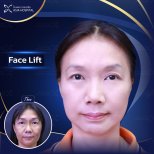
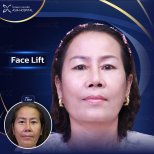
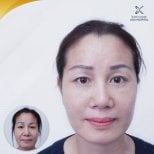

4.0
(23 reviews) 28 years of experience
15000 treatments
Board-certified
Deep Plane Facelift at a JCI-Accredited Hospital — Precision & Natural Contours
Deep plane facelift surgery in Thailand typically costs from AUD $4,900 / ฿115,600 to AUD $9,400 / ฿221,000, with specific pricing influenced by clinic accreditation, surgeon tenure, and the extent of facial rejuvenation required. In Australia, patients often face average costs of AUD $27,100 / ฿639,200 for similar surgical intervention. By choosing accredited facilities in Bangkok or Chiang Mai, Australians can achieve savings of approximately 73%. Standard packages often include general anaesthesia, private hospital stays, post-operative medications, and local VIP transfers.
Bookimed Expert Insight: High success rates make Thailand a strategic choice, with Wansiri Hospital reporting a 99% success rate for deep plane facelifts. Many clinics cater specifically to Australians, offering all-inclusive value. For example, Asia Cosmetic Hospital provides a JCI-accredited package for approximately A$8,100. This includes VIP transfers and a private room, which helps manage total out-of-pocket travel costs effectively.
| Thailand | Turkey | South Korea | |
| Deep Plane Facelift | from AUD $4,900 / ฿115,600 | from AUD $5,900 / ฿139,400 | from AUD $12,200 / ฿289,000 |
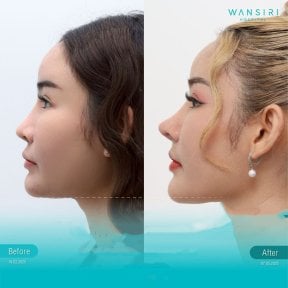
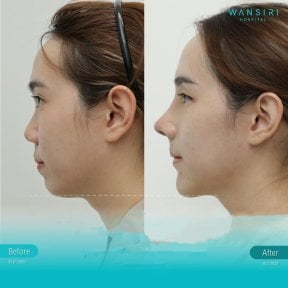
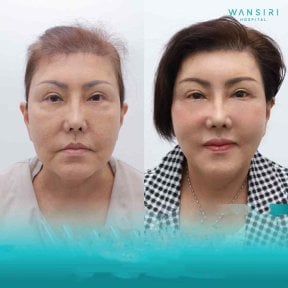
Dr Phatcharasak Kraisornphongsakul Md has performed over 20,000 treatments, making him one of the most high-volume plastic surgeons at ID Clinic Bangkok.
Professor Jiraroch Meevassana is a specialist plastic surgeon at Wansiri Hospital who has performed over 900 successful treatments.
Dr Tanongsak Panyawirunroj is a highly trained plastic surgeon at Asia Cosmetic Hospital who holds international certifications in craniofacial and aesthetic surgery from Taiwan, Canada, and South Korea.
Dr Saran Wannachamras brings international expertise from his plastic and reconstructive surgery training at the Eastern Virginia Medical School in the United States.
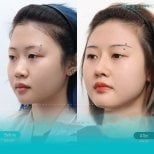
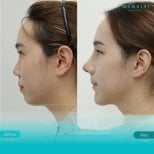
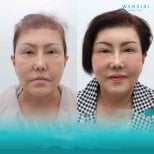
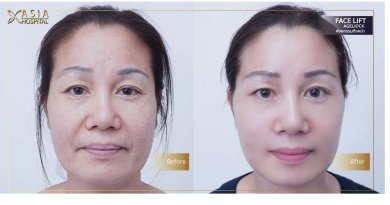
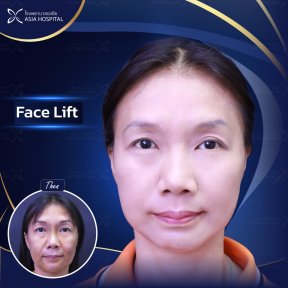
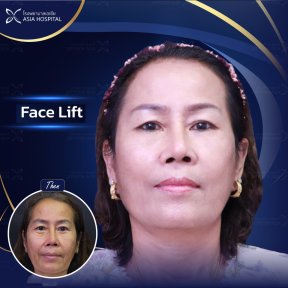
A deep plane facelift in Thailand is a surgical procedure that lifts the skin and muscle layer as one unit. Unlike a standard facelift that pulls the skin, this technique releases deep ligaments. This repositions midface and jawline tissues for natural results that last a decade.
Bookimed Expert Insight: Surgeons in Thailand, such as Dr Ben Benjawan, now lecture globally on deep plane techniques. They are also co-developing hybrid SMAS methods. While the procedure costs from $3,400 to $3,400, it offers up to 73% savings compared to Australia’s $18,800 average.
Patient Consensus: Patients in Thailand report that results look more natural and less operated than expected. Helpful staff and coordination from Australia are frequently mentioned as highlights of the experience.
Deep plane facelifts in Thailand offer superior durability. Surgeons release deeper facial ligaments to lift the muscle layer as a single unit. This technique provides a stable, natural result that typically lasts 10–15 years. Specialist clinics in Bangkok handle over 63,000 international patient requests annually.
Bookimed Expert Insight: Thai surgeons often combine deep plane lifts with fat grafting to address volume loss. This is a key reason these results look better for longer. While a standard facelift averages $18,800 in Australia, these combined techniques in Bangkok start from $3,400.
Patient Consensus: Australians often report that attentive nursing care and friendly staff in Thailand ease the recovery. Patients highlight the importance of choosing a surgeon who explains how deep plane techniques suit their anatomy.
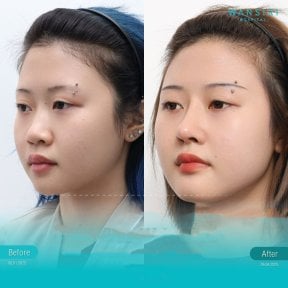
Patients typically see final results from a deep plane facelift in Thailand between 6 and 12 months. While bruising fades within 4 weeks, deep tissue swelling takes time to resolve. This must happen before the redefined jawline and neck contours become fully visible.
Bookimed Expert Insight: Thai clinics like Dr. Chen Surgery Hospital use hyperbaric oxygen therapy and 3D facial scanning to manage swelling. While many patients feel travel-ready after 14 days, experienced surgeons confirm local refinement continues. This includes specialists like Dr. Phatcharasak Kraisornphongsakul who has performed 20,000+ procedures.
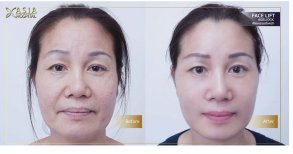
Patient Consensus: Expect the face to feel tight or look slightly uneven during the first 6 weeks. Patients report that true contours only emerge after 3 months. This makes mid-term photos much more accurate than immediate post-op snapshots.