
4.0
(23 reviews) 28 years of experience
Thread Lift for Face & Neck — Minimally Invasive PDO Treatment
A nonsurgical facelift in Thailand typically costs between AUD $640 / ฿15,300 and AUD $2,100 / ฿51,000. Prices depend on the chosen technology, the number of treatment areas, and the clinic location. In Australia, patients often pay around AUD $7,700 / ฿183,600, meaning travelling to Thailand can provide savings of approximately 82%. Standard packages usually include a specialist consultation, FDA-certified materials, local anaesthetic, and follow-up care.
Bookimed Expert Insight: Choosing specialized aesthetic clinics often provides better value than general hospitals. ASIA CLINIC, for instance, focuses on dermatology and offers Ultraformer MPT packages for approximately A$2,200. These facilities maintain high standards, with clinics like Asia Cosmetic Hospital holding JCI accreditation. Many Thai specialists, including Dr. Chen Chaicharncheep, have secondary training from South Korea, ensuring they use the latest facial rejuvenation techniques.
| Thailand | Turkey | South Korea | |
| Nonsurgical Facelift | from AUD $640 / ฿15,300 | from AUD $2,000 / ฿47,600 | from AUD $1,600 / ฿37,400 |
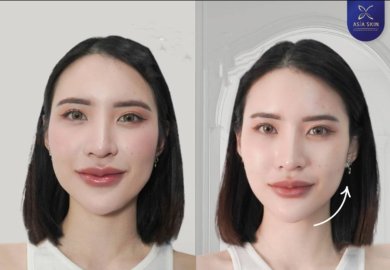
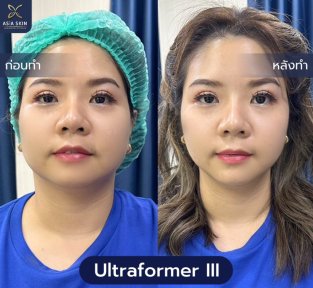
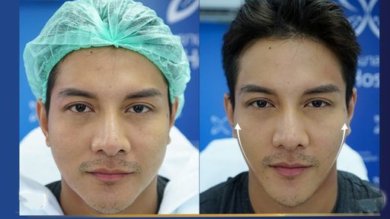
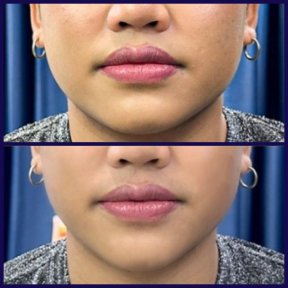
Dr Sirintip Jira-adisai is a highly regarded specialist in anti-aging and dermatology who has performed over 900 cosmetic treatments.
Dr. Ariyapon Lortaraprasert has performed over 10,000 operations at the JCI-accredited Navamin 9 Hospital. He specializes in hair restoration and aesthetic medicine in Bangkok. Dr. Lortaraprasert is a member of the International Society of Hair Restoration Surgery (ISHRS).
Dr. Siriporn Cheawchanwej is an aesthetic physician at Somchai Clinic in Bangkok. She has performed over 15,000 procedures throughout her career. She holds a Diploma in Aesthetic Medicine from the American Academy of Aesthetic Medicine. Dr. Cheawchanwej completed specific training in facial design at Mae Fah Luang University.
Dr Napat Jirattitikarntavorn specialises in facial design and rejuvenation at Menness Wellness Clinic. He focuses on enhancing patient confidence through evidence-based aesthetic care.
Non-surgical facelifts in Thailand are generally safe when performed by board-certified dermatologists. These specialists often work in JCI-accredited hospitals. Primary risks include infection, thread migration, or vascular occlusion from fillers. Australian doctors manage complications by treating symptoms locally. Medicare usually excludes costs for corrective work following cosmetic tourism.
Bookimed Expert Insight: Many Australian patients visit clinics like ASIA CLINIC. Doctors there often use brands such as Restylane or Juvederm. Selecting these recognised brands is vital. It allows Australian GPs to identify what was injected if issues arise later.
Patient Consensus: Patients suggest getting a written aftercare plan and batch numbers before leaving Thailand. They found that results are subtle compared to surgery. Downtime for swelling is also often longer than clinics suggest.
Confirm the clinic's professional standing by checking for JCI (Joint Commission International) accreditation. You should also verify the practitioner with the Medical Council of Thailand (TMC). Trusted centres like Asia Cosmetic Hospital and Navamin9 Hospital maintain high safety standards through international certifications and board-certified specialists.
Bookimed Expert Insight: High-volume clinics often provide the most consistent results. Dr Pichayanith Sroysuwan at Harmony Life Center has performed over 60,000 procedures. This level of experience is common in Bangkok and usually correlates with lower complication rates.
Patient Consensus: Patients suggest verifying both the clinic and the specific doctor during a video consultation. Many recommend Thailand for the bilingual staff and the transparency regarding genuine injectable brands.
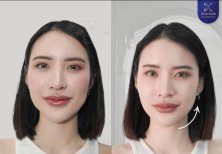
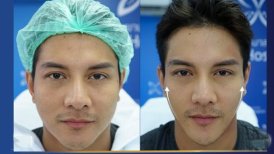
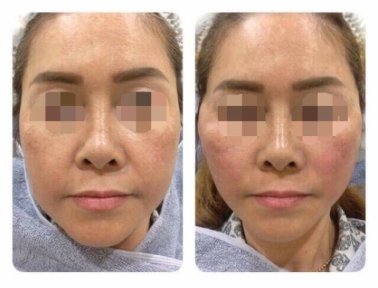
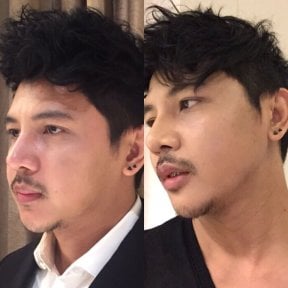
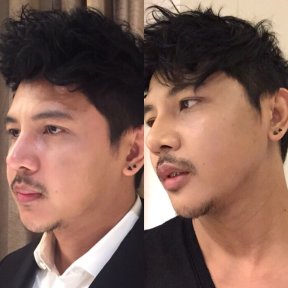
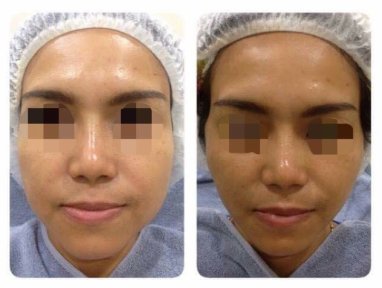
Non-surgical facelifts in Thailand use energy-based tightening and injectable techniques to lift sagging skin. Specialists use HIFU, PDO threads, and dermal fillers to restore volume and firm the jawline. Results range from subtle refreshment to noticeable skin tightening. These effects last between 6 and 24 months.
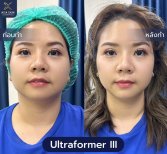
Bookimed Expert Insight: While single treatments are available, the most effective results come from combination packages. Bookimed data shows that top clinics often bundle Ultraformer MPT with PDO thread lifts. These combined protocols provide both mechanical lifting and deep tissue tightening.
Patient Consensus: Patients in Thailand find that combining volume replacement with energy-based skin tightening yields the most natural look. Most appreciate that results for mild sagging appear gradually and involve almost no downtime.
Recovery following a non-surgical facelift in Thailand is rapid. Energy-based treatments like Ultherapy or Thermage require zero downtime. Minimally invasive thread lifts involve 2–7 days of social recovery. Most patients return to light activities immediately. Results from collagen building refine over 3–6 months in JCI-accredited Bangkok facilities.
Bookimed Expert Insight: While energy-based lifts allow immediate sightseeing, Thai clinics like Asia Cosmetic Hospital often bundle a 1-day hospital stay for thread lifts. This supervised recovery allows medical staff to manage immediate post-op swelling before patients return to their hotels. This provides a higher standard of care than typical outpatient clinics.
Patient Consensus: Expect the first week in Thailand to involve some tightness or pressure. Most travellers feel presentable by week 2. Many recommend staying locally for 7–10 days before flying home.
Non-surgical facelift results in Thailand generally last between 6 months and 3 years. This period depends on the technique used. Energy-based treatments like Ultraformer MPT or Ulthera stimulate collagen for 1 to 2 years. PDO thread lifts typically provide visible lifting for 6 to 12 months.
Bookimed Expert Insight: Thai clinics frequently bundle Ultraformer MPT with VIP nursing care. This combination is rarely seen in Australia. The technology is similar, but intensive support helps manage swelling after the session.
Patient Consensus: Results in Thailand are subtle and require ongoing maintenance sessions. Many patients notice the full lifting effect takes several weeks to settle.
Language barriers are rarely a concern for non-surgical facelifts in Thailand. This is because leading clinics specialise in international care. Major centres in Bangkok and Phuket employ bilingual teams and Western-trained doctors. These doctors provide consultations in English for precise aesthetic outcomes.
Bookimed Expert Insight: A high English-proficiency indicator is a clinic's patient source data. Facilities such as ASIA CLINIC and Navamin9 Hospital list Australia as a primary patient hub. This suggests their staff are well-versed in supporting English-speaking patients throughout the process.
Patient Consensus: Communication is straightforward at major hospitals. Staff coordinate everything from the initial consultation to post-treatment care. Patients mention that having written aftercare instructions in English provides peace of mind during recovery.
Combining a non-surgical facelift in Thailand with a holiday works well due to minimal downtime. Procedures like PDO thread lifts and Ultraformer MPT cost between $450 and $1,500. This offers up to 82% savings compared to the $5,400 Australian average.
Bookimed Expert Insight: Thai clinics often bundle specialised technology with nursing care. For instance, ASIA CLINIC offers Ultraformer MPT with VIP nursing. This setup helps holidaymakers manage tropical humidity and prevents swelling before heading to the coast.
Patient Consensus: Many people combine treatments with a holiday by prioritising recovery first. Patients suggest booking accommodation near the clinic to simplify follow-up visits. Flexible plans help manage any minor bruising during the first few days.