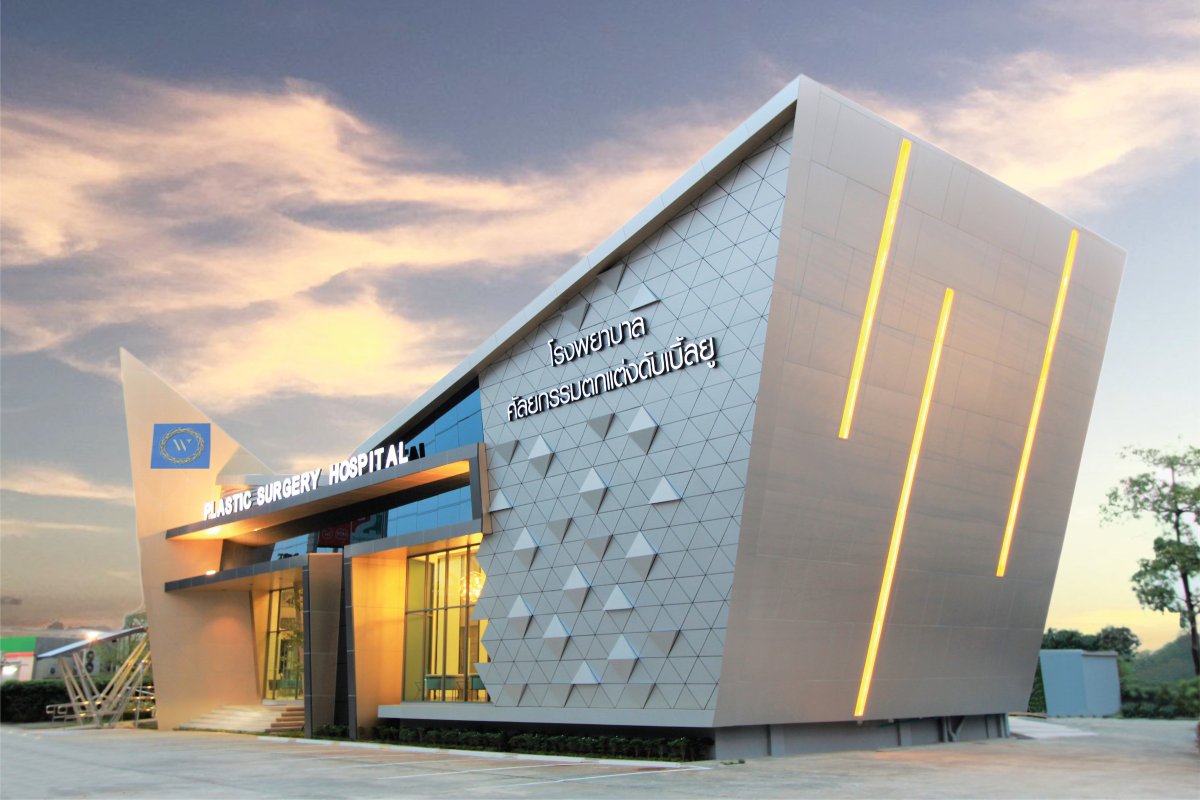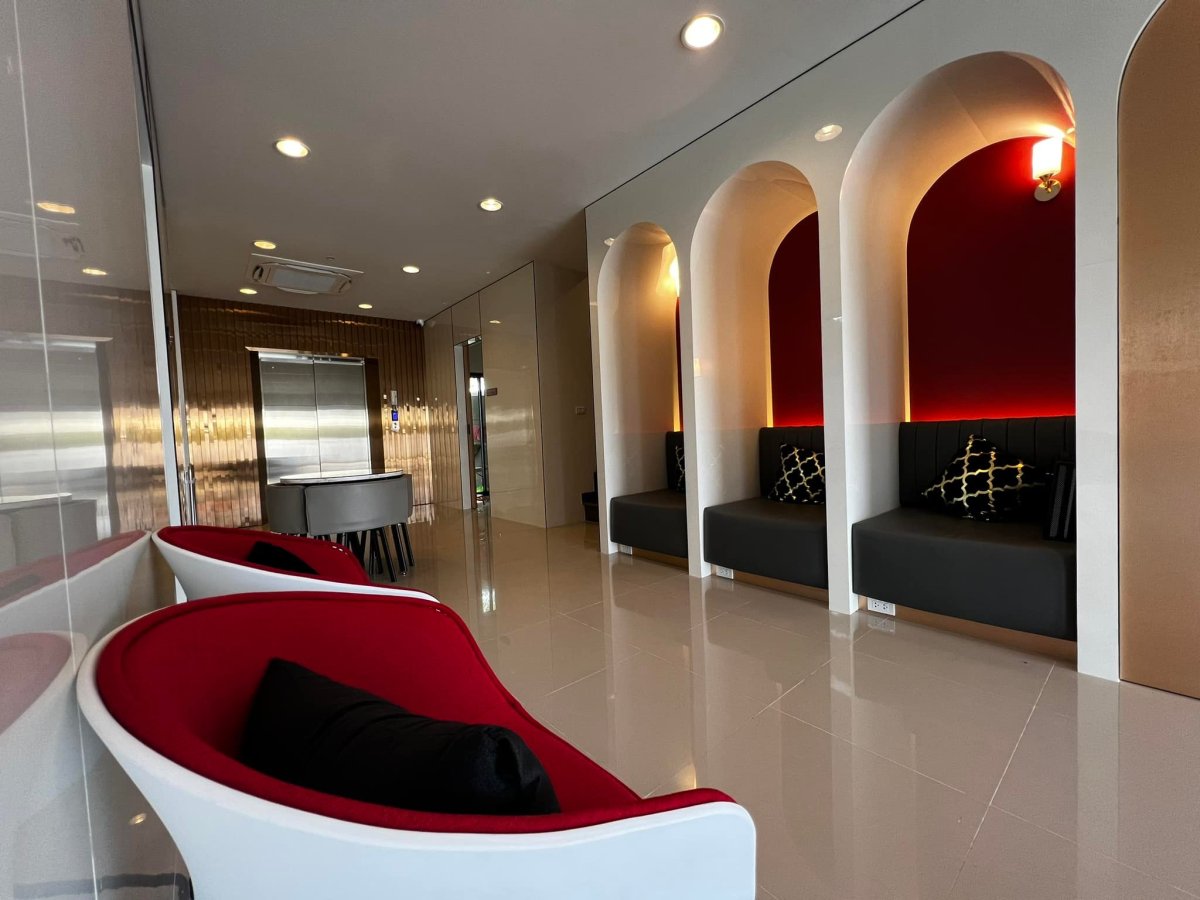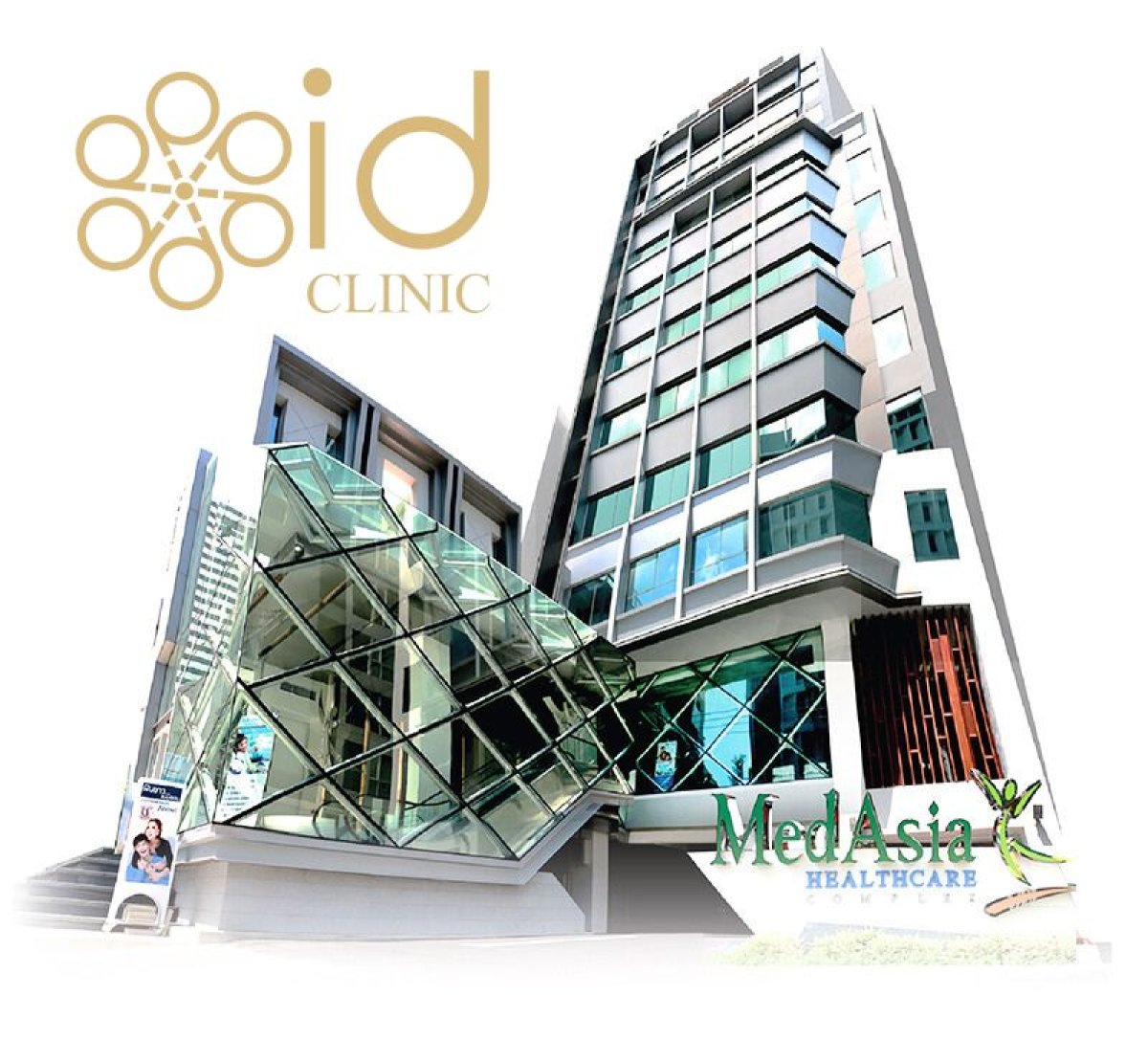
ID Clinic Bangkok
Thailand, Bangkok
Dr Phatcharasak Kraisornphongsakul Md
34 years of experience • 20000+ treatments performed

Clinic is certified : 

Medically reviewed by
Ergin Er
A belt lipectomy in Thailand typically costs between AUD $7,500 / ฿170,000 and AUD $12,000 / ฿272,000. The final price depends on surgical complexity, the clinic's tier, and specific city locations like Bangkok or Phuket. Standard packages usually include surgeon fees, hospital stays, anaesthetic, and post-operative garments.
Bookimed Expert Insight: Choosing a specialized facility provides high-value safety features without the Australian private price tag. Wansiri Hospital uses advanced air filtration in clean-room standard operating theaters to lower infection risks. For complex cases, surgeons like Dr Anuchit Kitsombat bring 25+ years of experience in body contouring. Many Bangkok clinics include free airport transfers, easing the logistics for Australians recovering from major surgery.

Specializes in plastic and reconstructive surgery with training from top Thai institutions. Dr. Rattanachinnakorn focuses on procedures like belt lipectomy at Intrarat Hospital.

Dr. Anuchit Kitsombat specializes in body contouring procedures at B.Care Medical Center in Bangkok.

The doctor is a highly skilled plastic surgeon based in Thailand with extensive expertise in both reconstructive and aesthetic procedures. Clinical focus includes the treatment of chronic and acute wounds, as well as the management of traumatic facial bone fractures.
Specialized surgical offerings include facelifts, blepharoplasty, open and closed rhinoplasty, and comprehensive breast surgery, including augmentation, reduction, and mastopexy. Furthermore, the doctor provides advanced body contouring services, such as liposuction and lipofilling, and tummy tucks. The doctor holds a Doctor of Medicine degree and a Diploma of the Thai Board of Plastic Surgery from the Faculty of Medicine at Siriraj Hospital, Mahidol University.


 Anna Leonova

Warning signs requiring immediate medical attention include respiratory distress and chest pain. Calf tenderness can also indicate life-threatening clots like pulmonary embolism or deep vein thrombosis. Patients should monitor for uncontrolled bleeding or fever over 38°C. Contact a doctor if wounds appear increasingly red, hot, or blackened.
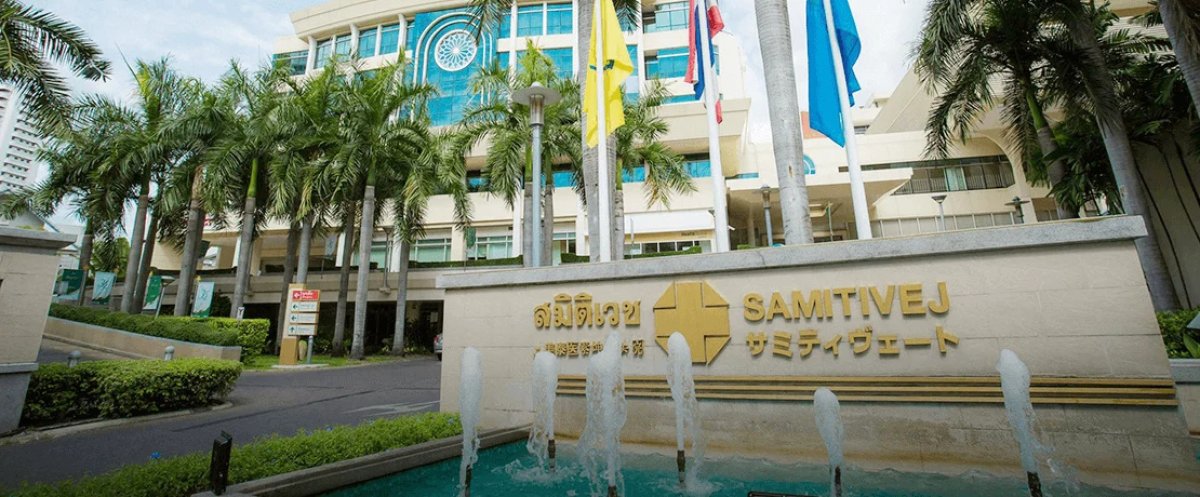
Bookimed Expert Insight: Thai clinics like Phuket Plastic Surgery Institute use laminar airflow and HEPA filters to minimise infection risks. However, the suture line above the buttocks faces high tension. Australian patients should confirm telehealth follow-up plans with clinics like Samitivej Hospitals before flying home. This helps them manage these delicate recovery zones safely from afar.
Patient Consensus: Treat systemic symptoms like chills or dizziness as urgent signs of dehydration or medication reactions. Patients in Thailand suggest having a local emergency plan. They also recommend knowing which Australian hospital to visit for follow-up care after returning home.
To prepare for a belt lipectomy in Thailand, stop smoking for at least two weeks. You should also avoid blood-thinning medications during this time. Patients should arrive in Bangkok early to acclimatise and undergo preoperative health screenings. Use JCI-accredited facilities like Sikarin Hospital or Asia Cosmetic Hospital.
Bookimed Expert Insight: Most clinics focus on skin removal. However, some Bangkok centres like ID Clinic include stem cell therapy during the procedure. This approach helps improve tissue healing and achieves a 95% success rate. Choosing a facility with this focus can improve results after massive weight loss.
Patient Consensus: Arrange for a support person to help with daily tasks and luggage. Bringing loose clothing and slip-on shoes makes the recovery and flight home much more comfortable.
A belt lipectomy in Thailand is a 360-degree surgical body lift. It removes excess skin and fat from the abdomen, hips, and lower back. Australian patients often choose Bangkok for its JCI-accredited hospitals and surgeons specialising in massive weight loss body contouring.
Bookimed Expert Insight: Australians gain a safety advantage with surgeons like Dr. Chokchai Amornsawadwattana at Yanhee International Hospital. He completed specialist training at the Royal Melbourne Hospital. His surgical approach aligns with Australian clinical standards and patient expectations.
Patient Consensus: Thailand offers a seamless experience with hotel-style recovery packages and VIP transfers included. Patients suggest staying longer than planned to have drains removed safely before flying back to Australia.
A belt lipectomy in Thailand typically requires a 7-day stay for initial recovery and surgical checks. Most patients return to light work within 2 weeks. Full recovery and a return to strenuous activity generally take 6 to 8 weeks.
Bookimed Expert Insight: Thai clinics like Yanhee International Hospital often have surgeons with direct Australian training. Dr Chokchai Amornsawadwattana, for example, trained at the Royal Melbourne Hospital. This shared background makes post-operative instructions and recovery milestones feel familiar to Australian patients.
Patient Consensus: Expect the first 2 weeks to be the most challenging while managing drains and swelling. Patients suggest arranging local help for showering and dressing care before planning a return to Australia.
Belt lipectomy packages in Thailand typically cover the main surgical costs. These include surgeon fees, general anaesthesia, and theatre time. Bundles often include 1 to 5 nights in hospital and pre-operative health screenings. They also provide post-operative follow-up care in JCI-accredited facilities across Bangkok and Phuket.
Bookimed Expert Insight: Many clinics bundle hospital stays. Centres like Samitivej Hospitals or Phuket Plastic Surgery Institute also offer international coordination. This often includes telehealth follow-up for Australians returning home after a 360-degree lift. Ask your clinic to confirm the number of compression garments. Patients frequently need a second one for hygiene during the 6-week recovery.
Patient Consensus: Patients in Thailand find that core costs like anaesthesia and transfers are usually covered. Most suggest requesting an itemised list. This helps verify if pathology and extra wound-care supplies are included.