29 Best Ophthalmology Clinics in Thailand — AUD Prices


Medically reviewed by
Fahad Mawlood
How Much Do Ophthalmology Procedures Cost in Thailand in AUD?
Ophthalmology treatment in Thailand typically costs from AUD $4,100 / ฿91,800 up to AUD $8,400 / ฿190,400. Total expenses depend on the choice of intraocular lenses, hospital tier, and specific surgical techniques used. Australian patients often find travel to Thailand provides cost savings of 50% to 75% compared to local private rates.
Typical Ophthalmology Costs in Thailand
- Ophthalmological investigation: AUD $120 / ฿2,700 – AUD $480 / ฿10,900
- Consultation with an ophthalmologist: AUD $90 / ฿2,000 – AUD $150 / ฿3,400
- LASIK eye surgery: AUD $3,500 / ฿78,200 – AUD $3,900 / ฿88,400
- ReLEx SMILE eye surgery: AUD $3,600 / ฿81,600 – AUD $4,800 / ฿108,800
- Cataract surgery (one eye): AUD $3,500 / ฿78,200 – AUD $4,500 / ฿102,000
- Vitrectomy: AUD $4,500 / ฿102,000 – AUD $7,200 / ฿163,200
- Retinal detachment surgery: AUD $4,800 / ฿108,800 – AUD $9,300 / ฿210,800
- Corneal transplant: AUD $6,500 / ฿146,200 – AUD $9,800 / ฿221,000
- Glaucoma treatment: AUD $830 / ฿18,700 – AUD $3,900 / ฿88,400
- Strabismus surgery: AUD $3,300 / ฿74,800 – AUD $5,400 / ฿122,400
Most eye care hubs are in Bangkok, Phuket, and Pattaya. Bangkok facilities often have higher rates while regional clinics may be 15% to 20% lower. Short flight times from Australia make Thailand a practical choice. Request a consultation with a specialist to get accurate pricing.
| Thailand | Turkey | |
|---|---|---|
| Vitrectomy | ≈ AUD $4,500 / ฿102,000 | from AUD $5,300 / ฿119,000 |
| Strabismus treatment | ≈ AUD $2,900 / ฿64,600 | from AUD $1,400 / ฿30,600 |
| Strabismus surgery | from AUD $3,300 / ฿74,800 | from AUD $1,800 / ฿40,800 |
| Retinal detachment surgery | ≈ AUD $4,800 / ฿108,800 | from AUD $2,300 / ฿51,000 |
| ReLEx SMILE eye surgery | from AUD $3,600 / ฿81,600 | from AUD $1,500 / ฿34,000 |
All Ophthalmology conditions
Your Benefits and Guarantees with Bookimed
Transparent Prices & Flexible Installments
No hidden fees – just official clinic prices. Pay at the clinic for Ophthalmology treatment upon arrival and use a flexible instalment plan if needed.
Verified Clinics & Doctors Only
Bookimed is committed to your safety. We only work with medical institutions that maintain high international standards in Ophthalmology treatment and have the necessary licenses to serve international patients worldwide.
Free 24/7 Assistance
Bookimed offers free expert assistance. A personal medical coordinator supports you before, during, and after your treatment, solving any issues. You're never alone on your Ophthalmology treatment journey.

Your personal Bookimed medical coordinator
- Supports you at every stage
- Helps choose the right clinic and doctor
- Ensures quick and convenient access to information
Best Ophthalmology Clinics in Thailand for Australians: 29 Verified Options and AUD Prices



TRSC International Eye and Vision Center
Pichit Naripthaphan

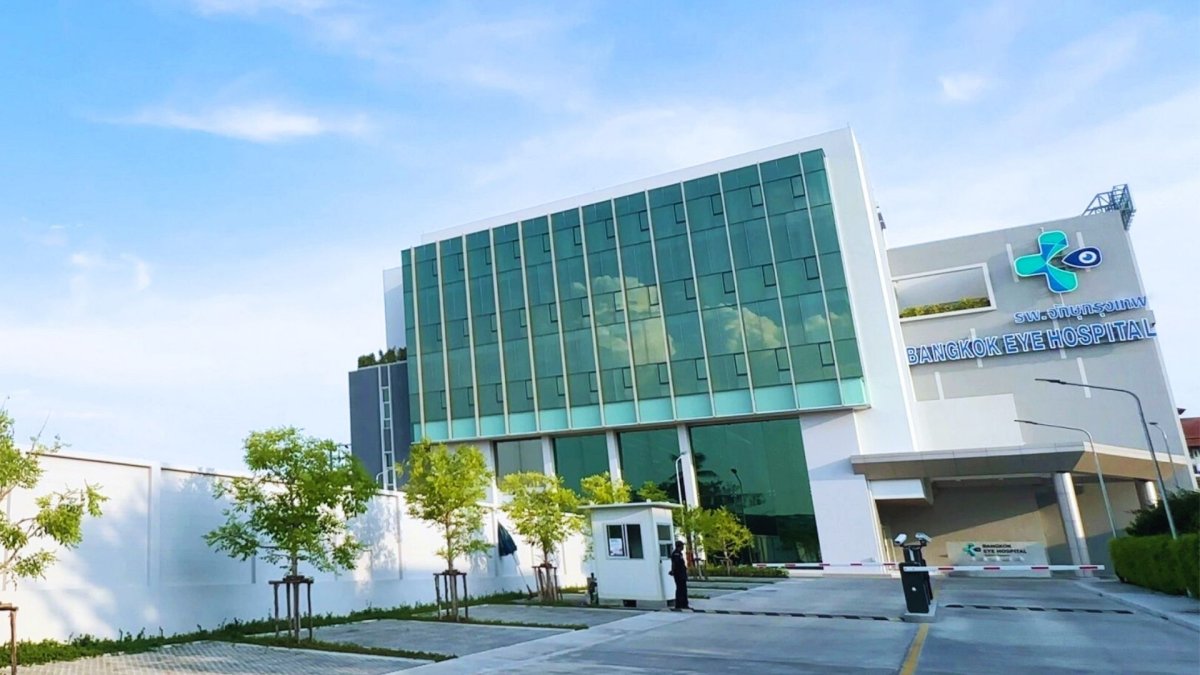
Laser Vision at Bangkok Eye Hospital
Anun Vongthongsri



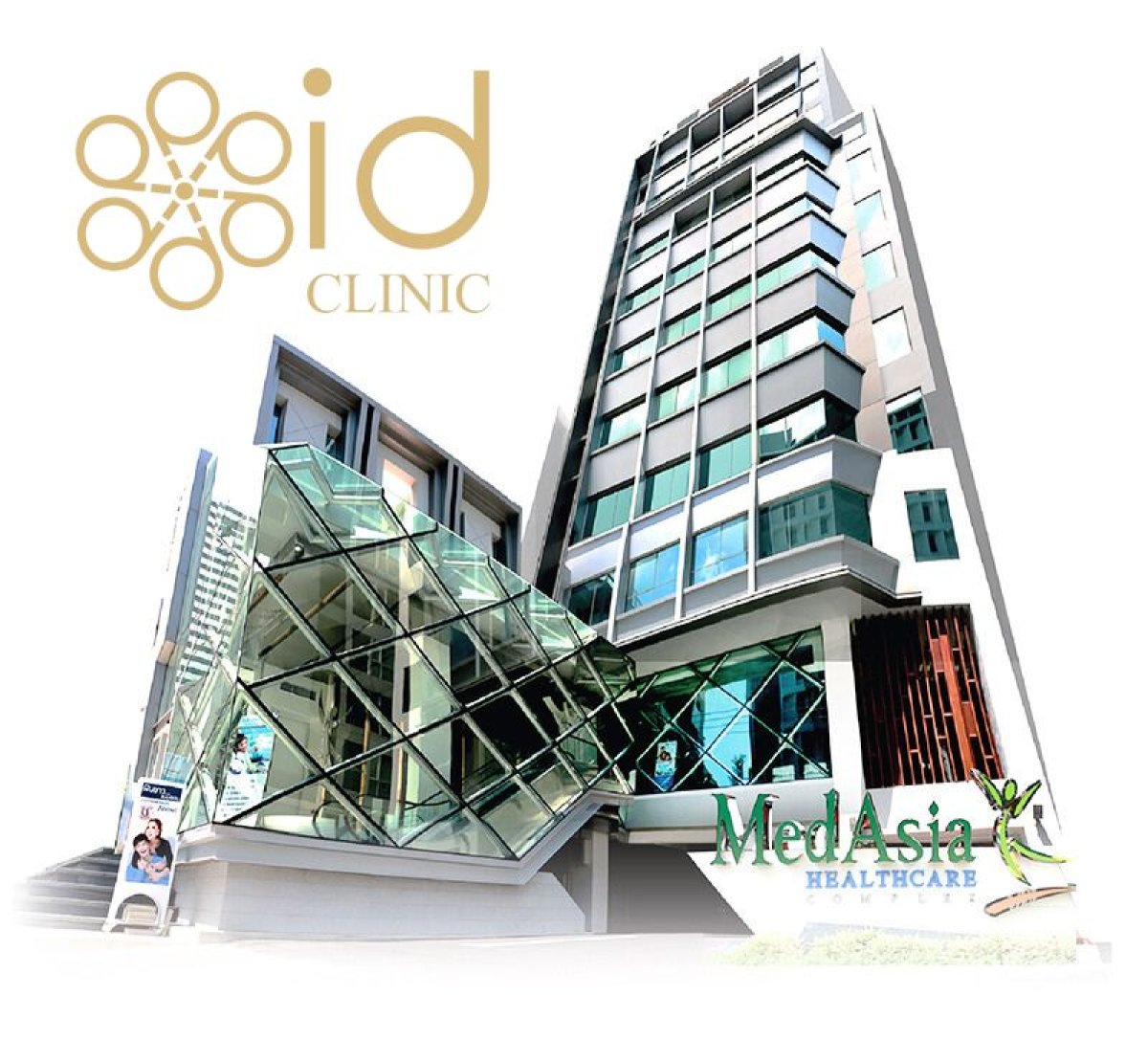
ID Clinic Bangkok
Dr Keerapat Phiromkraiphakdi

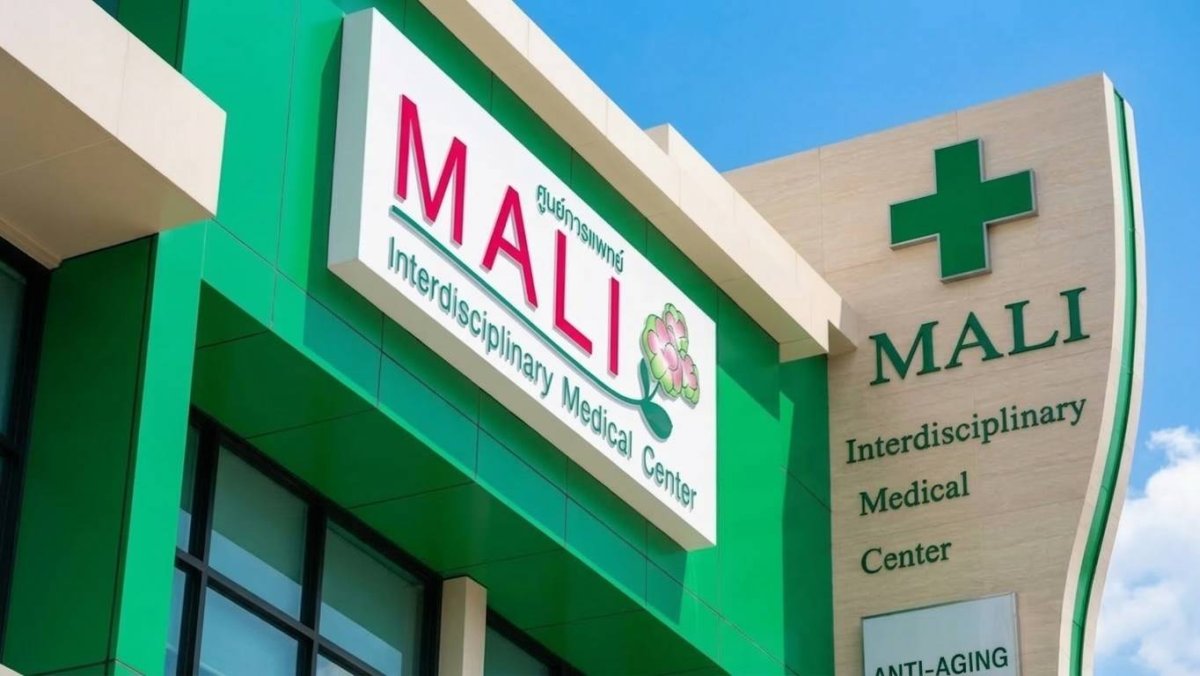
Mali Interdisciplinary Hospital
Thanaphat Pomyukon










STC Clinic
Top Ophthalmology centres in Thailand for Australians
- Intrarat Hospital, Thailand
- TRSC International Eye and Vision Center, Thailand
- Laser Vision at Bangkok Eye Hospital, Thailand
- ID Clinic Bangkok, Thailand
- Mali Interdisciplinary Hospital, Thailand
- kdms Orthopedic Hospital, Thailand
- Bumrungrad International Hospital, Thailand
- Navamin 9 Hospital, Thailand
- STC Clinic, Thailand
- Contour Clinic Thailand, Thailand
Our Trusted Doctors for Australian Patients
View all DoctorsPichit Naripthaphan
President of Thailand's Cataract and Refractive Surgery Club – Dr. Naripthaphan combines national leadership with 29 years of surgical expertise.
- Performed 900+ cataract procedures
- US-trained in LASIK and advanced refractive techniques
- Former Chief of Refractive Surgeries at Rajvithi Hospital
- Specializes in complex cataract and refractive cases
- Senior Consultant at Bumrungrad Hospital

Sumet Supalaset
Specialized in advanced refractive and corneal surgeries – Dr. Sumet Supalaset trained at top institutions worldwide including UCLA and Kyoto.
- Certified in LASIK, SMILE, and presbyopia correction in London
- Published multiple research papers on corneal diseases and refractive surgery
- Performs advanced corneal transplants and cataract surgeries
- Fluent in Thai, English, Chinese, and Japanese
Anun Vongthongsri
First Thai and Southeast Asian ophthalmologist trained in cornea and refractive surgery at Washington University – Dr. Vongthongsri has performed thousands of LASIK and surface laser procedures.
- Director of Cornea and Refractive Surgery Service at Ramathibodi Hospital since 2001
- Founder and Medical Director of Laser Vision at Bangkok Eye Hospital
- Trains other ophthalmologists in advanced refractive techniques
- Certified expert in Excimer Laser procedures

Sasi Yaisawang
Dr. Yaisawang is a Cornea and Refractive Surgery Specialist certified by the Royal College of Ophthalmologists of Thailand.
- Ph.D. candidate in Clinical Science at Chulalongkorn University
- Fellow of the International Council of Ophthalmology
- Certificate in Telemedicine from Harvard University
- Specializes in advanced corneal and refractive procedures
Video Stories from Bookimed Patients
Reviews about Bookimed: Discover Patients' Insights
All reviews
Share this content
 Anna Leonova

FAQ about Ophthalmology in Thailand
Is it safe to undergo eye surgery in Thailand?
Eye surgery in Thailand is safe and follows global protocols. Accredited facilities like Bumrungrad International Hospital and TRSC International Eye and Vision Center use modern diagnostics. Specialists often hold fellowships from leading US or UK institutions. Success rates for procedures like LASIK match Australian clinical benchmarks.
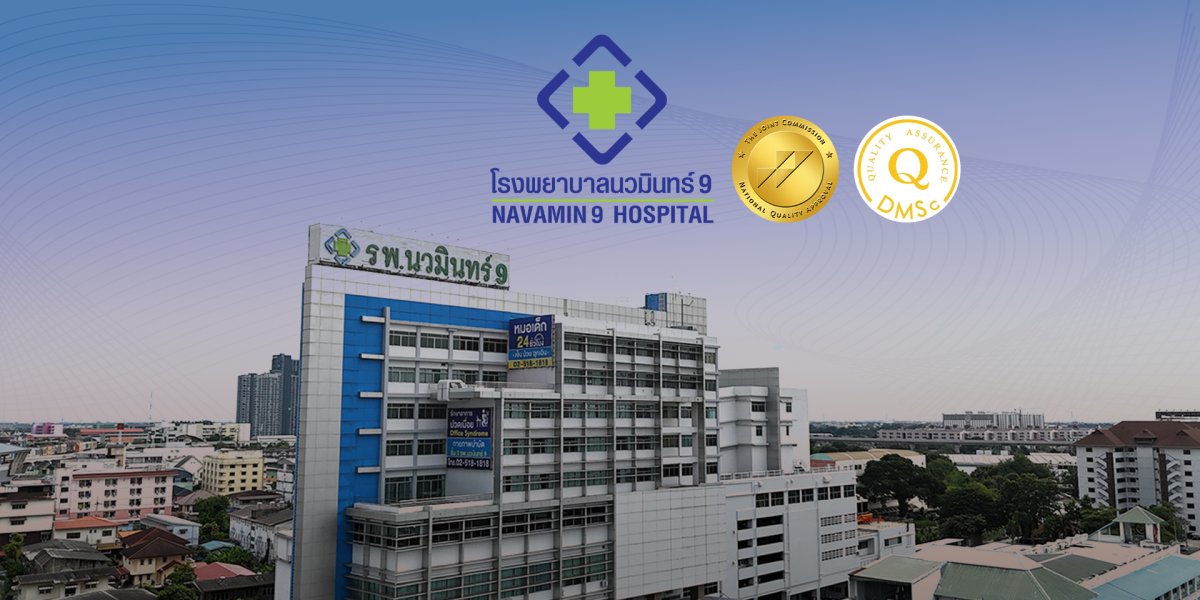
- Hospital accreditation: Leading centres like Navamin 9 Hospital hold JCI accreditation.
- Specialised expertise: Dr Ekktet Chansue pioneered LASIK and ReLEx SMILE in Thailand.
- High volume: Bumrungrad International serves 1,000,000 patients yearly with robotic technology.
- Specialist clinics: Single-specialty centres focus entirely on vision correction and cataracts.
Bookimed Expert Insight: Thai eye centres often function as regional hubs. They often house niche sub-specialists in one corridor. For instance, Laser Vision at Bangkok Eye Hospital has separate units for glaucoma, retina, and neuro-ophthalmology. This concentration of expertise allows for same-day cross-consultations. These might take weeks to organise in Australia.
Patient Consensus: Patients value detailed consultations where doctors explain every solution without rushing. Many note that staying for immediate post-op checks in Thailand makes recovery feel more controlled and professional.
How do I verify the credentials of an ophthalmologist or hospital in Thailand?
Verify an ophthalmologist or hospital in Thailand by checking the Medical Council of Thailand website. Look for Joint Commission International (JCI) accreditation at facilities like Bumrungrad International Hospital. Australian patients should validate specialist fellowships through the Royal College of Ophthalmologists of Thailand.
- Medical registration: Match the doctor's name against the Medical Council of Thailand registry.
- Hospital accreditation: Confirm JCI or ISO 9001:2015 status for clinical safety standards.
- Specialist training: Look for fellowships from international bodies like the Illinois Eye and Ear Infirmary.
- Facility volume: High-volume centres like Bumrungrad treat over 1,000,000 patients every year.
Bookimed Expert Insight: Thailand’s top hospitals often employ doctors with dual fellowships from the USA or UK. For example, specialists at TRSC International Eye and Vision Center often hold US clinical fellowships. These often come from institutions like Washington University. This training indicates expertise in laser and refractive techniques.
Patient Consensus: Patients find that major Thai hospitals have helpful international desks. These desks clearly explain doctor credentials. Patients suggest matching residency and subspecialty certificates against official hospital profiles. Do this to verify consistency before booking any surgery.
Can I fly immediately after eye surgery in Thailand?
Flying immediately after eye surgery in Thailand is generally restricted. It poses serious risks such as permanent vision loss. Cabin pressure changes and dry air can delay healing or cause internal eye pressure spikes. Recovery timelines vary between 24 hours and several weeks depending on the procedure.
- Retinal detachment: Wait 14+ days if gas bubbles were used during surgery.
- LASIK or SMILE: Patients typically wait 3 to 7 days before international flights.
- Cataract surgery: Most specialists recommend waiting 3 to 5 days for long trips.
- Post-op reviews: Expect mandatory checks 24 hours and 7 days after the operation.
Bookimed Expert Insight: Specialised centres like TRSC International Eye and Vision Center have restored eyesight in over 100,000 eyes. These high-volume clinics often provide detailed flight-safety protocols. Choosing a dedicated eye hospital means specialists are available specifically for post-operative travel clearances.
Patient Consensus: Patients in Thailand note that doctors often provide free initial advice. They spend significant time explaining local recovery steps. It is vital to keep all prescribed drops in carry-on luggage to combat extreme aircraft cabin dryness.
Will medical staff and eye specialists in Thailand speak English?
Thai eye specialists in private hospitals speak fluent English. This is standard in their medical training. Major centres like Bumrungrad International Hospital and TRSC International Eye and Vision Center regularly treat Australians. Many specialists hold international fellowships from the US, UK, or Japan.
- Expert specialists: Doctors like Dr Sumet Supalaset speak fluent English and have international training.
- Accredited facilities: JCI-accredited centres such as Navamin 9 Hospital maintain high staff communication standards.
- International focus: Clinics like Laser Vision at Bangkok Eye Hospital specifically serve Australian patients.
- Support services: Leading private hospitals provide in-house interpreters and English-language medical documentation.
Bookimed Expert Insight: Top eye clinics in Bangkok handle high patient volumes that benefit English speakers. Centres like TRSC International Eye and Vision Center have treated over 100,000 eyes. This volume means clinical staff use English daily for complex refractive surgery explanations. Choosing a single-specialty clinic often results in more consistent English fluency than general hospitals.
Patient Consensus: Patients find that Thailand's private clinics provide clear advice without language barriers. Many note that major hospitals guide foreigners through the entire process with English-speaking support teams.
Are medical travel packages for ophthalmology in Thailand inclusive of aftercare and medications?
Thai ophthalmology packages typically include post-operative check-ups and initial take-home medications. Most centres bundle antibiotic eye drops and anti-inflammatories for the first 14 days. Major facilities like Laser Vision at Bangkok Eye Hospital also provide sleep goggles and specialised sunglasses.
- Medication supply: Packages cover initial medicated drops but exclude long-term refills for chronic conditions.
- Clinical aftercare: Follow-up tests and eye pressure checks are standard before flying home.
- Surgical inclusions: Fees usually cover theatre costs, anaesthesia, and the surgeon's professional fees.
- Protective gear: Clinics often provide eye shields and artificial tears for the first month.
Bookimed Expert Insight: Thai clinics like TRSC International Eye and Vision Center often offer family eye exams at reduced rates. Many patients miss this opportunity. Coordinating a family check-up during your recovery stay delivers significant value. Always confirm if your specific quote allows for these diagnostics before arrival.
Patient Consensus: Patients note that doctors in Thailand provide thorough explanations without charging extra. The clinical experience is smooth. However, budgeting for extra lubricants or unexpected follow-up reviews is recommended for peace of mind.
Do I need a special visa for medical treatment in Thailand?
Most Australians do not need a special medical visa for routine eye surgery in Thailand. Quick procedures such as LASIK, cataract surgery, or ReLEx SMILE often use the 30-day visa-exempt entry. Complex retinal detachment or corneal transplants requiring longer stays need specific visas.
- Standard entry: Visa-exempt entry covers stays up to 30 days for most ophthalmic treatments.
- Tourist visa (MT): Necessary for procedures and recovery requiring up to 60 days.
- Non-immigrant O visa: Required for complex surgeries or therapies lasting more than 60 days.
- Destination Thailand visa: A 5-year multi-entry option for long-term or recurring eye care.
Bookimed Expert Insight: Centres like TRSC International Eye and Vision Center have dedicated teams for international paperwork. If a procedure needs multiple follow-ups, these teams provide letters for visa extensions.
Patient Consensus: Patients note that standard tourist entry works well for quick laser eye surgery. They suggest bringing a clear treatment plan and appointment confirmation. They also recommend confirming review dates to ensure the entry period covers the entire recovery.