6 Best Strabismus Treatment Clinics in Thailand — AUD Prices


Medically reviewed by
Fahad Mawlood
How it works
What's the Cost of Strabismus Diagnosis and Treatment in Thailand?
Strabismus treatment cost in Thailand typically includes a comprehensive strabismus diagnosis running from AUD $270 / ฿6,100 to AUD $530 / ฿11,900 and corrective strabismus surgery ranging from AUD $3,300 / ฿74,800 to AUD $5,400 / ฿122,400. Total expenses depend on the number of eye muscles requiring adjustment and the type of anaesthesia used. Patients generally save 50–70% compared to prices in Australia and the United States. Specialist eye care is primarily available in Bangkok and Pattaya.
Typical Strabismus Treatment Costs in Thailand
- Strabismus diagnosis: AUD $270 / ฿6,100 – AUD $530 / ฿11,900
- Consultation with an ophthalmologist: AUD $91 / ฿2,000 – AUD $150 / ฿3,400
- Slit lamp examination: AUD $91 / ฿2,000 – AUD $120 / ฿2,700
- Visual acuity test: AUD $30 / ฿680 – AUD $110 / ฿2,400
- Coagulogram: AUD $45 / ฿1,000 – AUD $76 / ฿1,700
- Strabismus surgery: AUD $3,300 / ฿74,800 – AUD $5,400 / ฿122,400
- Strabismus treatment: AUD $2,900 / ฿64,600 – AUD $4,500 / ฿102,000
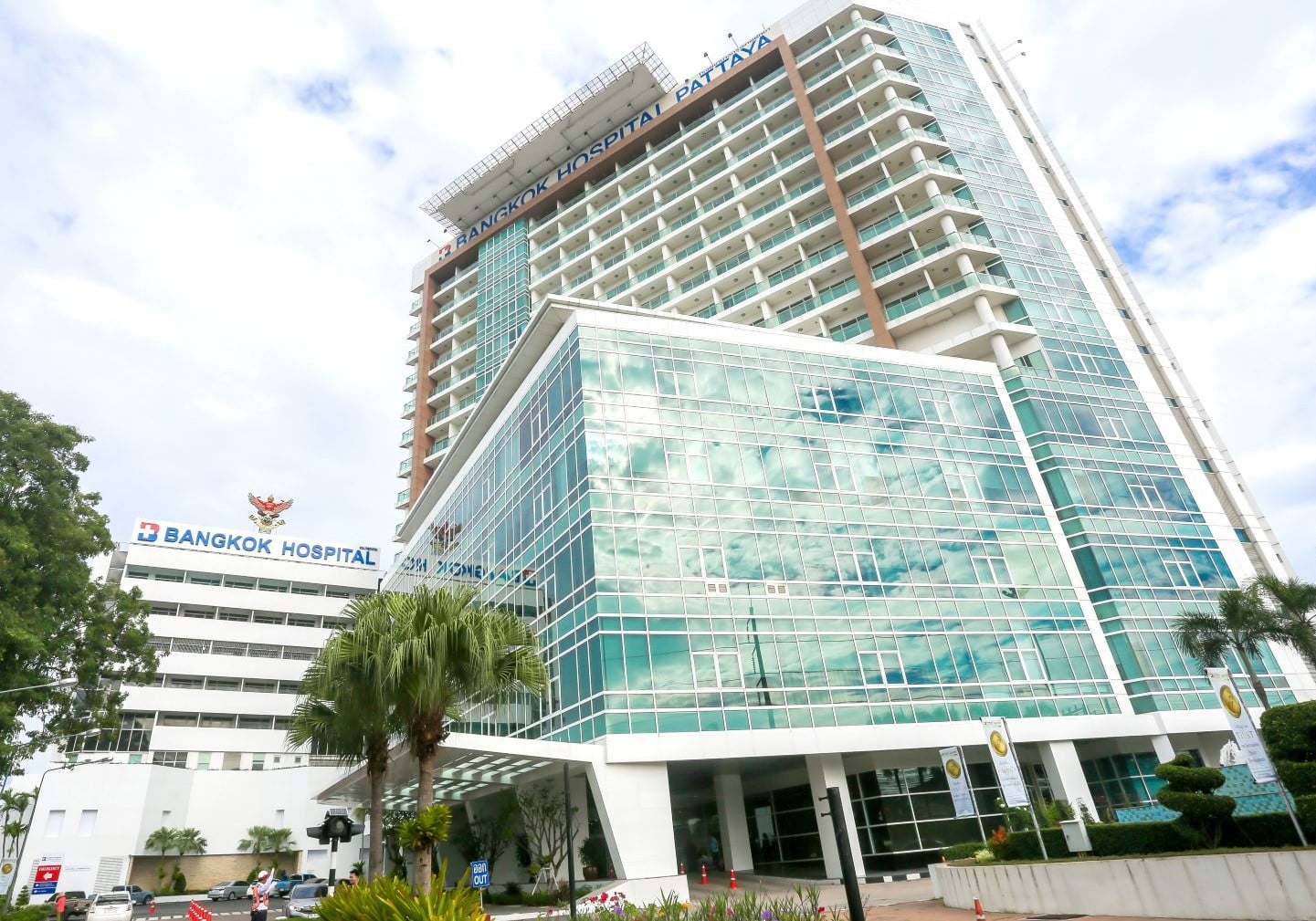
Bookimed Expert Insight: For complex pediatric cases, specialised facilities like Laser Vision at Bangkok Eye Hospital attract Australian families due to their dedicated pediatric ophthalmology departments. Patients seeking high-tech environments should consider Bumrungrad International Hospital. It is a JCI-accredited facility using AI and digital imaging to manage over 1 million patients annually. If you need a primary treatment hub outside the capital, Bangkok Hospital Pattaya offers extensive diagnostic services within a large 30-hospital network.
| Thailand | Turkey | |
|---|---|---|
| Strabismus treatment | ≈ AUD $2,900 / ฿64,600 | from AUD $1,400 / ฿30,600 |
| Strabismus surgery | from AUD $3,300 / ฿74,800 | from AUD $1,800 / ฿40,800 |
Best Strabismus Treatment Centres in Thailand for Australians: 6 Verified Options and AUD Prices













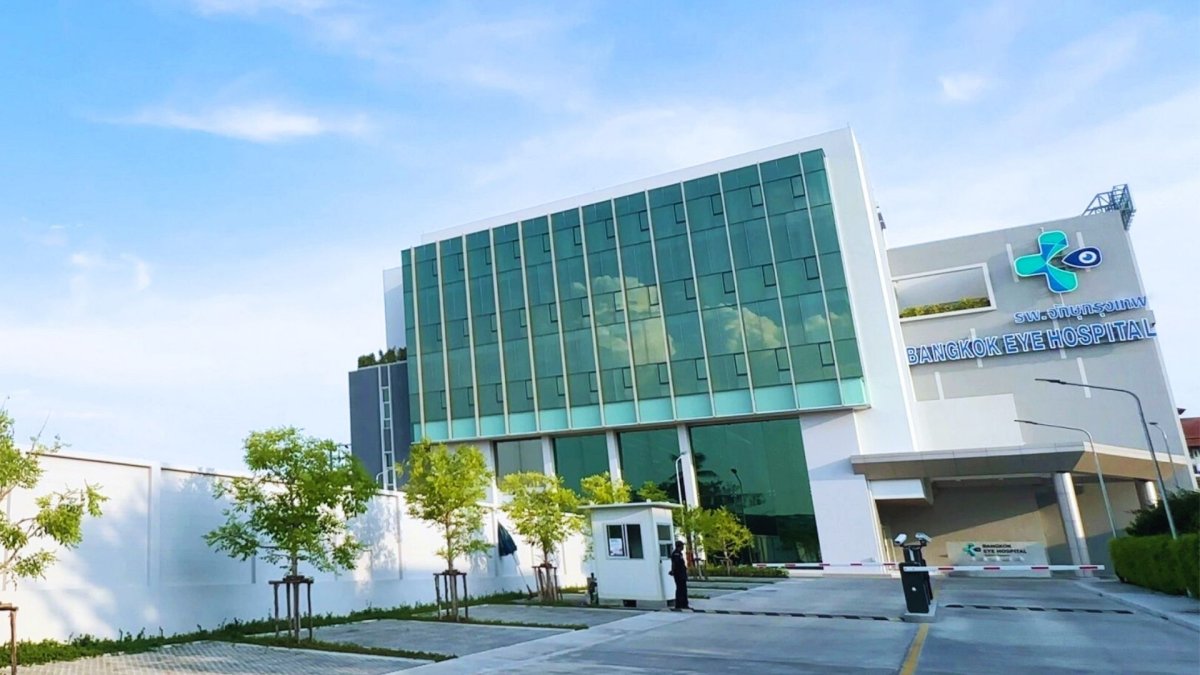
Laser Vision at Bangkok Eye Hospital
Nichaboon Chotkajornkiat










Get a Medical Assessment for Strabismus in Thailand: Consult with Experienced Doctors Now
View all Doctors
Sumet Supalaset
Dr. Sumet Supalaset specializes in corneal and refractive surgeries with international training, including at UCLA and Kyoto.
- Holds multiple certifications in LASIK and refractive surgery techniques
- Former lecturer at Chulabhorn Royal Academy
- Published extensive research on LASIK and corneal diseases
- Performs advanced corneal transplants and cataract surgeries
- Fluent in Thai, English, Chinese, and Japanese

Ponpawee Jindarak
A specialist in strabismus and glaucoma, Dr. Ponpawee Jindarak trained at the prestigious University of Illinois in Chicago.
- Graduated from Chulalongkorn University, one of Thailand's top medical schools
- Completed an International Clinical Fellowship in Glaucoma
- Certified in Ophthalmology at Chulalongkorn University
- Currently practices at Intrarat Hospital

Theppachai Thammikasakul
Dr. Thammikasakul specializes in corneal and refractive surgery, with additional expertise in ophthalmology at Intrarat Hospital.
- Graduated from Phramongkutklao College of Medicine
- Holds a certificate in Ophthalmology from Phramongkutklao Hospital
- Completed a fellowship in Corneal and Refractive Surgery at Khonkaen University
Nichaboon Chotkajornkiat
Dr. Nichaboon Chotkajornkiat specializes in Pediatric Ophthalmology & Strabismus at Laser Vision, Bangkok Eye Hospital.
- Completed fellowship in Pediatric Ophthalmology & Strabismus at Ramathibodi Hospital
- Board-certified in Ophthalmology with additional neuro-ophthalmology training
- Residency in Ophthalmology at Ramathibodi Hospital, Mahidol University
Share this content
Video Stories from Bookimed Patients
 Anna Leonova

Expert Overview about Strabismus Treatment in Thailand
How do I choose the best surgeon for strabismus treatment in Thailand?
Choosing a strabismus surgeon in Thailand requires verifying a fellowship in paediatric ophthalmology and strabismus. Patients should select JCI-accredited hospitals like Bumrungrad International or specialised centres such as Laser Vision. These facilities use AI diagnostics for precise eye muscle alignment for both children and adults.
- Sub-specialty focus: Select surgeons with a fellowship specifically in paediatric ophthalmology and strabismus.
- Clinical experience: Look for specialists like Dr Nichaboon Chotkajornkiat with dedicated strabismus training.
- Hospital standards: Prioritise JCI-accredited facilities such as Bangkok Hospital Pattaya for international safety.
- Technological edge: Ask if the clinic uses AI and robotic diagnostics for accurate muscle measurements.
Bookimed Expert Insight: Thailand’s leading eye hospitals, like Laser Vision, have specific centres for neuro-ophthalmology and paediatric care. This is a vital signal for strabismus patients. Choosing a surgeon in a dedicated strabismus unit provides access to orthoptists and specialised equipment.
Patient Consensus: Patients emphasise finding an ocular motility specialist who performs a full binocular vision work-up. It is helpful to request written aftercare instructions in Thailand. These can be shared with Australian specialists for smooth recovery monitoring.
What is the expected success rate of strabismus surgery in Thailand?
Strabismus surgery in Thailand achieves successful alignment in 60.2% to 80% of cases. Specialists define success as alignment within 10 prism diopters after the operation. Leading JCI-accredited hospitals in Bangkok provide these paediatric and adult ophthalmic procedures with high safety standards.
- Complex case success: Surgery for abducens nerve palsy maintains a 78.1% success rate.
- Horizontal strabismus: Clinical studies indicate a 60.2% success rate for primary alignments.
- Lower deviation: Patients with pre-operative deviation under 30 degrees show the highest success.
- Age factor: Outcomes are generally better for patients younger than 6 years old.
Bookimed Expert Insight: Success in Thailand's top ophthalmic centres relies on specialised sub-board fellowships. For example, Dr Nichaboon Chotkajornkiat at Laser Vision Bangkok Eye Hospital holds specific fellowship training in paediatric ophthalmology and strabismus. This specialisation is critical as 12.9% of horizontal cases may require a re-operation after one year.
Patient Consensus: Patients note that strabismus surgery in Thailand effectively improves eye alignment. Many suggest clarifying with the surgeon if the goal is cosmetic or functional. Experience shows that multiple operations might be needed for large deviations. Clear follow-up plans are essential for those returning to Australia.
What non-surgical options are available for strabismus treatment in Thailand?
Thai eye clinics offer non-surgical strabismus treatments like prescription lenses, prism therapy, and vision therapy. Specialist centres like Laser Vision at Bangkok Eye Hospital provide paediatric care and neuro-ophthalmology. These methods manage eye alignment and double vision without theatre time.
- Corrective lenses: Prescription glasses or contact lenses resolve refractive errors causing misalignment.
- Prism therapy: Specialised lenses displace images to eliminate double vision and improve focus.
- Vision therapy: Orthoptic exercises strengthen eye muscles through tailored clinical programs.
- Botox injections: Temporary injections relax specific muscles to assist with alignment.
Bookimed Expert Insight: Thai clinics like Laser Vision and Bumrungrad International Hospital combine decades of experience with precise diagnostics. Dr Nichaboon Chotkajornkiat at Laser Vision is fellowship-trained in both paediatric ophthalmology and strabismus. This dual expertise ensures patients receive specialised assessments. These reviews consider both neurological and muscular factors before committing to surgery.
Patient Consensus: Patients in Thailand note that glasses and prisms effectively reduce double vision in milder cases. They emphasise clarifying whether goals are cosmetic or functional. Non-surgical options often focus on symptom relief.
When is strabismus surgery recommended by specialists in Thailand?
Thai specialists recommend strabismus surgery when eye misalignment persists despite using glasses, prisms, or exercises. It is a vital option for children as young as 4 months to prevent amblyopia. Adults often require it to resolve double vision or improve depth perception.
- Functional vision: Surgeons aim to restore binocular vision and depth perception in adults.
- Child development: Early intervention prevents the brain from suppressing images from the misaligned eye.
- Failed conservative treatment: Specialists proceed when non-surgical methods like prisms fail to align eyes.
- Secondary conditions: Doctors typically treat cataracts or droopy eyelids before addressing eye muscle misalignment.
Bookimed Expert Insight: While many general ophthalmologists treat basic vision issues, specialised Thai centres provide dedicated paediatric and neuro-ophthalmology units. Dr Nichaboon Chotkajornkiat at Laser Vision at Bangkok Eye Hospital holds a specific fellowship in paediatric ophthalmology and strabismus. Choosing specialists with these credentials helps the surgeon understand the complex nerve-muscle relationship required for successful alignment.
Patient Consensus: Patients note that an in-person assessment by a Thai strabismus specialist is more helpful than general advice. Many Australians find the English-speaking staff and JCI-accredited facilities in Thailand provide a smooth experience for complex eye surgery.
What does the strabismus surgical procedure involve in Thailand?
Strabismus surgery in Thailand involves adjusting eye muscles to correct misalignment. Surgeons strengthen or weaken specific muscles to improve focus and depth perception. Specialists typically perform this as a 30 to 90-minute outpatient procedure. It takes place under general anaesthesia or local sedation.
- Muscle adjustment: Surgeons reposition eye muscles to either tighten or loosen their pull.
- Surgical access: Doctors make small incisions in the conjunctiva to reach the underlying muscles.
- Dissolvable stitches: Professionals use sutures that dissolve naturally, so no removal is needed.
- Adjustable sutures: Some specialists fine-tune alignment while the patient is awake after surgery.
Bookimed Expert Insight: Many general ophthalmologists perform basic eye care. However, patients should seek fellowship-trained specialists for strabismus. Dr Nichaboon Chotkajornkiat at Laser Vision at Bangkok Eye Hospital holds subspecialty training in paediatric ophthalmology and strabismus. Choosing a doctor with this expertise is vital. Alignment often requires precise adjustments that general surgeons may not handle daily.
Patient Consensus: Patients find it important to stay in Thailand for early reviews before flying home. They expect temporary redness and watery eyes during recovery. They also advise checking if follow-up care is included in the initial price.
How should an Australian patient prepare for strabismus surgery in Thailand?
Australian patients preparing for strabismus surgery in Thailand focus on specialist selection and clinical readiness. Essential steps include verifying eye surgeons have specific strabismus fellowships. Patients must also organise medical records and obtain medical travel insurance. They should plan a 5-day stay for essential follow-up care.
- Clinical credentials: Seek surgeons like Dr Nichaboon Chotkajornkiat with specific strabismus and paediatric fellowships.
- Facility accreditation: Prioritise hospitals with JCI or AACI accreditation, such as Laser Vision Bangkok.
- Medical history: Provide Australian records including prism measurements and any history of double vision.
- Timeline planning: Allow at least 5 days for the procedure and mandatory post-operative checks.
Bookimed Expert Insight: Thai eye hospitals differ significantly in their diagnostic depth. Established centres like Bumrungrad International Hospital serve over 1,000,000 patients annually. These centres use specialised diagnostics for better accuracy. Choosing a multidisciplinary hospital is often better for adult strabismus cases. This helps when neurological or systemic factors require specialist input.
Patient Consensus: Patients highlight that confirming a surgeon's experience with adult cases specifically is vital in Thailand. They also note it is important to bring all prism prescriptions from home. This helps the medical team capture accurate ocular alignment measurements before surgery.