How Much Does Shoulder replacement Cost in Turkey in AUD?
Shoulder replacement in Turkey typically costs from AUD $6,800 to AUD $15,000. Prices depend on the specific surgical technique, the implant brand used, and the clinic's location. Packages generally include the prosthesis, hospital stay, surgeon fees, and airport transfers.
Rotator cuff repair surgery: AUD $3,800 to AUD $16,000 for minimally invasive tendon reconstruction.
Bankart repair: AUD $8,300 to AUD $12,100 to treat chronic shoulder instability or dislocations.
Reverse shoulder replacement: typically adds 15–20% to the cost compared to standard total replacement.
Robotic-assisted surgery: may increase the price due to specialized equipment and surgeon certification.
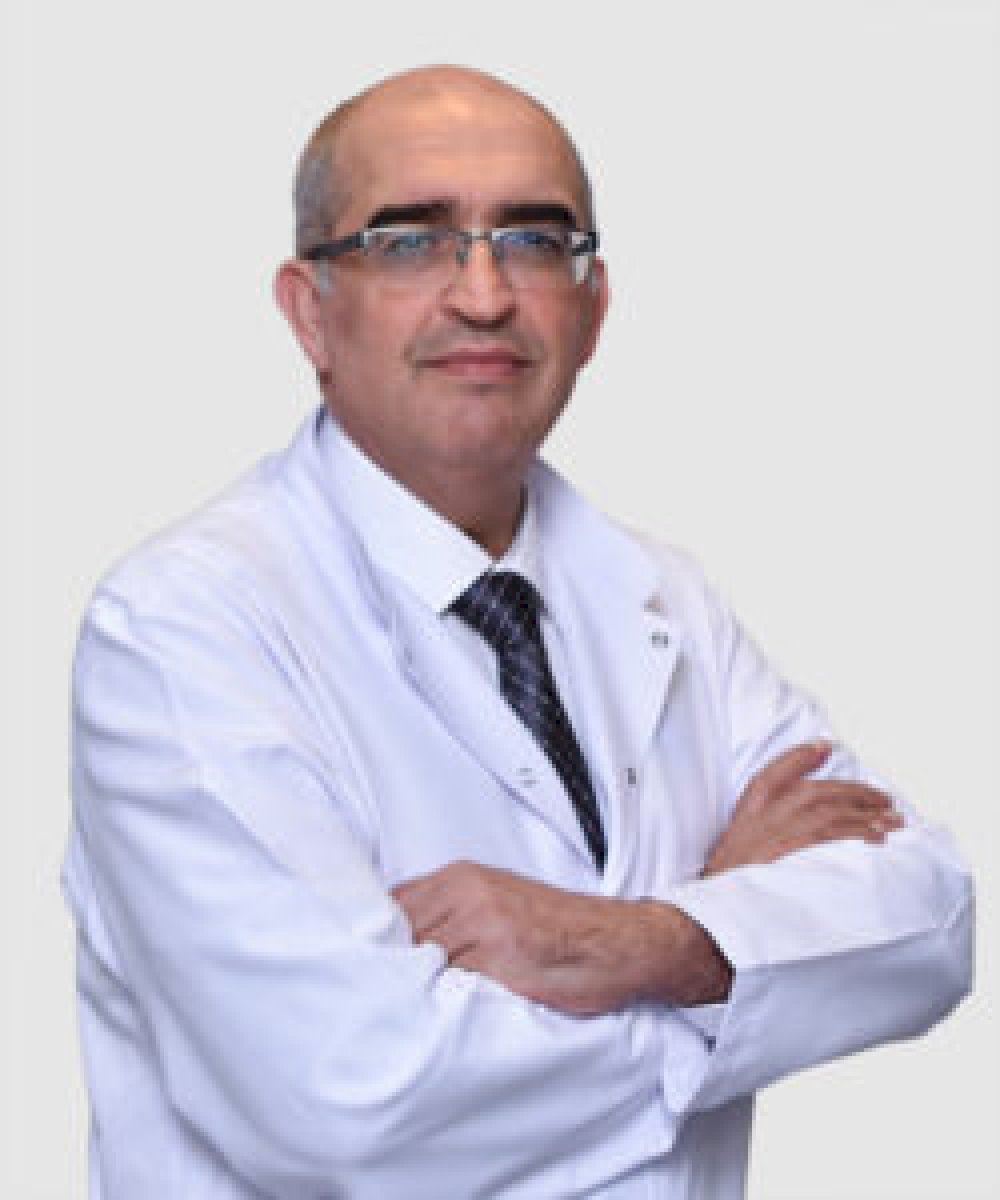
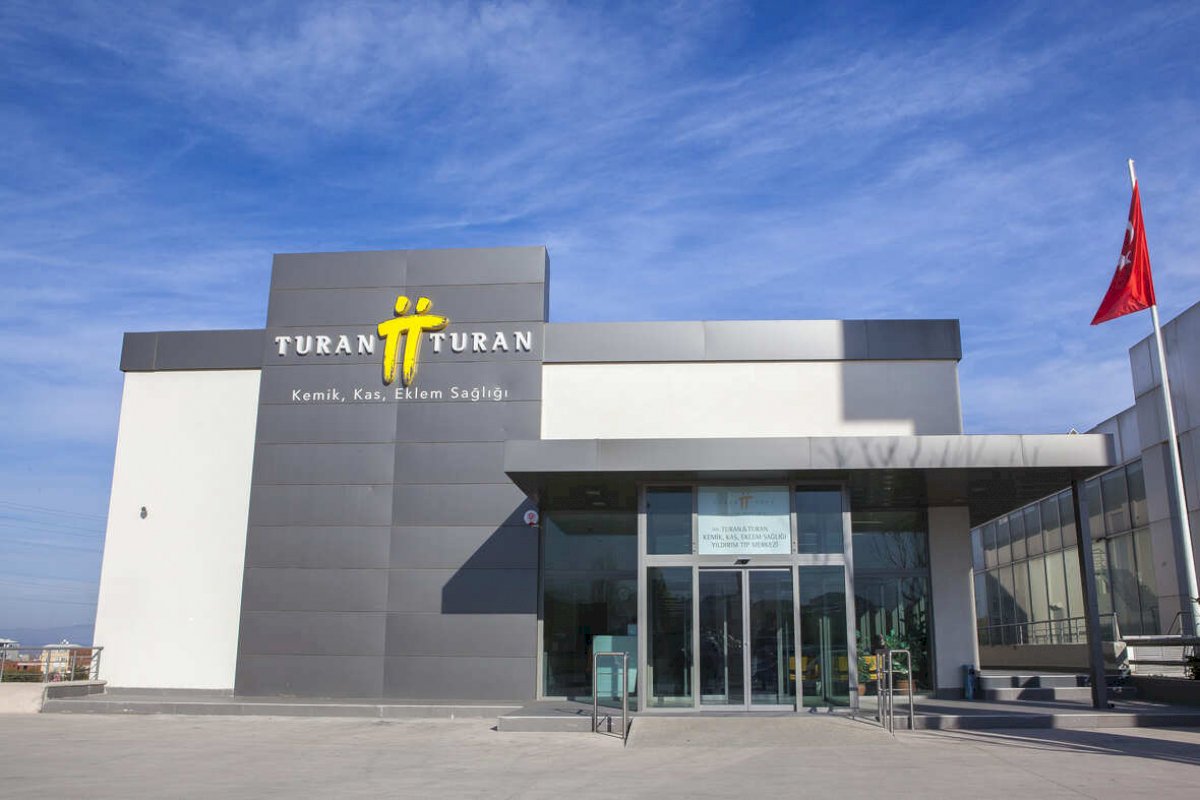
Bookimed Expert Insight: Precision technology is highly accessible in Turkey. For example, Turan Turan Health Group uses advanced robotic-assisted systems. Surgeons like Dr. Kayhan Turan have performed over 3,500 robotic procedures. You can find comprehensive packages from A$16,800 that include Zimmer Biomet implants. This ensures high-quality hardware is part of the upfront cost without extra fees.
Data verified by Bookimed as of November 2026, based on patient requests and official quotes from 150 clinics worldwide. Median costs are based on real invoices (2025–2026) and updated monthly. Actual prices may vary.
Best Shoulder replacement Clinics in Turkey for Australians: 12 Verified Options and AUD Prices
Dr. Olcay Guler is an orthopedics and traumatology specialist at Memorial Şişli Hospital in Istanbul. He manages complex bone and joint conditions within a JCI-accredited facility. Dr. Guler previously held academic roles at Altınbaş University and Medipol University. He treats patients at one of Turkey’s most active private medical centers.
Practices at Memorial Şişli, the first hospital in Turkey to earn JCI accreditation.
Served as a specialist at Bahçelievler Medical Park and Medipol University.
Treats a wide variety of orthopedic injuries and musculoskeletal disorders.
Works in a facility that hosts patients from over 160 countries annually.
Dr. Yusuf Bayram has performed over 1,000 orthopedic surgeries at Hisar Hospital Intercontinental. He specializes in spinal diseases and arthroscopic procedures. Dr. Bayram earned his medical degree from the prestigious Marmara University. He treats complex conditions like scoliosis, kyphosis, and spinal fractures. Hisar Hospital holds JCI accreditation for meeting high safety and treatment standards.
Expert in minimally invasive knee, shoulder, and ankle arthroscopy.
Performs joint replacements for the hip, knee, and shoulder.
Specializes in surgical treatments for herniated discs and canal stenosis.
Treats orthopedic trauma and developmental hip dysplasia.
Dr. Abdulaziz Temiz is an orthopedic and spine surgeon at Turan Turan Health Group. He specializes in robotic joint replacement and minimally invasive spine surgery. Dr. Temiz earned a certification for the Mako robotic system in Amsterdam. He treats complex conditions like scoliosis, coxarthrosis, and bone fractures.
Uses the NAVIO 7 and Mako systems for robotic knee and hip replacements.
Performs herniated disc surgery, laminectomy, and spinal fusion.
Specially trained in the kinematic approach for knee replacement surgery.
Published research on biomechanical methods for pedicle screw revision.
Dr. Kayhan Turan brings extensive orthopedic expertise with specialized training in shoulder care, including procedures at Northwestern University Medical School.
Board-certified in Orthopedics and Traumatology with decades of practice
Member of prestigious associations like AAOS and AANA
Trained at Uludağ University Medical Faculty's Orthopedics Department
Offers advanced techniques learned from international institutions
Reviews about Bookimed: Discover Patients' Insights
I sincerely want to thank the Bookimed team for their assistance. I had a challenging task: finding a specialized surgeon with expertise in hand finger surgery. The Bookimed specialists were very attentive to my request and helped me find the right doctor in Turkey. I was facing a serious operation on the 3rd, 4th, and 5th fingers of my left hand. The procedure was complex: a bone graft from the iliac crest was placed, and osteotomy was performed on several fingers with pin fixation. The surgery went brilliantly. Surgeon Levent Yalcin personally examined me afterward, which was very important. The staff at the Group Florence Nightingale Hospitals clinic was very polite. It was nice that there were no additional expenses, as the clinic provided everything necessary for the stay.
I would like to sincerely thank the Bookimed team for their assistance in finding a clinic and doctor in Turkey. I faced a fairly complex task: it was necessary to find a highly specialized surgeon with expertise in treating and performing surgery on finger joints. Finding the right specialist on my own proved to be challenging—there is a lot of information available, but it was essential to select a doctor with the necessary specialization and experience.
The specialists at Bookimed paid close attention to my request. They did not just suggest a few clinic options, but helped me navigate the information, chose an appropriate medical institution, and found a surgeon with the required profile in Turkey.
I was provided with a personal coordinator, Olga. I especially want to highlight the promptness, attentive service, and individualized approach. They remained in contact with me at all stages, answered questions, assisted with organizational matters, and provided necessary information. This was particularly important to me because dealing with health issues and upcoming surgical treatment, one wants to ensure they are turning to reliable professionals and are in safe hands.
Upon arrival in Istanbul, everything was top-notch—transfer service, interpreter, coordinators, doctor consultations, and surgery preparation were all meticulously planned, leaving us with no worries. The surgery went excellently; even before the procedure, they ensured I was well-prepared. I didn't even notice how I ended up in the operating room. I woke up post-operation in the ward where my husband was waiting for me. The excellent surgeon, Levent Yalçın, conducted the surgery, accompanied me at all stages, and always answered questions. The staff at Group Florence Nightingale Hospitals was very polite and responsive. They regularly checked on my well-being, measured blood pressure, and temperature. The conditions in the room were like a 5-star hotel, or even better, with additional amenities available in the restroom for patients.
I would also like to thank Alisher, the international department coordinator, for his kindness and responsiveness, and interpreter Darya for her support and assistance in communicating with the doctors and staff.
Mariia Chumakova • Hallux valgus surgery
Georgia
24 Oct 2025
Verified review.
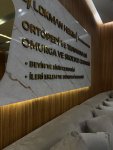
Lokman Hekim Hospital left a profound impression on me with its genuine care for every patient
Lokman Hekim Hospital left a profound impression on me with its genuine care for every patient. Everything here is organized the way it should be in an ideal clinic: the staff is attentive, considerate, always ready to help, and does not just go through formal procedures.
Unlike many expensive clinics, where everything feels cold and impersonal, where patients are treated almost like on a conveyor belt, here you truly feel involvement and empathy. Every step, every detail is thoughtfully planned with the patient in mind, creating a sense of safety and comfort.
Here, they don’t just treat and send you away — they guide and support you at every stage, creating an atmosphere of trust and warmth. This approach makes the stay in the clinic as comfortable and reassuring as possible.
In short, my experience was simply amazing. I highly recommend Lokman Hekim among other Turkish clinics, in Istanbul and other cities, because everything here is truly top-notch. I have already shared more detailed impressions in other reviews, but in short — everything was perfect.
Everything was perfect
About Bookimed service
My experience with Bookimed was absolutely amazing. My sister even went with me to have blepharoplasty, and she immediately wanted to have her surgery at the same clinic where I had mine, because the plastic surgeon there was incredibly professional and outstanding. I can confidently recommend Bookimed to all my relatives, and I would gladly go again to this clinic and only to these doctors, because every specialist in the clinic is exceptional and excellent.
Bookimed is truly an amazing platform. I am grateful that it exists because it is very important for people who cannot find the best doctors in their own countries. The platform helps to find the best options for each patient individually, offering different choices so that everyone can select what is optimal for them.
Нурлан Чормаков • Hip replacement
Kazakhstan
25 Apr 2024
Verified review.
I am very satisfied with the choice of this clinic
At the Turan Turan Clinic, I had total hip replacement surgeries on both legs almost simultaneously, two days apart. The operation was categorised as complicated. From the very first days of my stay in the clinic until my discharge I was really surrounded by sincere care and attention of the doctor and medical staff and interpreter. I was placed in a very comfortable ward with everything I needed. The interpreter and assistant in the person of Eldar did not leave me a step and helped with translation, consulted, gave useful advice and literally led me by the hand to the doctors where I was examined, from the X-ray room to the anaesthesiologist before the operation. Preparation for the operation, collection of analyses, their study and consultation with doctor Kayhan Turan took little time. Everything went promptly. The surgery was performed by the head doctor Kayhan Turan himself, who has vast experience in orthopaedic surgeries. With his light hand and high level of professionalism, the two surgeries two days apart were very easy. Smith & Nephew prostheses were fitted. Both operations were performed under spinal anaesthesia, which in my case completely eliminated the unpleasant stage of coming out of anaesthesia. I was conscious during the operations. Subsequent rehabilitation took place in a hospital ward, where special medical simulators were used along with exercises to develop the joint and vessels. I am very satisfied with the choice of this clinic.
About Bookimed service
Thank you Bookimed for the quality and prompt selection of the right clinic in accordance with the quality-price criterion. I was immediately offered several real offers to choose from, constant communication gave me hope for a speedy recovery. Very attentive staff. Thank you !!!!
Dar'ya • Arthroscopic surgery
Georgia
14 Feb 2026
Verified review.
I am completely satisfied with the treatment and grateful to the entire team for their professionalism and care
I was very impressed with the clinic and the attentive care given to patients. Special thanks to Dr. Rukhat Tanli—an knowledgeable, professional, and highly compassionate specialist.
Anesthesia was administered smoothly, and recovery was comfortable. The staff is friendly and caring, and the clinic is modern and clean.
I would also like to specifically thank coordinator Olga for her assistance, support, and translation guidance—thanks to her, the entire process was calm and organized.
I am completely satisfied with the treatment and grateful to the entire team for their professionalism and care.
I was highly impressed with the clinic and their approach to patients. Special thanks to Dr. Rukhat Tanli — a knowledgeable, attentive, and professional specialist.
The anesthesia was smooth, and the recovery was comfortable. The staff is very friendly and caring, with a calm atmosphere. The clinic is modern and clean.
I am completely satisfied with the treatment and grateful to the entire team for their help and support.
About Bookimed service
Everything is great, thank you.
Anonymous • Hip replacement
7 May 2026
Verified review.
Thanks to the successful operation, I started walking without a limp almost as soon as I tried doing so without crutches
Before the operation, I was most worried about a possible difference in leg length, but now they feel exactly the same. The operation was performed via an anterior approach using a Stryker implant. A huge thank you to the wonderful doctor, Professor Olcay Güler. He is always positive, a pleasure to talk to, and uses modern techniques as well as robotic surgery for procedures like this. Direct anterior access is the best option for those who want a faster and better recovery, and there are very few specialists who use this modern method. On the 7th day after the operation, I had already started walking without crutches, even though I hadn’t rushed my recovery; the doctors do recommend walking with crutches for two weeks. Thanks to the successful operation, I started walking without a limp almost as soon as I tried doing so without crutches. I should note that I deliberately didn’t walk with just one crutch; I used both, but walked with them using the Nordic walking technique with poles. I think this also helped me avoid limping straight away. If anyone needs joint replacement surgery, I highly recommend Professor Olcay Güler and the Memorial Şişli Clinic; a good doctor is the key to a successful return to normal life. And of course, a huge thank you to the Bookimed team and personally to coordinator Sergey, who patiently selected the clinic and doctor for me! In the early stages of recovery, the hardest thing for me is getting in and out of the car. A tip for future patients: prepare comfortable trousers without elastic at the bottom in advance, slip-on shoes, and a special device for putting on compression garments and socks – a butler or glider – will also come in very handy, but only if you’re doing everything without assistance.
A huge thank you to the wonderful doctor, Professor Olcay Güler. He always has a positive attitude, is a pleasure to talk to, and uses modern techniques as well as robotic surgery for procedures of this kind. Direct anterior approach is the best solution for those who want a faster and better recovery, and there are very few specialists who practise this modern method. On the 7th day after the operation, I had already started walking without crutches, even though I hadn’t rushed my recovery; the doctors do recommend walking with crutches for two weeks. Thanks to the successful operation, I started walking without a limp almost immediately after trying to do so without crutches on the 7th day. I also made a point of not walking with just one crutch; I used both, but walked with them in the style of Nordic walking with poles. I think this also helped me avoid limping straight away. If anyone needs joint replacement surgery, I highly recommend Professor Olcay Güler and the Memorial Şişli Clinic; a good doctor is the key to a successful return to normal life. And of course, a huge thank you to the Bookimed team and personally to coordinator Sergey, who patiently helped me find the right clinic and doctor!
There are no downsides, just one suggestion: to produce a short leaflet for the clinic’s patients setting out post-operative restrictions, initial exercises, and exercises for further rehabilitation six weeks later, when most restrictions will have been lifted.
Marina • Surgical treatment of scoliosis
8 Aug 2025
Verified review.
Doctors at the highest level
PLUSES
Doctors at the highest level...professionalism, attention, responsibility felt during the whole stay...nothing unnecessary was said...no promises were made that could not be realised later...we were very satisfied with the results of their work....
Medical equipment may not be the latest models, but the penultimate certainly ...
The food is very tasty...
The facilities in the ward create a comfortable stay...
The location of the clinic is good... Many hotels of different categories within walking distance.....
MINUSES
The medical staff and service staff (cleaning of the ward) wish to be better...the clinic needs a little more review of the process of care of medical staff for patients...at night when the patient before surgery or after surgery should gain strength and rest, begins frequent going to the room...then the temperature to measure, then the pressure, then remembering about the drip to connect the next or remove the forgotten....
Another disadvantage is the proposal-proform with an indication of what services are included in the paid amount, and which are not ... I would like a more specific list...taking into account that the treatment plan has changed, the amount to be paid has also changed, and there is always a question whether it is paid or whether it is necessary to pay additionally...which causes inconvenience and worries "whether you have enough money"....
The general impression of the clinic was good...despite the disadvantages.....
Professionalism of the medical team
Nursing and housekeeping.
About Bookimed service
Very grateful to Stanislav...all questions were always answered in a short period of time..... any misunderstandings that arose were resolved quickly.....
claudine heilig • Osteoarthritis
France
6 Mar 2026
Verified review.
In my situation, this care truly gave me hope again
I came to Istanbul for intensive medical care with a complex case involving multiple conditions. Thanks to Bookimed and my French-speaking coordinator Fidan and her colleague, everything was organized flawlessly. They truly went above and beyond, adapting my care to my evolving needs with great responsiveness and compassion.
From the moment I arrived at Florence Nightingale Hospital, everything was handled with remarkable efficiency: I consulted 7 specialist professors in one day, followed by comprehensive tests (full-body MRI, CT scan, EMG, blood tests) over the next few days. In less than a week, I had a complete diagnosis and all treatments in place.
The medical team is exceptionally professional — both highly skilled and genuinely caring. Each professor took the time to explain the results and treatment options. I now receive monthly follow-ups with my specialists.
The service goes far beyond medical care: the hospital provides daily transportation for appointments, physiotherapy, and rehabilitation sessions. In France, I would have waited months just to get a first specialist appointment. Here, everything was done within days.
I highly recommend Bookimed and Florence Nightingale Hospital without hesitation. In my situation, this care truly gave me hope again.
I arrived with a very complex and serious medical case, and I was impressed by the speed and efficiency of my care. In less than a week, I consulted 7 specialist professors, all necessary tests were completed (full-body MRI, CT, EMG, comprehensive blood work), and my treatments are now in place with monthly follow-ups by the professors. On top of that, the hospital provides daily transport for all my treatments: physiotherapy, rehabilitation, etc. An incredible service. Florence Nightingale is an excellent facility in every respect, both medically and humanly.
Apart from my visceral fear of needles, honestly, nothing. I even have a dedicated French-speaking coordinator. And a terrace café to enjoy a cappuccino in the sun inside the hospital. I have never been taken care of this well in my life.
About Bookimed service
Bookimed gave me access to excellent medical care in Istanbul that I could never have obtained so quickly in France. The compassionate support from Fidan and her team made all the difference at a time when I was feeling particularly vulnerable. I would recommend them without hesitation.
I want to express my immense gratitude to Dr. Kayhan Turan and the Team for the surgery!!! In addition to the excellent surgery, I received support with all my questions and concerns, so I didn’t have to worry about anything. Eldar kept everything under control. I loved absolutely everything—from the transfer to staying in the hospital in my own private room with a companion. I also appreciated the opportunity to take the physiotherapy equipment to my hotel room, allowing me to do the exercises there instead of going to the hospital. And, of course, the wonderful support from Eldar was truly outstanding!
Thanks to Dr. Hanna from Bookimed Support for your help during the initial stages of choosing a clinic (this is the best clinic I could choose, I'm very happy) and for your continued support throughout my entire trip, and thank you, Aboush!
I am thrilled with my trip for the surgery! 🚀💯
Excellent surgery
Eldar's assistance 🚀💯
Affordable prices
About Bookimed service
I will definitely recommend Turan Turan Health Group 100%! I am thrilled with my trip for the surgery!
Larisa • Knee replacement
Serbia
6 Apr 2024
Verified review.
The doctor is very competent, trustworthy, attentive, positive and charismatic
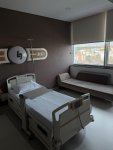
My father, 76 years old, had a knee replacement - Dr Olcay Guller. The doctor is very competent, trustworthy, attentive, positive and charismatic. This is important because my father was very worried and doubtful, but after the first meeting with the doctor he was completely reassured. All pre-operative investigations were organised quickly. Preparation for the operation and the operation itself - everything went smoothly. The next morning my dad was already walking along the corridor with the help of crutches. Nurses and nurses are attentive and friendly, no remarks. Feeding was also excellent, even a lot. I was placed in a spacious ward with a large window and air conditioning. In the bathroom everything is adapted for immobile patients, spacious barrier-free shower. On the territory of the hotel there are a couple of cafes with a good menu, Starbucks.
The internet in the hospital is quite good.
All in all it was a pleasant experience. Would recommend the hospital with a clear conscience if needed
About Bookimed service
I don't know how long I would have searched for a hospital myself if I hadn't written to Bukimed. There was hardly any free time for this, and there were many doubts about the choice.
With Bukimed everything unfolded quickly and in a couple of weeks my father was already seen by a doctor.
Carl Jensen • Hip replacement
23 Aug 2025
Verified review.
Dr
It's now been about 1 1/2 months post surgery and I am pleased with the progress of my recovery. It seems that the implant and hip have aligned themselves nicely with the rest of the leg and foot . I can walk quite well. It seems that improving the strength in my leg will lead to greater recovery. I was pleasantly surprised by the professionalism , knowledge and concern of all people involved ; especially Booki Med med coordinator Dr. Olha who exhibited limitless patience and concern for my problems. The hospital was first rate and those within, I felt, were truly concerned with my situation
Tat'yana • Consultation with an orthopaedist
United Kingdom
9 May 2026
Verified review.
They all deserve top marks
Strange as it may sound, my overall rating is zero. That said, I can’t say a single bad word about either the surgeon or the clinic staff. They all deserve top marks. The doctor was very attentive and professional, and the support team did everything they could to help. The problem isn’t with the people. The problem is that the outcome of the consultation and what followed completely overshadowed all the positive impressions, leaving me in a very difficult situation during the recovery phase. The service was good, but the result was not.
Qualifications of doctors and medical staff
Online answers to questions
It takes a very long time
Maryna Bajer • Hand surgery
Germany
14 Oct 2023
Verified review.
Thanks a lot to the great team!
I had to do an operation of the fracture of my little finger that happened during vacation in the South of Turkey. The organization was supported by Alisher Durdiyev and was very quick and helpful, even during the late evening. The surgery could be organized very quickly, the doctor Levent Yalcin, one of the rare hand surgeons, was extremely good, could incorporate my wishes and I was back with my family very quickly. The teams of nurses and doctors in the hospital was very good. Thanks a lot to the great team!
Rashed Alhosani • Consultation with an orthopaedist
United Arab Emirates
10 Feb 2024
Verified review.
In 8 days I felt better and I don't need surgical operation
I like the treatment , staff , environment. Special thanks for Hussein , Melih , and all staff I can’t remember the names .
I recommend this hospital for all .
Daily they made for me more than 10-12 session .
They used all technology and staff to let me feel better .
I had some special services massage , daily Hotel transport, and hotel discount .
I can’t express all but thanks a lot in 8 days I felt better and I don’t need surgical operation .
Will visit again inshallah .
He completed a two-week rehabilitation course. I improved my condition, I am satisfied with everything.
The staff are professionals. Special thanks to Kenan for his support and resolution of all issues. I liked the treatment programme. With my diagnosis of ankylosing spondylitis, it was possible to improve the condition of my spine and partially restore mobility.
I recommend it, I will come back again.
schedule, treatment, staff
-
Larisa Petrova • Hip fracture
Canada
11 Dec 2023
Verified review.
Operation at the highest level! Be sure to take an accompanying person with you! You will not be able to do without this or hire a Person through a coordinator to serve for 3 weeks
A certified medical writer with 10+ years of experience, developed Bookimed’s trusted content, backed by a Master’s in Philology and medical expert interviews worldwide.
Dr. Kayhan Turan is an orthopedic surgeon specializing in robotic-assisted joint replacement and sports medicine. He performed Turkey's first robotic knee and hip replacements and has completed over 3,500 robotic surgeries.
This page may feature information relating to various medical conditions, treatments, and healthcare services available in different countries. Please be advised that the content is provided for informational purposes only and should not be construed as medical advice or guidance. Please consult with your doctor or a qualified medical professional before starting or changing medical treatment.
FAQ about Shoulder replacement in Turkey
These FAQs come from real patients seeking medical assistance through Bookimed. Answers are given by experienced medical coordinators and trusted clinic representatives.
Are Turkish orthopaedic surgeons qualified and experienced for shoulder replacement surgery?
Turkish orthopaedic surgeons are highly qualified specialists for shoulder replacement surgery. Most complete 11 years of medical and residency training under national standards. Many hold certification from the European Board of Orthopaedics and Traumatology (EBOT). They have also completed international fellowships at top-tier institutions in Europe or the United States.
Specialist credentials: Surgeons like Dr Sami Sokucu hold FEBOT status, meeting Australian medical recognition standards.
Advanced technologies: Clinics use Stryker Mako robotic systems and 3D-guided planning for complex reverse shoulder arthroplasty.
Clinical experience: Leading specialists like Dr Erman Cekic have performed approximately 10,000 joint replacement procedures.
International standards: Major facilities like Hisar Hospital Intercontinental maintain JCI accreditation, matching US healthcare safety protocols.
Bookimed Expert Insight: Many surgeons are generalists. However, Turkish centres like Turan Turan Health Group have established dedicated robotic surgery hubs. Dr Kayhan Turan has personally performed over 3,500 robotic procedures. Choosing a surgeon with this specific robotic focus often leads to more precise implant placement. It also speeds up recovery.
Patient Consensus: Patients in Turkey suggest choosing a surgeon with a visible track record in shoulder arthroplasty, not general orthopaedics. They recommend verifying the implant brand. They also suggest having a solid local follow-up plan ready before flying home.
What types of shoulder replacement procedures are available in Turkey?
Turkey offers anatomic total shoulder replacement, reverse total shoulder replacement, and partial shoulder replacement. Surgeons use implants from brands like Zimmer Biomet and LIMA. Procedures are performed in JCI-accredited hospitals in Istanbul, Bursa, and Antalya. Clinics often use robotic-assisted systems for higher precision.
Total shoulder replacement: Replaces both ball and socket for patients with healthy rotator cuffs.
Reverse shoulder replacement: Reverses joint mechanics to treat severe arthritis with rotator cuff tears.
Partial shoulder replacement: Replaces only the humeral head, preserving the natural socket and bone.
Implant technology: Surgeons use Zimmer Biomet or LIMA prosthetic components for durability.
Robotic assistance: Clinics like Turan Turan Health Group use Stryker Mako robotic systems.
Bookimed Expert Insight: While many Turkish clinics offer competitive pricing, the most significant differentiator is the robotic surgery capability in centres like Bursa. These facilities perform 18,000+ procedures annually. This volume of experience often exceeds standard Australian private practice levels.
Patient Consensus: Patients find that Turkey provides clear choices between anatomic and reverse replacements based on age. The seamless coordination between surgeons and physiotherapists helps with the early stages of recovery.
What is typically included in an all-inclusive shoulder replacement package in Turkey?
All-inclusive shoulder replacement packages in Turkey typically bundle the surgical procedure, hospital stay, and VIP ground transfers. Most packages cover preoperative tests like ECGs and chest X-rays. They also include specialist consultations, surgeon fees, and high-quality implants from brands such as LIMA or Zimmer Biomet.
Clinical services: Surgical fees, anaesthetist consultations, and nursing care are standard inclusions.
Medical diagnostics: Pre-op blood tests, X-rays, and ECGs are performed upon arrival.
Hospital stay: Patients usually stay 4–5 days in a private room with meals.
Logistical support: VIP transfers between the airport, hotel, and hospital are almost always bundled.
Translation services: Dedicated interpreters facilitate communication between patients and the orthopaedic surgical team.
Bookimed Expert Insight: While many clinics include VIP transfers, accommodation is often the main variable in Turkish packages. Turan Turan Health Group packages focus on advanced robotic-assisted technology like the Stryker Mako. Patients should note that a 10-day hotel stay is typically an additional cost rather than bundled.
Patient Consensus: Australian patients found that packages in Turkey conveniently cover airport transfers, interpreter support, and daily meals. They recommend requesting a written list of inclusions to confirm if hotel stays and medications are fully covered.
How long do I need to stay in Turkey for shoulder replacement recovery clearance?
Patients typically need to stay in Turkey for 10 to 14 days. This is to receive initial recovery clearance for shoulder replacement. This window allows surgeons at JCI-accredited centres to monitor for infections and manage acute pain. It also lets them remove surgical staples or non-dissolvable stitches before approving safe-to-fly status.
Hospital stay: Inpatient monitoring usually lasts 4–5 days for pain management and initial physiotherapy.
Clinical follow-up: Surgeons perform wound evaluations and staple removal around days 10–12 post-surgery.
Sling dependency: Arms remain immobilised in a sling for the first 2–6 weeks continuously.
Travel assistance: Patients cannot manage luggage alone and require a companion for the return journey.
Flight safety: Surgeons provide fitness-to-fly certificates only after confirming the incision has healed sufficiently.
Bookimed Expert Insight: For short flights, 10–14 days is the standard clearance. However, patients flying back to Australia should consider staying 3 weeks. Extended long-haul travel increases DVT risks. Many Turkish clinics offer VIP transfers to minimise physical strain during these early stages. For example, Turan Turan Health Group provides this service.
Patient Consensus: The first 5 days are the most challenging. Patients often need to sleep upright and seek help with dressing. Functional movement usually starts returning after 6 weeks. However, travellers must avoid lifting heavy bags for up to 3 months.
 Partial Shoulder Replacement Surgery with Transfers


 Shoulder Replacement with Patient-Specific Planning by Professor Gemalmaz



 Shoulder Replacement with Zimmer Biomet Implant — Full Board & Transfer Included







 Anna Leonova